Heart Attacks are Preventable!

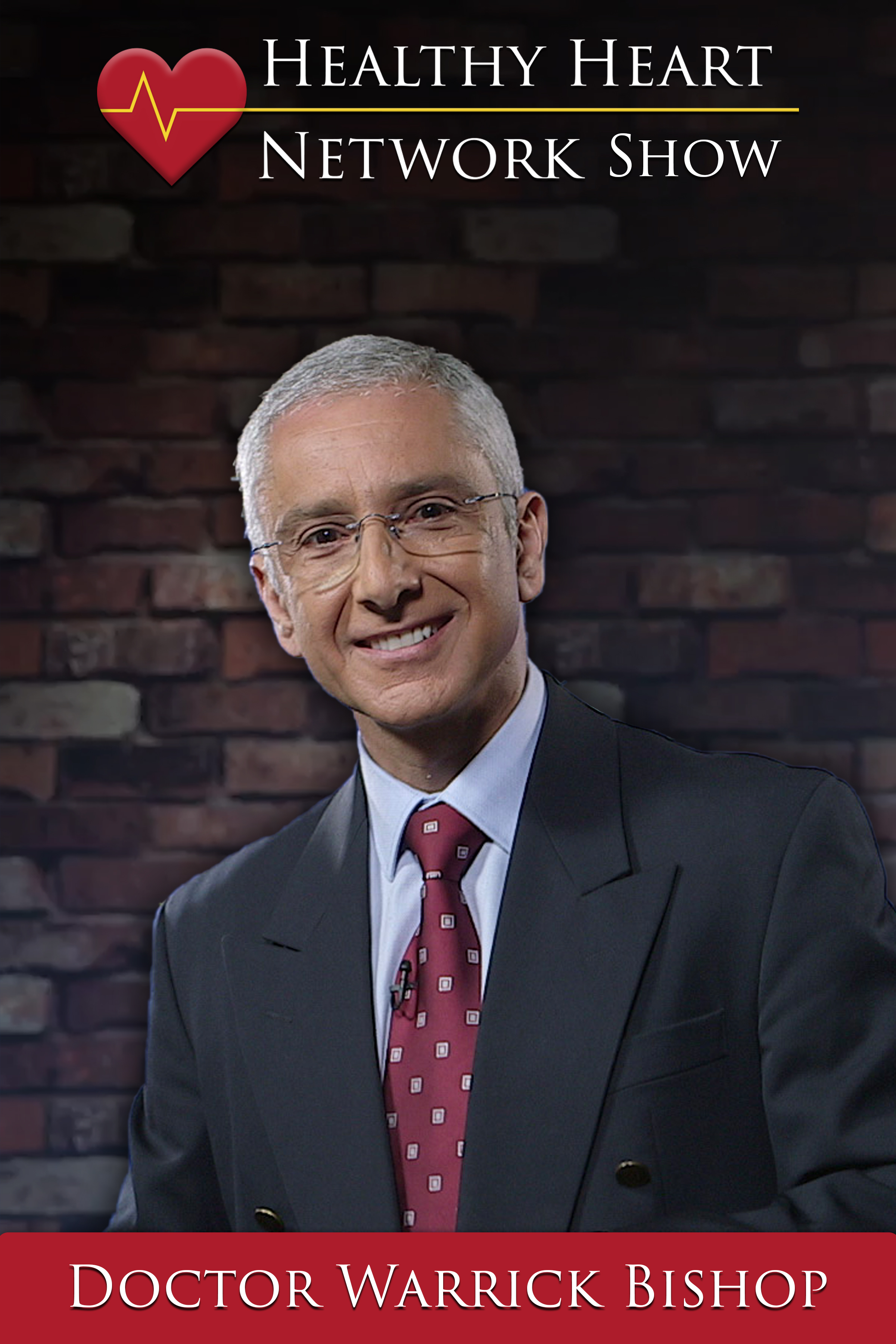
Welcome to my podcast, I am Doctor Warrick Bishop, and I want to help you to live as well as possible for as long as possible. I’m a practising cardiologist, best-selling author, keynote speaker, and the creator of The Healthy Heart Network. I have over 20 years as a specialist cardiologist, a private practice of over 10,000 patients.

Australia, like the rest of the western world, has a heart problem.

Over 9 million people around the world die from heart disease every year.

Every 10 minutes, someone in Australia suffers a heart attack. And 21 lives are lost daily because of it.

The devastating fact in all this is… 

Almost every one of those cases could have been prevented. 

This podcast is for anyone who wants to improve their health literacy and gain information to help them make the best decisions about their risk of heart attack, their cholesterol, blood pressure, risk of diabetes, weight loss and general health. Join me on my personal mission journey to prevent Heart Attack on a global scale. If you like this podcast I would be honoured with a 5-star review and let your friends and family know, you may even save the life of someone you love!

Episodes

EP218: Update on Cardiac CT

Welcome to my podcast. I am Doctor Warrick Bishop, and I want to help you to live as well as possible for as long as possible. I’m a practising cardiologist, best-selling author, keynote speaker, and the creator of The Healthy Heart Network. I have over 20 years as a specialist cardiologist and a private practice of over 10,000 patients. Episode Summary Dr. Warwick Bishop, a practicing cardiologist and education advocate, discusses recent research updates on cardiac CT imaging in this episode. He examines two major studies—the Swedish SCAPIS study and a Korean exercise study—that validate his long-held observations about coronary artery disease screening and the role of calcium scoring in cardiac assessment. The episode explores how CT imaging technology can better risk-stratify patients and clarify the complex relationship between calcium deposits, plaque formation, and cardiovascular health. Key Takeaways: The SCAPIS study of over 25,000 people aged 50-64 found that approximately 40% of the population has coronary plaque, which aligns with the prevalence of coronary disease as a major cause of death. Men have nearly twice as much plaque as women, with approximately a 10-year delay in plaque accumulation between genders, suggesting optimal screening ages of 50 for men and 60 for women. A zero calcium score is an excellent gatekeeper for low risk; only 5.5% of zero-score patients had any plaque on contrast imaging, and less than 0.4% had significant stenosis. Calcium scores above 400 correlated with approximately 40% of cases showing significant arterial narrowing, warranting detailed imaging to understand plaque composition. The Korean study paradoxically found that exercise is associated with higher calcium scores and faster calcium progression, despite exercise reducing coronary event rates. Calcium serves dual purposes: it indicates both plaque formation/deposition and plaque stabilization, making interpretation complex without additional contrast imaging. Injecting contrast during CT coronary angiography is essential to differentiate between stabilized calcified plaque and dangerous fatty, unstable plaque in high-risk patients. Two patients with identical calcium scores can have vastly different risk profiles depending on the composition of their plaque, highlighting why calcium alone is insufficient for risk assessment. Risk enhancers like family history of premature coronary disease, elevated triglycerides, or prediabetes should prompt earlier screening than standard age guidelines. Read more

EP217: An Extraordinary Letter

Welcome to my podcast. I am Doctor Warrick Bishop, and I want to help you to live as well as possible for as long as possible. I’m a practising cardiologist, best-selling author, keynote speaker, and the creator of The Healthy Heart Network. I have over 20 years as a specialist cardiologist and a private practice of over 10,000 patients. Episode Summary Introduction: Dr. Warwick Bishop is a practicing cardiologist and author who advocates for patient education in heart health. In this episode, he discusses an extraordinary letter from a colleague cardiologist that exemplifies why he created the Healthy Heart Network and promotes cardiac CT imaging technology. The letter reveals concerning clinical judgment about managing a 50-year-old patient with elevated cholesterol, which Dr. Bishop uses to highlight important gaps in modern cardiac risk assessment. Key Takeaways: Cardiac CT imaging can reveal that outwardly healthy people may have unhealthy arteries, and conversely, people who appear at high risk may have surprisingly healthy coronary arteries—making it a valuable tool for accurate risk assessment. The cardiologist's dismissal of cardiac CT for a 50-year-old with intermediate risk (approximately 10% risk of event in 10 years) contradicts current Heart Foundation of Australia guidelines, which support cardiac CT imaging for intermediate-risk patients. A normal ECG does not indicate healthy coronary arteries; the two are separate systems, and assuming a normal ECG means no heart disease risk is medically inaccurate and potentially dangerous. Using cholesterol levels alone to predict cardiac risk is insufficient; comprehensive imaging allows doctors to identify actual plaque burden and tailor prevention strategies with greater precision. Prescribing medication with a "take it or leave it" approach represents poor medical practice and a lack of genuine concern for the individual patient's wellbeing and treatment outcomes. Cardiac CT imaging is cost-effective at $300-$660 compared to the potential devastation of a preventable heart attack, making the financial objection in the letter irrational. Risk-enhancers like elevated cholesterol should trigger further investigation in apparently healthy patients, not dismissal of diagnostic testing. Many healthcare professionals lack awareness of or resistance to newer technologies like cardiac CT that could significantly improve patient outcomes in cardiac risk stratification. Read more

EP216: Cholesterol and the Arteries

Welcome to my podcast. I am Doctor Warrick Bishop, and I want to help you to live as well as possible for as long as possible. I’m a practising cardiologist, best-selling author, keynote speaker, and the creator of The Healthy Heart Network. I have over 20 years as a specialist cardiologist and a private practice of over 10,000 patients. Podcast Summary Dr. Eric Bishop, a practicing cardiologist and author, hosts this educational episode exploring how cholesterol accumulates in arteries. He discusses the research of Vladimir Subotin, a member of the Russian Academy of Sciences, who challenges the conventional understanding of cholesterol deposition in coronary artery disease. The episode examines the mechanisms behind plaque formation and presents an alternative theory about cholesterol transport in artery walls. Key Takeaways: The LDL hypothesis—that "bad" cholesterol in the bloodstream causes coronary artery disease—is well-supported by decades of research showing that lowering LDL cholesterol reduces heart attack risk in high-risk individuals. The conventional understanding assumes cholesterol particles float in the bloodstream and cross the inner artery lining (tunica intima) to deposit cholesterol in the artery wall. Microscopic examination of plaque development shows cholesterol buildup begins in the middle layer of the artery (tunica media), not the inner lining, which contradicts the standard inside-to-outside migration theory. Subotin proposes that wear and tear in arteries triggers inflammation and signals local cells to release tissue factors, initiating the cholesterol accumulation process. An alternative mechanism suggests cholesterol enters the middle artery layer through vasa vasorum—tiny blood vessels that supply nutrients to the artery wall itself—rather than migrating from the bloodstream. The mechanism of how cholesterol enters the artery wall remains mechanistically complex and difficult to observe directly in living organisms. Coronary artery disease is multifactorial, involving not just cholesterol but also inflammation, wear and tear, and blood pressure as important contributing factors. Regardless of the precise mechanism of cholesterol deposition, clinical evidence confirms that lowering cholesterol in high-risk patients reduces their future cardiovascular risk. Read more

EP215: Plaque Rupture and Erosion

Welcome to my podcast. I am Doctor Warrick Bishop, and I want to help you to live as well as possible for as long as possible. I’m a practising cardiologist, best-selling author, keynote speaker, and the creator of The Healthy Heart Network. I have over 20 years as a specialist cardiologist and a private practice of over 10,000 patients. Podcast Summary Introduction Dr. Warrick Bishop is a practicing cardiologist and author dedicated to educating patients about heart health. In this episode, he explores the distinction between two mechanisms of plaque-related heart attacks: plaque rupture and plaque erosion. Understanding these different pathways is crucial because both can lead to heart attacks, yet they present differently and may require different treatment approaches. Key Takeaways: Plaque forms at points of arterial stress and wear, involving cholesterol accumulation and inflammation, typically developing in the middle muscular layer of the artery wall. Approximately 60% of heart attacks result from plaque rupture, where a thin fibrous cap breaks down, allowing blood to mix with the cholesterol-rich plaque core and form a clot. The remaining 40% of heart attacks are caused by plaque erosion, where the fibrous cap remains intact but the protective endothelial lining is lost, triggering clot formation without rupture. Plaque rupture typically causes sudden, instantaneous chest pain, while plaque erosion generally presents as progressive, niggly chest pain at rest that develops over hours (unstable angina). Ruptured plaques are characterized by a large fatty necrotic core (>30% of total plaque), thin fibrous cap (<65 micrometers), abundant inflammatory cells, and calcium deposits. Eroded plaques are more stable phenomena with intact thick fibrous caps, minimal calcification, less inflammation, and scarcity of the aggressive features seen in ruptured plaques. Multiple diagnostic tools exist to assess plaque, including cardiac CT imaging, invasive angiography, intravascular ultrasound (IVUS), and optical coherence tomography (OCT), with OCT providing the most detailed imaging including fibrous cap thickness measurement. Research demonstrates that aggressive LDL cholesterol lowering using statins and PCSK9 inhibitors can achieve plaque regression and increase fibrous cap thickness in over 50% of patients within 12-18 months. Plaque stabilization through cholesterol reduction supports the LDL hypothesis and suggests that optimal therapy may reduce the risk of plaque rupture events. Understanding plaque rupture versus erosion explains why patients can feel perfectly well until a clot suddenly forms and restricts blood flow, since normal flow continues until thrombosis occurs. Read more

EP214: Interview With Lisa Ryan Part 2 - From Needing Help to Helping Others

Welcome to my podcast. I am Doctor Warrick Bishop, and I want to help you to live as well as possible for as long as possible. I’m a practising cardiologist, best-selling author, keynote speaker, and the creator of The Healthy Heart Network. I have over 20 years as a specialist cardiologist and a private practice of over 10,000 patients. Podcast Summary Introduction Dr. Warrick Bishop, a practicing cardiologist and author dedicated to patient education about heart health, interviews Lisa Ryan in part two of their conversation. Lisa shares her remarkable personal journey of recovery from cardiac failure, diabetes, obesity, and alcohol dependency that she experienced in her late 40s, and how she transformed her life through deliberate lifestyle changes and professional support. This episode explores the practical strategies and mindset shifts that enabled Lisa to move from crisis to becoming a certified life coach helping others through her "Keep Looking Upwards" platform. Key Takeaways: Attempting to moderate harmful behaviors without addressing underlying emotional issues (anxiety, depression) is likely to fail—recovery requires deep therapeutic work to understand the root causes of destructive coping mechanisms. Small, incremental "baby steps" are more effective than attempting dramatic overnight changes; celebrating small daily wins (showering, walking five minutes, making one healthy choice) builds self-worth and momentum. Building physical strength through consistent exercise has profound effects on mental health, anxiety, and depression, creating a positive feedback loop that motivates continued healthy behavior. Understanding the science behind addiction (how alcohol physically alters neurotransmitters and damages organs like the heart, not just the liver) can create powerful "light bulb moments" that shift perspective and motivation. Developing mindfulness and breaking the habit of ruminating on the past helps reduce anxiety and enables better decision-making in the present moment. Self-worth and self-compassion are foundational to sustainable lifestyle change; acknowledging that it took time to develop unhealthy habits means it will take time to build healthy ones. Professional support is essential—whether from a GP, therapist, life coach, or trusted relationships—and reaching out for help is a strength, not a weakness. Gradual habit stacking and consistent small decisions create a snowball effect that eventually transforms health outcomes and life satisfaction without requiring perfection. Read more

EP213: Interview With Lisa Ryan Part 1 - From Needing Help to Helping Others

Welcome to my podcast. I am Doctor Warrick Bishop, and I want to help you to live as well as possible for as long as possible. I’m a practising cardiologist, best-selling author, keynote speaker, and the creator of The Healthy Heart Network. I have over 20 years as a specialist cardiologist and a private practice of over 10,000 patients. Podcast Summary Introduction Dr. Warrick Bishop, a practicing cardiologist and patient education advocate, interviews Lisa Ryan, a life coach from Brisbane who runs the "Keep Looking Upwards" community. This episode explores Lisa's personal journey with alcohol dependency and how her progressive substance abuse led to serious cardiovascular complications, including an enlarged heart, diabetes, and other health crises by her early 50s. Key Takeaways: Alcohol dependency often develops gradually as people use it to self-medicate for anxiety and stress, without recognizing the progression toward addiction and its harmful effects. Recent research suggests there is no safe level of alcohol consumption due to its progressive and addictive nature, contrary to common social messaging about moderate drinking. Women are physiologically more vulnerable to alcohol-related damage than men of the same size due to differences in fat and hormonal distribution, making them susceptible to serious health consequences at lower consumption levels. Alcohol strips the body of essential nutrients, including potassium, which the heart critically needs to function properly, potentially leading to cardiac failure and an enlarged heart. Alcohol dependency fuels anxiety and depression rather than relieving it, and people often abandon helpful treatments like exercise because they're still consuming alcohol, which counteracts their benefits. The social acceptability of alcohol makes it unique—people question others who quit drinking far more than those who quit smoking or other substances, creating social pressure to continue drinking. Heavy daily alcohol consumption causes cumulative physical damage including gut issues, headaches, migraines, obesity, and nutritional deficiencies that compound over years. Alcohol's effect on blood sugar regulation can lead to diabetes, and combined with poor nutrition and overeating, creates multiple serious health conditions simultaneously. Lisa's childhood instability and people-pleasing tendencies drove her toward control-oriented jobs and alcohol use for social acceptance, illustrating how psychological patterns can enable addiction. Emergency hospitalization revealed multiple simultaneous diagnoses (enlarged heart, pneumonia, diabetes, critically low potassium levels), demonstrating how alcohol abuse affects multiple organ systems catastrophically. Read more

EP212: Guy Leech - Sportsman to Lifesaver

Welcome to my podcast. I am Doctor Warrick Bishop, and I want to help you to live as well as possible for as long as possible. I’m a practising cardiologist, best-selling author, keynote speaker, and the creator of The Healthy Heart Network. I have over 20 years as a specialist cardiologist and a private practice of over 10,000 patients. Podcast Summary Introduction: Dr. Warrick Bishop, a practicing cardiologist and education advocate, hosts acclaimed athlete Guy Leach to discuss his pivotal life transformation from elite sports competitor to lifesaving advocate. The episode centers on Leach's journey into automated external defibrillator (AED) distribution and cardiac arrest prevention after a tragic personal experience changed his life trajectory. Key Takeaways: A sudden cardiac arrest incident during one of Leach's fitness classes in Sydney—where his close friend and colleague suffered a fatal electrical heart issue—became the catalyst for his career pivot from fitness training to AED advocacy. Without an AED present during the incident, Leach's friend could not be revived despite proper CPR; the 13-14 minute ambulance response time exceeded the critical three-minute window when defibrillation has approximately 70% survival rates. Survival rates for out-of-hospital cardiac arrest in Australia are critically low at approximately 6%, while Seattle—where defibrillators were invented—maintains a 70% survival rate due to widespread AED access and public training requirements. Leach founded Heart 180, a defibrillator distribution company supplying the two leading global AED brands, which now saves approximately one life every 7-8 weeks through increased device availability. Modern AEDs are user-friendly devices costing around $2,000 that provide complete audio guidance, can coach CPR technique in real-time, and are deployable in homes, vehicles, businesses, schools, and recreational facilities. Nearly 100 Australians die daily from sudden cardiac arrest—an indiscriminate killer affecting people of all ages including children and young adults—yet a simple $2,000 AED solution exists. Leach's mission targets placing an AED within 180 seconds of any Australian who experiences cardiac arrest, which could prevent approximately 70 deaths daily if achieved. Unlike COVID vaccine uncertainties, sudden cardiac arrest has proven, definitive treatment; making AED accessibility a solvable public health priority. Current Australian law does not mandate AED installation in buildings despite requiring fire extinguishers, representing a significant policy gap. Leach transitioned from personal achievement-focused athletic goals to broader community impact, viewing his platform and life stage as an opportunity to save multiple lives rather than win individual races. Read more

EP211: Guy Leech - Being a Professional Sportsman, Part 2

Welcome to my podcast. I am Doctor Warrick Bishop, and I want to help you to live as well as possible for as long as possible. I’m a practising cardiologist, best-selling author, keynote speaker, and the creator of The Healthy Heart Network. I have over 20 years as a specialist cardiologist and a private practice of over 10,000 patients. Podcast Summary Introduction Dr. Warrick Bishop, a practicing cardiologist and author, welcomes back Guy Leach to discuss his remarkable pivot from competitive swimming to becoming the first-ever professional Ironman champion. Ironman is a unique Australian surf-based endurance sport combining beach running, ocean swimming, board paddling, and ocean ski racing—born from a 1984 movie and its accompanying 46-kilometer race from Surfers Paradise to Coolangatta. Leach's first Ironman victory at age 19, where he was a 40-to-1 underdog, launched both his 15-year professional career and an entire sport into mainstream popularity. Key Takeaways: The Ironman sport was created accidentally when filmmakers needed a real race to film for the 1984 movie "The Cooling Out of Gold," transforming a traditional 15-20 minute surf lifesaving carnival event into a grueling 46-kilometer endurance race. Leach's swimming foundation—including innovative training methods like lactic acid blood testing and hypoxia training from Olympic coach Terry Gathercole—provided the endurance base and mental toughness necessary to dominate Ironman racing for 15 years. Superior heart rate recovery was Leach's key physiological advantage; he could drop his heart rate by over 100 beats within minutes of maximum effort, allowing him to absorb more training volume without injury or breakdown. Leach never lost a race over two hours in his career, attributing this to meticulous pre-race preparation and mental discipline—entering competition with courage, confidence, and zero negativity that allowed him to perform at peak capacity. The difference between elite athletes isn't the baseline training everyone does, but the marginal gains—the small nuances and details executed better than competitors that accumulate into decisive advantages. The concept of continuous improvement—growing at 6-7% annually as established by his coaching philosophy—ensured that even small increments kept him ahead of competitors attempting to catch him. Mental psychology and self-talk are critical performance factors; athletes he trained alongside could match his physical effort but sabotaged themselves through negative internal dialogue, while his disciplined mindset enhanced performance. Success principles from elite athletics transfer directly to corporate and business success, focusing on the subtle differentiators and strategic thinking that separate top performers from average competitors. Read more

EP210: Guy Leech - Being a Professional Sportsman, Part 1

Welcome to my podcast. I am Doctor Warrick Bishop, and I want to help you to live as well as possible for as long as possible. I’m a practising cardiologist, best-selling author, keynote speaker, and the creator of The Healthy Heart Network. I have over 20 years as a specialist cardiologist and a private practice of over 10,000 patients. Podcast Summary Introduction Dr. Barak Bishop, a practicing cardiologist and author passionate about patient education, welcomes professional athlete Guy Leach to discuss his journey as an internationally ranked paddler and Ironman competitor. This episode explores the formative experiences and disciplined training environment that shaped Leach into an elite athlete, beginning with his introduction to swimming at age eight and culminating in his representation of Australia at the highest levels of competition. Key Takeaways: Guy Leach's swimming career began at age eight when a doctor recommended swimming to strengthen his lungs after repeated bouts of bronchitis, leading to an unexpected natural talent for the sport. At age nine, Leach broke the Australian record for the fastest 100-meter breaststroke time by an under-nine competitor, creating an early discovery moment that fueled his passion for athletic training and achievement. Leach entered an elite six-lane training pool at age 12 under Olympic head coach Gathercock, where advancement to lane six guaranteed representation in Olympic Games, Commonwealth Games, and World Championships. The coaching environment implemented rigorous accountability systems, including detailed training logbooks where athletes recorded daily observations, weekly effort ratings, and negotiated specific time goals for six-month and 12-month targets. Coach Gathercock used precise feedback and point deductions for minor infractions (tardiness, technique lapses, etc.) to instill exceptional discipline and raise athletes' self-awareness about performance standards over a 12-week conditioning period. Leach adopted a competition-focused mindset by age 12, viewing school as rest and training as his primary focus for becoming "the best in the world" at his discipline. The training culture featured public performance testing where elite swimmers executed their signature events before the entire squad, occasionally resulting in world records and Australian records in training sessions. By age 17, after five years in the elite pool environment, Leach progressed to lane six and represented Australia internationally, before transitioning to surf Ironman competition as a full-time professional athlete. Read more

EP209: Interview With Adrian Lea - Part 2

Welcome to my podcast. I am Doctor Warrick Bishop, and I want to help you to live as well as possible for as long as possible. I’m a practising cardiologist, best-selling author, keynote speaker, and the creator of The Healthy Heart Network. I have over 20 years as a specialist cardiologist and a private practice of over 10,000 patients. Podcast Summary Introduction Dr. Warrick Bishop, a practicing cardiologist and author dedicated to patient education, hosts this episode with Adrian Lee, a fitness industry professional with 15+ years of experience and founder of Leeway Fitness. The episode focuses on muscle strength and its critical role in preventing frailty as we age, building on previous discussions about healthy lifestyle changes. Key Takeaways Muscle strength and mobility training are essential for aging well; without intentional strength work, joints deteriorate and people become prone to injuries in shoulders, elbows, hips, knees, and lower back. Start small with manageable time commitments—Adrian's parents began with just 5 minutes daily for mobility exercises, gradually progressing to 15-minute strength workouts three times per week. Personalize exercise routines based on individual daily activities and movement patterns; strengthening muscles around repetitive movements prevents injury and supports functional daily life. Quality and proper form matter more than quantity; a "less is more" approach with focus on technique and building a strong foundation prevents injury and enables long-term pain-free living. Integrate strength training into existing habits and routines, such as doing exercises while watching TV or working out before bed, to make fitness sustainable without major lifestyle disruption. Core activation through exercises like glute bridges and cat-cow stretches is fundamental; proper pelvic tilt and core engagement reduce back injury risk significantly. Hill walking or stair climbing provides excellent benefits for strength, mobility, and cardiovascular conditioning using only body weight and gravity as resistance—making it accessible and free. The interconnection between physical health and mental well-being is powerful; improved strength and mobility boost confidence, reduce stress management, and enhance overall sense of well-being. Read more