Heart Attacks are Preventable!

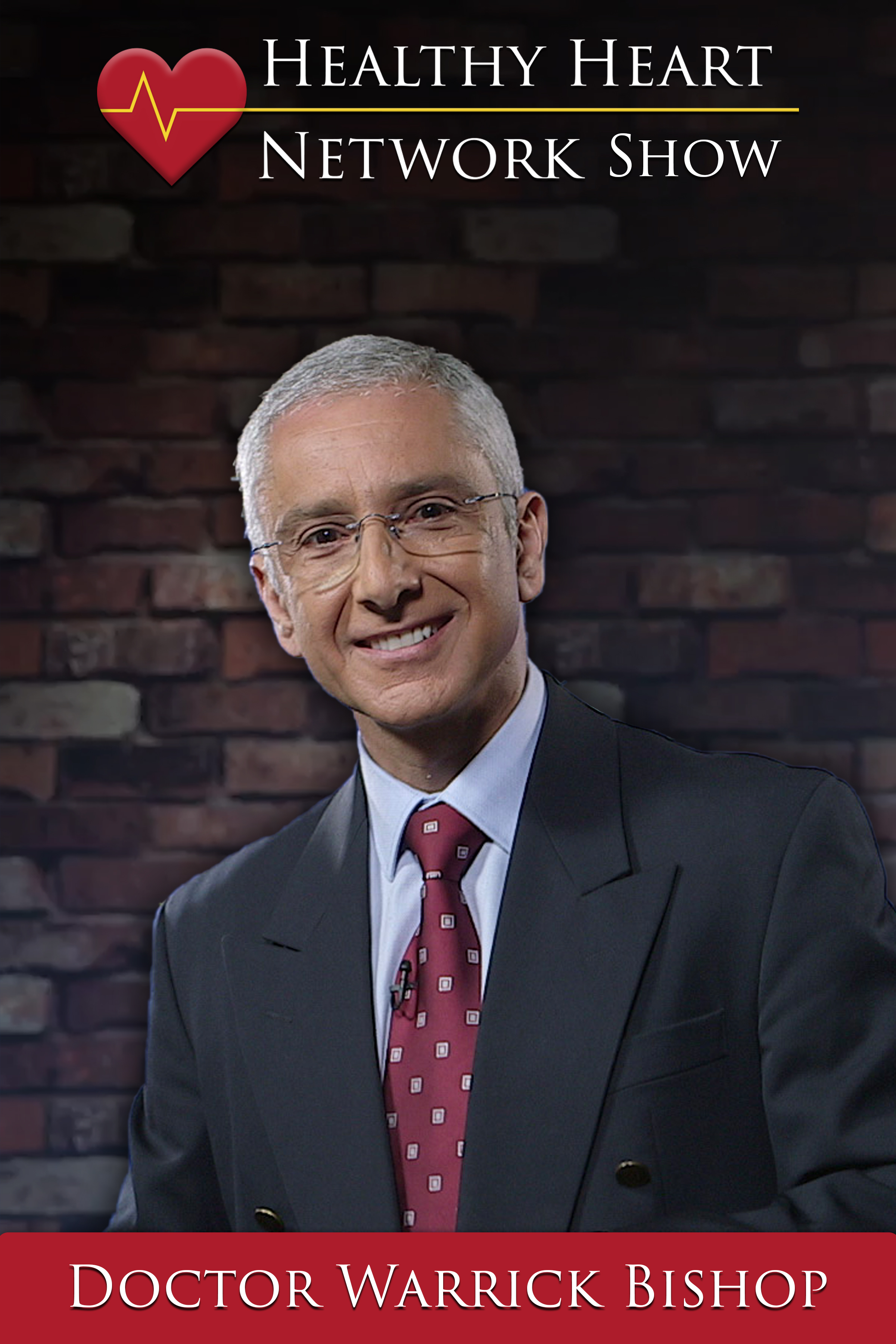
Welcome to my podcast, I am Doctor Warrick Bishop, and I want to help you to live as well as possible for as long as possible. I’m a practising cardiologist, best-selling author, keynote speaker, and the creator of The Healthy Heart Network. I have over 20 years as a specialist cardiologist, a private practice of over 10,000 patients.

Australia, like the rest of the western world, has a heart problem.

Over 9 million people around the world die from heart disease every year.

Every 10 minutes, someone in Australia suffers a heart attack. And 21 lives are lost daily because of it.

The devastating fact in all this is… 

Almost every one of those cases could have been prevented. 

This podcast is for anyone who wants to improve their health literacy and gain information to help them make the best decisions about their risk of heart attack, their cholesterol, blood pressure, risk of diabetes, weight loss and general health. Join me on my personal mission journey to prevent Heart Attack on a global scale. If you like this podcast I would be honoured with a 5-star review and let your friends and family know, you may even save the life of someone you love!

Episodes

EP238: Oh No, Blood Pressure Again!!!

Welcome to my podcast. I am Doctor Warrick Bishop, and I want to help you to live as well as possible for as long as possible. I’m a practising cardiologist, best-selling author, keynote speaker, and the creator of The Healthy Heart Network. I have over 20 years as a specialist cardiologist and a private practice of over 10,000 patients. Episode Summary: Oh No, Blood Pressure Again!!! Dr. Warwick Bishop is a practicing cardiologist and passionate health educator who believes informed patients receive better care. In this episode, Dr. Bishop advocates passionately for prioritizing blood pressure management, explaining how high blood pressure serves as the foundation for multiple cardiovascular and health complications. He shares recent evidence-based guidelines and practical strategies that patients can implement to optimize their blood pressure control and reduce their risk of serious health events. Key Takeaways: Blood pressure is a critical health metric that directly influences the risk of heart attack, stroke, atrial fibrillation, cardiac failure, and renal failure, making it essential to measure and manage properly. Current guidelines recommend a systolic blood pressure target of less than 130 mmHg, a significant shift down from the previous 140 mmHg target established in 2017. The SPRINT trial demonstrated that achieving blood pressures under 120 mmHg reduces cardiovascular and all-cause mortality by 25%, with additional benefits including improved blood flow and decreased dementia risk. A 24-hour ambulatory blood pressure monitor provides comprehensive data that helps identify white coat hypertension and gives a complete picture of blood pressure patterns throughout the day and night. An echocardiogram (heart ultrasound) should be considered for patients with elevated blood pressure to assess whether the heart muscle has thickened in response to increased pressure load. Switching to potassium chloride salt substitutes instead of sodium chloride can reduce stroke incidence by 14%, major adverse cardiac events by 13%, and all-cause mortality by 12%. Weight loss provides an exceptional return on investment for blood pressure management, with each kilogram lost resulting in approximately one millimeter of mercury reduction in blood pressure. There is no evidence that achieving lower blood pressure targets increases adverse events or negatively impacts quality of life, even when additional medications are required. Read more

EP237: Are Supplements Good or Bad?

Welcome to my podcast. I am Doctor Warrick Bishop, and I want to help you to live as well as possible for as long as possible. I’m a practising cardiologist, best-selling author, keynote speaker, and the creator of The Healthy Heart Network. I have over 20 years as a specialist cardiologist and a private practice of over 10,000 patients. Episode Summary Dr. Warwick Bishop, a practicing cardiologist and author, hosts this episode to demystify the confusing world of dietary supplements and vitamins. Rather than presenting supplements as simply "good" or "bad," Dr. Bishop explores the nuanced evidence behind popular supplements, particularly for heart health, and explains why many clinical studies fail to capture the full picture of how supplements work in real life. Key Takeaways: Studies showing supplements like fish oil or vitamin D have "no benefit" often lack important context—the study participants may have already had adequate nutrient levels, or the doses tested may have been too low to be therapeutic. Fish oil appears beneficial for specific high-risk populations, particularly people with coronary artery disease and elevated triglyceride levels taking high doses, suggesting the supplement works best for targeted patient groups rather than the general population. Supplements don't work in isolation; they require complementary factors like proper nutrition, exercise, and other lifestyle habits to produce measurable health outcomes—similar to how a cake requires multiple ingredients, not just flour. Dr. Stephen Sinatra recommends four key supplements for cardiac health: Coenzyme Q10, L-carnitine, D-ribose, and magnesium, which collectively support heart function through various metabolic pathways. The supplement industry is massive and often creates confusion; patients should seek evidence-based guidance rather than relying on marketing claims or popular press reports. Individual supplementation decisions should be personalized based on personal health status, existing diet, and specific health conditions rather than following a one-size-fits-all approach. The quality and source of supplements matter significantly, so consumers should purchase from reputable vitamin stores or trusted online dealers and seek professional advice. Definitive answers about supplement efficacy may never come from randomized controlled trials due to the complexity of evaluating how multiple ingredients work together in the human body. Read more

EP236: Please, Please, Please, Ask!

Welcome to my podcast. I am Doctor Warrick Bishop, and I want to help you to live as well as possible for as long as possible. I’m a practising cardiologist, best-selling author, keynote speaker, and the creator of The Healthy Heart Network. I have over 20 years as a specialist cardiologist and a private practice of over 10,000 patients. Podcast Summary Dr. Warrick Bishop is a practicing cardiologist and author dedicated to improving patient care through heart health education. In this episode, he discusses medication adherence—the importance of patients sticking to their prescribed medications—using a real patient case study to illustrate the serious consequences of stopping medications without medical consultation. The episode emphasizes the dangers of misinformation and the critical role of open communication between patients and their healthcare providers. Key Takeaways: Medication adherence is crucial; a patient in his case study stopped taking statin therapy based on unfounded concerns about dementia, leading to disease progression and need for invasive intervention. There is no scientific evidence that statins cause dementia; over 30 studies suggest statins may actually reduce Alzheimer's disease risk by preventing multi-infarct dementia. Patients should seek medical advice from their treating physician rather than well-meaning friends or acquaintances, even if those friends are doctors unfamiliar with their specific health profile. Misinformation about medications spreads easily through family, friends, pharmacists' comments, and internet research, making it difficult for patients to distinguish fact from fiction. A "nocebo effect" (negative expectation creating actual harm) can occur when negative ideas about a medication are planted in a patient's mind, making compliance even less likely. Doctors should educate patients at the time of prescribing to explain the "why" behind medication recommendations, as better-educated patients are more likely to adhere to treatment. Patients should never unilaterally stop, reduce, or change their medications without consulting their prescribing doctor, even if they have concerns or suspect side effects. The consequences of stopping appropriate cardiac medications can be severe—ranging from disease progression to heart attack or death—far outweighing theoretical risks from misinformation. Read more

EP235: Fixing Valves in 2022

Welcome to my podcast. I am Doctor Warrick Bishop, and I want to help you to live as well as possible for as long as possible. I’m a practising cardiologist, best-selling author, keynote speaker, and the creator of The Healthy Heart Network. I have over 20 years as a specialist cardiologist and a private practice of over 10,000 patients. Podcast Summary Introduction Dr. Warrick Bishop is a practicing cardiologist and author dedicated to improving patient care through heart health education. In this episode, he explores the four main valves of the heart and discusses cutting-edge technological advances—particularly percutaneous and transcatheter techniques—that are revolutionizing how valve problems are treated without major surgery. The focus is on emerging non-invasive approaches for aortic, mitral, and tricuspid valve issues and their growing role in modern cardiology. Key Takeaways: The heart has four main valves (tricuspid, pulmonary, mitral, and aortic) that control blood flow and can deteriorate over time, causing leaking or narrowing. Aortic valve narrowing affects approximately 1% of the population and becomes increasingly common with age, making non-invasive treatment options increasingly valuable. Transcatheter aortic valve implantation (TAVI) allows deployment of new valves through blood vessels in the leg, avoiding major chest surgery and becoming standard practice for high-risk and intermediate-risk patients. Transcatheter edge-to-edge repair for leaking mitral valves is available but currently less advanced than aortic technology, with higher mortality rates (4% at 30 days) and is typically reserved for very high-risk surgical candidates. Tricuspid valve repair using percutaneous transcatheter techniques shows the most promise because the lower-pressure right heart system allows devices to work more effectively with less strain. Early intervention with transcatheter tricuspid repair can prevent severe regurgitation that leads to dangerous organ congestion and extremely high mortality rates in advanced stages. Regular echocardiogram screening and baseline heart imaging are essential preventative measures to detect valve problems early before they progress. Blood pressure control is critical for valve health, as elevated pressure increases wear and tear on valves and should be monitored with a 24-hour blood pressure monitor. Patients should maintain regular check-ups with their GP and consider consulting a cardiologist for preventative care and baseline cardiac imaging. Read more

EP234: My Meditation Journey

Welcome to my podcast. I am Doctor Warrick Bishop, and I want to help you to live as well as possible for as long as possible. I’m a practising cardiologist, best-selling author, keynote speaker, and the creator of The Healthy Heart Network. I have over 20 years as a specialist cardiologist and a private practice of over 10,000 patients. Episode Summary Dr. Warrick Bishop is a practicing cardiologist and founder of the Healthy Heart Network who is passionate about patient education and understanding heart health. In this episode, Dr. Bishop shares his personal journey with meditation, inspired by previous podcast interviews with James Z. G. Buckley, a world-renowned meditation and hypnosis expert. He invites listeners to explore meditation as a transformative practice for overall wellbeing, despite initially believing he was the "last person in the world who would ever meditate." Key Takeaways: Meditation reduces stress and anxiety, with measurable effects on both mental wellbeing and physical health markers like blood pressure and heart rate. A 21-day meditation challenge can produce significant results in awareness of inner peace and ability to relate to the external world. Guided meditation is an accessible entry point for beginners, with Dr. Bishop recommending 10 minutes upon waking, before sleep, and during the day as a sustainable practice. Meditation activates the parasympathetic nervous system, which promotes healing processes and can drive nearly a thousand different DNA-based or genetic processes within the body. Box breathing or triangular breathing techniques provide quick mental stabilization and focus, a method used by military personnel and professional athletes. Meditation improves energy levels, enhances happiness, and promotes better sleep quality when practiced regularly, even with a partner. Holistic health requires caring for both body and mind; many people focus on exercise, diet, and sleep while neglecting mental wellness through practices like meditation. Skepticism about meditation is common, but personal experience often reveals its profound benefits for overall wellbeing and patient care capacity. Read more

EP233: Garlic, Devices, Renal Denervation, and Appolo

Welcome to my podcast. I am Doctor Warrick Bishop, and I want to help you to live as well as possible for as long as possible. I’m a practising cardiologist, best-selling author, keynote speaker, and the creator of The Healthy Heart Network. I have over 20 years as a specialist cardiologist and a private practice of over 10,000 patients. Podcast Summary Introduction Dr. Warrick is a practicing cardiologist and author dedicated to educating patients about heart health and the latest advances in cardiac care. In this episode, he discusses four recent cardiovascular breakthroughs: aged black garlic's blood pressure effects, smart wearable devices for detecting atrial fibrillation and sleep apnea, renal artery denervation for treatment-resistant hypertension, and a new RNA-based therapy for lowering lipoprotein(a). Key Takeaways: Aged black garlic (ABG) containing S-allylcysteine (SAC) demonstrated the ability to reduce diastolic blood pressure by approximately 6 mmHg in a Spanish clinical trial of 67 healthy men. A 5-6 mmHg reduction in diastolic blood pressure correlates to roughly 40% reduction in stroke risk and 30% reduction in heart attack risk, making aged black garlic's effects potentially very significant. Wearable smart devices using photoplethysmography (PPG) technology can effectively detect atrial fibrillation, identifying 0.4% prevalence in a low-risk population over four years with 93% detection accuracy. Advanced algorithms in smartwatches can now assess multiple cardiovascular and respiratory parameters including obstructive sleep apnea, with detection of OSA in approximately 18,000 out of 900,000 tested users. The SPIRAL hypertension trial demonstrated that renal artery denervation (ablating sympathetic nerves in renal arteries) maintains its blood pressure-lowering effects of 10 mmHg systolic and 5 mmHg diastolic reduction at three years post-intervention. The SPIRAL trial used a sham procedure as a placebo control, ensuring results exceeded pure placebo effects and validating the true effectiveness of the intervention. The Apollo trial revealed that a small interfering RNA (siRNA) therapy achieved nearly 98% lowering of lipoprotein(a), a dangerous LDL-like particle associated with premature coronary artery disease and aortic stenosis. The siRNA therapy additionally provided a 25% reduction in LDL cholesterol, offering dual cardiovascular benefits in treating this emerging high-risk cholesterol particle. Read more

EP232: Chatting About Chocolate

Welcome to my podcast. I am Doctor Warrick Bishop, and I want to help you to live as well as possible for as long as possible. I’m a practising cardiologist, best-selling author, keynote speaker, and the creator of The Healthy Heart Network. I have over 20 years as a specialist cardiologist and a private practice of over 10,000 patients. Podcast Summary Dr. Warrick Bishop is a practicing cardiologist and author dedicated to educating patients about heart health through his podcast and videocast station. In this episode, recorded around Easter time, Dr. Bishop explores the history, composition, and health implications of chocolate consumption. He examines both the potential benefits suggested by recent research and the practical cardiovascular and metabolic concerns associated with chocolate's high sugar and fat content. Key Takeaways: Chocolate originates from cacao, a tree seed traced back to Olmec civilizations around 1,000 years before Christ, which later influenced Maya and Aztec cultures in Mexico. Cacao is the raw ingredient that becomes cocoa once roasted; the distinction is important as they refer to different stages of processing. Chocolate contains high levels of added fat and sugar, which contribute to calories linked to weight gain, elevated blood pressure, diabetes risk, and coronary artery disease. Research suggesting chocolate's antioxidants and potential cholesterol-lowering effects is not particularly robust, and Dr. Bishop would not recommend chocolate consumption as a treatment for high cholesterol. Studies on chocolate's benefits (such as reduced brain decline or stroke risk) are difficult to interpret due to confounding factors, as chocolate consumers may also follow other healthy lifestyle habits. A 2016 study suggested 30 grams of chocolate daily may support healthy fetal growth during pregnancy, though moderation remains advisable. Chocolate should be consumed in moderation as a treat, with recommendation of enjoying it only once or twice yearly, particularly for those trying to lose weight or at risk of diabetes. For individuals focused on weight loss or diabetes prevention, limiting chocolate consumption is more beneficial than relying on any potential health benefits from its consumption. Read more

EP231: Cardiac Devices

Welcome to my podcast. I am Doctor Warrick Bishop, and I want to help you to live as well as possible for as long as possible. I’m a practising cardiologist, best-selling author, keynote speaker, and the creator of The Healthy Heart Network. I have over 20 years as a specialist cardiologist and a private practice of over 10,000 patients. Podcast Summary Introduction Dr. Warrick Bishop is a practicing cardiologist and author dedicated to educating patients about heart health, believing that informed patients receive better care. In this episode, he discusses various interventions and technologies available to treat heart failure, ranging from established medical devices to cutting-edge and experimental approaches. The episode explores how both current and future technologies can help patients with severely compromised cardiac function. Key Takeaways: Biventricular pacemakers synchronize both sides of the heart to restore symmetric contractions, helping hearts that squeeze inefficiently due to lack of coordination. Implantable cardioverter-defibrillators (ICDs) function like portable paddles placed under the skin with wires in the heart, automatically delivering electrical shocks to prevent sudden cardiac death when needed. Ventricular assist devices (VADs) are portable pumps that can be carried like a small device, supporting heart function while patients heal or await heart transplantation. Heart transplantation remains an option for patients with hearts beyond repair, though it is a major surgical procedure. Stem cell therapy shows promise as a future treatment, using undifferentiated cells to regenerate damaged heart tissue and restore normal cardiac function. Laboratory-grown heart cells can be generated in petri dishes and implanted back into damaged hearts to repair tissue. Xenotransplantation using genetically modified pig hearts is being actively developed to overcome organ rejection and address the shortage of human donor hearts. Despite these advanced technologies, lifestyle modifications including exercise, sensible diet, and weight control remain foundational treatments for heart failure. Medications continue to be essential tools that support heart function and maintain proper fluid balance in cardiac patients. Treatment decisions regarding devices and operations should be guided by individual cardiologists based on each patient's specific circumstances. Read more

EP230: No Longer Fearful

Welcome to my podcast. I am Doctor Warrick Bishop, and I want to help you to live as well as possible for as long as possible. I’m a practising cardiologist, best-selling author, keynote speaker, and the creator of The Healthy Heart Network. I have over 20 years as a specialist cardiologist and a private practice of over 10,000 patients. Introduction Dr. Eric Bishop is a practicing cardiologist and passionate educator dedicated to helping patients understand heart health through accessible education. In this episode, Dr. Bishop demystifies cardiac failure—a condition that causes significant anxiety in many patients—by explaining what it actually means, how it develops, and the importance of prevention. The episode emphasizes that educated patients receive better healthcare outcomes and that understanding the physiological mechanisms behind heart failure is key to managing the condition effectively. Key Takeaways: Cardiac failure is characterized primarily by shortness of breath (especially during exertion) and fluid retention, typically beginning in the feet and ankles. The heart can fail in two distinct ways: through reduced contractility (inability to pump properly) or through impaired relaxation (stiffness that prevents proper filling). Heart failure results from an evolutionary mismatch—the body's ancient survival mechanism interprets reduced blood flow as blood loss and retains fluid, which paradoxically worsens the condition by overloading an already failing heart. Cardiac failure is more prevalent in aging populations and in patients with pre-existing heart conditions such as hypertension, previous heart attacks, or prior cardiac surgery. Treatment focuses on two main goals: supporting heart function and removing excess fluid from the body. Prevention is more effective than treatment—maintaining a healthy lifestyle, regular exercise, controlled blood pressure, and reduced cardiovascular risk factors are the best ways to avoid developing cardiac failure. Any patient diagnosed with cardiac failure should consult with a cardiologist for proper evaluation and personalized treatment planning. Read more

EP229: Tanya And Warrick—Hearts 4 Hearts Interview

Welcome to my podcast. I am Doctor Warrick Bishop, and I want to help you to live as well as possible for as long as possible. I’m a practising cardiologist, best-selling author, keynote speaker, and the creator of The Healthy Heart Network. I have over 20 years as a specialist cardiologist and a private practice of over 10,000 patients. Podcast Summary Introduction Dr. Warrick Bishop, a practicing cardiologist and author dedicated to patient education in heart health, interviews Tanya Hall, CEO of Hearts for Hearts, a national charity supporting Australians living with heart disease and arrhythmias. The episode explores Hearts for Hearts' mission of support, education, and advocacy for heart rhythm disturbance patients, with Tanya sharing both the organization's work and her personal journey as a heart patient herself. Key Takeaways: Hearts for Hearts is a national charity specializing in supporting, educating, and advocating for Australians with heart disease, particularly arrhythmias, with services extending to New Zealand. The organization operates heart buddy groups, runs national screening events (such as AF Awareness Week), and conducts advocacy work with federal government to improve patient access to therapies. A key advocacy focus during COVID-19 was securing funding for remote monitoring of patients with pacemakers and defibrillators, allowing cardiologists to monitor patients from home safely. Hearts for Hearts has successfully advocated for increased access to catheter ablation treatment for atrial fibrillation and arrhythmias in hospitals, reducing patient wait times. The organization was founded by Tanya Hall, who is herself a heart patient and sought information and support during a three-year period of hospitalization in her early 30s, discovering a significant gap in available resources. Hearts for Hearts serves thousands of members through multiple support modalities, including in-person peer support groups, telephone support, and virtual Zoom meetings. The organization develops patient education materials through a rigorous process involving patient focus groups, medical advisory committees, and patient review to ensure materials are accessible and understandable. Hearts for Hearts supports patients with various heart conditions including atrial fibrillation, ventricular tachycardia, and congenital heart disease, linking patients with similar conditions to prevent isolation. The screening events run by Hearts for Hearts have successfully identified undiagnosed atrial fibrillation and prevented strokes, representing a significant public health impact. Read more