Heart Attacks are Preventable!

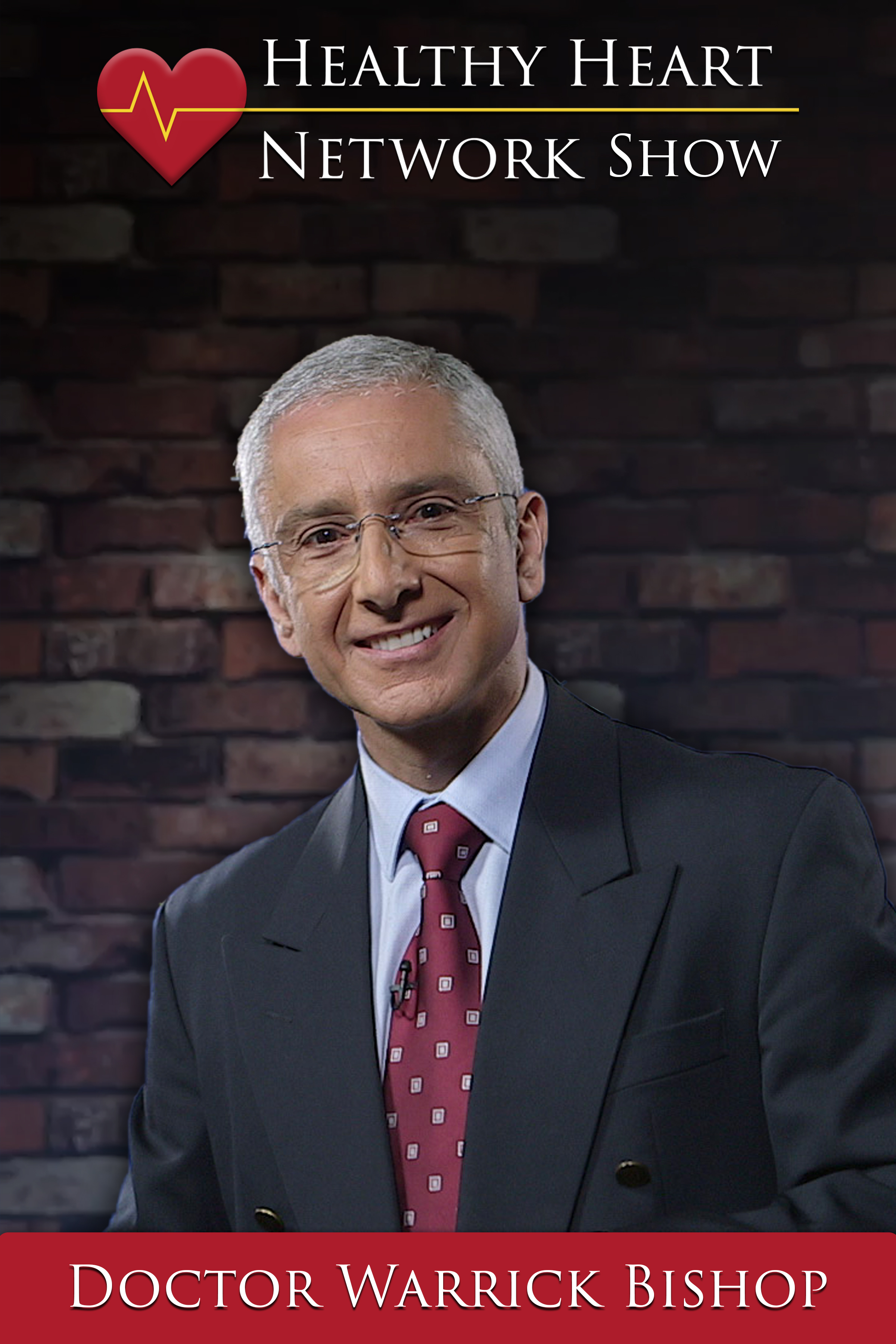
Welcome to my podcast, I am Doctor Warrick Bishop, and I want to help you to live as well as possible for as long as possible. I’m a practising cardiologist, best-selling author, keynote speaker, and the creator of The Healthy Heart Network. I have over 20 years as a specialist cardiologist, a private practice of over 10,000 patients.

Australia, like the rest of the western world, has a heart problem.

Over 9 million people around the world die from heart disease every year.

Every 10 minutes, someone in Australia suffers a heart attack. And 21 lives are lost daily because of it.

The devastating fact in all this is… 

Almost every one of those cases could have been prevented. 

This podcast is for anyone who wants to improve their health literacy and gain information to help them make the best decisions about their risk of heart attack, their cholesterol, blood pressure, risk of diabetes, weight loss and general health. Join me on my personal mission journey to prevent Heart Attack on a global scale. If you like this podcast I would be honoured with a 5-star review and let your friends and family know, you may even save the life of someone you love!

Episodes

EP258: Doctor V. Risk & Child Birth

Welcome to my podcast. I am Doctor Warrick Bishop, and I want to help you to live as well as possible for as long as possible. I’m a practising cardiologist, best-selling author, keynote speaker, and the creator of The Healthy Heart Network. I have over 20 years as a specialist cardiologist and a private practice of over 10,000 patients. Podcast Summary Introduction Dr. Warrick Bishop, a practicing cardiologist and author focused on patient education about heart health, hosts this episode featuring Dr. V from North Carolina, an OBGYN with 20 years of experience. The episode explores the critical intersection of pregnancy complications and long-term cardiovascular risk in women, with both doctors sharing a passion for preventative, holistic medicine and empowering patients to take control of their health through lifestyle changes. Key Takeaways: Lifestyle medicine is now a recognized medical specialty that empowers patients to use diet, exercise, sleep, and other lifestyle factors to treat or prevent chronic diseases, with growing patient demand to reduce medication dependence. Pregnancy complications including preeclampsia, gestational hypertension, proteinuria, and low birth weight are significant markers of increased cardiovascular disease risk throughout a woman's life. Women at higher risk for preeclampsia include those who are obese, have a history of high blood pressure or kidney disease, are African-American, or are at age extremes (very young or 40+), though the exact cause of preeclampsia remains unknown. Delivery of the baby is the treatment for preeclampsia, though severe cases may require early delivery to preserve the mother's life, and some women require antihypertensive medication for weeks or months postpartum. Women should prepare for pregnancy through exercise and clean diet to reduce cardiovascular risk, and those with pregnancy complications should maintain regular primary care follow-up even when not pregnant. Progressive weight gain across multiple pregnancies is common and problematic, with many women retaining 10+ pounds per pregnancy, contributing to long-term obesity and cardiovascular risk. Breastfeeding is recommended to help women return to ideal body weight, as it can burn up to 800 calories per day and supports physiological recovery after pregnancy. Family history of hypertension, kidney disease, and diabetes contributes to increased risk for pregnancy complications, making genetic predisposition an important screening factor. Women with severe pregnancy complications often become highly motivated to make lifestyle changes and maintain wellness care to prevent recurrence in future pregnancies. Many women only see healthcare providers during pregnancy, missing critical opportunities for preventative cardiovascular screening and risk management during non-pregnant years. Read more

EP257: Obesity—Is it in Our Bones?

Welcome to my podcast. I am Doctor Warrick Bishop, and I want to help you to live as well as possible for as long as possible. I’m a practising cardiologist, best-selling author, keynote speaker, and the creator of The Healthy Heart Network. I have over 20 years as a specialist cardiologist and a private practice of over 10,000 patients. Podcast Summary Introduction Dr. Warrick Bishop, a cardiologist, author, and CEO of the Healthy Heart Network, hosts this episode focused on obesity, genetics, and the body's weight regulation mechanisms. The episode explores the scientific connection between genetic and epigenetic factors in obesity, drawing on a recent presentation about emerging research on how the body maintains its weight set point. Dr. Bishop aims to empower listeners with health literacy to prevent disease and improve overall wellness globally. Key Takeaways: Heart disease is largely preventable through understanding and managing risk factors like blood pressure, weight, and cholesterol, yet most cases could be avoided with proper knowledge and intervention. Obesity has a significant genetic component, as demonstrated by twin studies, but epigenetic factors such as diet, exercise, and lifestyle can modify how genes are expressed and impact weight. Lower carbohydrate intake, regular cardiovascular exercise, and weight training are recommended strategies for weight loss and fat reduction, with weightlifting offering particular benefits for fat loss and muscle gain. Sleep is critically important for weight control, as sleep deprivation directly increases cortisol levels, which leads to weight gain. The body maintains weight set points similar to how it regulates temperature, using hormones like leptin to signal the brain when to adjust appetite and return to baseline weight. Beyond leptin, bones contain cells called osteoclasts that respond to physical force and appear to send signals back to the brain to help regulate the body's weight set point. Recent research showed that mice carrying extra weight in their abdomen lost significantly more weight than control mice, suggesting that increased physical load on bones triggers regulatory mechanisms that promote weight loss. Weightlifting may be particularly effective for weight loss not only due to energy expenditure but potentially because it stimulates osteoclasts to release compounds that help the body return to its set point. Restricted eating regimens and intermittent fasting can be effective weight management tools when combined with other lifestyle modifications. Read more

EP256: 10-minute Workouts—Do They Work?

Welcome to my podcast. I am Doctor Warrick Bishop, and I want to help you to live as well as possible for as long as possible. I’m a practising cardiologist, best-selling author, keynote speaker, and the creator of The Healthy Heart Network. I have over 20 years as a specialist cardiologist and a private practice of over 10,000 patients. Podcast Summary Introduction Dr. Warrick Bishop, a cardiologist, author, keynote speaker, and CEO of the Healthy Heart Network, hosts this episode to address a critical health question: how much exercise time is actually needed to gain health benefits. With heart attacks occurring nearly every 10 minutes in Australia and killing over 20 people daily, Dr. Bishop is on a mission to help people prevent cardiovascular disease through evidence-based health strategies. The episode explores whether short, high-intensity exercise "hacks" can deliver real results compared to traditional longer workout recommendations. Key Takeaways Traditional heart health recommendations suggest 30 minutes of moderate exercise five times per week (2-3 hours total), but many people struggle to find this time commitment. Research by Professor Ed Cole since 2005 demonstrates that exercise duration can be significantly reduced if intensity is substantially increased, making workouts time-efficient. A 10-minute high-intensity bike protocol with 4-second maximal effort bursts followed by 15-30 second rest periods improves fitness in both young and older adults and increases muscle development. High-intensity exercise works by depriving muscles of fuel and oxygen, stimulating them to develop more mitochondria, replicating the cellular benefits of longer, moderate-intensity workouts. Short high-intensity sessions have been shown to improve cognitive function and mood in the very short term, as demonstrated by Japanese researchers using functional MRI brain imaging. Traditional longer exercise routines provide proven benefits including reduced blood pressure, improved sleep, and increased longevity that should not be abandoned. The optimal approach combines both methods: maintaining regular daily movement and moderate exercise while punctuating with short high-intensity bursts to maximize health benefits. Increased exercise intensity comes with higher injury risk, requiring careful attention to proper form and gradual progression. Dr. Bishop personally practices 10-minute high-intensity weight band workouts four times weekly and is exploring OsteoStrong, a 10-minute weekly program designed to maximize strength, balance, and bone health. While there are no true shortcuts to health success, strategic use of high-intensity exercise offers genuine time efficiencies without sacrificing the cardiovascular and metabolic benefits of traditional exercise recommendations. Read more

EP255: Is There a Best Time to Exercise?

Welcome to my podcast. I am Doctor Warrick Bishop, and I want to help you to live as well as possible for as long as possible. I’m a practising cardiologist, best-selling author, keynote speaker, and the creator of The Healthy Heart Network. I have over 20 years as a specialist cardiologist and a private practice of over 10,000 patients. Podcast Summary Introduction Dr. Eric Bishop is a cardiologist, author, and CEO of the Healthy Heart Network who is dedicated to helping people live well for as long as possible. In this episode, Dr. Bishop discusses a recent research study examining how the timing of exercise throughout the day affects fitness outcomes differently for men and women. The episode explores practical recommendations for optimizing exercise timing based on individual health goals and gender. Key Takeaways: Heart disease is preventable through strategic lifestyle interventions, with most cases potentially avoidable with proper knowledge and planning. A 12-week cardiovascular fitness and high-intensity training study revealed gender-specific differences in exercise responses based on time of day. Women who exercised in the morning showed better results for fat loss and muscle gain compared to women exercising later in the day. Men showed minimal differences in fat loss and muscle gain regardless of exercise timing (morning versus evening). Men who exercised in the evening demonstrated better blood pressure reduction, improved cholesterol levels, and reported lower fatigue compared to morning exercise. Exercising at the same time daily helps regulate circadian rhythm and improves sleep quality. Combining consistent exercise timing with sun exposure enhances the circadian rhythm regulation benefits and promotes better sleep quality through melatonin production. Women seeking to maximize fat loss and muscle gain should consider prioritizing morning exercise sessions. Men looking to optimize blood pressure control, cholesterol levels, and energy levels may benefit from scheduling exercise in the afternoon or early evening. Read more

EP254: How Can You Save a Life?

Welcome to my podcast. I am Doctor Warrick Bishop, and I want to help you to live as well as possible for as long as possible. I’m a practising cardiologist, best-selling author, keynote speaker, and the creator of The Healthy Heart Network. I have over 20 years as a specialist cardiologist and a private practice of over 10,000 patients. Episode Summary EP254: How Can You Save a Life? Dr. Warwick Bishop, a cardiologist, author, keynote speaker, and CEO of the Healthy Heart Network, hosts this episode focused on cardiovascular disease prevention. With heart attacks occurring almost every 10 minutes in Australia and claiming over 20 lives daily, Dr. Bishop discusses how proactive health screening and awareness can prevent many of these deaths. The episode emphasizes the need for a collective movement toward heart disease prevention and introduces tools to help individuals take charge of their cardiovascular health. Key Takeaways: Many heart attacks could be prevented if people understood what actions to take, yet there remains a gap between knowledge and implementation of preventive strategies. Cardiovascular risk assessment should be proactive rather than reactive, similar to how we approach car maintenance, breast cancer screening, and bowel cancer testing. Dr. Bishop's motivation stems from personal experience, including advising a fun runner that he was fine, only to later resuscitate him after a heart attack 18 months later. VirtualHeartCheck.com.au is the first website of its kind globally that allows individuals to assess their cardiovascular risk and book arterial imaging scans without visiting a GP or specialist. The screening process is accessible and affordable, costing under $300 and can be completed entirely online from home across major Australian centers. People appear complacent about cardiovascular risk, waiting for health problems to occur before taking action, despite having preventive options available. Arterial imaging is a critical tool for getting ahead of potential heart problems and understanding exactly what preventive measures are needed before problems arise. Dr. Bishop is calling on listeners to become advocates and share VirtualHeartCheck with their networks—friends, family, and colleagues—as a way to potentially save lives. Read more

EP253: Interview with Doctor Patrick Oxborough—Discussing Heart Health & Oral Health

Welcome to my podcast. I am Doctor Warrick Bishop, and I want to help you to live as well as possible for as long as possible. I’m a practising cardiologist, best-selling author, keynote speaker, and the creator of The Healthy Heart Network. I have over 20 years as a specialist cardiologist and a private practice of over 10,000 patients. Episode Summary Dr. Warwick Bishop, a cardiologist and CEO of the Healthy Heart Network, hosts an interview with Dr. Patrick Oxborough, a dentist, to explore the critical connection between oral health and cardiovascular disease. The episode examines how periodontal (gum) disease directly impacts heart health through bacterial transmission and inflammatory responses, and discusses practical treatment strategies for managing both conditions. Key Takeaways: Dentists often see patients more frequently than their doctors and can identify or assess various medical conditions by examining the mouth and teeth. Tooth grinding (bruxism) is often associated with sleep apnea, which can contribute to hypertension and other cardiovascular problems. Severe gum disease allows bacteria to shed into the bloodstream, potentially causing bacterial endocarditis (heart valve infection) when bacteria settle on damaged or irregular heart valves. Periodontal bacteria have been found in atherosclerotic plaques within blood vessels and are believed to drive inflammation that promotes plaque development and increases risk of heart attacks and cardiac events. Treating severe periodontal disease can significantly reduce cardiovascular risk, and heart valve replacement procedures require pre-operative dental workup to ensure good oral health. Strong bidirectional relationships exist between gum disease and type 2 diabetes; treating periodontal disease often improves diabetes control, and vice versa. Main periodontal treatment involves scaling and replaning (removing bacterial irritants and toxins around teeth) combined with managing blood sugar control, smoking cessation, and weight management. Smoking is a major driver of periodontal disease and must be addressed as part of treatment strategy. Some patients with severe inflammatory responses may benefit from antibiotics in addition to scaling and planing to improve healing outcomes. While evidence is strongest for heart disease and diabetes, emerging research suggests periodontal disease may be linked to other inflammatory and immune-related conditions. Read more

EP252: Take Your Medication & Future Therapy

Welcome to my podcast. I am Doctor Warrick Bishop, and I want to help you to live as well as possible for as long as possible. I’m a practising cardiologist, best-selling author, keynote speaker, and the creator of The Healthy Heart Network. I have over 20 years as a specialist cardiologist and a private practice of over 10,000 patients. Episode Summary EP252: Take Your Medication & Future Therapy Dr. Warwick Bishop is a cardiologist, author, and CEO of the Healthy Heart Network dedicated to preventing heart attacks and improving global health literacy. In this episode, he discusses two critical topics: medication adherence and an emerging cardiac technology called electroporation that may revolutionize future heart disease treatment. Key Takeaways: Carrying a written list of your medications and doses in your wallet or phone is one of the most significant steps you can take to ensure proper healthcare, especially in emergency situations. Medication adherence—consistently taking prescribed tablets as directed—is essential because medications only work if you actually take them; many patients discontinue medications for various reasons without consulting their doctors. Poor adherence can compromise clinical trial results and lead to misleading conclusions about treatment effectiveness, as demonstrated in the MASTER DAPT trial where 25% of patients assigned to one-month therapy continued for six months. The ISCHEMIA trial showed that early interventional procedures cannot compensate for poor medication adherence; patients must take their prescribed tablets regardless of whether they undergo early intervention. Open communication with your doctor about medication concerns, side effects, or fears is vital, as doctors can adjust doses or explore alternative strategies to improve adherence and treatment outcomes. Electroporation is an emerging cardiac technology that uses electricity to disrupt cell membranes and may offer a safer alternative to current thermal techniques (freezing or heat) for treating atrial fibrillation. Electroporation can be carefully controlled to either temporarily disable cells (allowing therapeutic drugs to enter) or permanently destroy cells, with minimal damage to surrounding tissue compared to traditional ablation methods. Many heart attacks could be prevented if patients understood and followed proper medication regimens and health strategies tailored to their individual situations. Read more

EP251: mRNA and Amyloid

Welcome to my podcast. I am Doctor Warrick Bishop, and I want to help you to live as well as possible for as long as possible. I’m a practising cardiologist, best-selling author, keynote speaker, and the creator of The Healthy Heart Network. I have over 20 years as a specialist cardiologist and a private practice of over 10,000 patients. Podcast Episode Summary Introduction Dr. Warrick Bishop, a cardiologist, author, and CEO of the Healthy Heart Network, hosts this episode focused on emerging medical technologies discussed at the 2022 Cardiac Society conference. The episode explores two groundbreaking areas—mRNA applications and amyloid accumulation—and their significant implications for preventing heart disease and improving global health outcomes. Key Takeaways: mRNA serves as a transcription factor that carries genetic blueprints from DNA to cells, enabling the production of specific proteins and offering vast therapeutic potential beyond COVID vaccines. mRNA technology allows doctors to insert information into cells to trigger immune responses, demonstrated effectively by Pfizer and Moderna COVID vaccines using spike protein sequences. Small interfering RNA particles can block the production of harmful proteins like PCSK9 in the liver, potentially replacing current antibody-based cholesterol treatments with more efficient prevention methods. Over 50 Nobel Prizes in Medicine have been awarded for mRNA research, with more than 2,500 mRNA proteins identified, representing an enormous body of scientific work and future medical opportunities. Elevated mRNA proteins can serve as biomarkers to detect cellular stress and strain, particularly in cardiac failure, allowing for earlier diagnosis and intervention. Amyloid is a protein that accumulates in organs like the heart and brain instead of being cleared, contributing to heart stiffness and potentially Alzheimer's disease. Amyloid accumulation can result from plasma cell tumors (myeloma), age-related factors, or genetic predisposition from liver production, making it a complex but increasingly manageable condition. mRNA-based therapies show promise for targeting and blocking amyloid protein production, representing a convergence of these two emerging medical technologies for better treatment outcomes. Read more

EP250: Micro-Awakening Throughout The Night

Welcome to my podcast. I am Doctor Warrick Bishop, and I want to help you to live as well as possible for as long as possible. I’m a practising cardiologist, best-selling author, keynote speaker, and the creator of The Healthy Heart Network. I have over 20 years as a specialist cardiologist and a private practice of over 10,000 patients. Podcast Summary Introduction Dr. Warrick Bishop, a cardiologist, author, and CEO of the Healthy Heart Network, hosts this episode to explore the counterintuitive relationship between sleep interruptions and sleep quality. With heart attacks occurring nearly every 10 minutes in Australia and affecting over 9 million people globally, Dr. Bishop is on a mission to improve health literacy and prevent cardiovascular disease through education on various health factors, including sleep. Key Takeaways: Brief awakenings during the night may actually indicate good sleep quality, contrary to the common belief that uninterrupted sleep is ideal. Noradrenaline, a stress neurotransmitter previously thought to be inactive during sleep, actively controls the microarchitecture of sleep and rises and falls in waves every 30 seconds. Microarousals (mini-wakes) triggered by noradrenaline peaks are linked to memory consolidation, helping the brain retain information from the previous day's experiences. The higher the noradrenaline peak during sleep, the longer the brief awakening, and the more noticeable it becomes to the sleeper. Sleep spindles—short bursts of brain activity occurring when noradrenaline drops—are directly linked to memory consolidation and learning. Mice with the deepest "valleys" (prolonged noradrenaline drops) followed by extended awakenings demonstrated the best memory retention in research studies. Humans naturally experience over 100 brief awakenings per night during non-REM stage two sleep, which is spindle-rich and essential for memory consolidation. Short awakenings during sleep may play a crucial role in the brain's glymphatic system, which cleans up waste products through a rinsing fluid system that's particularly active during sleep. While restless sleep is not beneficial, occasional brief awakenings appear to be a natural and necessary component of healthy sleep architecture and cognitive function. Read more

EP249: More About Sugar

Welcome to my podcast. I am Doctor Warrick Bishop, and I want to help you to live as well as possible for as long as possible. I’m a practising cardiologist, best-selling author, keynote speaker, and the creator of The Healthy Heart Network. I have over 20 years as a specialist cardiologist and a private practice of over 10,000 patients. Podcast Summary Introduction Dr. Warrick Bishop is a cardiologist, author, keynote speaker, and CEO of the Healthy Heart Network dedicated to helping people live well for as long as possible. In this episode, Dr. Bishop explores inflammatory bowel disease (IBD), particularly focusing on the connection between sugar consumption and Crohn's disease development. While not strictly cardiological, the topic is relevant because understanding dietary impacts on gut health contributes to overall health literacy and disease prevention. Key Takeaways: Inflammatory bowel disease comprises two main types: Crohn's disease and ulcerative colitis, both debilitating conditions that typically affect younger people and require long-term immune-modifying medications and steroids. A UK Biobank study of over 120,000 subjects found that increased consumption of sugary beverages doubled the likelihood of developing Crohn's disease, representing a 100% increase in cases. Sugar consumption showed no significant association with ulcerative colitis, indicating the impact on IBD is disease-specific rather than affecting all inflammatory bowel conditions equally. The mechanism behind sugar's link to Crohn's disease likely involves alteration of the gut microbiome, which affects intestinal wall integrity and permeability, allowing inflammatory particles to cross the intestinal barrier. Sugar (sucrose and fructose) specifically—not artificial sweeteners or fruit juice—showed a direct link to increased Crohn's disease risk through microbiome disruption. Protecting gut health requires consuming adequate fiber (both soluble and insoluble), incorporating fermented foods, eating a variety of healthy foods including greens, and following a Mediterranean-style diet. Most cases of heart disease and many inflammatory bowel diseases could likely be prevented with proper knowledge and lifestyle modifications. Read more