Heart Attacks are Preventable!

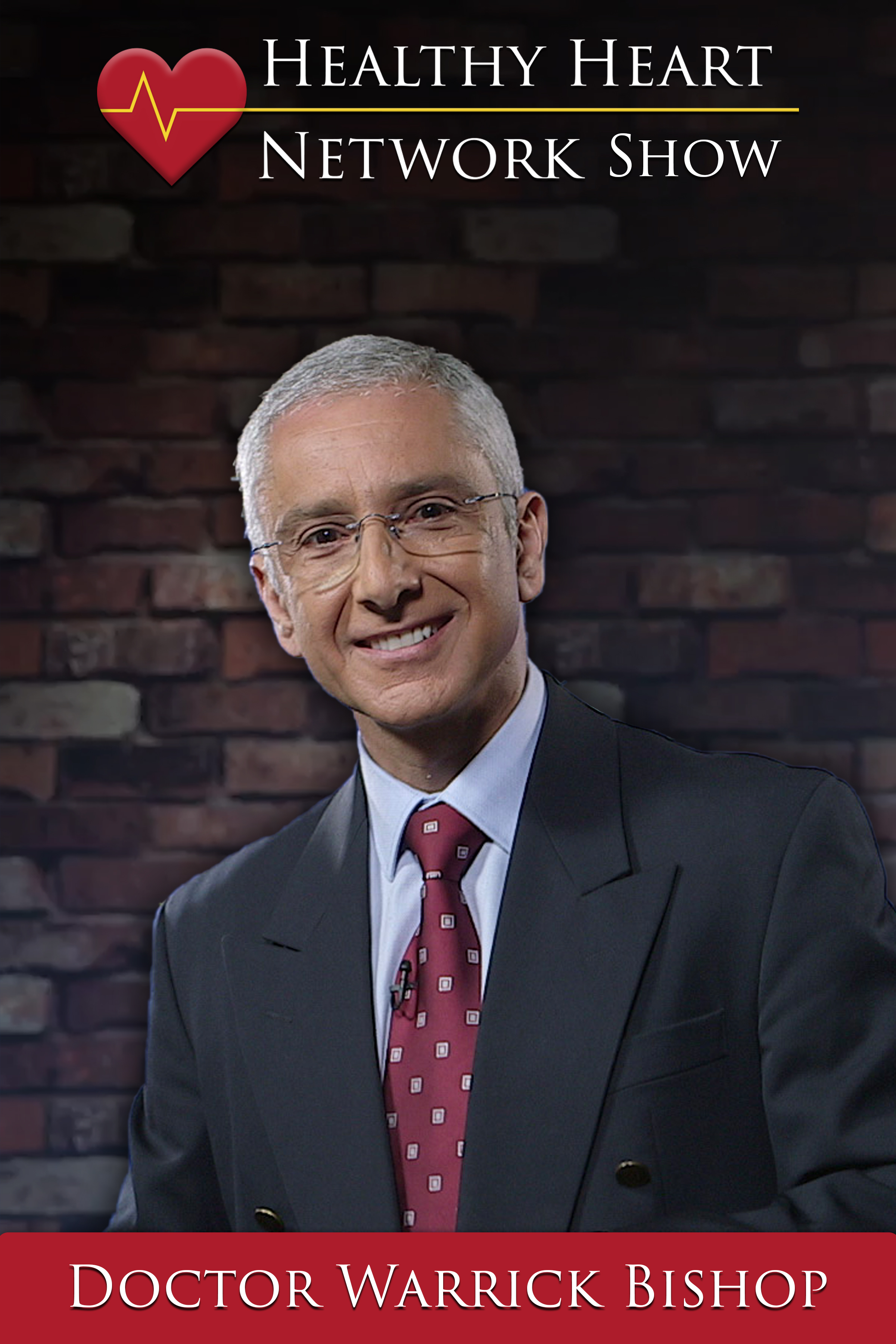
Welcome to my podcast, I am Doctor Warrick Bishop, and I want to help you to live as well as possible for as long as possible. I’m a practising cardiologist, best-selling author, keynote speaker, and the creator of The Healthy Heart Network. I have over 20 years as a specialist cardiologist, a private practice of over 10,000 patients.

Australia, like the rest of the western world, has a heart problem.

Over 9 million people around the world die from heart disease every year.

Every 10 minutes, someone in Australia suffers a heart attack. And 21 lives are lost daily because of it.

The devastating fact in all this is… 

Almost every one of those cases could have been prevented. 

This podcast is for anyone who wants to improve their health literacy and gain information to help them make the best decisions about their risk of heart attack, their cholesterol, blood pressure, risk of diabetes, weight loss and general health. Join me on my personal mission journey to prevent Heart Attack on a global scale. If you like this podcast I would be honoured with a 5-star review and let your friends and family know, you may even save the life of someone you love!

Episodes

EP268: Talking Blood Thinners

Welcome to my podcast. I am Doctor Warrick Bishop, and I want to help you to live as well as possible for as long as possible. I’m a practising cardiologist, best-selling author, keynote speaker, and the creator of The Healthy Heart Network. I have over 20 years as a specialist cardiologist and a private practice of over 10,000 patients. Podcast Episode Summary Introduction Dr. Warrick Bishop, a cardiologist, author, and CEO of the Healthy Heart Network, hosts this episode focused on blood thinners and anticoagulation therapy. With heart disease claiming one Australian life every 20 minutes, Dr. Bishop aims to educate listeners on critical medications that prevent heart attacks and strokes. This episode provides practical guidance on when blood thinners are needed, which types are appropriate for different conditions, and important considerations around their use and discontinuation. Key Takeaways: Anti-platelet agents (aspirin, clopidogrel, prasugrel) are critical for managing atherosclerosis by reducing clot formation in arteries and preventing heart attacks and strokes. Patients requiring stent implantation typically need dual antiplatelet therapy for up to a year, with the duration and specifics determined by the interventionalist who placed the stent. Warfarin remains the superior choice for two specific conditions: rheumatic heart disease with mitral stenosis and atrial fibrillation, and mechanical heart valves, where NOACs have not demonstrated equivalent effectiveness. Non-vitamin K oral anticoagulants (NOACs) are the preferred first-line treatment for non-valvular atrial fibrillation, offering equal or greater effectiveness than warfarin with better convenience and fewer side effects. NOACs work rapidly and are highly effective for treating pulmonary embolus (PE) and deep vein thrombosis (DVT), with therapeutic levels achieved quickly. Decisions to stop anticoagulation before surgery should never be made unilaterally but require a three-way conversation between the patient, cardiologist, and surgeon to weigh bleeding risks against clot formation risks. Stopping dual antiplatelet therapy post-stent must be guided by the original interventionalist, as individual patient factors and procedural nuances may warrant longer or shorter treatment duration than standard protocols. Pre-surgical anticoagulation management requires documented informed consent discussions with patients to ensure they understand that no zero-risk position exists when reducing anticoagulation. Read more

EP267: Body and Soul with Al Horscroft Part 3

Welcome to my podcast. I am Doctor Warrick Bishop, and I want to help you to live as well as possible for as long as possible. I’m a practising cardiologist, best-selling author, keynote speaker, and the creator of The Healthy Heart Network. I have over 20 years as a specialist cardiologist and a private practice of over 10,000 patients. Episode Summary Dr. Warwick Bishop hosts Alistair Horscroft, CEO of the Mind Academy and "street philosopher," in part three of their discussion series. This episode explores the relationship between personal change, different philosophical drivers of human behavior, and how individuals rebuild happiness and meaning after life-altering health crises. Building on previous conversations about habit change and brain associations, they now examine how people with different core motivations—pleasure, power, meaning, or knowledge—respond to and recover from major health events. Key Takeaways: Happiness is not achieved by directly pursuing it, but rather emerges as a byproduct of living according to meaning, power, knowledge, or consciousness—different people have different core drivers. Four fundamental human motivations shape behavior: will to pleasure (comfort and satisfaction), will to power (self-control and mastery), will to meaning (Viktor Frankl's philosophy), and will to consciousness/knowledge (understanding oneself, others, and life). When faced with life-threatening crises, the last human freedom is the ability to choose one's attitude toward the situation, regardless of external circumstances. Amore Fatigue (loving one's fate) requires accepting and owning your entire past history, embracing the present moment, and committing to whatever future unfolds—this creates psychological resilience during trauma. Mindset is not passive meditation or wishful thinking; it requires actively engaging with struggle, taking immediate small actions, and building momentum through consistent effort even when difficult. After major health events, the medical system often fixes the "car" (the body) but fails to address the "driver" (psychological and emotional wellbeing)—personal responsibility is required for this recovery. Peak human experiences occur when individuals feel "on track" with themselves and life; increasing actualization leads to more frequent experiences of alignment and fulfillment. Different paths to happiness mean there is no one-size-fits-all guidance for recovery; individuals must identify their core driver and align their recovery strategy accordingly. Immediate action and progressive challenge (like Horscroft's daily stationary bike sessions post-embolism) creates physiological and psychological momentum that meditation alone cannot achieve. Read more

EP266: Body and Soul with Al Horscroft Part 2

Welcome to my podcast. I am Doctor Warrick Bishop, and I want to help you to live as well as possible for as long as possible. I’m a practising cardiologist, best-selling author, keynote speaker, and the creator of The Healthy Heart Network. I have over 20 years as a specialist cardiologist and a private practice of over 10,000 patients. Podcast Summary Introduction Dr. Warrick Bishop, a cardiologist, author, and CEO of the Healthy Heart Network, hosts this episode featuring Alistair Horscroft (Al), CEO of the Mind Academy and self-described "street philosopher." This is part two of their conversation, continuing their discussion on habits, behavior change, and the psychological frameworks needed to help people successfully alter behaviors like eating, smoking, and exercise patterns. Key Takeaways: The current psychological model of the mind-brain connection is limited because it only applies to approximately 3% of the world's population—those who don't believe in life after death—while 96-97% of people hold beliefs in something beyond physical existence that psychology doesn't address. Habit change requires addressing two distinct levels: the brain's associational mechanism (how we link pain and pleasure) and the mind's meaning-making system (the deeper beliefs and significance we attach to behaviors). Visualization techniques can effectively alter brain associations by changing how we represent habits—making cravings appear black and white, flat, and distant rather than bright, colorful, and attractive reduces their appeal to the brain. Successful habit change requires a synthesis of both associational and meaning-based approaches; therapists focusing only on one level (such as desensitization for phobias without addressing meaning) will have limited success. Most behavioral habits carry deep psychological meanings beyond simple association—such as Coca-Cola representing childhood love, acceptance, connection, or rewards—that must be identified and addressed. Psychology, medicine, spirituality, and philosophy have become fragmented, compartmentalized fields rather than synthesized approaches, when human beings require holistic, integrated solutions that combine the best of all information. Identifying the specific meanings individuals attach to their habits is not overly complex and can be done through skilled questioning and conversation that builds awareness. Current professional training programs (psychology degrees, certifications) may be longer than necessary, and people often learn what they truly need in a fraction of the prescribed time through focused, practical experience. Read more

EP265: Body and Soul with Al Horscroft Part 1

Welcome to my podcast. I am Doctor Warrick Bishop, and I want to help you to live as well as possible for as long as possible. I’m a practising cardiologist, best-selling author, keynote speaker, and the creator of The Healthy Heart Network. I have over 20 years as a specialist cardiologist and a private practice of over 10,000 patients. Podcast Summary Introduction Dr. Warrick Bishop, a cardiologist and CEO of the Healthy Heart Network, interviews Alistair Horsecroft, CEO of the Mind Academy and self-described "street philosopher." The episode explores the critical mind-body connection in health, with Dr. Bishop focusing on physical cardiovascular health while Alistair addresses the psychological and spiritual dimensions of wellbeing. The conversation centers on how understanding both components is essential for truly helping people live well. Key Takeaways: The mind and body cannot be separated; effective health interventions must address both physical and psychological/spiritual dimensions of human wellbeing. Resolving anxiety, depression, or other mental health symptoms alone is insufficient if a person still experiences existential crisis or lack of life purpose and direction. Early childhood indoctrination into rigid spiritual or philosophical traditions without consent can constitute psychological and spiritual abuse, even when presented as enlightened education. Resilience and survival through difficult childhood experiences is the true heroism—not future aspirations—and this younger self deserves recognition and gratitude. Professional mental health treatment, while sometimes helpful, may be inadequate for individuals seeking deeper existential answers and philosophical meaning alongside symptom relief. The separation of psychology from philosophy 200 years ago had both advantages (focused research) and disadvantages (loss of holistic human understanding). The Mind Academy synthesizes practical psychological tools with philosophical guidance to address both symptom resolution and existential/spiritual fulfillment simultaneously. Personal crisis and "hitting bottom" can serve as a necessary catalyst for meaningful life change and self-directed transformation when faced authentically. Read more

EP264: All About Hormone Replacement

Welcome to my podcast. I am Doctor Warrick Bishop, and I want to help you to live as well as possible for as long as possible. I’m a practising cardiologist, best-selling author, keynote speaker, and the creator of The Healthy Heart Network. I have over 20 years as a specialist cardiologist and a private practice of over 10,000 patients. Episode Summary Episode 264: All About Hormone Replacement Therapy Dr. Warwick Bishop, a cardiologist and CEO of the Healthy Heart Network, hosts Dr. V, an OBGYN from North Carolina with over 20 years of clinical experience. This episode explores hormone replacement therapy (HRT) for women transitioning through menopause, focusing on cardiovascular risks, appropriate candidates, and the evolution of medical understanding following the landmark Women's Health Initiative study. Key Takeaways: The Women's Health Initiative study (early 2000s) initially showed increased heart attack and stroke risk in HRT users, but later analysis revealed the studied population was older with pre-existing cardiovascular risk factors, leading to more nuanced recommendations. HRT should only be used at the lowest effective dose for the shortest duration necessary, typically during perimenopause and early menopause when symptoms are most severe, not as long-term preventive therapy. Women with a history of heart attack, stroke, or clotting disorders (DVT/PE) are not candidates for HRT due to increased cardiovascular and thromboembolic risks. Lifestyle interventions, particularly regular exercise, significantly reduce the severity of menopausal symptoms like hot flashes, potentially reducing the need for HRT altogether. HRT candidates are women experiencing moderate to severe symptoms such as debilitating hot flashes, night sweats disrupting sleep, or significant mood changes (anxiety/depression) during perimenopause. Vaginal estrogen therapy for symptoms like vaginal dryness is preferable to systemic HRT because it delivers medication locally without exposing the entire body to estrogen. While HRT can support bone density, it is not first-line therapy for osteoporosis; other medications with fewer risk factors are available and preferred. Resuming HRT after discontinuing it for over one year carries increased risks and is generally not recommended, making timing of initiation critical. The dosage in HRT is significantly lower than in birth control pills, and some women who cannot take oral contraceptives may be candidates for low-dose HRT under close medical supervision. Treatment decisions must be highly individualized and customized through collaboration with an OBGYN, balancing symptom relief against cardiovascular, thrombotic, and cancer risks specific to each patient. Read more

EP263: An Exciting New Approach to Sepsis

Welcome to my podcast. I am Doctor Warrick Bishop, and I want to help you to live as well as possible for as long as possible. I’m a practising cardiologist, best-selling author, keynote speaker, and the creator of The Healthy Heart Network. I have over 20 years as a specialist cardiologist and a private practice of over 10,000 patients. Episode Summary Dr. Warwick Bishop, a cardiologist, author, and CEO of the Healthy Heart Network, hosts this episode focused on a revolutionary new approach to diagnosing sepsis (blood infections). With sepsis affecting 1.7 million people annually in the United States and causing 350,000 deaths, Dr. Bishop discusses an exciting emerging technology that could dramatically reduce diagnosis time and improve patient outcomes in this life-threatening condition. Key Takeaways: Sepsis (blood infections) is a critical global health problem affecting 1.7 million people annually in the US alone, with 350,000 deaths, making rapid diagnosis essential. Traditional blood culture methods require 24-48 hours to identify bacteria and determine antibiotic susceptibility, creating dangerous delays in treatment for septic patients. A new technology dries whole blood samples into a porous solid structure, enabling rapid DNA analysis to identify specific bacterial pathogens without waiting for cultures to grow. The innovative technique can identify bacteria within 2.5 hours using just one milliliter of blood, providing critical information for immediate treatment decisions. The technology has demonstrated proof of concept with multiple dangerous pathogens including MRSA, methicillin-susceptible Staphylococcus aureus, E. coli, and the fungal species Candida albicans. While the new method cannot yet test antibiotic susceptibility through bacterial growth, knowledge of the specific pathogen allows clinicians to prescribe targeted initial therapy based on known resistance patterns. This technology could be a "game changer" that saves lives by enabling rapid pathogen identification and allowing doctors to refine treatment based on subsequent traditional culture results. Dr. Bishop anticipates the technology will become increasingly common in clinical practice and expects it to complement rather than replace traditional blood cultures. Read more

EP262: What About Cold Exposure?

Welcome to my podcast. I am Doctor Warrick Bishop, and I want to help you to live as well as possible for as long as possible. I’m a practising cardiologist, best-selling author, keynote speaker, and the creator of The Healthy Heart Network. I have over 20 years as a specialist cardiologist and a private practice of over 10,000 patients. Episode Summary Introduction Dr. Warwick Bishop, a cardiologist, author, and CEO of the Healthy Heart Network, hosts this episode exploring cold exposure and its potential health benefits. With heart attacks occurring nearly every 10 minutes in Australia and over 9 million people affected globally, Dr. Bishop focuses on evidence-based strategies to prevent cardiovascular disease and improve overall health. Today's episode examines the science behind cold water immersion and cold exposure practices, including their metabolic and cardiovascular effects supported by a systematic review of over 100 studies. Key Takeaways: Cold exposure activates brown fat (metabolically active fat) in the body, which generates heat and burns calories, contrasting with white fat that accumulates with poor diet and exercise habits. Regular cold exposure improves insulin sensitivity and reduces insulin levels, benefiting both experienced and inexperienced practitioners regardless of their familiarity with the practice. Cold water immersion triggers a cardiovascular stress response that elevates heart rate, functioning as a complementary addition to regular exercise routines. Scientific evidence shows cold exposure leads to improved cardiovascular health outcomes including lower blood pressure, better blood sugar control, and reduced cholesterol levels. Ice baths can enhance immune function, reduce inflammation, ease pain, and accelerate recovery—benefits widely utilized by elite athletes post-competition. Cold water swimming and winter swimming participants report psychological benefits including improved mood, mental clarity, and increased sense of well-being due to feel-good chemical release in the brain. Beginners should gradually ease into cold exposure rather than diving straight into extreme practices, starting with 30-60 seconds of cold water at the end of showers applied to the back where brown fat reserves are located. Cold exposure doesn't require water or extended duration; even brief exposure to cold air on a winter day may provide similar physiological benefits. Medical consultation is recommended before starting cold exposure practices to rule out contraindications, especially for those with existing health conditions. Read more

EP261: Walking and Weights

Welcome to my podcast. I am Doctor Warrick Bishop, and I want to help you to live as well as possible for as long as possible. I’m a practising cardiologist, best-selling author, keynote speaker, and the creator of The Healthy Heart Network. I have over 20 years as a specialist cardiologist and a private practice of over 10,000 patients. Podcast Summary Introduction Dr. Warrick Bishop, a cardiologist, author, and CEO of the Healthy Heart Network, hosts this episode focused on the critical importance of exercise for aging adults. The episode examines research from a major cancer screening trial involving nearly 100,000 participants that demonstrates the cardiovascular and mortality benefits of combining weightlifting with aerobic exercise. Bishop emphasizes that heart disease is preventable through evidence-based lifestyle strategies, with the goal of helping people live well for as long as possible. Key Takeaways Weightlifting alone reduces all-cause mortality risk by approximately 9-10% in older adults (ages 55-74) Aerobic exercise meeting current guidelines (30 minutes of brisk walking daily or 75-150 minutes per week) reduces all-cause mortality risk by approximately 32% Combining both weightlifting (1-2 times per week) and aerobic exercise reduces all-cause mortality risk by 40%, demonstrating completely additive benefits The benefits of strength training and aerobic fitness extend beyond heart health to maintaining independence, enabling daily activities like climbing stairs and carrying shopping Muscle strength work is essential for preventing frailty and maintaining functional ability as we age The study relied on self-reported exercise data without specification of weightlifting intensity, limiting clarity on what type of strength training provides optimal benefits Adults who engaged in neither aerobic exercise nor weightlifting experienced the highest rates of all-cause mortality Potential confounding factors exist, as people who exercise may also have better overall health habits and motivation regarding diet and health management Read more

EP260: Vitamins vs Cocoa

Welcome to my podcast. I am Doctor Warrick Bishop, and I want to help you to live as well as possible for as long as possible. I’m a practising cardiologist, best-selling author, keynote speaker, and the creator of The Healthy Heart Network. I have over 20 years as a specialist cardiologist and a private practice of over 10,000 patients. Podcast Summary Introduction: Dr. Warrick Bishop, a cardiologist, author, and CEO of the Healthy Heart Network, hosts this episode focused on brain health and cognitive function in aging. The episode examines findings from the COSMOS Mind study, a three-year clinical trial involving over 2,200 participants aged 65+ that investigated whether vitamins, minerals, and cocoa could benefit cognitive function in older adults. Key Takeaways: The COSMOS Mind study found that multivitamin and mineral supplements showed measurable cognitive benefits in older adults, while cocoa did not demonstrate significant improvement. The distinction between cacao (raw, less refined) and cocoa (heat-treated) is important, as heat treatment alters the chemical compounds that may provide cognitive benefits. The study may have tested the wrong form of chocolate; using cacao (the less processed form) rather than cocoa might have yielded different results due to greater active ingredient content. Individual nutrient deficiencies are common in aging populations with comorbidities like diabetes, renal impairment, or cardiovascular disease, making supplementation potentially beneficial. Single-intervention studies may miss the broader picture of cognitive health, as multiple factors contribute simultaneously to brain function. A holistic approach combining multivitamins, cacao, fish oil, regular aerobic exercise, resistance training, and meditation likely provides better cognitive protection than any single intervention. Fish oil, Australia's most consumed supplement, was not examined in this study despite potential cognitive benefits and previous positive evidence. The temptation to create headlines from single interventions can obscure the importance of comprehensive lifestyle strategies for healthy aging. Read more

EP259: Is There a Best Way to Time Your Eating?

Welcome to my podcast. I am Doctor Warrick Bishop, and I want to help you to live as well as possible for as long as possible. I’m a practising cardiologist, best-selling author, keynote speaker, and the creator of The Healthy Heart Network. I have over 20 years as a specialist cardiologist and a private practice of over 10,000 patients. Podcast Episode Summary Introduction Dr. Warrick Bishop, a cardiologist, author, and CEO of the Healthy Heart Network, hosts this episode focused on the timing of eating and restricted eating patterns. The episode explores recent research examining how meal timing and fasting windows affect cardiovascular health, blood pressure, weight management, and overall metabolic function. Bishop discusses both the scientific findings from studies on shift workers and his personal experience with time-restricted eating over the past six to nine months. Key Takeaways: Eating later in the day slows calorie burning and causes fat tissue to retain more energy, increasing risks for obesity, hypertension, and diabetes. A 10-hour eating window (fasting for 14 hours daily) demonstrated measurable improvements in blood pressure, blood sugar levels, weight loss, and cholesterol particle size in firefighters studied. Restricted eating patterns may improve the body's efficiency in energy utilization by giving it extended fasting periods between meals. Early meal consumption is associated with better satiety levels, likely due to leptin hormone production, which signals fullness to the brain. Dr. Bishop practices a 16-hour fasting window (eating only between midday and 8 p.m.), which he credits with maintaining weight stability as he ages. Restricted eating appears to improve gut microbiome health and reduce gut permeability, which may decrease systemic inflammation throughout the body. Dr. Bishop personally observed significant improvement in hand arthritis inflammation after six months of time-restricted eating, though notes this is an observation rather than proven cause-and-effect. When Dr. Bishop temporarily abandoned his eating schedule during travel, his arthritis symptoms returned within a week, suggesting a direct link between fasting practices and inflammation reduction. The benefits of fasting may be more accurately attributed to gut health stabilization rather than the vague concept of "detoxification" or "toxin removal." The research validates recommending time-restricted eating and earlier meal completion (before 8 p.m.) to patients seeking weight management, improved energy, clearer thinking, and reduced inflammation. Read more