Heart Attacks are Preventable!

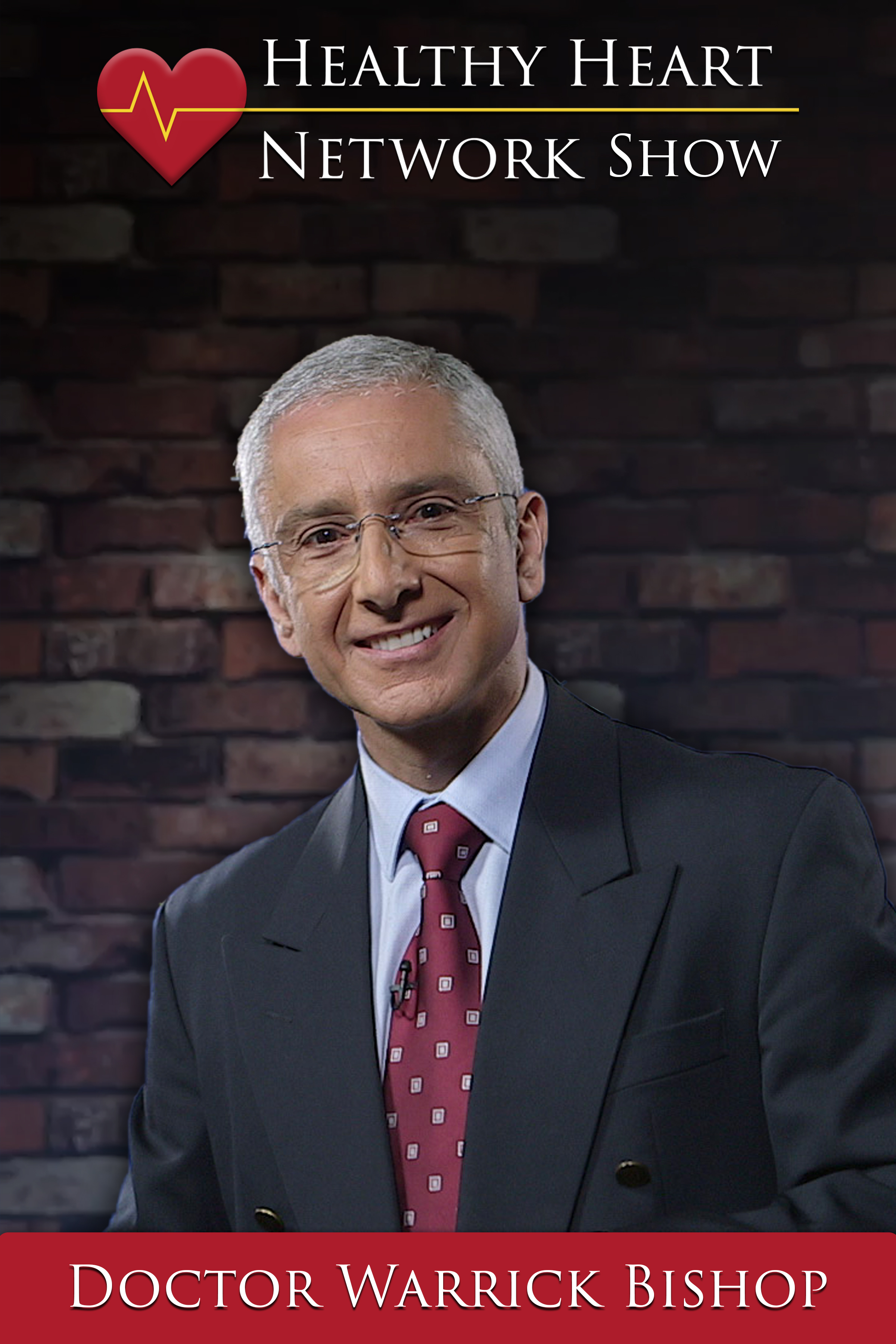
Welcome to my podcast, I am Doctor Warrick Bishop, and I want to help you to live as well as possible for as long as possible. I’m a practising cardiologist, best-selling author, keynote speaker, and the creator of The Healthy Heart Network. I have over 20 years as a specialist cardiologist, a private practice of over 10,000 patients.

Australia, like the rest of the western world, has a heart problem.

Over 9 million people around the world die from heart disease every year.

Every 10 minutes, someone in Australia suffers a heart attack. And 21 lives are lost daily because of it.

The devastating fact in all this is… 

Almost every one of those cases could have been prevented. 

This podcast is for anyone who wants to improve their health literacy and gain information to help them make the best decisions about their risk of heart attack, their cholesterol, blood pressure, risk of diabetes, weight loss and general health. Join me on my personal mission journey to prevent Heart Attack on a global scale. If you like this podcast I would be honoured with a 5-star review and let your friends and family know, you may even save the life of someone you love!

Episodes

EP248: About Cholesterol with Mining HQ

Welcome to my podcast. I am Doctor Warrick Bishop, and I want to help you to live as well as possible for as long as possible. I’m a practising cardiologist, best-selling author, keynote speaker, and the creator of The Healthy Heart Network. I have over 20 years as a specialist cardiologist and a private practice of over 10,000 patients. Podcast Summary Introduction Dr. Warrick Bishop is a practicing cardiologist, bestselling author, keynote speaker, and CEO of the Healthy Heart Network who is on a mission to prevent heart attacks and improve global health literacy. In this episode, Dr. Bishop discusses cholesterol management and heart disease prevention, emphasizing that nearly half of all heart attacks occur without prior warning signs. The conversation explores practical strategies for assessing heart risk and taking proactive steps to avoid becoming a heart attack statistic. Key Takeaways: Cholesterol is a naturally occurring compound essential for cell walls, vitamin transport, and hormone production, but can accumulate dangerously in coronary arteries. Approximately 40% of heart attacks occur in arteries that were not narrowed before plaque rupture, meaning many people have no prior warning signs of arterial buildup. It's crucial to distinguish between association and causation in heart disease risk factors—people who do everything right can still have heart attacks, and vice versa. Regular monitoring of cholesterol, blood pressure, diet, exercise, and smoking status are important preventive measures, though they don't guarantee protection. The coronary artery calcium score scan is a non-invasive diagnostic tool that removes guesswork from personal heart risk assessment. The Virtual Heart Check online platform allows Australians to answer screening questions and access affordable coronary calcium scans ($300) at major centers without multiple doctor visits. Individuals with clear calcium scans should repeat the test every five years while maintaining healthy lifestyle habits. Those with positive scan results gain actionable information to work with their GP and implement risk-mitigation strategies. Dr. Bishop's Healthy Heart Network offers affordable lifetime access ($5) to heart health education and risk assessment resources. Dr. Bishop produces over 200 podcasts covering diverse health topics and is available on all major platforms including Spotify and Apple Podcasts. Read more

EP247: Future Directions With Valves and the Aorta

Welcome to my podcast. I am Doctor Warrick Bishop, and I want to help you to live as well as possible for as long as possible. I’m a practising cardiologist, best-selling author, keynote speaker, and the creator of The Healthy Heart Network. I have over 20 years as a specialist cardiologist and a private practice of over 10,000 patients. Podcast Summary Introduction Dr. Warrick Bishop, a cardiologist, author, and CEO of the Healthy Heart Network, hosts this episode focused on newer management strategies for heart valves. With heart disease affecting over 9 million people globally and claiming over 20 lives per day in Australia, Dr. Bishop emphasizes that most cases could be prevented with proper knowledge and early intervention. This episode explores cutting-edge approaches to valve disease and aortic management that represent a significant shift toward earlier, preventative treatment. Key Takeaways: Echocardiograms (heart ultrasounds) should be performed on new patients who've never had one to detect valve problems early, as they reveal issues that might otherwise go unnoticed. Approximately 1% of people have bicuspid aortic valves (two leaflets instead of three), which can wear out, require replacement, and are associated with aortic dilation. The medical field is shifting toward treating aortic stenosis earlier than historically practiced, as data shows patients with moderate to severe stenosis experience poor outcomes due to prolonged left ventricle stress and deconditioning. Transcutaneous (through-the-leg) approaches for valve repair, particularly for the tricuspid valve, offer less invasive alternatives to traditional cardiac surgery and represent a growing frontier in cardiology. Early intervention for tricuspid valve problems prevents right heart deconditioning, which causes dangerous liver damage and overall bodily deconditioning from blood congestion. The PEARS procedure (Personalized External Aortic Root Support) wraps a Dacron mesh around the aorta without bypass surgery, enabling preventative surgery at 45mm diameter rather than waiting until dangerous dilation reaches 50-55mm. Bicuspid aortic valves and connective tissue conditions like Marfan's and Ehlers-Danlos syndrome are associated with aortic dilation and require monitoring. The "Goldilocks spot" for valve intervention is shifting earlier, meaning optimal timing for surgery now occurs before severe decompensation, improving patient outcomes significantly. Patients with any valve abnormality must maintain consistent cardiology follow-ups, as treatment strategies and available technologies are rapidly evolving. Read more

EP246: Beta Blockers, Asprin, Hot Days, and Risk of Heart Attack

Welcome to my podcast. I am Doctor Warrick Bishop, and I want to help you to live as well as possible for as long as possible. I’m a practising cardiologist, best-selling author, keynote speaker, and the creator of The Healthy Heart Network. I have over 20 years as a specialist cardiologist and a private practice of over 10,000 patients. Podcast Summary Introduction Dr. Warrick Bishop, a cardiologist, author, keynote speaker, and CEO of the Healthy Heart Network, hosts this episode focused on an important health intersection: the potential risks of taking cardiovascular medications (antiplatelet drugs and beta blockers) during hot weather. The episode discusses research findings from Germany showing elevated heart attack risk in patients on these medications during extreme heat days, while emphasizing that stopping medications is not the solution. Key Takeaways Heart attacks claim approximately one life every 10 minutes in Australia and over 20 deaths daily, with many cases being preventable through proper knowledge and risk reduction strategies. Research from a 10-15 year German study of nearly 2,500 patients found that people taking antiplatelet medications (aspirin, clopidogrel) or beta blockers faced increased heart attack risk on days exceeding the 95th percentile temperature for that time of year. Beta blockers work by inhibiting the sympathetic nervous system (fight-or-flight response), which may impair the body's natural heat dissipation mechanisms, including skin vasodilation needed to cool the body effectively. The study's key message was not to stop taking these medications, but rather to exercise caution and heightened awareness on extremely hot days if you are at cardiovascular risk. Patients on cardiovascular medications should avoid strenuous outdoor activity during particularly hot weather and instead break up activities with shade, rest, and adequate hydration. The research controlled for multiple confounding variables to establish that the increased risk was related to the medications themselves, not simply as a marker of sicker patients. Individuals can assess their personal heart attack risk through virtual heart checks at www.virtualheartcheck.com.au to understand their specific cardiovascular vulnerability. Read more

EP245: What's The Deal With Grass-fed Beef and Butter?

Welcome to my podcast. I am Doctor Warrick Bishop, and I want to help you to live as well as possible for as long as possible. I’m a practising cardiologist, best-selling author, keynote speaker, and the creator of The Healthy Heart Network. I have over 20 years as a specialist cardiologist and a private practice of over 10,000 patients. Podcast Summary Introduction Dr. Warrick Bishop, a cardiologist, author, and CEO of the Healthy Heart Network, hosts this episode to explore the health benefits of grass-fed beef and butter compared to their grain-fed counterparts. With nearly one heart attack occurring every 10 minutes in Australia and many being preventable, Dr. Bishop's mission is to help people understand nutritional choices that can reduce cardiovascular risk and improve overall health on a global scale. Key Takeaways: Grass-fed beef contains approximately two-thirds the fat of grain-fed beef, which could reduce annual caloric intake by about 17,000 calories (equivalent to nearly a week's worth of food) for someone eating 65 pounds of beef yearly. Switching from grain-fed to grass-fed beef could result in approximately 6 pounds of weight loss per year without other dietary changes. Grass-fed beef has a superior omega-6 to omega-3 ratio of 0.16:1 (more omega-3 than omega-6), compared to grain-fed beef at over 20:1, which better aligns with the ideal 2-4:1 ratio needed for cardiovascular health. Grass-fed beef contains higher levels of conjugated linoleic acid (CLA), which may be associated with reduced cancer risk, though evidence is more theoretical than conclusive. Grass-fed beef offers superior nutritional profiles with greater concentrations of vitamins B and D, iron, and carotenoids (which convert to vitamin A). Grass-fed butter contains less saturated fat, more omega-3, higher vitamin K2 (beneficial for bone health), and greater beta-carotene levels compared to conventional butter. Grass-fed beef is less likely to be contaminated with antibiotics or hormones used in feedlot operations, reducing exposure to pharmaceutical residues. Blind taste tests by publications like the Huffington Post showed 100% preference for grass-fed beef, citing better earthy flavors and superior muscle texture. Choosing grass-fed products provides environmental and ethical benefits, giving consumers a "feel-good" factor about their food choices in addition to health advantages. Read more

EP244: Warfarin and Risks

Welcome to my podcast. I am Doctor Warrick Bishop, and I want to help you to live as well as possible for as long as possible. I’m a practising cardiologist, best-selling author, keynote speaker, and the creator of The Healthy Heart Network. I have over 20 years as a specialist cardiologist and a private practice of over 10,000 patients. Podcast Summary Introduction Dr. Warwick Bishop, a cardiologist, author, and CEO of the Healthy Heart Network, hosts this episode dedicated to educating listeners about warfarin and its dangerous drug interactions. With heart disease claiming one life every 20 minutes in Australia and affecting over 9 million people globally, Dr. Bishop emphasizes that most cases are preventable through proper health literacy and understanding medications like warfarin that require careful management. Key Takeaways Warfarin is a blood-thinning medication originally developed as a rat poison in the 1950s and approved for human use by the FDA in the mid-1950s, remaining a critical anticoagulant for decades. Warfarin is still essential for patients with mechanical heart valves, as newer anticoagulants (Xarelto, Eliquis, Pradaxa) have not yet been proven as safe or effective for this specific application. Warfarin works by blocking vitamin K1, which is necessary for the liver to synthesize clotting factors (2, 7, 9, and 10) in the body's coagulation cascade. The drug is metabolized through the liver's P450 system, and many medications including antifungals and antibiotics can interfere with this system, causing warfarin to accumulate dangerously in the body. Warfarin dosing is carefully monitored using the INR (International Normalised Ratio) test, which measures how long blood takes to clot; the target is typically 2.5, meaning blood clots 2.5 times slower than normal. Warfarin interactions can cause INR levels to spike dangerously to 6, 7, 8 or higher, creating risk of spontaneous internal bleeding in the brain, gastrointestinal system, or urinary system—a medical emergency. Patients on warfarin must always inform their doctors about any new medications and ask specifically if they interact with warfarin before taking them. Maintaining a current list of all medications and carrying it with you is essential for quality medical care and preventing dangerous drug interactions. Read more

EP243: Is There a Best Time to Exercise?

Welcome to my podcast. I am Doctor Warrick Bishop, and I want to help you to live as well as possible for as long as possible. I’m a practising cardiologist, best-selling author, keynote speaker, and the creator of The Healthy Heart Network. I have over 20 years as a specialist cardiologist and a private practice of over 10,000 patients. Episode Summary: EP243: Is There a Best Time to Exercise? Dr. Warwick Bishop, a cardiologist, author, and CEO of the Healthy Heart Network, hosts this episode featuring Dr. Eric Bishop discussing research on optimal exercise timing. The episode explores a 12-week cardiovascular fitness study that unexpectedly discovered sex-based differences in how the human body responds to exercise performed at different times of day. The discussion aims to help listeners maximize their fitness results by aligning their exercise routines with their biological responses. Key Takeaways: Women who exercised in the morning showed greater fat loss and muscle gain compared to women who exercised later in the day, though the differences were modest. Men showed no significant difference in fat loss or muscle gain whether they exercised in the morning or evening. Men who exercised in the evening experienced better blood pressure reduction compared to morning exercise. Men who exercised in the evening showed improved cholesterol levels and reported less fatigue than those exercising at other times. Exercising at the same time each day helps regulate circadian rhythm and improves sleep quality. Combining exercise with sun exposure enhances circadian rhythm regulation by influencing melatonin production from the pineal gland, further improving sleep quality. Any consistent exercise routine is beneficial; the key is establishing a regular habit rather than sporadic activity. Women seeking to maximize fat loss and muscle gain may benefit from morning exercise sessions. Men aiming to improve cardiovascular markers (blood pressure and cholesterol) and energy levels may benefit from afternoon or early evening exercise. Read more

EP242: Hangry!

Welcome to my podcast. I am Doctor Warrick Bishop, and I want to help you to live as well as possible for as long as possible. I’m a practising cardiologist, best-selling author, keynote speaker, and the creator of The Healthy Heart Network. I have over 20 years as a specialist cardiologist and a private practice of over 10,000 patients. Episode Summary: "EP242: Hangry!" Dr. Rick Bishop, a cardiologist, author, and CEO of the Healthy Heart Network, explores the scientific reality of being "hangry"—the phenomenon where hunger triggers anger and irritability. Drawing on recent research and personal clinical experiences, Dr. Bishop examines whether the foods we consume influence the intensity of hangry episodes, particularly focusing on the role of carbohydrates and blood sugar stability in mood regulation. Key Takeaways: Hangry is now scientifically validated, with a 21-day study of 64 participants showing a 35% association between hunger and increased anger/irritability. The type of food consumed may significantly influence whether hunger leads to anger, with low-carbohydrate diets potentially preventing mood swings by stabilizing blood sugar levels. Dr. Bishop's personal experience with extended fasting (16-20 hours) on a reduced-carb diet shows minimal irritability, suggesting that stable insulin and glucose levels may buffer against hangry responses. A patient case study demonstrated that switching to a low-carbohydrate diet eliminated the patient's road rage, suggesting dietary changes can have profound effects on mood and emotional regulation. Black butter coffee and minimal food intake (cheese) can sustain focus and energy through extended periods without triggering irritability, challenging the assumption that hunger automatically causes anger. The existing hangry research may not account for dietary composition, leaving an important variable unexplored in understanding the full picture of hunger-related mood changes. Stable blood sugar levels appear to be key to maintaining emotional equilibrium during periods of restricted eating or fasting. Read more

EP241: A Refresher On Stress

Welcome to my podcast. I am Doctor Warrick Bishop, and I want to help you to live as well as possible for as long as possible. I’m a practising cardiologist, best-selling author, keynote speaker, and the creator of The Healthy Heart Network. I have over 20 years as a specialist cardiologist and a private practice of over 10,000 patients. EP241: A Refresher On Stress - Summary Dr. Warwick Bishop, a cardiologist and CEO of the Healthy Heart Network, hosts this episode focused on understanding stress, depression, and anxiety and their profound impact on cardiovascular and overall health. With heart disease claiming one life every 20 minutes in Australia and affecting over 9 million people globally, Dr. Bishop emphasizes that most of these cases could be preventable with proper health knowledge. This episode serves as a refresher on how chronic stress mechanisms work in the body and practical strategies to manage them. Key Takeaways: Depression and anxiety are strongly linked to increased risk of major cardiovascular events, with people suffering from these conditions experiencing worse cardiovascular outcomes. The body has two main stress response systems: the nervous system (sympathetic), which directly tightens blood vessels and increases heart rate, and the hormonal system, which releases adrenaline and cortisol. Chronic stress hormones (adrenaline and cortisol) lead to fluid retention, elevated blood pressure, insulin resistance, and inflammation when sustained over long periods. The human body was evolutionarily designed for short, acute stress responses (like a gazelle fleeing a predator for minutes), not prolonged stress lasting hours, days, or weeks as occurs in modern life. Modern lifestyle stressors—alarm clocks, traffic, work deadlines—keep the sympathetic nervous system continuously elevated, preventing the body from returning to its natural resting state. Chronic stress can impact gene expression through epigenetics, potentially contributing to abnormal cellular division and cancer formation by altering how DNA is converted into proteins. Exercise performed four to six times per week has been shown to be as effective as antidepressants in managing mood and rebalancing the body's energy system. Meditation and mindfulness practices can help reduce stress and anxiety, with the speaker noting personal benefits from recently embracing meditation. Most stress has negative long-term consequences that are difficult to predict, making stress management essential for long-term health. Awareness of your stress levels and consultation with loved ones about your wellbeing are important first steps in managing chronic stress effectively. Read more

EP240: 10 Second Test To Predict Mortality

Welcome to my podcast. I am Doctor Warrick Bishop, and I want to help you to live as well as possible for as long as possible. I’m a practising cardiologist, best-selling author, keynote speaker, and the creator of The Healthy Heart Network. I have over 20 years as a specialist cardiologist and a private practice of over 10,000 patients. Podcast Summary Dr. Eric Bishop, a practicing cardiologist passionate about patient education and heart health, discusses a groundbreaking Brazilian study that reveals a simple 10-second balance test can predict mortality over seven years. The episode explores how this test serves as a surrogate marker for frailty and introduces OsteoStrong, a franchise system Dr. Bishop is launching to help people maintain strength, balance, and independence as they age. Key Takeaways: A simple 10-second single-leg balance test can predict seven-year mortality risk, with those unable to complete it facing a four-fold increase in death rates (17.5% vs. 4.5%). The study, conducted over 15-20 years with 1,700 participants (ages 51-75), found that approximately 50% of 70-year-olds cannot stand on one leg for 10 seconds. The test serves as a surrogate marker for frailty, measuring balance, flexibility, strength, and power—the key components that define aging and health decline. Mortality in those failing the test was from all-cause deaths, including both cardiovascular and cancer-related deaths, not just heart disease. Maintaining balance and strength directly impacts quality of life and independence, helping seniors avoid requiring nursing home care or assisted living. Traditional fitness approaches focus on cardiovascular health, but this research highlights the critical importance of strength and balance training for longevity. OsteoStrong uses specialized machines to improve strength, balance, and bone density in very short, regular workout sessions, functioning as an anti-frailty intervention. Osteoporosis and fractures are major causes of mortality and morbidity in aging populations, making bone strength training essential. Dr. Bishop's philosophy centers on helping people "live as well as possible for as long as possible" through preventive health measures. Read more

EP239: Thinking Risk Factors and Beyond

Welcome to my podcast. I am Doctor Warrick Bishop, and I want to help you to live as well as possible for as long as possible. I’m a practising cardiologist, best-selling author, keynote speaker, and the creator of The Healthy Heart Network. I have over 20 years as a specialist cardiologist and a private practice of over 10,000 patients. Podcast Summary Dr. Warrick Bishop is a practicing cardiologist and passionate health educator who hosts this podcast to help patients understand their heart health through education. In this episode, Dr. Bishop explores often-overlooked cardiovascular risk factors beyond the standard ones like cholesterol, smoking, and blood pressure. He discusses emerging research and practical strategies for identifying and managing these hidden risks to prevent heart disease. Key Takeaways: Lipoprotein(a) is a dangerous cholesterol subfraction with a protein "tail" that increases inflammation and clot formation risk, disproportionately affecting those with early heart attacks and running in families. Testing for lipoprotein(a) currently costs $50-60 out-of-pocket, but Medicare rebates are expected within a few years as new therapeutic interventions targeting this risk factor become available. Inflammation plays a significant role in coronary artery disease, with major trials (JUPITER and CANTOS) demonstrating its impact, though lowering cholesterol remains the primary therapeutic strategy. Colchicine, a gout medication, has shown promise in clinical trials for reducing heart attack risk, representing a potentially affordable anti-inflammatory approach for cardiac patients. Obstructive sleep apnea drives inflammation, endothelial dysfunction, and sympathetic nervous system activation, leading to high blood pressure and atrial fibrillation. Sleep apnea can be initially screened through overnight oxygen saturation tests, and partners' observations about snoring and interrupted breathing are valuable diagnostic clues. Socioeconomic and environmental disparities significantly affect cardiovascular health outcomes, with disadvantaged populations having fewer resources to manage standard risk factors. Diet is rarely included in standard cardiovascular risk calculators despite strong evidence that extra virgin olive oil, nuts, and whole foods reduce heart disease risk. Processed meats, sugar, salt, and trans fats should be minimized, while grass-fed protein sources, fruits, vegetables, and nuts form the basis of a heart-healthy diet. Read more