Heart Attacks are Preventable!

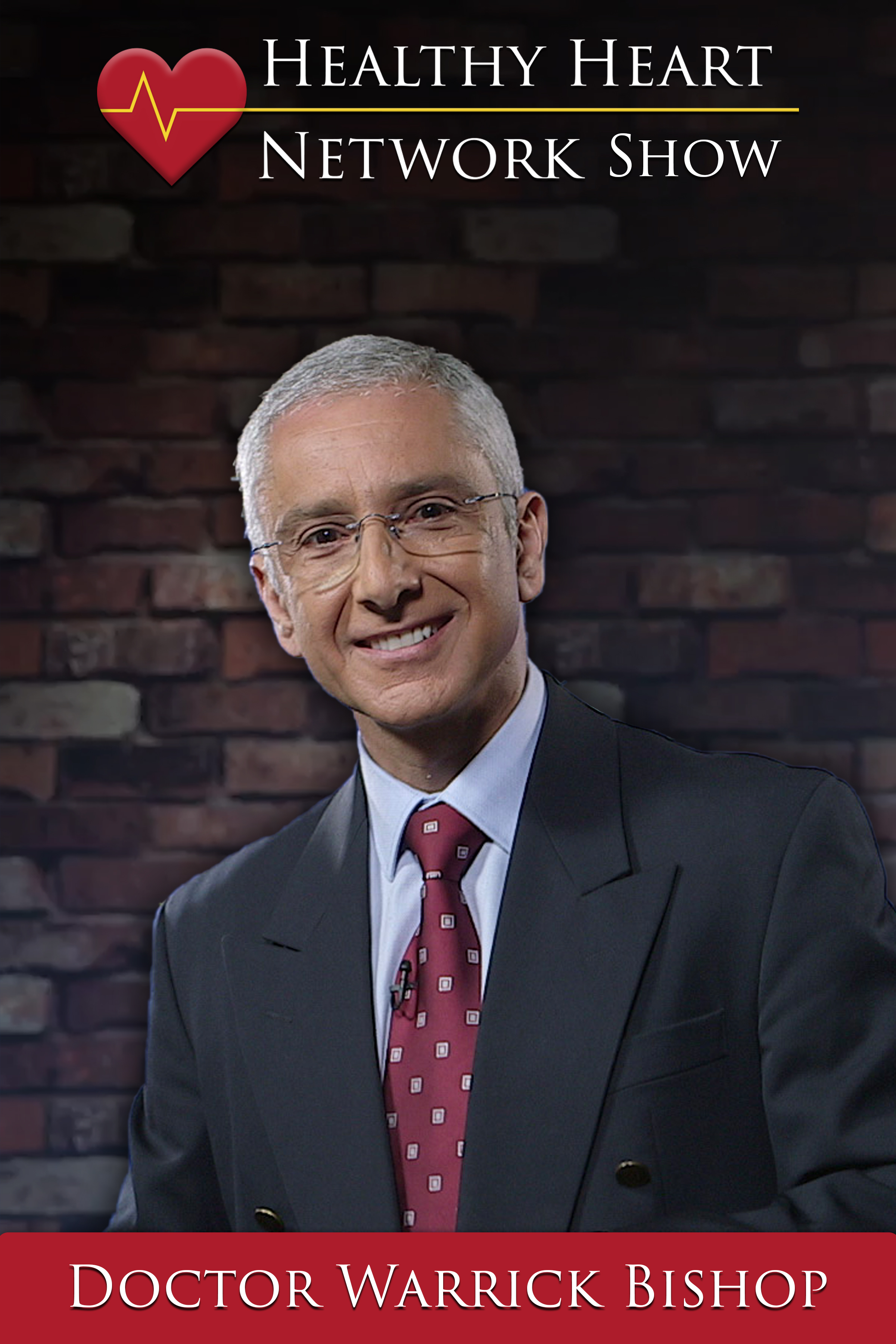
Welcome to my podcast, I am Doctor Warrick Bishop, and I want to help you to live as well as possible for as long as possible. I’m a practising cardiologist, best-selling author, keynote speaker, and the creator of The Healthy Heart Network. I have over 20 years as a specialist cardiologist, a private practice of over 10,000 patients.

Australia, like the rest of the western world, has a heart problem.

Over 9 million people around the world die from heart disease every year.

Every 10 minutes, someone in Australia suffers a heart attack. And 21 lives are lost daily because of it.

The devastating fact in all this is… 

Almost every one of those cases could have been prevented. 

This podcast is for anyone who wants to improve their health literacy and gain information to help them make the best decisions about their risk of heart attack, their cholesterol, blood pressure, risk of diabetes, weight loss and general health. Join me on my personal mission journey to prevent Heart Attack on a global scale. If you like this podcast I would be honoured with a 5-star review and let your friends and family know, you may even save the life of someone you love!

Episodes

EP228: Covid-19 and Arrythmia

Welcome to my podcast. I am Doctor Warrick Bishop, and I want to help you to live as well as possible for as long as possible. I’m a practising cardiologist, best-selling author, keynote speaker, and the creator of The Healthy Heart Network. I have over 20 years as a specialist cardiologist and a private practice of over 10,000 patients. Podcast Summary Dr. Warrick Bishop is a practicing cardiologist who hosts educational podcasts aimed at helping patients understand their heart health. In this episode, Dr. Bishop addresses common questions from patients regarding COVID-19 and its specific implications for those with arrhythmias and other cardiac conditions. The episode focuses on clarifying misconceptions and providing practical guidance for cardiac patients during the pandemic. Key Takeaways: Patients with well-controlled arrhythmias and no other comorbidities are not necessarily at increased risk from COVID-19, as the virus primarily affects those with diminished immunity. Atrial fibrillation in isolation does not significantly increase COVID-19 risk, but when combined with other conditions like hypertension, diabetes, or heart failure, it becomes a marker for higher risk. Ventricular arrhythmias (rhythms from the heart's lower chambers) are more concerning as they typically indicate underlying heart dysfunction and carry increased risk for poor COVID-19 outcomes. Pacemaker patients are not inherently at higher risk from COVID-19 and should utilize remote monitoring options when available to avoid hospital exposure. Patients with defibrillators or cardiac resynchronization devices have compromised left ventricular function and should exercise particular caution due to elevated COVID-19 risk. Current evidence does not support discontinuing ACE inhibitor or angiotensin II blocker medications due to COVID-19 fears, despite theoretical concerns about lung receptor interactions. The hypertension rate observed in severe COVID-19 cases matches the baseline hypertension rate in general populations, suggesting no specific increased risk. The virus can survive up to 72 hours on hard surfaces, 24 hours on soft surfaces, and several hours in the air, making proper hygiene and handwashing essential preventive measures. Soap and alcohol-based products effectively combat the virus due to its lipid coating, as do bleach and peroxide solutions. Read more

EP227: What Are NAFLD and NASH?

Welcome to my podcast. I am Doctor Warrick Bishop, and I want to help you to live as well as possible for as long as possible. I’m a practising cardiologist, best-selling author, keynote speaker, and the creator of The Healthy Heart Network. I have over 20 years as a specialist cardiologist and a private practice of over 10,000 patients. Podcast Summary Introduction Dr. Warrick Bishop is a practicing cardiologist and author dedicated to improving patient care through health education. In this episode, he discusses non-alcoholic fatty liver disease (NAFLD) and its inflammatory progression to non-alcoholic steatohepatitis (NASH), conditions that are becoming increasingly prevalent as they now surpass alcoholic fatty liver disease as the leading cause of liver fat accumulation. Key Takeaways: NAFLD (non-alcoholic fatty liver disease) is fat accumulation in the liver unrelated to alcohol consumption, while NASH represents the inflammatory stage of this disease that can progress to cirrhosis. Morbid obesity is the single biggest driver of NAFLD, and rising obesity rates in communities are directly increasing the incidence of fatty liver disease. Insulin resistance, stemming from obesity or type 2 diabetes, causes a shift in free fatty acid release and accumulation within liver cells, distorting liver architecture and function. Fructose consumption significantly contributes to fatty liver development; while fruit is healthy, excessive fructose from fruit juice, fruit wraps, and processed foods can overload the liver in people at risk. NAFLD often produces no symptoms, but central obesity (fat around the midsection) and abnormal liver enzyme blood tests may indicate fatty liver disease. Progressive liver disease can develop serious complications including cirrhosis, liver failure, itching, bleeding problems, jaundice, and ultimately requires transplantation to survive. Weight reduction is the most critical intervention; Dr. Bishop recommended bariatric surgery for a patient whose dietary efforts failed, resulting in 35+ kilograms of weight loss and improved liver function. Ezetimibe, a cholesterol-lowering medication, has a protective effect on NAFLD through its action on the NCP1L2 receptor and can be used alongside statins. Statins are not detrimental to NAFLD progression and may offer slight protective benefits, contrary to previous concerns. Awareness and early intervention are essential, as NAFLD is an underrecognized obesity complication that will increasingly impact mortality if left unaddressed. Read more

EP226: Dog Therapy and Exercise vs Fish Oil

Welcome to my podcast. I am Doctor Warrick Bishop, and I want to help you to live as well as possible for as long as possible. I’m a practising cardiologist, best-selling author, keynote speaker, and the creator of The Healthy Heart Network. I have over 20 years as a specialist cardiologist and a private practice of over 10,000 patients. Podcast Summary Introduction: Dr. Warrick Bishop is a practicing cardiologist and author dedicated to educating patients about heart health, believing that informed patients receive better care. In this episode, he discusses two recent research studies: one examining dog therapy in emergency departments and another investigating exercise and fish oil supplementation for men at high risk of heart failure. Key Takeaways: A randomized controlled trial from Saskatchewan, Canada demonstrated that just 10 minutes of dog therapy in emergency departments produced clear, measurable reductions in pain and anxiety compared to standard care (100 patients in each arm). Animal-related therapies like dogs and cats show growing evidence of helping patients alleviate anxiety, fears, and concerns, with potential applications beyond emergency departments to hospital wards, day units, and chemotherapy suites. A University of Texas study found that high-intensity interval training significantly improved physical capacity and VO2 max in overweight, hypertensive men at risk for heart failure, but did not result in weight loss. Exercise alone, without dietary changes, is unlikely to produce weight loss even though it provides important cardiovascular benefits; addressing diet is essential for weight management. Fish oil supplementation (1.6 grams of omega-3 fatty acids) showed no measurable benefits in the study, though fish oil may be beneficial for high-risk cardiac patients and those with elevated triglycerides when using specific EPA subfraction. The research supports the principle "sweat it out, don't pill it out"—lifestyle modification through exercise and diet is more effective for high-risk heart failure patients than pharmaceutical supplementation alone. Read more

EP225: Interview With Rob Zecchin—Cardiac Rehabilitation

Welcome to my podcast. I am Doctor Warrick Bishop, and I want to help you to live as well as possible for as long as possible. I’m a practising cardiologist, best-selling author, keynote speaker, and the creator of The Healthy Heart Network. I have over 20 years as a specialist cardiologist and a private practice of over 10,000 patients. Podcast Summary Introduction Dr. Warrick Bishop, a practicing cardiologist and patient education advocate, hosts this episode featuring Rob Zekin, a rehabilitation nurse and president of the New South Wales cardiac rehabilitation organization. With over three decades of experience in cardiac nursing and rehabilitation program development, Rob discusses the critical role of cardiac rehabilitation in helping patients recover physically and psychologically from cardiac events while addressing underrepresented populations and conditions that often lack adequate rehabilitation support. Key Takeaways: Cardiac rehabilitation is an accelerated recovery process—both physical and mental—that provides holistic support including education, medical care, and exercise guidance for patients recovering from cardiac events like heart attacks, stents, or bypass surgery. Exercise is accessible medicine; patients don't need gym memberships or special equipment—simply walking in good shoes can maintain cardiovascular fitness at a beneficial level. Family and community involvement is essential to rehabilitation success, particularly for dietary changes, lifestyle modifications, and identifying genetic cardiac risk in children and siblings of patients with premature cardiac disease. Aboriginal and Torres Strait Islander cardiac rehabilitation programs benefit significantly from culturally tailored approaches, including Aboriginal health workers, evening classes, and family participation rather than individual-only interventions. Women are underrepresented in cardiac rehabilitation despite experiencing gender-specific conditions like spontaneous coronary artery dissection (SCAD) and Takotsubo cardiomyopathy (stress cardiomyopathy) that require specialized psychological and physical support. Individualized treatment is more effective than generic group programs; rehabilitation must account for each patient's starting point, specific cardiac event, type of intervention, and personal circumstances rather than applying one-size-fits-all protocols. Bypass surgery patients show higher program adherence because the visible scar serves as a daily reminder of the need for behavior change, while stent patients are often less compliant because they're told they're "fixed" and underestimate ongoing cardiac risk. Stents provide temporary blood flow improvement, not a permanent cure; patients require ongoing medication, lifestyle modifications, and rehabilitation to prevent clot formation and disease progression. Under-resourced rehabilitation programs limit access through restricted hours, inadequate staffing, and lack of after-hours or weekend availability, preventing working patients from participating despite the clear cost-benefit of preventing future cardiac events. Standard cardiac rehabilitation programs typically last 6-12 weeks (or longer for heart failure patients), with duration determined individually based on the patient's deconditioning level and recovery needs rather than a fixed timeline. Read more

EP224: Knowing What To Eat But Not Eating It—Interview With Sally-Anne Pisk

Welcome to my podcast. I am Doctor Warrick Bishop, and I want to help you to live as well as possible for as long as possible. I’m a practising cardiologist, best-selling author, keynote speaker, and the creator of The Healthy Heart Network. I have over 20 years as a specialist cardiologist and a private practice of over 10,000 patients. Podcast Summary Introduction Dr. Warrick Bishop, a practicing cardiologist and author passionate about patient education in heart health, hosts this episode featuring Sally-Ann Prisk, author and founder of "Eating For You"—an organization dedicated to transforming people's mindset around healthy eating. Together, they explore how emotional conditioning and mindfulness can help people make sustainable, nourishing food choices rather than relying solely on dietary knowledge. Key Takeaways: Most people struggling with eating habits have adequate nutritional knowledge; the real barrier is addressing their beliefs and thoughts about food that prevent lasting change. Food-comfort associations are often formed in childhood through conditioning—for example, receiving sweet treats when hurt or upset creates a lifelong link between discomfort and certain foods. The "Eating For You" approach is based on mindfulness practice, focusing on creating awareness and making conscious choices rather than forming restrictive new habits. Dysfunctional eating patterns can be inherited through behavioral modeling from family members rather than genetics, as children unconsciously adopt their parents' coping mechanisms with food and stress. Mindfulness acts as a "circuit breaker" that creates a pause between emotional triggers and automatic responses, allowing people to question whether they truly need food or something else. The intention of mindfulness practice is not to stay calm all day, but to develop awareness of when the mind has drifted and to quickly recenter and refocus. Daily meditation practice serves as a training ground for mindfulness, helping people learn to focus on one thing before applying the skill to food choices and emotional awareness. Alcohol and cigarette use often cluster with dysfunctional eating patterns as parallel coping mechanisms, requiring the same mindful awareness approach for behavioral change. Sally-Ann's personal experience with grief-related comfort eating, despite her dietitian training and extensive nutritional knowledge, demonstrated that education alone cannot override deeply ingrained emotional eating patterns. Women often experience key health markers during major life transitions like childbirth, menopause, and parenthood, which is why Sally-Ann's work predominantly focuses on women's unique lifestyle and biological experiences. Read more

EP223: Cholesterol Therapy in 2022

Welcome to my podcast. I am Doctor Warrick Bishop, and I want to help you to live as well as possible for as long as possible. I’m a practising cardiologist, best-selling author, keynote speaker, and the creator of The Healthy Heart Network. I have over 20 years as a specialist cardiologist and a private practice of over 10,000 patients. Podcast Summary Dr. Warrick Bishop is a practicing cardiologist and author dedicated to educating patients about heart health. In this episode, he provides a comprehensive update on cholesterol therapy in 2022, addressing the confusion surrounding cholesterol management and discussing current and emerging treatment options. The episode emphasizes that while cholesterol lowering is clearly beneficial for high-risk patients with existing plaque buildup, there remains reasonable debate about preventative treatment in otherwise healthy individuals. Key Takeaways: For high-risk patients who have experienced a heart attack or stroke, lowering cholesterol definitively reduces future cardiovascular risk, and lower cholesterol levels show no clear threshold of being "too low." Statin side effects, particularly muscle aches and pains, occur in 5-15% of patients and are dose-related, meaning higher doses carry greater risk of side effects. Ezetimibe is an underutilized, generic, and affordable medication that works synergistically with statins by binding cholesterol in the gut, providing better cholesterol reduction than higher-dose statin monotherapy. PCSK9 inhibitor monoclonal antibodies (injected fortnightly or monthly) can reduce LDL cholesterol by up to 60% through a different mechanism than statins, offering powerful cholesterol control for high-risk patients. Inclicerene, an mRNA interference drug targeting PCSK9, is nearing completion of clinical trials and offers approximately six months of sustained LDL reduction from a single injection—similar conceptually to a vaccination against heart disease. Bempedoic acid is an emerging therapy that works upstream of statins via a liver-specific pathway, potentially offering an alternative for patients experiencing statin muscle intolerance without affecting muscle tissue. Gene-editing RNA therapy and other novel agents like Evanacumab (angiopoietin-like-3 inhibitor) are in development and represent an exciting future for cholesterol management, with primate studies showing potential for lifelong cholesterol reduction. The broader challenge is that many high-risk patients are not currently meeting cholesterol targets despite available medications, indicating a gap between current treatment options and their actual utilization in clinical practice. Read more

EP222: A Fishy Tail of Confusion

Welcome to my podcast. I am Doctor Warrick Bishop, and I want to help you to live as well as possible for as long as possible. I’m a practising cardiologist, best-selling author, keynote speaker, and the creator of The Healthy Heart Network. I have over 20 years as a specialist cardiologist and a private practice of over 10,000 patients. Podcast Summary Dr. Warrick Bishop, a practicing cardiologist and author, hosts this educational podcast dedicated to helping patients understand heart health. In this episode, Dr. Bishop explores the science behind fish oil supplementation, examining the evidence for its cardiovascular benefits and clarifying the roles of its two main components: EPA (eicosapentaeic acid) and DHA (docosahexaeonic acid). The discussion reveals surprising findings about which forms of fish oil are actually effective and introduces related treatment strategies for high-risk patients. Key Takeaways: Fish oil contains two main active components—EPA and DHA—that are commonly listed on supplement labels, but the evidence for their individual and combined benefits remains unclear. Low-dose fish oil supplements (like standard fish oil tablets) show minimal to no outcome benefit for intermediate-risk individuals, as demonstrated by recent studies. Purified EPA at pharmacological doses (approximately 4 grams daily) has demonstrated dramatic risk reduction in high-risk individuals with elevated triglycerides, as proven by the REDUCE-IT and JELIS trials. Combinations of EPA and DHA have not shown clear outcome benefits in clinical trials, suggesting that mixing the two compounds may negate EPA's beneficial effects, though the mechanism is unknown. Raised triglyceride levels may be a marker for underlying insulin resistance and inflammatory processes, making triglyceride management a key health priority. Phenofibrate (lipidil), a fibrate agent, is highly effective for reducing microvascular complications in diabetic patients, particularly preventing diabetic eye disease and peripheral amputation. Eating whole fish remains a healthy dietary choice, though the interaction between EPA and DHA in natural fish sources has not been studied. High-risk patients with cardiovascular disease, elevated triglycerides, and pre-diabetic or diabetic status should discuss purified EPA supplementation with their healthcare provider. For diabetic patients with raised triglycerides, phenofibrate is considered essential for preserving vision and peripheral circulation to prevent blindness and limb loss. Read more

EP221: Professor David Colquhoun on The Cholesterol Debate

Welcome to my podcast. I am Doctor Warrick Bishop, and I want to help you to live as well as possible for as long as possible. I’m a practising cardiologist, best-selling author, keynote speaker, and the creator of The Healthy Heart Network. I have over 20 years as a specialist cardiologist and a private practice of over 10,000 patients. Podcast Summary Introduction: Dr. Warrick Bishop, a practicing cardiologist and author dedicated to patient education about heart health, hosts this episode featuring Associate Professor David Cahoon, co-president of the Prevention Arm of the Cardiac Society of Australia and New Zealand. The episode discusses a recent debate about the scientific validity of cholesterol management and statin therapy, with Dr. Cahoon representing the evidence-based medical perspective against three prominent figures who challenged conventional cholesterol treatment. Key Takeaways: The "Catalyst" program featuring Marianne de Massey, a non-expert journalist, promoted medically harmful misinformation that led to increased heart attacks, strokes, and mortality when viewers stopped taking statins—demonstrating the dangers of poor science reporting. Ross Walker's claim that only 1 in 19 people need statins lacks scientific evidence and contradicts established research showing that for every 1 millimole reduction in LDL cholesterol, there is a 25% reduction in heart attacks and 20% reduction in strokes. Claims that cholesterol is needed for hormone production misunderstand basic biochemistry; while cholesterol is used for hormones, the body produces excess cholesterol in every cell, and HDL removes waste LDL particles back to the liver for recycling. LDL particles are waste products from the liver's transport of triglycerides and become atherosclerotic only when modified (oxidized, glycosylated) or when inflammation increases endothelial permeability, making lowering LDL levels a valid therapeutic target. Dr. Chaffee, a neurosurgical registrar and bodybuilder without lipid metabolism expertise, inappropriately positioned himself as a cholesterol expert and misquoted the Framingham study, claiming it showed low cholesterol increased coronary artery disease. Inflammation, while an important factor in atherosclerosis, is not the sole driver of plaque formation; over 60 risk factors exist, with five key ones including smoking, anxiety, and depression that increase LDL atherogenicity. Major clinical trials like the Australian Lipid Trial involved independent safety and data monitoring committees that were not corrupt despite pharmaceutical funding; the funding simply covered operational costs, not individual compensation. The Australian MIPA trial was the first in the world to demonstrate that lowering LDL by one millimole per litre decreased total mortality by 3% over six years in patients with average cholesterol levels. Critics like Dr. Malhotra who lack research involvement themselves question the integrity of researchers while offering no independent data, contradicting evidence-based standards. Contemporary statin therapy targets require at least 2 millimole per litre LDL reduction to be considered adequate treatment, and cholesterol discussion should focus on LDL particles rather than general "cholesterol" terminology. Read more

EP220: Pigs May Not Fly, But...

Welcome to my podcast. I am Doctor Warrick Bishop, and I want to help you to live as well as possible for as long as possible. I’m a practising cardiologist, best-selling author, keynote speaker, and the creator of The Healthy Heart Network. I have over 20 years as a specialist cardiologist and a private practice of over 10,000 patients. Episode Summary Dr. Warwick Bishop is a practicing cardiologist and author dedicated to improving patient outcomes through heart health education. In this episode, he discusses the groundbreaking January 2022 pig-to-human heart transplant performed at Maryland Hospital, where the patient remained healthy one month post-surgery. The episode explores the science behind xenotransplantation, the critical challenge of tissue rejection, and why this development represents a potential solution to the severe shortage of human donor organs. Key Takeaways: The first successful pig heart transplant into a human patient in January 2022 was a remarkable scientific achievement, with the patient still doing well at one month post-transplantation. Tissue matching between donor and recipient is critical because the body recognizes foreign cells through complex receptors (similar to blood type markers), and mismatched tissue triggers dangerous immune responses. Cross-species organ transplantation is far more complex than human-to-human transplants because it requires overcoming genetic differences between species. Scientists have successfully developed transgenic pig lines with reduced cell markers that prevent adverse human immune reactions, making them suitable for transplantation. Pigs are ideal donor animals because their heart size and structure are similar to human hearts, addressing a critical medical need. In the US alone, 15-20 people die daily from lack of available donor hearts, making xenotransplantation a potentially life-saving solution. The two major post-transplant risks are organ rejection (complicated by immunosuppressant medications that lower immunity) and infection. Humans have already used animal-derived materials in cardiac care, including pig valves and bovine pericardium valves, establishing precedent for animal-to-human medical applications. Pig heart xenotransplantation may serve as a bridge solution while longer-term alternatives like gene therapy and genetic engineering are developed. Read more

EP219: Obesity, Prediabetes, Diabetes, And Heart Attack Risk

Welcome to my podcast. I am Doctor Warrick Bishop, and I want to help you to live as well as possible for as long as possible. I’m a practising cardiologist, best-selling author, keynote speaker, and the creator of The Healthy Heart Network. I have over 20 years as a specialist cardiologist and a private practice of over 10,000 patients. Podcast Summary Introduction Dr. Warrick Bishop is a practicing cardiologist and author dedicated to improving patient care through heart health education. In this episode, he explores the interconnected issues of obesity, pre-diabetes, and diabetes, with a specific focus on their impact on heart attack risk and cardiovascular disease prevention. The discussion addresses how modern lifestyle factors have contributed to the obesity epidemic and examines both preventive strategies and treatment options available to patients. Key Takeaways: Widespread availability of high-caloric, processed foods combined with increased automation and reduced physical activity has driven the obesity epidemic in developed nations. BMI over 30 significantly increases the risk of atherosclerotic coronary artery disease (heart attacks and strokes), cardiac failure with preserved function, and atrial fibrillation. Prevention begins with awareness and education about the dangers of processed, sugar-enhanced foods, with emphasis on consuming natural, balanced diets including vegetables, meats, and fruits. Successful weight loss requires multiple factors: the individual's genuine desire to change, receiving information converted to actionable knowledge, accountability through regular face-to-face interactions, and coaching-style support with reassurance. Carbohydrate restriction, rather than simple caloric restriction alone, may be particularly valuable for carbohydrate-sensitive or insulin-resistant patients. Pharmacological options including GLP-1 agonists (like liraglutide), sympathomimetics (phenteramine), orlistat, and naltrexone-bupropion can support weight loss efforts when lifestyle modifications alone are insufficient. Bariatric surgery, particularly gastric sleeve surgery, should be considered only as a last resort for severely obese individuals, though it can produce significant and sustained weight loss improvements. Type 2 diabetes comprises 90-95% of all diabetes cases in the community and is closely linked to atherosclerotic cardiovascular disease, though improved primary prevention has reduced cardiovascular event rates in diabetics. Even modest weight loss of 5% or more delivers measurable benefits in blood pressure, cholesterol, and blood sugar levels, plus improved quality of life. Early intervention and prevention of weight gain is far more effective than attempting to reverse significant weight gain later, making continuous monitoring and prompt action essential. Read more