Heart Attacks are Preventable!

Welcome to my podcast, I am Doctor Warrick Bishop, and I want to help you to live as well as possible for as long as possible. I’m a practising cardiologist, best-selling author, keynote speaker, and the creator of The Healthy Heart Network. I have over 20 years as a specialist cardiologist, a private practice of over 10,000 patients.

Australia, like the rest of the western world, has a heart problem.

Over 9 million people around the world die from heart disease every year.

Every 10 minutes, someone in Australia suffers a heart attack. And 21 lives are lost daily because of it.

The devastating fact in all this is… 

Almost every one of those cases could have been prevented. 

This podcast is for anyone who wants to improve their health literacy and gain information to help them make the best decisions about their risk of heart attack, their cholesterol, blood pressure, risk of diabetes, weight loss and general health. Join me on my personal mission journey to prevent Heart Attack on a global scale. If you like this podcast I would be honoured with a 5-star review and let your friends and family know, you may even save the life of someone you love!

Episodes

EP208: Interview With Adrian Lea - Part 1

Welcome to my podcast. I am Doctor Warrick Bishop, and I want to help you to live as well as possible for as long as possible. I’m a practising cardiologist, best-selling author, keynote speaker, and the creator of The Healthy Heart Network. I have over 20 years as a specialist cardiologist and a private practice of over 10,000 patients. Podcast Summary Introduction Dr. Warrick Bishop, a practicing cardiologist and author, hosts this episode with Adrian Lee, a fitness industry professional from Melbourne. The discussion explores the intersection of cardiovascular health and fitness, focusing on how education and practical lifestyle changes help people achieve better health outcomes. Both experts share their perspectives on weight loss, mindset, and the challenges of navigating conflicting health information in modern society. Key Takeaways: Mindset is the foundational first step in any successful health transformation; without the desire to change, no amount of information or tools will be effective. Information and knowledge are fundamentally different—information alone is insufficient; people need guidance to convert information into actionable knowledge through experience and coaching. Social media and popular press often present isolated, out-of-context health snippets (like "blueberries are good") that create confusion and unrealistic expectations rather than promoting genuine lifestyle changes. Health and fitness success ultimately comes down to priorities; everyone has the same 24 hours, but people must choose to prioritize their health over competing demands. Accountability and emotional support from a coach or healthcare provider are critical components of sustained behavior change; people need encouragement when they fail, not punishment. Breaking down health goals into simple, manageable steps prevents overwhelm; attempting too many changes simultaneously leads to failure rather than success. Small wins and building momentum through incremental progress create sustainable habits over time, rather than adopting an "all-or-nothing" mentality. Reducing refined carbohydrate consumption can address metabolic issues including elevated triglycerides, low HDL cholesterol, and central adiposity (belly fat). Real-world transformation stories demonstrate that significant health improvements—including weight loss, increased vitality, and improved quality of life—are possible when patients are ready and receive proper guidance. Until individuals genuinely prioritize their own health as their most valuable resource, meaningful change will not occur. Read more

EP207: Talking Stress With Lisa Nezneski

Welcome to my podcast. I am Doctor Warrick Bishop, and I want to help you to live as well as possible for as long as possible. I’m a practising cardiologist, best-selling author, keynote speaker, and the creator of The Healthy Heart Network. I have over 20 years as a specialist cardiologist and a private practice of over 10,000 patients. Podcast Summary Introduction Dr. Warrick Bishop, a practicing cardiologist and author, hosts this episode featuring Lisa Nesneski, a board-certified pharmacist from Florida with nearly 40 years of clinical experience and expertise in mindfulness meditation. The episode explores how stress management and intentional living can improve overall health, drawing from Lisa's personal health crisis that led her to develop "The Seven Mindful Questions," a practical framework for regaining control and balance in life. Key Takeaways Lisa experienced a stress-induced health crisis involving chest pain and dangerously low heart rates (dropping to 28 bpm) that prompted her to realize she needed to make significant life changes, despite normal cardiac test results. The "Seven Mindful Questions" framework uses the mnemonic "I'm Aware Because I Care, Pause and Breathe, Choose a Better Alternative" (ABC-CBA) to help people make intentional decisions aligned with their values. The first three questions (Aware-Because-Care) establish awareness of current actions and their underlying motivations, helping identify whether activities align with personal priorities. The critical fourth question is "Pause and Breathe"—this creates space for better thinking and prevents reactive decision-making, forming the foundation of the entire method. The choose-better-alternative questions help people recognize subconscious habits and patterns that drive behavior, allowing them to break unhelpful routines. Lisa has been a long-term meditator since 1997 and intensified her practice with a 60-day meditation challenge (5 minutes twice daily) that she has maintained for years. The method is designed to be simple and learnable in 10 minutes, making it accessible for busy professionals and healthcare workers who often ignore their bodies' warning signs. Lisa's book includes interactive elements with recorded meditations and practical exercises, transforming the framework into an actionable toolkit rather than just theoretical concepts. Read more

EP206: Interview With Kylie Ward, CEO of Australian College of Nursing - Part 2

Welcome to my podcast. I am Doctor Warrick Bishop, and I want to help you to live as well as possible for as long as possible. I’m a practising cardiologist, best-selling author, keynote speaker, and the creator of The Healthy Heart Network. I have over 20 years as a specialist cardiologist and a private practice of over 10,000 patients. Podcast Summary Introduction Dr. Warrick Bishop, a practicing cardiologist and patient education advocate, interviews Kylie Ward, CEO of the Australian College of Nursing, in their second podcast conversation. This episode focuses on the major challenges facing nurses in 2021, including COVID-19 impacts, workplace violence, complex clinical demands, administrative burdens, and the profession's future direction. The discussion emphasizes nursing's critical role as Australia's largest health profession and the need for systemic support. Key Takeaways: Nurses face unprecedented demand as the largest health profession in Australia, with 400,000+ members providing 24/7 care across all communities, making them essential to every healthcare system. Nursing is one of the most dangerous professions, with nurses experiencing more violence and occupational abuse than prison guards and police officers, a problem that has escalated during COVID-19. Sexual harassment and assault of nurses—particularly in female-dominated nursing—remains a serious concern requiring societal and professional attention to respect and workplace safety. Nurses must maintain expertise across complex, specialized fields while simultaneously assessing patients holistically for signs and symptoms across multiple body systems and conditions. The nursing profession's high trustworthiness and ethical standing (ranked top for over 30 years) means nurses bear significant responsibility in how they communicate about health matters like vaccines to the public. Excessive administrative burden and paperwork requirements, driven by litigation concerns, increasingly divert nurses from direct patient care and undermine the purpose of clinical work. Healthcare systems are unsustainable without addressing primary healthcare, prevention, and health equity, as geography and socioeconomic status currently determine health outcomes in Australia. The nursing profession must work toward universal healthcare access and building healthy communities, recognizing that health is a human right, particularly for disadvantaged and regional populations. Read more

EP205: Interview With Kylie Ward, CEO of Australian College of Nursing - Part 1

Welcome to my podcast. I am Doctor Warrick Bishop, and I want to help you to live as well as possible for as long as possible. I’m a practising cardiologist, best-selling author, keynote speaker, and the creator of The Healthy Heart Network. I have over 20 years as a specialist cardiologist and a private practice of over 10,000 patients. Podcast Summary Introduction Dr. Warrick Bishop, a practicing cardiologist and passionate health educator, interviews Kylie Ward, CEO of the Australian College of Nursing (ACN). The episode explores the role and mission of Australia's peak professional nursing body, Kylie's personal journey into nursing leadership, and insights into what it takes to build a career in the nursing profession. Key Takeaways: The Australian College of Nursing is the peak professional body representing nearly 400,000 registered nurses in Australia and serves as both an advocacy organization and education provider offering 21 postgraduate certificates and hundreds of continuing professional development courses. Unlike medical specialties where college fellowship is mandatory, nursing college membership is voluntary, requiring the ACN to compete for members while representing the entire nursing profession through corporate affiliate partnerships with approximately 110 organizations representing 130,000-150,000 additional nurses. Kylie Ward's career progressed through hands-on nursing roles in intensive care and aged care, advancing to management positions as nurse unit manager, director of nursing, and executive director before being recruited to lead the unified Australian College of Nursing (formed by merging the College of Nursing and Royal College of Nursing Australia in 2019). Nursing found Kylie somewhat by chance when she chose it as a university option with friends, but she was motivated to stay by her family's values of social justice and humanity, and her mother later pursued nursing as a mature-age student when Kylie was already in her second year. Nursing is not suitable for the faint-hearted and requires individuals with deep compassion, resilience, and inner strength to serve vulnerable populations through their most difficult moments while maintaining hope and dignity. The nursing profession emphasizes a holistic approach to patient care, addressing physical, mental, spiritual, and emotional well-being rather than only clinical aspects, grounded in both scientific and behavioral sciences. Prospective nurses must be willing to commit to lifelong learning through rigorous degree programs with significant scientific content, and be prepared to make tough decisions guided by long-term patient welfare rather than short-term comfort. Nursing remains approximately 90% female but is increasingly inclusive of men and non-binary nurses who contribute valuable diversity to the profession's community. Read more

EP204: Dan's Journey Part 4

Welcome to my podcast. I am Doctor Warrick Bishop, and I want to help you to live as well as possible for as long as possible. I’m a practising cardiologist, best-selling author, keynote speaker, and the creator of The Healthy Heart Network. I have over 20 years as a specialist cardiologist and a private practice of over 10,000 patients. Podcast Summary Introduction Dr. Warrick Bishop, a practicing cardiologist and author, hosts this episode featuring Dan, a patient who underwent bypass surgery for chronic artery disease at age 44. This is part four of Dan's journey, focusing on his hospital discharge, rehabilitation, and return to normal life five months post-surgery. Key Takeaways: The first four to six weeks post-surgery are primarily about recovery and managing complications, not rehabilitation; meaningful progress typically begins around the six-week mark when internal healing has progressed sufficiently. Formal cardiac rehabilitation programs offered through hospitals are highly beneficial and should be strongly encouraged; they combine structured low-intensity exercise with educational sessions on medications, lifestyle, and recovery. Sternal (chest) wounds require careful protection for approximately 90 days to allow bones to knit properly; exercise during this period should involve very low intensity, minimal chest movement, and weights under one kilogram. Preventative medications often produce no noticeable side effects or positive feelings, which can actually indicate they are working effectively by preventing adverse events from occurring in the first place. Partners and family members can attend rehabilitation sessions, though attendance isn't mandatory; the decision depends on individual needs and circumstances rather than a one-size-fits-all approach. A proactive approach to health—including regular blood tests, cholesterol monitoring, cardiac scanning, and seeing specialists—can be lifesaving and may prevent major cardiac events like heart attacks. Recovery from bypass surgery is gradual and non-linear; complications like infections or medication side effects can extend recovery time, but persistence and patience yield consistent improvement. Return to normal activities like jogging and surfing can occur around the 12-13 week post-surgery mark, though activities should start gently and progress cautiously based on individual tolerance. Some nerve damage from surgery is unavoidable and may persist long-term, but this doesn't prevent return to full physical function and activity levels. Read more

EP203: Dan's Journey Part 3

Welcome to my podcast. I am Doctor Warrick Bishop, and I want to help you to live as well as possible for as long as possible. I’m a practising cardiologist, best-selling author, keynote speaker, and the creator of The Healthy Heart Network. I have over 20 years as a specialist cardiologist and a private practice of over 10,000 patients. Podcast Summary Introduction Dr. Warrick Bishop, a practicing cardiologist and author dedicated to patient education, welcomes back Dan for part three of his bypass surgery journey. Dan is a 44-year-old fit surfer and engineer who discovered significant coronary artery blockages and underwent coronary artery bypass grafting after stress tests and angiograms revealed dangerous plaque buildup. This episode focuses on Dan's surgery experience and immediate post-operative recovery in the hospital. Key Takeaways: Dan experienced anxiety the night before surgery despite pre-medication, unable to sleep and watching Breaking Bad series to cope with the uncertainty and reality of the upcoming procedure. The surgical team harvested grafts from multiple sites: an artery from Dan's left arm, a vein from his right leg, and an internal mammary artery from inside the chest—arterial grafts are preferred because they tend to last longer and function more effectively than vein grafts. Post-operative pain was concentrated in the graft sites (arm and leg) and rib cage mobility restrictions rather than in the heart itself, with hiccups being surprisingly excruciating due to the sutured ribcage and oxygen support. Dan experienced significant immobility challenges during recovery, struggling to sit up, move in bed, or walk without sharp pain, which complicated basic functions like using the toilet and participating in physiotherapy. Hospital-induced constipation led to embarrassing moments during early mobilization, but Dan discovered that bodily functions and recovery take priority over dignity when seriously ill. Dan's liver function tests (ALT levels) showed abnormalities reaching 1,000 (normal is under 50), likely triggered by post-surgical medications and antibiotics, requiring extended hospitalization (9-10 days) and daily blood tests at home. Under doctor's supervision, Dan's cholesterol medications and other medicines were temporarily stopped to allow his liver to recover, then carefully reintroduced once ALT levels normalized. A leg infection from antibiotics prevented Dan from walking for three weeks and stalled his rehabilitation progress during the first four weeks post-surgery. Psychologically, Dan's mental state improved once surgery occurred because the uncertainty and fear of the unknown were replaced with concrete physical injuries he could work toward recovering from. The transition from pre-operative anxiety and life-threatening uncertainty to post-operative recovery focused on tangible physical healing provided Dan with a sense of control and purpose in his recovery journey. Read more

EP202: Dan's Journey Part 2

Welcome to my podcast. I am Doctor Warrick Bishop, and I want to help you to live as well as possible for as long as possible. I’m a practising cardiologist, best-selling author, keynote speaker, and the creator of The Healthy Heart Network. I have over 20 years as a specialist cardiologist and a private practice of over 10,000 patients. Podcast Summary Introduction Dr. Warrick Bishop, a practicing cardiologist and author, continues his conversation with Dan in part two of "Dan's Journey," exploring how a routine cardiovascular risk assessment revealed serious coronary artery disease in this seemingly healthy 44-year-old man. This episode follows Dan's diagnostic journey from a cardiac CT scan through stress testing to an angiogram that revealed four 95% blockages, leading to emergency bypass surgery. Through their dialogue, Dr. Warrick and Dan discuss both the medical and emotional dimensions of Dan's unexpected health crisis and its impact on his family. Key Takeaways: Early intervention based on elevated cholesterol and cardiac imaging can identify serious coronary disease before a heart attack occurs, potentially saving lives. The combination of stress testing (ECG and ultrasound) can reveal lack of blood flow to the heart even in seemingly fit individuals, demonstrating that appearance is not an indicator of cardiac health. Invasive coronary angiograms provide the most detailed images of heart arteries and are essential for determining whether stent placement or bypass surgery is the appropriate treatment. Multiple coronary blockages are typically better treated with bypass grafts rather than stents, as this approach can address all problem areas simultaneously. Private health insurance policies that exclude cardiac coverage are problematic and leave patients vulnerable to substantial unexpected costs (over $5,000 in Dan's case), and Dr. Warrick argues insurance companies should not offer this exclusion. The psychological impact of waiting 2-3 weeks between diagnosis and surgery is often the most traumatic part of the patient experience, as they live with full knowledge of their life-threatening condition without being able to take action. Surgical delays due to ICU bed availability are a public healthcare system challenge, though Dr. Warrick explains that postponements typically occur because more critical emergency cases take priority through medical triage protocols. Family members, particularly spouses, play a crucial role in supporting patients through cardiac crisis, and their coping mechanisms—whether practical planning or emotional support—significantly impact the patient's experience. Young children and those with autism spectrum disorder may struggle with unexpected disruptions to routine and the absence of normal activities, adding family stress to an already challenging medical situation. Read more

EP201: Dan's Journey Part 1

Welcome to my podcast. I am Doctor Warrick Bishop, and I want to help you to live as well as possible for as long as possible. I’m a practising cardiologist, best-selling author, keynote speaker, and the creator of The Healthy Heart Network. I have over 20 years as a specialist cardiologist and a private practice of over 10,000 patients. Podcast Summary Introduction Dr. Warrick Bishop, a practicing cardiologist and author, hosts this episode featuring Dan, a 45-year-old patient from Tasmania who recently underwent coronary artery bypass grafting. Despite being fit, active, and an unlikely candidate for heart disease, Dan's story reveals how preventative screening and early intervention saved his life. The episode explores Dan's journey from routine cholesterol testing through diagnosis and the events leading to his open-heart surgery. Key Takeaways: A seemingly healthy, fit 45-year-old man with no obvious risk factors discovered significant coronary artery disease through preventative screening prompted by an incidental ear infection and a doctor's recommendation for routine blood tests. Elevated cholesterol levels (high eights) served as the primary risk enhancer that justified advanced imaging despite Dan's low-risk profile by conventional calculators and lack of typical cardiac symptoms. Subtle warning signs can be easily dismissed—Dan attributed his shortness of breath during intense exercise to being "out of shape" after COVID lockdowns and aging, rather than recognizing it as a potential cardiac symptom. Starting low-dose aspirin and cholesterol medication as a precautionary measure while awaiting imaging results proved crucial, representing a "better safe than sorry" approach when arterial disease status is unknown. A CT coronary angiography (CTCA) scan was recommended as a more precise diagnostic tool than relying solely on medication to manage risk, allowing for targeted treatment decisions. The timing of Dan's diagnosis was critical—his ear surgery delayed the CT scan until after Christmas, during which his symptoms worsened significantly, including becoming breathless on mild inclines. Physicians should maintain a low threshold for expediting follow-up appointments when imaging reveals high-risk features, as early intervention can be lifesaving even if it creates temporary patient anxiety. Family history of premature coronary disease (Dan's uncle had bypass surgery in his late 60s) combined with elevated cholesterol created justification for preventative imaging in a younger patient. Read more

EP200: Celebrating My 200th Podcast

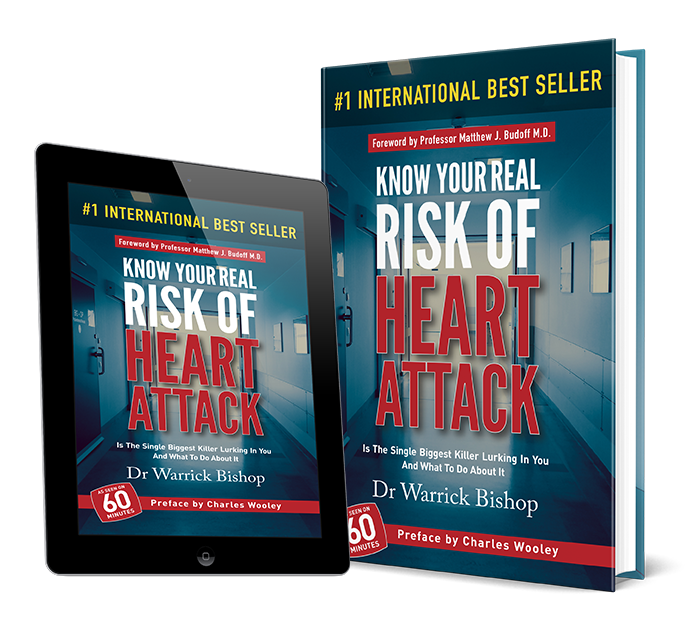
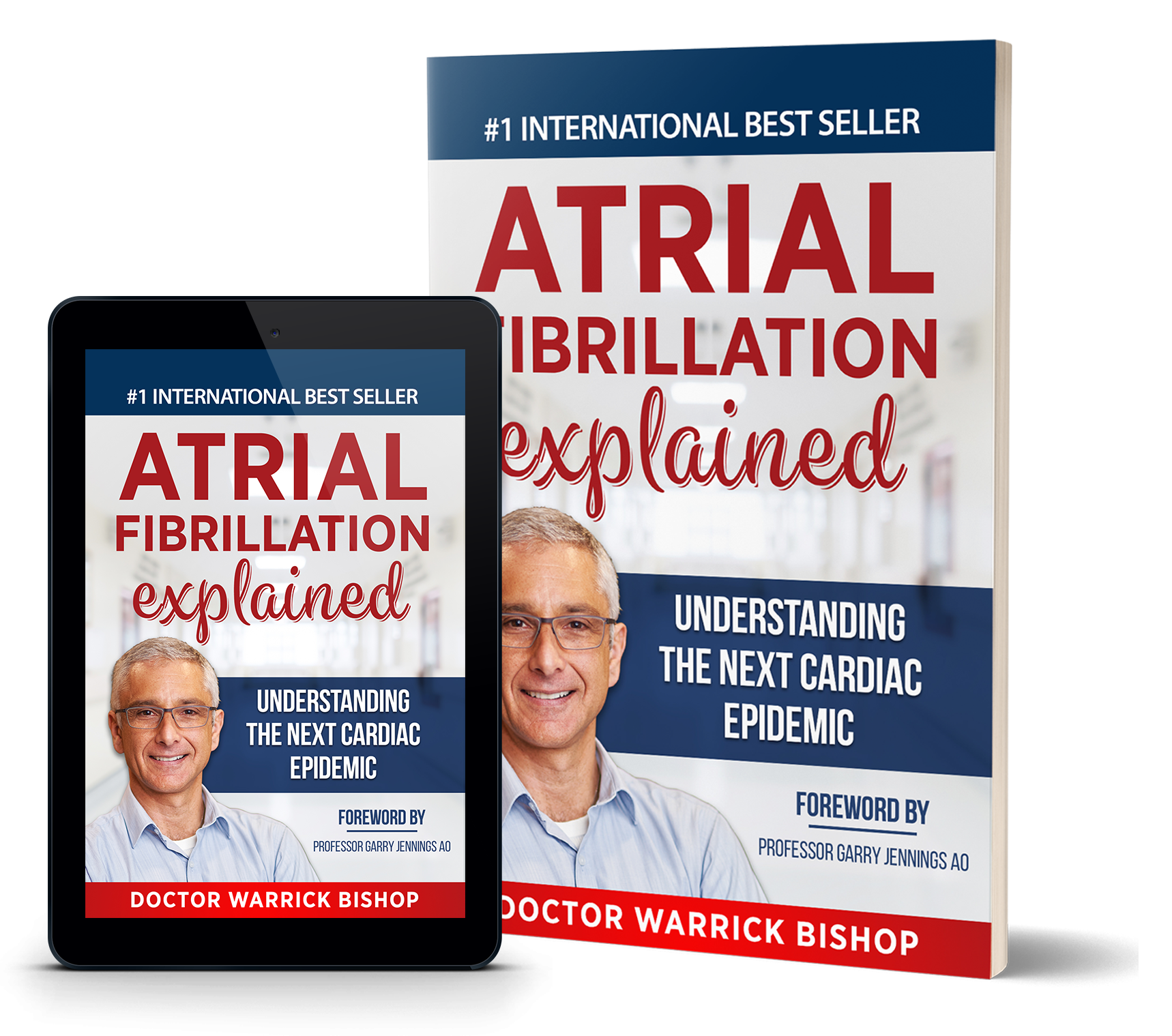
Welcome to my podcast. I am Doctor Warrick Bishop, and I want to help you to live as well as possible for as long as possible. I’m a practising cardiologist, best-selling author, keynote speaker, and the creator of The Healthy Heart Network. I have over 20 years as a specialist cardiologist and a private practice of over 10,000 patients. Podcast Summary Introduction: Dr. Warrick Bishop is a practicing cardiologist and author who uses education to help patients understand their heart health, believing that educated patients receive the best care. This episode marks the celebration of his 200th podcast, where he reflects on his four-year journey producing content on cardiovascular health and shares his expansive work in cardiac education and book authorship. Key Takeaways: Dr. Bishop has built a substantial podcast following with hundreds of subscribers and thousands of downloads over four years, demonstrating the audience's appetite for accessible cardiac health education. The Healthy Heart Network membership platform offers both free and premium tiers, providing access to podcasts, blogs, courses, and increased personal engagement with Dr. Bishop. Dr. Bishop has authored multiple books including "Know Your Real Risk of Heart Attack" and "Atrial Fibrillation Explained," with upcoming releases on cardiac failure, cardiac rehabilitation, cholesterol and statins, and heart attack prevention. He intentionally writes books with dual audiences in mind—accessible to the general non-medical population while containing sufficient detail to educate healthcare professionals including GPs, nurses, and trainee doctors. Dr. Bishop has produced two TED Talks and secured interviews with notable public figures like Greg Page (original Yellow Wiggle) and Darren Lehman (former Australian cricket coach) to enhance his cardiac rehabilitation content. The Healthy Heart Network is developing a web-based "cardio check" platform featuring virtual heart scan consultations to guide patients through cardiac imaging processes. An innovative health monitoring device is in development to track multiple cardiac parameters including rhythm, pulse, blood pressure, heart rate variability, and oxygen saturation for premium membership users. The core mission emphasizes that sharing heart health education broadly helps maximize its positive impact on public health outcomes. Read more

EP199: Coffee, Statins and Biodegradable Pacemakers

Welcome to my podcast. I am Doctor Warrick Bishop, and I want to help you to live as well as possible for as long as possible. I’m a practising cardiologist, best-selling author, keynote speaker, and the creator of The Healthy Heart Network. I have over 20 years as a specialist cardiologist and a private practice of over 10,000 patients. Podcast Summary Dr. Warrick Bishop is a practicing cardiologist and passionate health educator who hosts this podcast to help patients understand heart health through evidence-based information. In this episode, Dr. Bishop discusses three fascinating topics in cardiac care: coffee consumption and heart arrhythmias, the risk-benefit profile of statin therapy, and the emerging technology of biodegradable pacemakers. The episode emphasizes how educated patients can make better healthcare decisions by understanding the latest research and innovations. Key Takeaways: A UK biobank study of 400,000 people found no strong association between regular coffee consumption (1-3 cups daily) and the development of heart arrhythmias, providing reassurance for coffee drinkers. Genetic analysis revealed that rapid metabolizers of caffeine tend to drink more coffee, demonstrating individual variation in how people process caffeine. Patients with existing atrial fibrillation or supraventricular tachycardia should monitor their personal response to coffee, as individual sensitivity varies. A meta-analysis of 60+ statin trials covering 120,000 people showed that per 10,000 patients treated annually, statins prevent 19 heart attacks, 9 strokes, and 8 cardiovascular deaths. While muscle aches and pains do occur as statin side effects, the significant cardiovascular benefits substantially outweigh the tolerability concerns for most patients. Biodegradable pacemakers are being developed to temporarily support heart rhythm after cardiac surgery without the infection risks associated with external wires and boxes. These experimental biodegradable devices use wireless inductive power technology (similar to smartphone chargers) that can function from up to 15 inches away, eliminating the need for leads or skin breaches. Biodegradable pacemakers are currently in animal trials and represent an innovative convergence of engineering and cardiac medicine that could transform post-surgical care. Read more