Heart Attacks are Preventable!

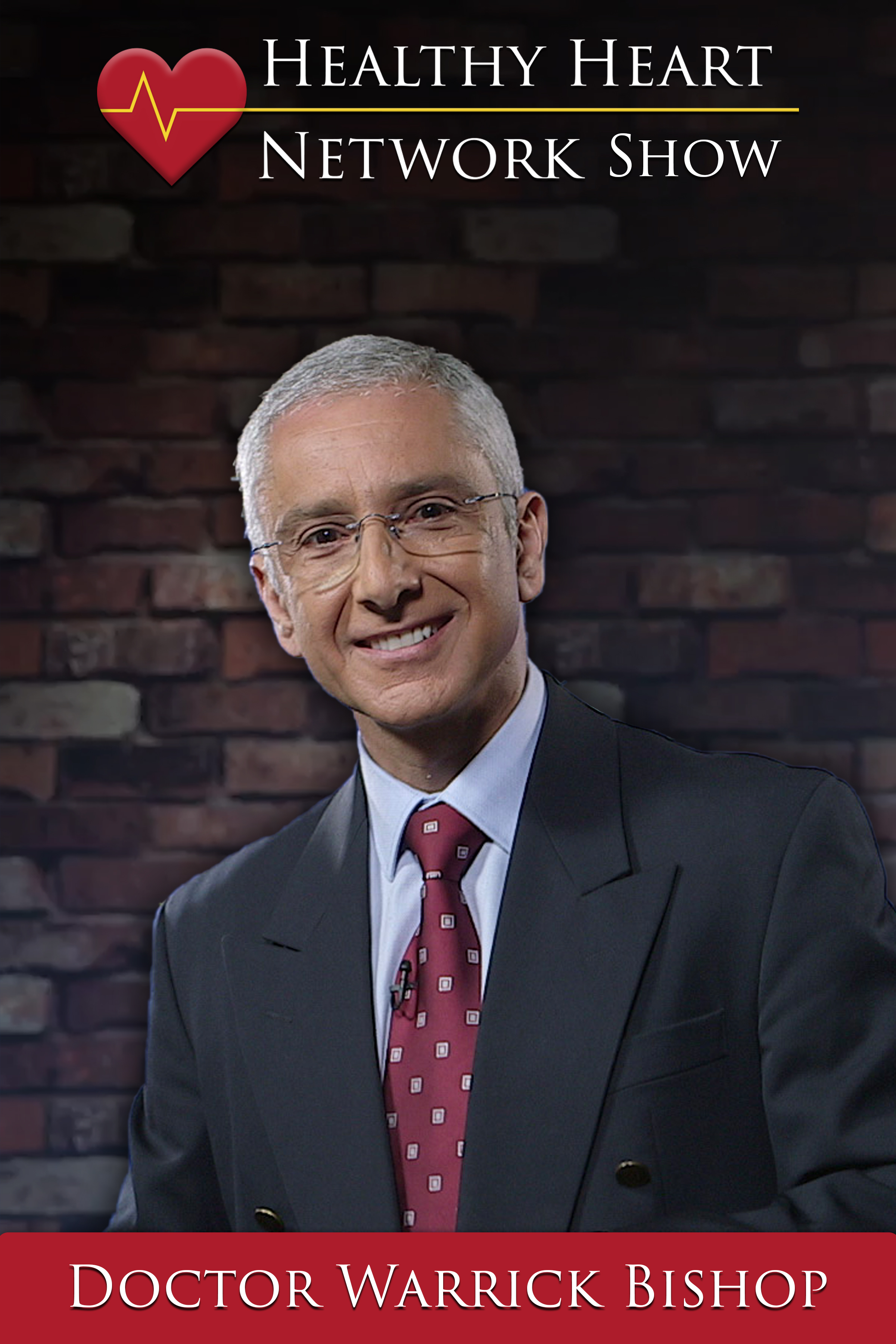
Welcome to my podcast, I am Doctor Warrick Bishop, and I want to help you to live as well as possible for as long as possible. I’m a practising cardiologist, best-selling author, keynote speaker, and the creator of The Healthy Heart Network. I have over 20 years as a specialist cardiologist, a private practice of over 10,000 patients.

Australia, like the rest of the western world, has a heart problem.

Over 9 million people around the world die from heart disease every year.

Every 10 minutes, someone in Australia suffers a heart attack. And 21 lives are lost daily because of it.

The devastating fact in all this is… 

Almost every one of those cases could have been prevented. 

This podcast is for anyone who wants to improve their health literacy and gain information to help them make the best decisions about their risk of heart attack, their cholesterol, blood pressure, risk of diabetes, weight loss and general health. Join me on my personal mission journey to prevent Heart Attack on a global scale. If you like this podcast I would be honoured with a 5-star review and let your friends and family know, you may even save the life of someone you love!

Episodes

EP188: Interview with Dr Zalstein Talking Anesthesia (Part 1)

Welcome to my podcast. I am Doctor Warrick Bishop, and I want to help you to live as well as possible for as long as possible. I’m a practising cardiologist, best-selling author, keynote speaker, and the creator of The Healthy Heart Network. I have over 20 years as a specialist cardiologist and a private practice of over 10,000 patients. Podcast Summary Introduction Dr. Warrick Bishop, a practicing cardiologist and patient education advocate, interviews Dr. Sandy Zalstein, an anaesthetist colleague, to explore the critical role of anaesthesia in modern surgery. The episode demystifies anaesthesia for patients, covering its definition, historical development, and the decision-making process between local and general anaesthetic approaches. Key Takeaways: Modern surgery is impossible without modern anaesthesia; anaesthetists do far more than just put patients to sleep—they manage pain, protect vital functions, and address chronic health conditions before, during, and after surgery. Anaesthesia has evolved dramatically since the mid-1800s, progressing from crude methods like nitrous oxide (laughing gas) and ether to sophisticated halogenated compounds, with Tasmania having an early connection to ether adoption in the 1800s. The choice between local and general anaesthesia depends on three critical factors: patient characteristics, surgical requirements, and anaesthetic considerations, requiring a thorough assessment by a qualified anaesthetist. Local anaesthetics numb specific areas via injection and work well for small peripheral procedures, while regional techniques (like spinal anaesthesia) can numb larger body areas; general anaesthesia is necessary for surgeries requiring airway control or procedures on major body cavities. Contrary to common belief, local anaesthesia is not universally safer than general anaesthesia for all patients; however, for certain vulnerable populations (elderly or chronically ill patients), local anaesthesia with sedation may pose fewer risks. Increasingly, anaesthetists use combined techniques—mixing local/regional anaesthesia with general anaesthesia—to optimize pain relief and improve outcomes before, during, and after surgery. General anaesthesia in healthy patients is remarkably safe in the modern era, but anaesthetists today face growing complexity managing older patients with multiple chronic conditions requiring various medications. Anaesthetists must optimize patients' existing health conditions before surgery, making collaboration with cardiologists particularly important for managing cardiac and systemic risks. Read more

EP187: Atrial Fibrillation and Food

Welcome to my podcast. I am Doctor Warrick Bishop, and I want to help you to live as well as possible for as long as possible. I’m a practising cardiologist, best-selling author, keynote speaker, and the creator of The Healthy Heart Network. I have over 20 years as a specialist cardiologist and a private practice of over 10,000 patients. Podcast Episode Summary Introduction Dr. Warrick Bishop is a practicing cardiologist and author dedicated to educating patients about heart health. In this episode, he explores the relationship between diet and atrial fibrillation, examining which foods and beverages can trigger or help manage this common heart rhythm condition. The discussion covers specific dietary components and practical recommendations for reducing atrial fibrillation risk through nutritional choices. Key Takeaways: Alcohol is a direct trigger for atrial fibrillation, particularly through binge drinking, and can also raise blood pressure and disrupt sleep; moderation is essential with no more than 1-3 glasses daily recommended. Recent research suggests moderate caffeine consumption (up to 3 cups of coffee daily, approximately 300mg) may not increase atrial fibrillation risk, though energy drinks with high caffeine and sugar should be avoided. Trans fats should be eliminated completely, while monounsaturated fats from olive oil, nuts, and avocados may help lower atrial fibrillation risk. Excessive salt intake drives blood pressure elevation and increases atrial workload; daily intake should remain under 2.5 grams, and processed foods should be limited. High sugar and refined carbohydrate consumption increase atrial fibrillation risk, particularly in diabetic patients who have a 40% higher likelihood of developing the condition. Vitamin K intake consistency matters only for patients on warfarin; newer anticoagulants (NOACs) eliminate dietary interactions with vitamin K-rich foods like broccoli and spinach. Undiagnosed celiac disease increases atrial fibrillation risk through inflammatory processes triggered by gluten intolerance. Grapefruit can reduce the effectiveness of amiodarone and increase statin levels, creating potential drug interactions for atrial fibrillation patients. The three most powerful lifestyle modifications to reduce atrial fibrillation risk are maintaining a healthy weight, controlling blood pressure, and practicing alcohol moderation. A Mediterranean-based diet with abundant vegetables, beans, whole grains, and healthy fats represents the optimal dietary approach for atrial fibrillation prevention. Read more

EP186: Interview 3 With Cardiologist Dr. Michael Zema

Welcome to my podcast. I am Doctor Warrick Bishop, and I want to help you to live as well as possible for as long as possible. I’m a practising cardiologist, best-selling author, keynote speaker, and the creator of The Healthy Heart Network. I have over 20 years as a specialist cardiologist and a private practice of over 10,000 patients. Podcast Episode Summary Introduction Dr. Warrick Bishop, a practicing cardiologist and author, hosts this third interview with Dr. Michael Zemmer from Chattanooga, Tennessee, author of "Modern Healthcare Delivery: Deliverance or Debacle." The episode focuses on the erosion of patient-centered care in modern healthcare systems, exploring how financial incentives and time pressures have fundamentally undermined the critical one-on-one doctor-patient relationship and shifted focus away from preventive medicine. Key Takeaways: The one-on-one consultation between doctor and patient is invaluable and irreplaceable, conveying trust and care that cannot be replicated through telehealth or other remote modalities. Modern healthcare systems have created a fundamental tension between patients expecting adequate consultation time and doctors operating under severe time constraints (often 12 minutes per visit), preventing optimal care delivery. Historical reimbursement structures dating back to the 1930s with Blue Cross Blue Shield prioritize procedural and surgical interventions over cognitive and preventive services, creating a financially-driven hierarchy in medicine. Procedural specialists earn significantly more than primary care and preventive care providers—sometimes three times as much—despite preventive medicine's proven value in keeping patients healthy. The healthcare system inadvertently rewards providers for allowing patients to become sick and then treating them, rather than rewarding prevention and wellness maintenance. Prevention receives "lip service" but lacks genuine prioritization because it is less exciting, shows results over longer timeframes, and generates less revenue than acute interventions. Time spent on thorough patient history, physical examination, and communication can prevent unnecessary or harmful procedures, as demonstrated by Dr. Bishop's example of a patient with chest pain who avoided unnecessary cardiac catheterization through proper physical examination. Over-reliance on a single diagnostic tool or skill set leads to inappropriate intervention, exemplified by the phrase "if the only tool you have is a hammer, everything looks like a nail." Current reimbursement disparities between specialties have contributed to the decline of primary care and internal medicine, with physicians pursuing higher-paying procedural specialties despite greater training requirements. Young physicians must balance technological advances with meaningful personal communication and relationships with patients and peers, ensuring technology serves rather than replaces human connection in healthcare. Read more

EP185: Interview 2 With Cardiologist Dr. Michael Zema

Welcome to my podcast. I am Doctor Warrick Bishop, and I want to help you to live as well as possible for as long as possible. I’m a practising cardiologist, best-selling author, keynote speaker, and the creator of The Healthy Heart Network. I have over 20 years as a specialist cardiologist and a private practice of over 10,000 patients. Podcast Summary Introduction Dr. Warrick Bishop, a practicing cardiologist and author focused on patient education about heart health, welcomes back Dr. Michael Zima for part two of their discussion about Zima's book, "Modern Healthcare Deliverance or Debacle?" With 40 years of experience as a cardiovascular physician, Dr. Zima explores the fundamental issues in modern healthcare delivery that prompted him to write this comprehensive guide for both providers and patients. Key Takeaways: The deteriorating doctor-patient relationship is driven by severely limited consultation times (averaging 12 minutes), which is inadequate for proper patient assessment and connection. The rise of physician extenders (nurse practitioners and physician assistants) fills a necessary gap caused by medical school enrollment not keeping pace with population growth, but patients often lack understanding of their qualifications and roles. Healthcare operates in isolated silos where cardiologists, administrators, nurses, and technologists function separately without adequate interconnection, reducing overall care quality. The fee-for-service payment model incentivizes volume over quality, creating misaligned financial incentives that can waste resources rather than improve patient outcomes. Administrative costs consume 28 cents of every healthcare dollar in the U.S., never reaching direct patient care—an unsustainable drain on the system. Providers are the ultimate gatekeepers controlling costs and outcomes, making behavior change among clinicians critical to balancing cost containment with quality care. Retail clinics and urgent care centers serve a practical role in healthcare delivery by providing accessible alternatives to emergency departments and reducing wait times for minor complaints. Telehealth shows promise but has limitations: it lacks physical examination capabilities, which are essential for proper diagnosis, though emerging technology may enable remote technicians to perform and record exams in real-time. First-time consultations should occur face-to-face because they require rapport-building, body language interpretation, and the ability to detect subtle cues that video or phone consultations cannot adequately convey. Patients should be treated as individuals, not just medical records—a shift away from documentation-heavy practices designed to survive third-party payer audits. Read more

EP184: Interview 1 With Cardiologist Dr. Michael Zema

Welcome to my podcast. I am Doctor Warrick Bishop, and I want to help you to live as well as possible for as long as possible. I’m a practising cardiologist, best-selling author, keynote speaker, and the creator of The Healthy Heart Network. I have over 20 years as a specialist cardiologist and a private practice of over 10,000 patients. Podcast Summary Introduction Dr. Warrick Bishop, a practicing cardiologist and patient education advocate, interviews Dr. Michael Zima, a fellow cardiologist with over 40 years of experience across clinical practice, hospital leadership, academia, and healthcare administration. In this first part of a two-part episode, they discuss Dr. Zima's recently published book, "Modern Healthcare Delivery: Deliverance or a Debacle?", which explores the current state of the U.S. healthcare system and its sustainability challenges. Key Takeaways: Dr. Zima wrote his book to combat widespread misinformation about healthcare delivery among the public, providers, insurers, administrators, and technologists at all levels. Medicare and Medicaid, both introduced by President Lyndon B. Johnson in the 1960s, serve different purposes: Medicare provides health insurance for retirees over 65, while Medicaid is a poverty assistance program for low-income individuals. Modern medicine has the potential for "deliverance" through advanced technology and artificial intelligence to conquer long-standing illnesses, but faces a critical financial crisis. U.S. healthcare costs now exceed 18% of GDP and are unsustainable, creating a "debacle" that threatens to collapse the healthcare system without significant changes. Doctor-patient relationships have deteriorated over decades due to insurance reimbursement systems and escalating costs, resulting in physicians spending only 12 minutes per visit with patients. Current medical practice allows only 90 seconds for physicians to communicate diagnoses, treatment options, and recommendations to patients, making meaningful patient connection increasingly difficult. The erosion of physician-patient connection has led to the emergence of concierge medicine as patients and doctors with financial means sought alternatives to the time-constrained, insurance-driven healthcare model. Dr. Zima draws on his extensive clinical experience with anesthetics and interactions across the healthcare system to illustrate the conceptual problems in his book. Read more

EP183: James Z G Buckley Interview - Healthy Thinking About Chronic Disease

Welcome to my podcast. I am Doctor Warrick Bishop, and I want to help you to live as well as possible for as long as possible. I’m a practising cardiologist, best-selling author, keynote speaker, and the creator of The Healthy Heart Network. I have over 20 years as a specialist cardiologist and a private practice of over 10,000 patients. Podcast Summary Introduction Dr. Warrick Bishop, a practicing cardiologist and patient education advocate, welcomes back James Z. G. Buckley, an international leader in hypnosis, human behavior, meditation, and leadership, for their third episode together. This episode focuses on the mind-body connection and how understanding the brain's resources can profoundly impact physical health outcomes, particularly in managing chronic pain and stress-related conditions. Key Takeaways: The brain is an underutilized resource in healthcare; patients can use positive, empowering thoughts and emotions to nourish the body rather than becoming victims to negative unconscious programs. Chronic pain often involves negative feedback loops where stress responses tighten and reinforce pain patterns; breaking this cycle is essential for healing. A documented case showed a patient with severe chronic back pain (rated 9-10/10 for three years) reduced pain to zero within three weeks of hypnosis sessions, despite no physical change to her spine. Pain creates a stress response that triggers the fight-or-flight sympathetic nervous system, diverting energy away from healing and regeneration processes in the body. Western populations exist in sympathetic nervous system dominance approximately 70% of the time, burning out cells and accelerating aging when we should only be in this state momentarily (about 5%). The sympathetic nervous system elevation increases blood pressure, heart weight, and cortisol release, all contributing to serious health complications over time. Hypnosis and meditation have shown remarkable results with inflammatory conditions like ulcerative colitis, with some clients discontinuing medications after a single session with documented medical recovery. Gratitude is a powerful emotional state that neurochemically blocks anxiety, depression, fear, and sadness simultaneously, and practicing 10 minutes of gratitude daily activates approximately 1,200 healing and DNA regeneration processes. Starting mind-control practices immediately, regardless of current circumstances, provides empowering results and confidence by putting patients in control of their thoughts, emotions, and behaviors. For cardiac patients undergoing rehabilitation, beginning mind-based techniques early—ideally before major surgery—can significantly improve emotional resilience and recovery outcomes. Read more

EP182: James Z G Buckley Interview About Meditation and Hypnosis - Part 2

Welcome to my podcast. I am Doctor Warrick Bishop, and I want to help you to live as well as possible for as long as possible. I’m a practising cardiologist, best-selling author, keynote speaker, and the creator of The Healthy Heart Network. I have over 20 years as a specialist cardiologist and a private practice of over 10,000 patients. Podcast Summary Dr. Warrick Bishop, a practicing cardiologist and patient education advocate, interviews James Z. G. Buckley, an international expert in hypnotherapy, meditation, and human behavior, in a follow-up discussion about the science behind these transformative practices. The episode explores the mechanisms of hypnotherapy and meditation, moving beyond misconceptions and mysticism to reveal the neuroscience and psychology that make these tools effective for behavioral and emotional change. Key Takeaways: Hypnotherapy works through three scientific components: subliminal messaging (the brain processes 400 billion bits of information per second, but conscious awareness captures only 2,000), classical conditioning (Pavlovian psychology creating stimulus-response patterns), and linguistics (understanding the unique deep meaning individuals assign to words). The conscious mind can be distracted with tasks while the unconscious mind is programmed with desired thoughts, emotions, and behaviors—this is the core principle of effective hypnotherapy. Classical conditioning allows any response to be created from any sensory stimulus through repetition and association; stress levels affect how easily conditioning occurs, with relaxed states making the process more profound and faster. Ritualistic practices in Buddhism and other traditions (incense, chants, sounds) function as Pavlovian triggers that rapidly activate specific brainwave states and neurochemical responses. Thoughts are neurochemical events that trigger the hypothalamus to release peptides affecting every cell in the body; humans experience 70,000-90,000 thoughts daily, with 95% being unconscious programs that shape body chemistry. Meditation and hypnosis both work through similar neurochemical mechanisms, but meditation is an entry point to observing unconscious content, while hypnosis directly influences the unconscious mind. The word "meditation" translates from Tibetan as "become familiar with," emphasizing the practice of observing thoughts and emotions to gain the ability to consciously redirect mental patterns. General language patterns influence most people similarly (e.g., "don't think of monkeys"), though individuals with specific traumatic associations may have different responses requiring personalized therapeutic approaches. Read more

EP181: James Z G Buckley Interview About Meditation and Hypnosis - Part 1

Welcome to my podcast. I am Doctor Warrick Bishop, and I want to help you to live as well as possible for as long as possible. I’m a practising cardiologist, best-selling author, keynote speaker, and the creator of The Healthy Heart Network. I have over 20 years as a specialist cardiologist and a private practice of over 10,000 patients. Podcast Summary Introduction Dr. Warrick Bishop, a practicing cardiologist and author focused on patient education about heart health, hosts this episode featuring James Z. G. Buckley, an expert in hypnosis, human behavior, meditation, and leadership. The episode explores the profound mind-body connection in health and illness, with James sharing his personal journey from a traumatic childhood involving domestic violence and substance abuse to becoming a neurocognitive scientist and meditation expert who now helps others transform their lives through scientifically-based techniques. Key Takeaways: The brain's neurochemical events—measurable through modern neuroscience—directly shape our blood chemistry and overall physiology, and we can influence these events through specific tools and techniques like meditation and hypnotherapy. James's transformative journey began at age 18 after losing a girlfriend to suicide, prompting him to take control of his life trajectory rather than repeat the cycle of his family's trauma and dysfunction. Physical training like martial arts provided foundational discipline and mind-body awareness, but true mental and emotional protection required deeper psychological work through meditation and Buddhist philosophy. Classical conditioning (Pavlovian psychology) principles—using ritualistic tools like sounds, smells, or sensations—can prime the nervous system to respond predictably, creating unconscious conditioning that supports positive behavioral changes. The shift from victimhood to agency occurs when individuals learn to access their brain's resources from past experiences and future anticipation, extracting positive learnings and gratitude rather than remaining trapped by traumatic memories. Personal empowerment means gaining the ability to consciously choose one's thoughts, feelings, and behaviors, which then allows life to respond accordingly rather than being unconsciously controlled by past conditioning. Meditation and self-hypnosis work is grounded entirely in scientific methodology without religious or "woo-woo" elements, making it accessible and credible for skeptical individuals. Real-world applications include significant outcomes such as patients discontinuing antidepressants within days (under medical supervision) after resolving root causes that traditional therapy and medication had failed to address over years. The ultimate goal of personal transformation is not just self-healing but developing sufficient resources to help others break through similar challenges and gain a "head start" in their own lives. Read more

EP180: Lifestyle, Tobacco, and Alcohol

Welcome to my podcast. I am Doctor Warrick Bishop, and I want to help you to live as well as possible for as long as possible. I’m a practising cardiologist, best-selling author, keynote speaker, and the creator of The Healthy Heart Network. I have over 20 years as a specialist cardiologist and a private practice of over 10,000 patients. Podcast Summary Introduction Dr. Warrick Bishop is a practicing cardiologist and author dedicated to improving patient care through cardiovascular health education. In this episode, he discusses three major lifestyle factors affecting heart health: exercise, tobacco use, and alcohol consumption. The podcast emphasizes practical, evidence-based recommendations for each area to help listeners reduce their risk of heart disease. Key Takeaways: Exercise comes in two main types—aerobic exercise (like walking) and resistance exercise (like weight lifting)—and current medical guidelines recommend either 150 minutes of moderate-intensity exercise or 75 minutes of high-intensity exercise per week. Exercise provides multiple cardiovascular benefits including weight loss (particularly around the midsection), reduced blood pressure, improved insulin resistance, and favorable changes to cholesterol levels. G-shock proteins activated during exercise can also be triggered through heat exposure, meaning that activities like 30-minute sauna or hot tub sessions may provide some exercise-equivalent benefits. Finding an enjoyable physical activity is crucial for sustained, long-term exercise adherence, and exercise has mood-boosting effects comparable to mild antidepressants. Tobacco is one of the leading preventable causes of mortality and morbidity in the Western world, affecting not only the smoker but also those exposed to secondhand smoke. Even light smoking (a couple of cigarettes daily) elevates the risk of heart attack, stroke, and cancer, and complete cessation rather than reduction is necessary to meaningfully lower these risks. E-cigarettes should be avoided due to insufficient long-term safety data, though cigars in social settings (without inhaling) are a safer alternative to regular cigarettes. Recent medical guidelines have moved away from recommending alcohol consumption for health benefits and now advise a maximum of 10 drinks per week with no more than four drinks in a single sitting. Moderate alcohol consumption can be part of a healthy lifestyle when used responsibly for social interaction and meal enjoyment, with at least one alcohol-free day per week recommended. Incidental daily activity—such as parking further away or taking stairs instead of elevators—provides additional cardiovascular benefits when incorporated into routine behaviors. Read more

EP179: Thinking About Cholesterol Getting Into The Arteries

Welcome to my podcast. I am Doctor Warrick Bishop, and I want to help you to live as well as possible for as long as possible. I’m a practising cardiologist, best-selling author, keynote speaker, and the creator of The Healthy Heart Network. I have over 20 years as a specialist cardiologist and a private practice of over 10,000 patients. Podcast Summary Dr. Warrick Bishop is a practicing cardiologist and author dedicated to educating patients about heart health, hosting this podcast to help people understand the latest in cardiac care. In this episode, he explores the mechanisms of how cholesterol accumulates in artery walls, focusing on the research of Vladimir Subbotin from the Russian Academy of Sciences. Rather than accepting the conventional theory, Dr. Bishop presents an alternative hypothesis about the pathway cholesterol takes when contributing to coronary artery disease. Key Takeaways: The link between cholesterol (LDL) and coronary artery disease is well-established, and lowering LDL in high-risk patients demonstrably reduces heart attack risk, though cholesterol is not the complete story in heart disease. The conventional understanding assumes cholesterol travels from the bloodstream into artery walls through lipoprotein particles that cross the inner lining (tunica intima) at points of wear and tear. Microscopic examination of plaque development shows cholesterol buildup beginning in the middle layer (tunica media) of arterial walls, which contradicts the inside-out migration theory. Subbotin proposes that cholesterol doesn't primarily enter arteries from the bloodstream but instead travels inward through tiny blood vessels called vasa vasorum that supply nutrients to the artery wall itself. Arterial wear and tear triggers inflammation and the release of tissue factors that signal the body to mobilize cholesterol as a building block for repair. Multiple factors beyond cholesterol contribute to coronary artery disease, including inflammation, blood pressure, and mechanical wear and tear on arterial walls. Regardless of the exact mechanism of cholesterol entry, lowering cholesterol levels in high-risk individuals remains an effective strategy for reducing future cardiovascular risk. Read more