Heart Attacks are Preventable!

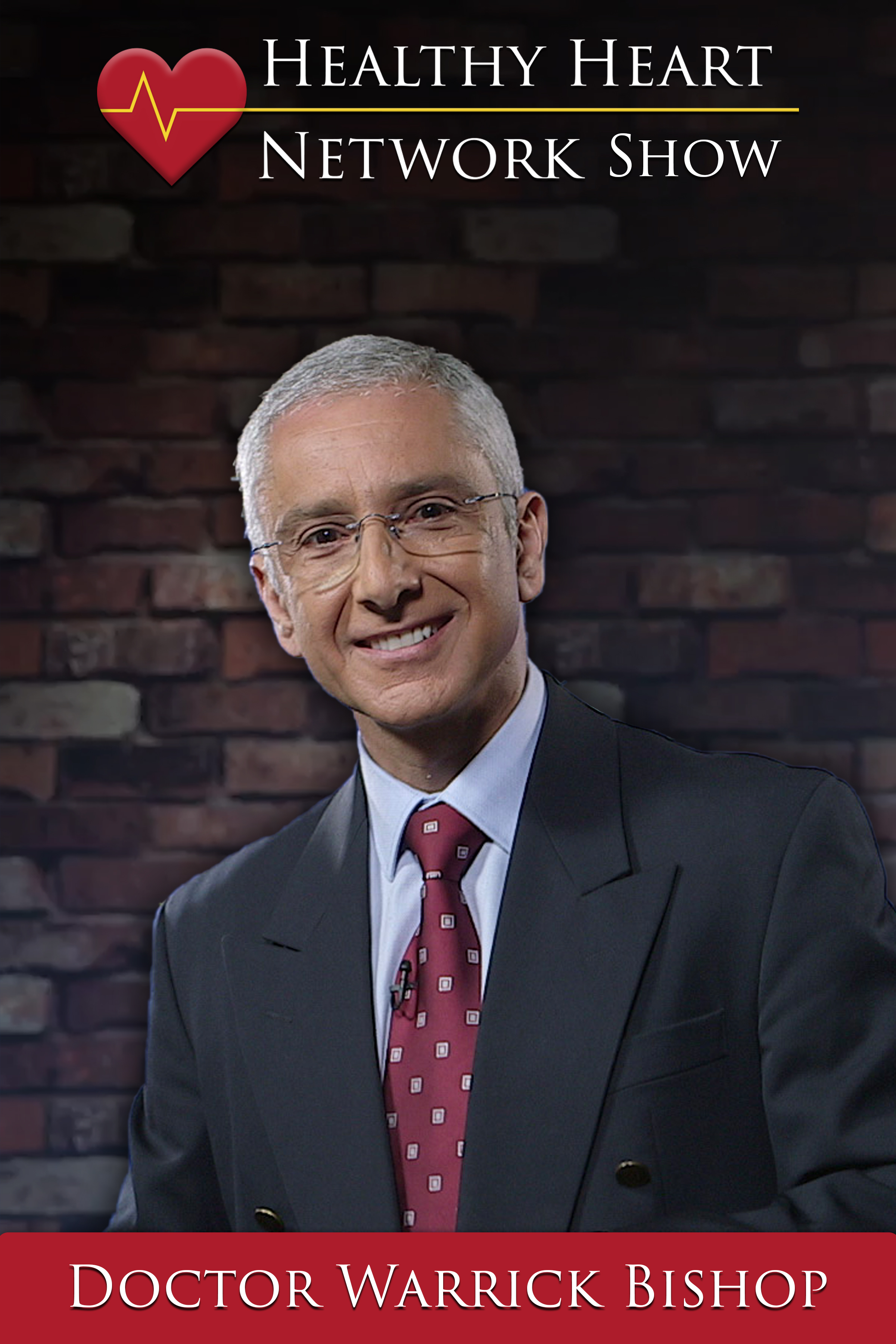
Welcome to my podcast, I am Doctor Warrick Bishop, and I want to help you to live as well as possible for as long as possible. I’m a practising cardiologist, best-selling author, keynote speaker, and the creator of The Healthy Heart Network. I have over 20 years as a specialist cardiologist, a private practice of over 10,000 patients.

Australia, like the rest of the western world, has a heart problem.

Over 9 million people around the world die from heart disease every year.

Every 10 minutes, someone in Australia suffers a heart attack. And 21 lives are lost daily because of it.

The devastating fact in all this is… 

Almost every one of those cases could have been prevented. 

This podcast is for anyone who wants to improve their health literacy and gain information to help them make the best decisions about their risk of heart attack, their cholesterol, blood pressure, risk of diabetes, weight loss and general health. Join me on my personal mission journey to prevent Heart Attack on a global scale. If you like this podcast I would be honoured with a 5-star review and let your friends and family know, you may even save the life of someone you love!

Episodes

EP168: Angela Hartly Interviewing Dr Warrick Bishop—When We Fix Narrowed Arteries

Welcome to my podcast. I am Doctor Warrick Bishop, and I want to help you to live as well as possible for as long as possible. I’m a practising cardiologist, best-selling author, keynote speaker, and the creator of The Healthy Heart Network. I have over 20 years as a specialist cardiologist and a private practice of over 10,000 patients. Podcast Summary Introduction Dr. Warrick Bishop is an Australian cardiologist and author passionate about patient education and heart disease prevention. Angela from Healthy Hearties interviews him about common cardiac questions from their heart health group. The episode focuses on stenting procedures, arterial blockages, and strategies for managing multiple coronary lesions. Key Takeaways: Cardiologists typically consider stenting when an artery is narrowed by 70% or more, but must confirm the blockage actually limits blood flow (hemodynamic significance) through stress testing or other functional assessments. The ISCHEMIA trial demonstrated that patients with significant coronary narrowings had similar outcomes over 3-4 years whether they received immediate stents or optimal medical therapy alone, changing how quickly doctors intervene. Stents are more beneficial for relieving angina symptoms than for preventing future cardiac events compared to medical management alone. Patients with stents should take dual antiplatelet therapy (aspirin plus a second antiplatelet agent) and cholesterol-lowering medications to reduce future cardiac events. New PCSK9 inhibitor drugs can lower LDL cholesterol to very low levels and potentially cause plaque regression, though they are expensive and typically reserved for high-risk patients or those with familial hypercholesterolemia. Non-flow-limiting blockages (intermediate lesions) should not be stented, and patients should not worry about them if managing risk factors properly. The foundation of cardiac health after stenting involves controlling cholesterol and blood pressure, regular exercise, healthy eating, and adherence to medications—not rushing into additional interventions. Educated patients achieve the best healthcare outcomes, making patient understanding and engagement critical to long-term cardiac health. Read more

EP167: The 10 Commandments For Avoiding Heart Attack

Welcome to my podcast. I am Doctor Warrick Bishop, and I want to help you to live as well as possible for as long as possible. I’m a practising cardiologist, best-selling author, keynote speaker, and the creator of The Healthy Heart Network. I have over 20 years as a specialist cardiologist and a private practice of over 10,000 patients. Podcast Summary Introduction Dr. Warrick Bishop is a practicing cardiologist and author dedicated to improving patient care through heart health education. In this episode, he outlines his "10 Commandments of Good Heart Health," a comprehensive framework for preventing cardiovascular disease and maintaining optimal cardiac wellness. The episode walks listeners through each commandment in detail, emphasizing that early intervention and lifestyle modifications are foundational to long-term heart health. Key Takeaways: Lifestyle is the foundation of heart health and must be prioritized early in life; you cannot neglect it for decades and expect positive results through last-minute changes Building a healthcare team—including family doctors, specialists, dietitians, and exercise physiologists—significantly improves the ability to manage cardiovascular health effectively Adults aged 40-75 should have their cardiovascular risk assessed using risk calculators to guide personalized treatment decisions about medications and interventions A heart-healthy diet emphasizes plenty of greens, fruits, nuts, legumes, and garlic while minimizing saturated fats, processed foods, refined sugars, and sugary drinks Exercise should consist of at least 150 minutes per week at moderate intensity, but it must be enjoyable to maintain long-term compliance Type 2 diabetes and pre-diabetes can be significantly improved or reversed through lifestyle modifications like dietary changes and regular exercise; medications like metformin are recommended when lifestyle alone is insufficient Smoking has no cardiovascular benefits and carries only serious health risks; most people require multiple quit attempts (averaging six) to successfully stop Aspirin should only be used selectively for higher-risk patients based on individual risk assessment, not as a blanket preventive measure for all adults Cholesterol treatment with statins is recommended when LDL cholesterol exceeds 190 mg/dL (4.9 mmol/L), or for diabetic patients and those with high cardiovascular risk scores Blood pressure management should begin with non-pharmaceutical approaches like weight loss, exercise, and alcohol reduction before considering medication Read more

EP166: Deep Vein Thrombosis & Factor 5 Leiden

Welcome to my podcast. I am Doctor Warrick Bishop, and I want to help you to live as well as possible for as long as possible. I’m a practising cardiologist, best-selling author, keynote speaker, and the creator of The Healthy Heart Network. I have over 20 years as a specialist cardiologist and a private practice of over 10,000 patients. Podcast Summary Introduction Dr. Warrick Bishop is a practicing cardiologist and author dedicated to educating patients about heart health and helping them make informed medical decisions. In this episode, Dr. Bishop provides a comprehensive overview of deep vein thrombosis (DVT), pulmonary embolism (PE), and Factor V Leiden—a hereditary clotting disorder—explaining their causes, symptoms, diagnoses, and treatments. The episode aims to help listeners understand these serious but manageable cardiovascular conditions. Key Takeaways: DVT (deep vein thrombosis) is a blood clot in the deep veins, most commonly in the legs, causing swelling, pain, and redness that can be diagnosed through ultrasound. DVT is treated with blood thinners to prevent clot extension rather than dissolve it, as the body naturally breaks down clots over approximately three months. PE (pulmonary embolism) occurs when a clot from a DVT travels to the lungs and becomes lodged in lung blood vessels, which can be life-threatening and requires immediate diagnosis via CT pulmonary angiogram. Risk factors for DVT include immobility, pregnancy, obesity, smoking, oral contraceptive use, surgery, cancer, and advanced age. Approximately 30% of DVT and PE cases have a hereditary cause, with Factor V Leiden being the most common genetic clotting disorder. Factor V Leiden is a genetic mutation where the blood protein Factor V doesn't properly interact with protein C, the body's clot-preventing mechanism, increasing clot formation risk. PE symptoms include sudden shortness of breath, rapid heartbeat (tachycardia), collapse, and occasionally coughing up blood, requiring urgent treatment with blood thinners and sometimes clot-busting drugs. Long-term blood thinner therapy lasting six months to life is recommended for PE patients, particularly those without a clear provocation for their clot. Factor V Leiden requires special consideration in young patients with clots, pregnant women, and those using estrogen-based oral contraceptives, with smoking strongly discouraged. Interestingly, Factor V Leiden has not been linked to stroke risk in non-valvular atrial fibrillation, despite its association with increased clotting tendency. Read more

EP165: Heart Conditions & Beta Blockers

Welcome to my podcast. I am Doctor Warrick Bishop, and I want to help you to live as well as possible for as long as possible. I’m a practising cardiologist, best-selling author, keynote speaker, and the creator of The Healthy Heart Network. I have over 20 years as a specialist cardiologist and a private practice of over 10,000 patients. Podcast Summary Dr. Warrick Bishop is a practicing cardiologist and author dedicated to educating patients about heart health. In this episode, he discusses four important cardiovascular topics: atrial fibrillation ablation, left atrial appendage occlusion devices, heart failure with preserved ejection fraction, and beta-blocker duration after heart attack. Key Takeaways: The KABANA trial (2,000+ patients over 5 years) showed that electrophysiological ablation reduced atrial fibrillation recurrence to 6% compared to 14% with drug therapy, though there was no difference in final health outcomes. Atrial fibrillation ablation is primarily beneficial for reducing symptoms rather than improving patient outcomes, particularly for asymptomatic patients. Left atrial appendage occlusion devices (like the Watchman) block the heart chamber where blood clots form during atrial fibrillation, offering an alternative to blood thinners for high-bleeding-risk patients. Recent studies on left atrial appendage closure devices show comparable but not definitively superior results to blood thinners, with questions remaining about study robustness. Blood thinners provide additional protective benefits beyond stroke prevention, including reduced risk of deep vein thrombosis and pulmonary embolism. Heart failure with preserved ejection fraction (a stiff heart that contracts normally but doesn't relax) is increasingly common with aging and is linked to high blood pressure and obesity, particularly in women. Milrinone, a phosphodiesterase inhibitor, shows early promise as a novel treatment for heart failure with preserved ejection fraction, though current evidence is preliminary with only small patient populations studied. Beta-blockers should be continued for at least one to two years after a heart attack to maintain cardiovascular benefits, with diminishing returns beyond two years. Read more

EP164: Interview With Greg Page (Part 2)

Welcome to my podcast. I am Doctor Warrick Bishop, and I want to help you to live as well as possible for as long as possible. I’m a practising cardiologist, best-selling author, keynote speaker, and the creator of The Healthy Heart Network. I have over 20 years as a specialist cardiologist and a private practice of over 10,000 patients. Podcast Summary Introduction Dr. Warrick Bishop, a practicing cardiologist and patient educator, interviews Greg Page, the original Yellow Wiggle, in part two of a discussion about Greg's cardiac arrest and heart disease journey. The episode focuses on Greg's recovery process, cardiac rehabilitation, medication regimen, and his newfound mission to educate the public about cardiac health and emergency response. Key Takeaways: Greg experienced cardiac arrest and underwent successful resuscitation, followed by five days of hospitalization before beginning a six-week cardiac rehabilitation program. Cardiac rehabilitation emphasized walking and controlled exercise rather than bed rest, as modern medicine recognizes that keeping the heart conditioned post-event is crucial for recovery. Greg's medication regimen includes dual antiplatelet agents (aspirin and an anticoagulant) to prevent blood clots around the stent, beta-blockers to reduce heart rate and prevent future cardiac events, electrolytes (potassium and magnesium) to maintain heart rhythm, statins for cholesterol, and supplements like Coenzyme Q10 and hawthorn. Despite pre-existing fitness being advantageous for recovery, beta-blockers dampened Greg's sympathetic nervous system, requiring harder exercise to reach target heart rates during rehabilitation. Greg's left ventricle ejection fraction (LVEF) improved significantly during rehabilitation, moving from borderline levels (45%) back toward normal range (55%), eliminating the need for an internal defibrillator implant. Broken ribs from CPR were Greg's most uncomfortable physical symptom during recovery, taking six to seven weeks to heal, though he feels fully recovered now. Greg has adopted a mission to educate older people about the distinction between cardiac arrest and heart attack, and the critical importance of CPR and AED use in saving lives. AEDs (automated external defibrillators) are user-friendly devices that anyone can operate safely—they only deliver shocks when needed and provide voice guidance throughout the process. Read more

EP163: Interview With Greg Page (Part 1)

Welcome to my podcast. I am Doctor Warrick Bishop, and I want to help you to live as well as possible for as long as possible. I’m a practising cardiologist, best-selling author, keynote speaker, and the creator of The Healthy Heart Network. I have over 20 years as a specialist cardiologist and a private practice of over 10,000 patients. Podcast Summary Dr. Warrick Bishop, a practicing cardiologist and patient education advocate, interviews Greg Page, the original Yellow Wiggle, about his experience with sudden cardiac arrest and coronary artery disease. Despite appearing to be a healthy, fit 48-year-old with no major risk factors, Greg suffered a life-threatening cardiac event on January 17, 2021, when a blood clot suddenly formed in his left anterior descending artery during a Wiggles performance, causing him to collapse on stage. Key Takeaways: Being physically fit and active is not the same as being healthy; you can appear fit while having underlying cardiac risk factors Sudden cardiac arrest can occur without warning symptoms; Greg had no chest pain, heaviness, or typical warning signs before his event Approximately 50% of heart attacks occur in arteries that are not significantly narrowed until plaque ruptures and a clot forms, making them impossible to detect through standard flow-limiting assessments Cholesterol readings alone are poor predictors of who will have a cardiac event; they become meaningful only after a problem is identified and treatment begins Family history of heart disease matters, but its absence doesn't eliminate risk; Greg had minimal family history yet still experienced a major cardiac event Poor diet habits (high saturated fat, cheese, processed foods) can contribute to plaque buildup even in people who exercise regularly Symptoms of heart disease can be misattributed to other causes; shortness of breath during exertion may be dismissed as normal fatigue rather than a warning sign Prompt CPR and emergency response from bystanders is life-saving; Greg's survival depended on immediate recognition and intervention by people around him Fasting is essential for accurate cholesterol testing; non-fasted tests can produce misleading readings that may falsely reassure patients Some heart attack symptoms can be subtle or atypical, with people experiencing discomfort for extended periods without realizing they're having a cardiac event Read more

EP162: Doctor Warrick and Doctor Kostner Talking Triglycerides

Welcome to my podcast. I am Doctor Warrick Bishop, and I want to help you to live as well as possible for as long as possible. I’m a practising cardiologist, best-selling author, keynote speaker, and the creator of The Healthy Heart Network. I have over 20 years as a specialist cardiologist and a private practice of over 10,000 patients. Podcast Summary Introduction Dr. Warrick Bishop, a practicing cardiologist and author dedicated to patient education, interviews Dr. Karam Kostner about triglycerides—an often-misunderstood but important lipid in cardiovascular health. This episode explores what triglycerides are, why they matter for heart health, and practical strategies for managing elevated levels through lifestyle and medical interventions. Key Takeaways: Triglycerides are fats (lipids) that sit on cell membranes and transport proteins in the bloodstream, and comprise most of the body's stored fat in adipose tissue like belly fat. Unlike cholesterol, triglyceride levels fluctuate significantly with food intake and should be measured after a 12-hour fast for baseline assessment, though non-fasting levels also provide valuable information about daily patterns. Very high triglycerides (above 10 mmol/L in fasting state) significantly increase the risk of pancreatitis, a serious inflammatory condition of the pancreas. High triglycerides contribute to cardiovascular disease by promoting the formation of small, dense LDL particles that are more likely to deposit in artery walls, potentially accelerating atherosclerosis. Key drivers of elevated triglycerides include obesity, diabetes, smoking, hormonal changes (estrogen, testosterone), alcohol consumption (4-5+ standard drinks daily), low thyroid function, and genetic conditions affecting triglyceride metabolism. Non-pharmacological approaches are highly effective for triglyceride reduction: reducing saturated fat intake, losing weight, quitting smoking, exercising, limiting alcohol, and supplementing with omega-3 fish oil (EPA/DHA). Fish oil supplements are more practical than eating fish for triglyceride reduction, requiring 4 grams of EPA/DHA daily—equivalent to eating salmon three times daily, achievable through high-strength capsules or liquid supplements. Statins are ineffective for triglyceride management specifically, lowering them only 20-40%, making dietary and lifestyle interventions the primary treatment strategy for hypertriglyceridemia. Read more

EP161: Darren Lehmann Interview

Welcome to my podcast. I am Doctor Warrick Bishop, and I want to help you to live as well as possible for as long as possible. I’m a practising cardiologist, best-selling author, keynote speaker, and the creator of The Healthy Heart Network. I have over 20 years as a specialist cardiologist and a private practice of over 10,000 patients. Podcast Summary Introduction Dr. Warrick Bishop, a practicing cardiologist and author dedicated to patient education about heart health, hosts this episode featuring Darren Lehman, the former coach of the Australian cricket team. Darren shares his personal experience of suffering a heart attack on his 50th birthday and undergoing triple bypass surgery, along with his journey through cardiac rehabilitation and lifestyle transformation. The episode focuses on recognizing warning signs of cardiovascular disease, the importance of family support, and the critical role of cardiac rehabilitation in recovery. Key Takeaways: A heart attack can strike without obvious warning signs; Darren had gradually declining exercise capacity that went unnoticed until his acute event at age 50 on his birthday. Family history of heart disease is a significant risk factor that can "creep up" on you—Darren's father also died of a heart attack, highlighting the importance of genetic predisposition awareness. Gradual reduction in exercise capacity is easy to miss because it happens slowly, similar to not noticing how quickly children grow when you see them daily. Smoking is a major modifiable risk factor; Darren was a heavy smoker and quit immediately after his heart attack when confronted with the reality of his condition. The paramedics and medical team's quick response and clear communication were crucial—GTN spray provided relief, and an angiogram revealed three blocked arteries requiring immediate triple bypass surgery. Post-operative recovery involved more than physical healing; Darren experienced cognitive side effects including memory issues and difficulty recalling words, which gradually improved over time. Cardiac rehabilitation programs are invaluable and should ideally be compulsory rather than just recommended, providing education on heart health, medications, nutrition, psychology, and peer support. Having family members participate in rehabilitation sessions is critical for emotional support and helping loved ones understand the patient's journey and lifestyle changes needed. Open-heart surgery involves significant physical pain during recovery but also profound mental and emotional challenges, particularly the fear of leaving family behind. Being an active, fit individual does not guarantee immunity from heart disease—hereditary factors can cause sudden cardiac events in seemingly healthy people, making respect for cardiovascular risk essential. Read more

EP160: Doctor Warrick Interviewed by Doctor Kostner About Cardiac CT Imaging For Risk

Welcome to my podcast. I am Doctor Warrick Bishop, and I want to help you to live as well as possible for as long as possible. I’m a practising cardiologist, best-selling author, keynote speaker, and the creator of The Healthy Heart Network. I have over 20 years as a specialist cardiologist and a private practice of over 10,000 patients. Podcast Summary Introduction Dr. Warrick Bishop, a practicing cardiologist and author focused on patient education, hosts this episode with Dr. Karim Kostner, a Brisbane-based cardiologist specializing in preventive cardiology and lipid management. In a unique role reversal, Dr. Kostner interviews Dr. Bishop about cardiac imaging technology and its role in modern cardiology practice, exploring why clinicians image arteries and how imaging should be applied to guide patient care. Key Takeaways: Imaging arteries provides clinicians with critical information to guide treatment intensity and prevention strategies, as the approach differs significantly between patients with clear arteries versus those with substantial plaque buildup. Patients increasingly want to know what's happening in their own arteries, making imaging an important tool for informed consent and patient engagement in their care. Modern CT technology has advanced dramatically over the past decade, allowing physicians to freeze the moving heart and capture detailed, reproducible images of coronary arteries and plaque composition. Functional testing (like stress tests) should be used when patients present with symptoms, while anatomical imaging (like CT scans) is more appropriate for asymptomatic risk assessment in appropriately selected populations. Imaging is generally recommended for risk assessment in men around age 50 and women around age 60, particularly those with risk factors such as family history, high cholesterol, or hypertension. Calcium scoring without contrast provides a baseline measure of plaque burden, while CT coronary angiography with contrast injection reveals plaque composition, narrowings, and other anatomical details to guide therapy decisions. For severely elevated cholesterol cases like familial hypercholesterolemia, imaging may be considered in younger patients (males age 30+, females age 40+) when multiple risk enhancers are present. Serial imaging in asymptomatic patients with zero calcium scores can reasonably be repeated at approximately five-year intervals, though this varies based on age, sex, and individual risk factors. The radiation dose from cardiac CT is relatively low (approximately one millisievert), equivalent to a mammogram, making it a safe imaging modality. The risk of allergic reaction to contrast injection is extremely low (one in 200,000), and contrast should only be used when calcium is present on initial scoring. Read more

EP159: Cardiac Rehabilitation Nurse Interview

Welcome to my podcast. I am Doctor Warrick Bishop, and I want to help you to live as well as possible for as long as possible. I’m a practising cardiologist, best-selling author, keynote speaker, and the creator of The Healthy Heart Network. I have over 20 years as a specialist cardiologist and a private practice of over 10,000 patients. Podcast Summary Introduction Dr. Warrick Bishop, a practicing cardiologist and patient education advocate, welcomes Angela Hartley, a registered nurse and cardiac rehabilitation specialist from the United Kingdom. Angela shares her journey from cardiac nursing in Australia to establishing her own private cardiac rehabilitation business, filling a critical gap in post-hospital cardiac care and patient support. Key Takeaways: There is a significant gap in cardiac care after patients leave the hospital following cardiac events, with many feeling unsupported once standard NHS rehabilitation (6-8 weeks) ends. Effective cardiac rehabilitation combines one-to-one personalized exercise programs with accountability, homework assignments, and regular check-ins to prevent patients from returning to old unhealthy habits. Group support components are valuable in rehabilitation, allowing patients to connect monthly in social settings where they can share experiences, gain emotional support, and learn from others further along in their recovery journey. Men and women experience different rehabilitation journeys: men tend to be more pragmatic and results-oriented, while women often need greater emotional support and may struggle with prioritizing their own health after years of caring for families. Men frequently experience depression and emotional challenges after cardiac events, particularly regarding loss of capability, while women are often shocked by their diagnosis; creating a safe space for emotional processing is essential. Partner involvement in rehabilitation—particularly at initial assessments and in group settings—helps ensure families understand the recovery process and provides reassurance about safe exercise progression. Bypass surgery patients typically experience more physical pain, postural issues, and upper body discomfort, while stent patients face greater psychological challenges due to the invisible nature of their intervention and uncertainty about stent durability. Patients who undergo major surgery (bypass grafting) tend to be more motivated to change lifestyle habits than those receiving less invasive stenting procedures, who may underestimate the severity of their cardiac event. A foundational "fitness pyramid" approach works best, starting with walking as the base and gradually building to more challenging exercises based on individual assessment and heart rate zones. Three key patient tips include: going slower than expected, maintaining consistency, and recognizing that cardiac rehabilitation is a long-term lifestyle commitment rather than a short-term intervention. Read more