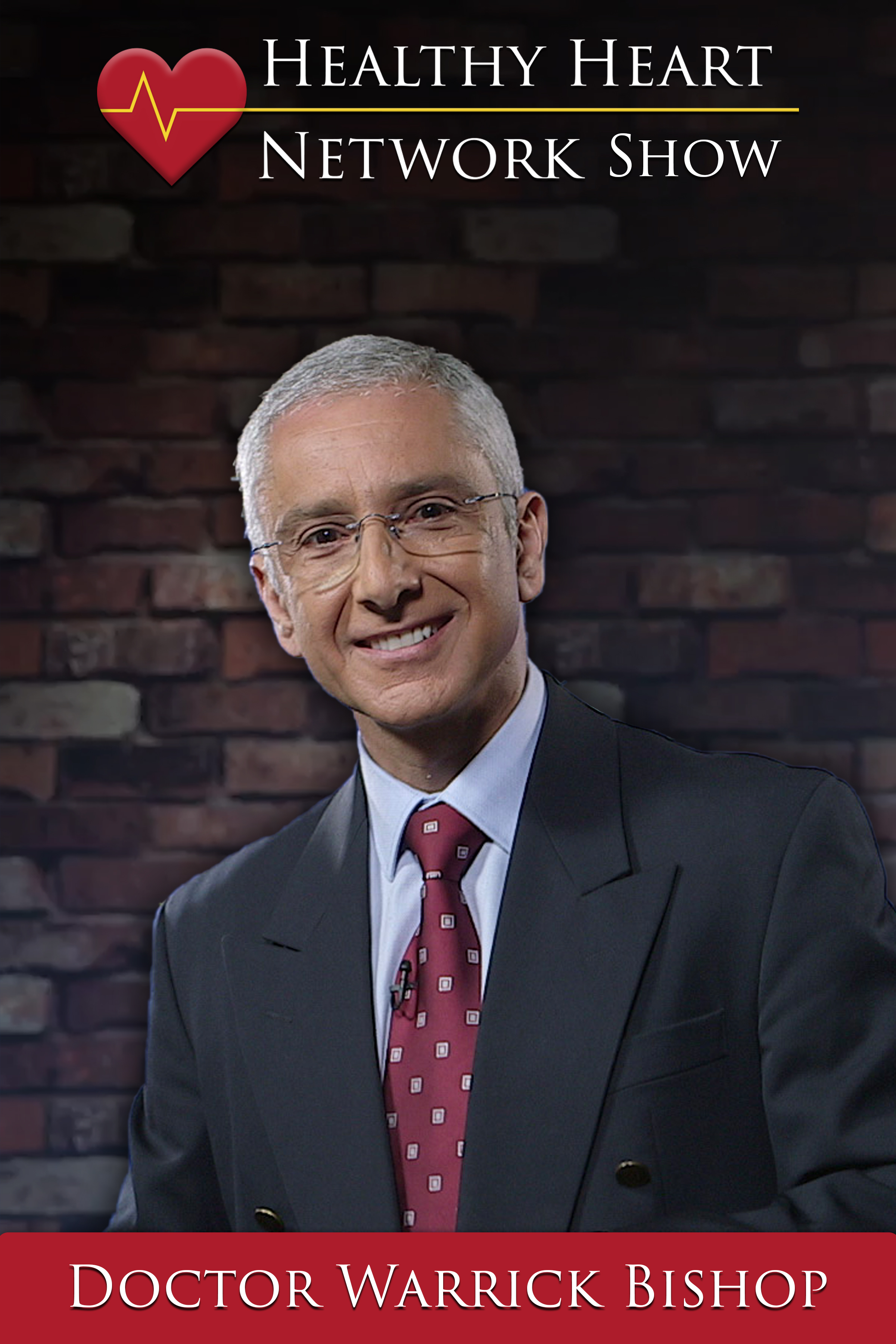
Welcome to my podcast. I am Doctor Warrick Bishop, and I want to help you to live as well as possible for as long as possible. I’m a practising cardiologist, best-selling author, keynote speaker, and the creator of The Healthy Heart Network. I have over 20 years as a specialist cardiologist and a private practice of over 10,000 patients.
Podcast Summary
Introduction
Dr. Warrick Bishop is a practicing cardiologist and author dedicated to improving patient care through heart health education. In this episode, he discusses the "No Second Chances" document from the Baker Heart and Diabetes Institute, which highlights the critical risks that cardiac event survivors face and emphasizes the importance of aggressive risk reduction strategies to prevent future events.
Key Takeaways:
-
Heart attack survivors are twice as likely to die prematurely compared to the general population, with a one in six chance of dying from the initial event itself.
-
Patients who have suffered two or more heart attacks face three times the risk of premature death compared to the general population.
-
Within 12 months of a heart attack, one in 10 survivors will experience another heart attack, underscoring the critical importance of medication adherence and risk management.
-
Within seven days of a stroke, approximately 10% of patients will suffer another stroke, highlighting the immediate and ongoing danger during the acute period.
-
Medication compliance is essential for preventing secondary cardiac events, as patients who discontinue prescribed medications face significantly higher risks of experiencing additional events.
-
Primary prevention strategies should be strengthened to prevent first-time cardiac and cerebrovascular events rather than focusing solely on secondary prevention after an event occurs.
-
Proactive health maintenance including regular blood pressure checks, cholesterol monitoring, consistent exercise, and healthy diet choices are critical preventative measures.
-
Heart disease remains the most expensive disease in the country, with costs projected to nearly double from $12 billion (2012-2013) to $22 billion (2032-2033).
-
Patients prescribed risk-modifying medications should recognize and appreciate their value, as these medicines demonstrably work to reduce the risk of future cardiac events.
-
Individuals should approach personal health management like vehicle maintenance—servicing regularly while functioning well rather than waiting for a breakdown to occur.