Heart Attacks are Preventable!

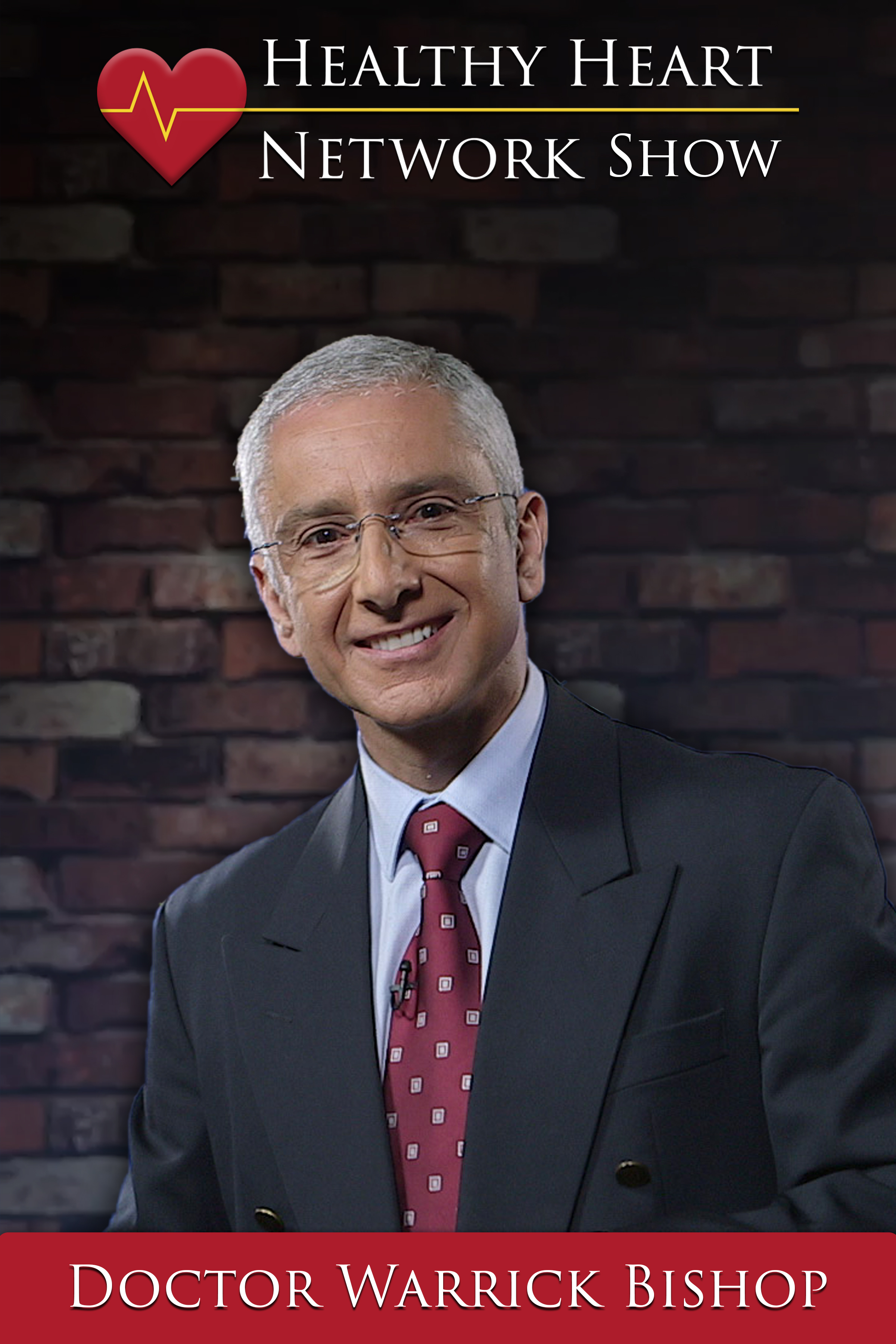
Welcome to my podcast, I am Doctor Warrick Bishop, and I want to help you to live as well as possible for as long as possible. I’m a practising cardiologist, best-selling author, keynote speaker, and the creator of The Healthy Heart Network. I have over 20 years as a specialist cardiologist, a private practice of over 10,000 patients.

Australia, like the rest of the western world, has a heart problem.

Over 9 million people around the world die from heart disease every year.

Every 10 minutes, someone in Australia suffers a heart attack. And 21 lives are lost daily because of it.

The devastating fact in all this is… 

Almost every one of those cases could have been prevented. 

This podcast is for anyone who wants to improve their health literacy and gain information to help them make the best decisions about their risk of heart attack, their cholesterol, blood pressure, risk of diabetes, weight loss and general health. Join me on my personal mission journey to prevent Heart Attack on a global scale. If you like this podcast I would be honoured with a 5-star review and let your friends and family know, you may even save the life of someone you love!

Episodes

EP178: Why Fuss About Blood Pressure?

Welcome to my podcast. I am Doctor Warrick Bishop, and I want to help you to live as well as possible for as long as possible. I’m a practising cardiologist, best-selling author, keynote speaker, and the creator of The Healthy Heart Network. I have over 20 years as a specialist cardiologist and a private practice of over 10,000 patients. Podcast Summary Introduction Dr. Warrick is a practicing cardiologist and author dedicated to improving patient care through heart health education. In this episode, he explores blood pressure—the single most significant modifiable risk factor for heart attack and stroke in developed countries—and explains how it impacts the cardiovascular system, measurement techniques, and evidence-based management strategies. Key Takeaways: High blood pressure is defined as systolic pressure over 130 mmHg and diastolic pressure over 80 mmHg, with every 20 mmHg increase in systolic or 10 mmHg increase in diastolic pressure doubling the risk of cardiovascular events. Systolic pressure reflects how hard the heart contracts and how much the blood vessels relax, while diastolic pressure depends on the recoil and compliance of the aorta—stiffer arteries produce higher systolic and lower diastolic readings. A 24-hour ambulatory blood pressure monitor is the clinical gold standard for accurate diagnosis, as it captures an average profile over time rather than isolated office readings affected by white coat hypertension. Elevated blood pressure damages five critical systems: the heart (heart attack), brain (stroke), heart rhythm (atrial fibrillation), heart function (cardiac failure), and kidneys (renal failure). Weight loss of 5-10 kilograms and regular exercise 2-4 times weekly are as effective as single blood pressure medications, making lifestyle modifications a crucial first-line treatment. The "perfect" blood pressure is individualized and found at the lowest level a patient can tolerate without experiencing symptoms like lightheadedness when standing or getting out of bed. Newer technologies including smartphones and apps show promise for more effective home-based blood pressure monitoring and management in coming years. Read more

EP177: Interview With Angela Peris - An Amazing Story

Welcome to my podcast. I am Doctor Warrick Bishop, and I want to help you to live as well as possible for as long as possible. I’m a practising cardiologist, best-selling author, keynote speaker, and the creator of The Healthy Heart Network. I have over 20 years as a specialist cardiologist and a private practice of over 10,000 patients. Podcast Summary Introduction Dr. Warrick Bishop, a practicing cardiologist and author dedicated to patient education, hosts this episode featuring Angela Paris, a registered nurse with specialized training in cardiac and intensive care nursing who is passionate about holistic patient care. In this deeply moving episode, Angela shares an extraordinary personal story about a life-saving cardiac resuscitation and its remarkable 30-year aftermath that demonstrates the profound impact healthcare professionals can have on patients and their families. Key Takeaways: The decision to continue or stop resuscitation efforts during cardiac arrest is emotionally complex and requires clinical judgment to balance perseverance with knowing when further attempts are futile. Angela's instinct to request "one more chance" to defibrillate a patient in cardiac arrest after 40 minutes of unsuccessful resuscitation proved successful, converting him to sinus rhythm with cardiac output. High-quality CPR and chest compressions during resuscitation significantly improve the likelihood of good brain perfusion and potential for full recovery. The patient's daughter was getting married just days after his cardiac arrest, making his survival emotionally significant as he was able to be present for the wedding and subsequent decades of family life. Healthcare professionals often treat not just an individual patient but an entire family unit; understanding patients' interconnected relationships with loved ones adds meaning to medical interventions. Four years later, the same patient returned to the hospital and recognized Angela, expressing his family's ongoing gratitude and revealing he now had two grandchildren because of her actions. Approximately 18 years after the original resuscitation, Angela shared the patient's story at a library event promoting her book "Loving Your Heart," and the patient unexpectedly appeared in the audience to reunite with her. Thirty years after the initial cardiac arrest, Angela reconnected with the patient by phone, discovering he had received a heart transplant 13 years prior and was still alive, continuing to inspire medical trainees with his survival story. The patient's youngest daughter, who was approximately 10-15 years old at the time of his cardiac arrest, recently asked her father for Angela's contact information, demonstrating how the impact rippled across generations. Angela views her role in saving this man's life—extending it by 30 years—as fulfilling her life's purpose, illustrating the spiritual and professional fulfillment that comes from making a tangible difference in people's lives. Read more

EP176: Diet, Nutrition, And The Heart

Welcome to my podcast. I am Doctor Warrick Bishop, and I want to help you to live as well as possible for as long as possible. I’m a practising cardiologist, best-selling author, keynote speaker, and the creator of The Healthy Heart Network. I have over 20 years as a specialist cardiologist and a private practice of over 10,000 patients. Podcast Summary Introduction Dr. Warrick is a practicing cardiologist and author dedicated to improving heart health through patient education. In this episode, he addresses one of his most frequently asked questions—"What should I eat, doc?"—by examining the scientific evidence on diet and nutrition for heart health. The discussion focuses on distinguishing reliable research (prospective, randomized trials) from less reliable observational data when evaluating dietary recommendations. Key Takeaways Heart attack death rates declined over four decades due to better surveillance, medications, and treatments, but this trend reversed around 2015 as obesity and diabetes crises began undoing those gains. Observational and retrospective dietary studies are unreliable because they cannot account for confounding factors—for example, people who eat expensive bananas may have better health outcomes due to wealth and healthcare access, not the bananas themselves. The PREDIMED trial, a landmark prospective randomized study, showed Mediterranean diets enriched with olive oil or nuts reduced cardiovascular events by approximately 30% compared to low-fat diets, even with higher LDL cholesterol levels. The DART trial (secondary prevention) demonstrated a 30% reduction in all-cause mortality in heart attack patients who consumed more fatty fish, suggesting omega-3 enriched diets provide protective benefits. The Lyon Heart Study showed a striking 70% relative risk reduction in heart attacks and cardiovascular death for post-heart attack patients following a Mediterranean diet enriched with extra virgin olive oil and terrestrial omega-3 oils. The Spokane trial confirmed that both low-fat and Mediterranean dietary interventions reduced cardiovascular risk by 30% compared to usual care in heart attack patients. The strongest evidence supports a Mediterranean-style diet: predominantly plant-based, enriched with extra virgin olive oil and nuts, including fish, while avoiding trans fats and processed foods. For weight loss and diabetes prevention specifically, Dr. Warrick recommends minimizing refined carbohydrates and complex carbohydrates (breads, pastas, rice, potatoes, cereals) in large amounts, while maintaining the Mediterranean diet framework. A practical dietary approach combines multiple health goals—reducing heart disease risk, managing weight, and preventing diabetes progression—all achievable through a single Mediterranean-based eating pattern. Eggs are considered acceptable in moderation within a heart-healthy Mediterranean diet, alongside the emphasis on plant-based foods and healthy oils. Read more

EP175: Interview With Angela Peris - Holistic Health Care

Welcome to my podcast. I am Doctor Warrick Bishop, and I want to help you to live as well as possible for as long as possible. I’m a practising cardiologist, best-selling author, keynote speaker, and the creator of The Healthy Heart Network. I have over 20 years as a specialist cardiologist and a private practice of over 10,000 patients. Podcast Summary Introduction Dr. Warrick Bishop, a practicing cardiologist and author, interviews Angela Paris, a registered nurse with specialized ICU and coronary care training who is passionate about holistic wellbeing and cardiac rehabilitation. The episode explores the multifaceted approach to cardiac health, focusing on preventative care and the crucial connection between emotional wellbeing and heart health. Together, they discuss how cardiac rehabilitation should begin before a cardiac event occurs, emphasizing a proactive rather than reactive approach to heart disease prevention. Key Takeaways: Cardiac rehabilitation should be preventative and available to anyone with risk factors (high blood pressure, cholesterol, diabetes, obesity, stress) rather than only after a cardiac event has occurred The heart is the body's emotional center, and emotional blockages such as anger, resentment, blame, and stress can directly contribute to heart disease Conditions like "broken heart syndrome" (takotsubo syndrome) demonstrate the real physiological impact of acute emotional distress on the heart, and depression is clinically linked to increased heart attack risk Forgiveness, letting go, and meditation are powerful tools for releasing emotional blockages and improving cardiac outcomes Yoga and meditation have strong clinical evidence supporting their benefits in reducing atrial fibrillation recurrence and hospital readmissions for cardiac failure Managing stress through calming the autonomic nervous system has measurable benefits for heart health and can help reduce stress-related hypertension Patients with better emotional and psychological states experience better cardiac outcomes and quality of life compared to those carrying anxiety, worry, and fear A holistic cardiac wellness approach must address not just physical markers (cholesterol, blood pressure) but also mental, emotional, and spiritual wellbeing Read more

EP174: Talking Side Effects With Dr. Begg

Welcome to my podcast. I am Doctor Warrick Bishop, and I want to help you to live as well as possible for as long as possible. I’m a practising cardiologist, best-selling author, keynote speaker, and the creator of The Healthy Heart Network. I have over 20 years as a specialist cardiologist and a private practice of over 10,000 patients. Podcast Summary Introduction Dr. Warrick Bishop, a practicing cardiologist and author, hosts this episode with guest Dr. Alistair Begg, an experienced cardiologist from Adelaide with expertise in cardiac rehabilitation. The episode focuses on understanding medication side effects in cardiology, exploring how doctors and patients should communicate about adverse reactions and manage them effectively. Key Takeaways: Every medication and treatment carries both risks and benefits that must be clearly explained to patients, including potential side effects, efficacy limitations, and financial costs. There are three distinct types of adverse medication reactions: true allergies (severe, brisk immune responses), idiosyncratic reactions (unpredictable individual responses occurring in specific populations), and intolerances (dose-dependent reactions affecting tolerability). Statin myopathy (muscle damage from statins) is an idiosyncratic reaction occurring in approximately 1 in 80,000 people and requires blood testing to monitor; repeated exposure after severe reactions should be avoided. The first dose increment of most cardiac medications provides the greatest therapeutic benefit, while doubling the dose typically produces only marginal improvements (e.g., 6% additional cholesterol reduction with statins) while increasing side effects. Combination therapy using lower doses of different medications working through different pathways often provides superior results with fewer side effects compared to increasing single-agent dosing. For statin-intolerant patients, low-dose statin therapy combined with other cholesterol-reducing agents (such as absorption inhibitors) can provide significant cholesterol reduction without excessive side effects. Patients must communicate medication concerns to their healthcare team rather than stopping medications independently, as discontinuing essential drugs (like antiplatelet agents after stent placement) can be life-threatening. Certain blood pressure medications, particularly older agents like prazosin and early ACE inhibitors, require very low starting doses due to rapid onset and risk of sudden, severe drops in blood pressure. Some medications require slow dose escalation because patients initially show heightened sensitivity, but the body adapts over time, eventually requiring higher doses for effectiveness. Effective medication management requires collaborative communication between patients and their prescribing physicians to identify solutions for side effects, adjust dosages, or find alternative therapeutic combinations. Read more

EP173: Blood Pressure Tablets At Night And Fraudulent Research

Welcome to my podcast. I am Doctor Warrick Bishop, and I want to help you to live as well as possible for as long as possible. I’m a practising cardiologist, best-selling author, keynote speaker, and the creator of The Healthy Heart Network. I have over 20 years as a specialist cardiologist and a private practice of over 10,000 patients. Podcast Summary Introduction Dr. Warrick Bishop is a practicing cardiologist and author dedicated to patient education about heart health, believing that informed patients receive better care. In this episode, Dr. Bishop discusses the HYGIA trial, a controversial 2019 study examining whether taking blood pressure medications at night is more beneficial than taking them in the morning, and explores the broader implications of fraudulent or flawed research on clinical practice. Key Takeaways: The HYGIA trial (2019) randomized 20,000 patients to take blood pressure medications either morning or night, reporting a dramatic 45% relative risk reduction in cardiovascular disease outcomes. The trial's credibility has been questioned due to methodological concerns including unclear randomization procedures, the inclusion of 15 primary endpoints (which dilutes statistical accuracy), and unusually low patient loss-to-follow-up rates (only 607 out of 19,000). A troubling finding was a 40% increase in non-cardiovascular deaths from causes unrelated to blood pressure medication, such as accidents and cancer, which raised additional red flags about the trial's validity. Dr. Bishop emphasizes that the trial remains under investigation with no final conclusions, highlighting the importance of scrutinizing studies that claim results that seem "too good to be true." Improved medication adherence is a practical benefit of nighttime dosing for some patients, as incorporating tablets into evening routines can enhance compliance. Beta-blockers taken at night may reduce daytime fatigue side effects, allowing patients to avoid tiredness during waking hours while still receiving therapeutic benefits. Nighttime dosing can help lower blood pressure overnight without causing problematic drops during daytime activities, reducing the risk of postural hypotension or dizziness when standing and walking. Dr. Bishop's clinical practice selectively uses nighttime blood pressure medication dosing in specific situations where it demonstrates clear individual patient benefits. Read more

EP172: Cholesterol Statins and Brain Function

Welcome to my podcast. I am Doctor Warrick Bishop, and I want to help you to live as well as possible for as long as possible. I’m a practising cardiologist, best-selling author, keynote speaker, and the creator of The Healthy Heart Network. I have over 20 years as a specialist cardiologist and a private practice of over 10,000 patients. Podcast Summary Dr. Warrick is a practicing cardiologist and author dedicated to educating patients about heart health. In this episode, he addresses two common patient questions: how low cholesterol can go without affecting brain function, and whether statins impair cognitive function. Through examination of clinical trials and natural examples, Dr. Warrick provides evidence-based reassurance about the safety of aggressive cholesterol lowering and statin use for brain health. Key Takeaways: The Ebbinghaus study demonstrated that very low LDL cholesterol levels achieved with PCSK9 inhibitors produced no measurable cognitive impairment, even at levels lower than typically seen after heart attack treatment. Newborn babies naturally have very low LDL cholesterol levels (50-70 mg/dL) during their most active period of brain development, suggesting the brain functions well at these low levels. Families with non-functioning PCSK9 genes maintain very low cholesterol throughout their lives and show no brain dysfunction or cognitive abnormalities, often living long healthy lives. The PROSPER study of nearly 6,000 elderly patients found no difference in cognitive decline between those taking pravastatin and control groups over 3.5 years. The Heart Protection Study using simvastatin and the Jupiter trial using rosuvastatin both found no difference in cognitive outcomes between statin users and non-users across thousands of patients. Of 12 small trials specifically examining statins and cognition, nine showed no difference, one suggested decline, and two suggested cognitive benefit. Some statins are lipophilic (fat-soluble) and may accumulate in brain tissue, while others like rosuvastatin are hydrophilic (water-soluble) and less likely to affect the brain. Individual responses to statins vary, and mental fog may result from multiple lifestyle factors; if cognitive concerns arise, switching to less brain-penetrating statin options is a reasonable approach. Read more

EP171: Angela Hartly Interviewing Doctor Warrick Bishop on Stents and Statins

Welcome to my podcast. I am Doctor Warrick Bishop, and I want to help you to live as well as possible for as long as possible. I’m a practising cardiologist, best-selling author, keynote speaker, and the creator of The Healthy Heart Network. I have over 20 years as a specialist cardiologist and a private practice of over 10,000 patients. Podcast Summary Introduction Dr. Warrick Bishop is a practicing cardiologist from Australia with a passion for patient education in heart health, hosted here by Angela from Healthy Hearties. In this episode, they address a common patient concern: whether statins are necessary after receiving multiple stents, particularly when patients experience side effects like lethargy and don't feel significantly better following the procedure. Key Takeaways: If you've had three stents but aren't feeling better, something may be wrong—consult your cardiologist to rule out stent problems, additional narrowing, heart failure, or other complications rather than assuming it's just the medication. Yes, patients who have had a heart attack, stroke, bypass, or stent placement should take statins because robust scientific evidence over 25 years shows that lowering cholesterol in these high-risk individuals reduces future cardiac events. While high cholesterol alone is not a precise predictor of who will have a heart attack, cholesterol-lowering is critical once disease has been identified and documented. The Odyssey trial found that 75% of patients who believed they couldn't tolerate statins were actually able to take them without side effects, meaning many people unnecessarily avoid therapy that could help them. True statin side effects affect approximately 25% of patients, but it's essential to be absolutely certain the statin is causing the problem before stopping it, as many symptoms may be coincidental. Statin intolerance is dose-dependent, not an allergy, so adjusting the dose, frequency, or switching to a different statin (such as from lipophilic to hydrophilic formulations) can often resolve side effects. Strategies to manage statin side effects include taking alternate-day doses, reducing frequency to 2-3 days per week, combining with complementary cholesterol-lowering agents like ezetimibe, or trying coenzyme Q10 supplementation. Different statin formulations—even generic versus brand versions of the same drug—can produce different side effects due to varying inactive ingredients and fillers. Dr. Warrick offers approximately 150 podcasts on heart health topics, available free through the Healthy Heart Network app, providing accessible education for patients wanting to learn more about their condition and treatment options. Read more

EP170: Why The Cholesterol and Statin Controversy?

Welcome to my podcast. I am Doctor Warrick Bishop, and I want to help you to live as well as possible for as long as possible. I’m a practising cardiologist, best-selling author, keynote speaker, and the creator of The Healthy Heart Network. I have over 20 years as a specialist cardiologist and a private practice of over 10,000 patients. Podcast Summary Introduction Dr. Warrick Bishop is a practicing cardiologist and author who hosts this podcast to help patients understand heart health through education. In this episode, Dr. Bishop addresses the "statin and cholesterol conspiracy" by establishing key conceptual frameworks—including the differences between primary and secondary prevention, association versus causation, and population versus individual risk—before examining the scientific evidence and controversy surrounding statins, cholesterol, and dietary fat. Key Takeaways: Primary prevention (stopping a first heart attack) is harder to demonstrate benefit from than secondary prevention (preventing a second heart attack) because it requires treating large populations with uncertain individual outcomes. Association and causation are often confused in health discussions; factors like high cholesterol and saturated fat increase risk but do not directly cause disease in every individual. Population-based risk assessments (e.g., a 5% risk over 10 years) should not be applied directly to individuals, whose actual risk is either 0% or 100% depending on whether they have an event. Cholesterol and coronary artery disease should be understood as contributory factors in a multifactorial process, not absolute or singular causes. The 2013 Abramson paper reasonably questioned routine statin use in primary prevention for individuals with less than 10% risk over 10 years. The Malhotra paper highlighted that reducing dietary fat often inadvertently increases sugar consumption in commercial food products, potentially increasing insulin stimulation and weight gain. The PREDIMED trial demonstrated that Mediterranean diets enhanced with olive oil or nuts were superior to low-fat diets for primary prevention, suggesting not all fats are harmful. The Minnesota Coronary Experiment showed no cardiovascular benefit from replacing saturated fats with linoleic acid (corn oil), suggesting polyunsaturated fats from corn are not ideal replacements. Secondary prevention studies (DART and Spokane) support Mediterranean-style diets with olive oil and fish oil for individuals who have already had cardiac events. Rather than polarizing the debate into "good versus bad," the evidence suggests a Mediterranean diet with monounsaturated fats, nuts, leafy greens, and omega-3 oils is beneficial, while conspiracy theories can be sidestepped in favor of focusing on scientific evidence. Read more

EP169: What Causes Heart Attack?

Welcome to my podcast. I am Doctor Warrick Bishop, and I want to help you to live as well as possible for as long as possible. I’m a practising cardiologist, best-selling author, keynote speaker, and the creator of The Healthy Heart Network. I have over 20 years as a specialist cardiologist and a private practice of over 10,000 patients. Episode Summary Introduction Dr. Warrick Bishop is a practicing cardiologist and author dedicated to educating patients about heart health, believing that informed patients receive better care. In this episode, he provides a detailed explanation of how heart attacks occur, emphasizing the critical importance of understanding this process given that heart attacks account for 9 million deaths annually worldwide and affect people of all ages, including approximately 20% of victims under age 65. Key Takeaways: Heart attacks result from myocardial ischemia (lack of blood flow to heart muscle) or myocardial infarction (death of heart tissue), caused by arterial blockages that prevent adequate blood supply. Plaque buildup in arteries begins with localized wear and tear on the arterial lining (endothelium), which triggers the body's repair process and brings cholesterol into the damaged area. LDL (low-density lipoprotein or "bad cholesterol") deposits cholesterol into the arterial tissue, triggering an inflammatory response where white blood cells called macrophages move in to clear excess cholesterol. Macrophages can become overwhelmed by excess cholesterol, swell up, and rupture, releasing destructive enzymes that cause scarring and create a foundation for calcium deposits and plaque formation. Fatty plaques develop a thin fibrous cap and can rupture inward into the artery, causing plaque contents to mix with blood and trigger dangerous clot formation. Approximately 40% or more of heart attacks occur on plaques that were not limiting blood flow prior to rupture, meaning patients can feel completely healthy right up until the artery closes off. The silent nature of plaque development makes cardiovascular maintenance and understanding personal risk factors critically important for prevention. A sudden clot blocking an artery can cause the heart muscle to become irritable and flip into a dangerous electrical rhythm that can be fatal. Read more