EP231: Cardiac Devices

podcast-image.jpg
edd9164d216c19945bea55d0825befe1a07fdae5.jpeg

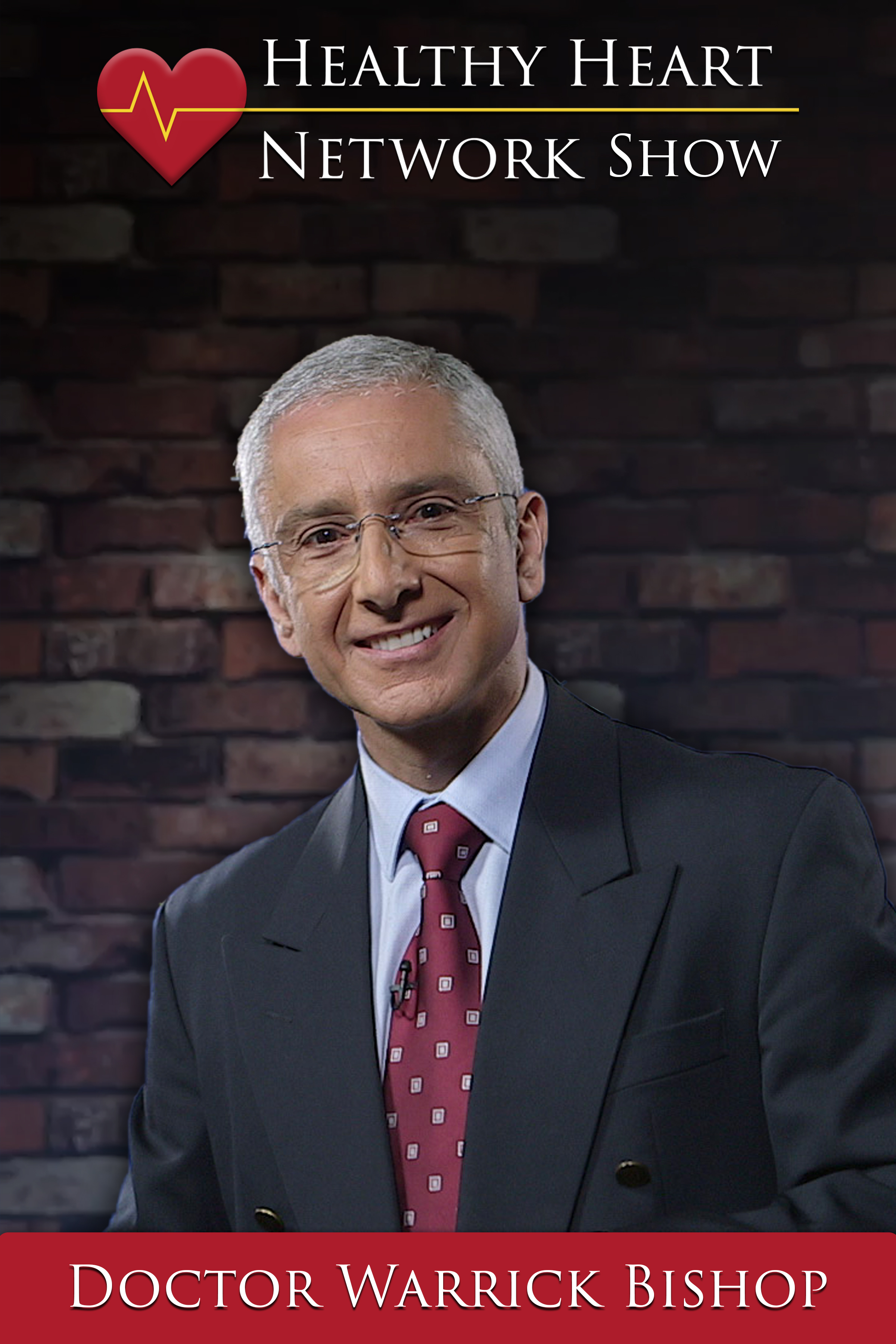
Welcome to my podcast. I am Doctor Warrick Bishop, and I want to help you to live as well as possible for as long as possible. I’m a practising cardiologist, best-selling author, keynote speaker, and the creator of The Healthy Heart Network. I have over 20 years as a specialist cardiologist and a private practice of over 10,000 patients.

Podcast Summary

Introduction

Dr. Warrick Bishop is a practicing cardiologist and author dedicated to educating patients about heart health, believing that informed patients receive better care. In this episode, he discusses various interventions and technologies available to treat heart failure, ranging from established medical devices to cutting-edge and experimental approaches. The episode explores how both current and future technologies can help patients with severely compromised cardiac function.

Key Takeaways:

  • Biventricular pacemakers synchronize both sides of the heart to restore symmetric contractions, helping hearts that squeeze inefficiently due to lack of coordination.

  • Implantable cardioverter-defibrillators (ICDs) function like portable paddles placed under the skin with wires in the heart, automatically delivering electrical shocks to prevent sudden cardiac death when needed.

  • Ventricular assist devices (VADs) are portable pumps that can be carried like a small device, supporting heart function while patients heal or await heart transplantation.

  • Heart transplantation remains an option for patients with hearts beyond repair, though it is a major surgical procedure.

  • Stem cell therapy shows promise as a future treatment, using undifferentiated cells to regenerate damaged heart tissue and restore normal cardiac function.

  • Laboratory-grown heart cells can be generated in petri dishes and implanted back into damaged hearts to repair tissue.

  • Xenotransplantation using genetically modified pig hearts is being actively developed to overcome organ rejection and address the shortage of human donor hearts.

  • Despite these advanced technologies, lifestyle modifications including exercise, sensible diet, and weight control remain foundational treatments for heart failure.

  • Medications continue to be essential tools that support heart function and maintain proper fluid balance in cardiac patients.

  • Treatment decisions regarding devices and operations should be guided by individual cardiologists based on each patient's specific circumstances.


Starter Healthy Heart Membership

Transcript English

Welcome to Dr. Warrick's podcast channel. Warrick is a practicing cardiologist and author with a passion for improving care by helping patients understand their heart health through education. Warrick believes educated patients get the best health care. Discover and understand the latest approaches and technology in heart care and how this might apply to you or someone you love. When it comes to cardiac failure, sometimes it's hard to know whether we're dealing with the cutting edge technology or future technology or even talking about science fiction. Hi, my name is Dr. Warrick Bishop and I'd like to talk about some of the interventions, which can be procedures or operations, that we can do to help people with heart failure. One of the important... tools that we use on a regular basis is a special pacemaker. That pacemaker is called a biventricular pacer. That's a bit of a complex term but what it simply means is it makes sure that both sides of the heart are synchronously activated. So if we think of the heart as a squeeze box, you want your squeeze box to come in and out symmetrically. Some hearts don't have that symmetry. squeeze as if there's only one hand working. And so we've got a fantastic device that allows us to use an electrical impulse to synchronize that heart and bring it back toward normal function. That's called a biventricular pacing device. You may know someone who's had one. We also have available to us defibrillators. Now you've seen On the TV or on movies, I'm sure, where people have put paddles on the chest and given someone an electric shock to restart the heart. Well, it turns out if we find people with hearts that are bad enough, with other particular characteristics or in certain situations, we can actually put a defibrillator under the skin with a wire that goes into the heart to do exactly the same thing as those paddles, but when no one's around. Those defibrillators can keep people alive and are a fantastic tool to have in the armamentarium against cardiac failure. We also have amazing technology that allows us to hook up the blood vessels going in and out of the heart and hook them to a pump that the person can carry around, literally like a small Walkman. And that pump is a ventricular assist device, pumping device that helps the heart that's not working properly. So that little device is a pump of its own supporting the function of the individual while their heart heals or perhaps while they wait for a heart transplantation. So heart transplantation as well is a technology and intervention that we can put in place to help people with hearts that are beyond repair. It is a major procedure. But the future is interesting. We're looking at things like stem cells where we can literally populate undifferentiated cells into a damaged area of the heart and see if we can encourage those undifferentiated cells to grow into muscle cells to then restore the heart back to normal function by regenerating the damaged area of heart. We can also generate cells that are heart cells in a petri dish in a laboratory and when we've generated those cells we can then implant those back into the heart. That sounds pretty cool as well. The other thing that is being worked on in the future is what we call xenotransplantation and what that means is that we're looking to grow hearts in other animals that we can change the body's recognition systems to avoid rejection so that that heart can be taken from the donor animal and given to a human being. Currently there's a lot of work being done with pigs in that space turning off the body's mechanism for recognising self or other and making those donor pigs able to be received, those hearts received. by a human being well all these devices are really quite technologically advanced and obviously some of those are futuristic and some almost bordering on science fiction but we're pretty close actually so we've moved to a future that seems a bit like science fiction remember though the mainstays of cardiac failure still remain and that's we look at lifestyle modification exercise sensible diet keeping the weight under control we've got fantastic medications these days that support and nurture the heart and keep fluid balance and if those things need are just not doing the job then we have the opportunity for devices and operations in selected individuals but that is really the realm of the treating cardiologist who will guide individuals through that process. Well, I hope you found that interesting. I've got a piece on it which you might be interested in reading. I'm going to wish you the very best. Take care. Bye for now.