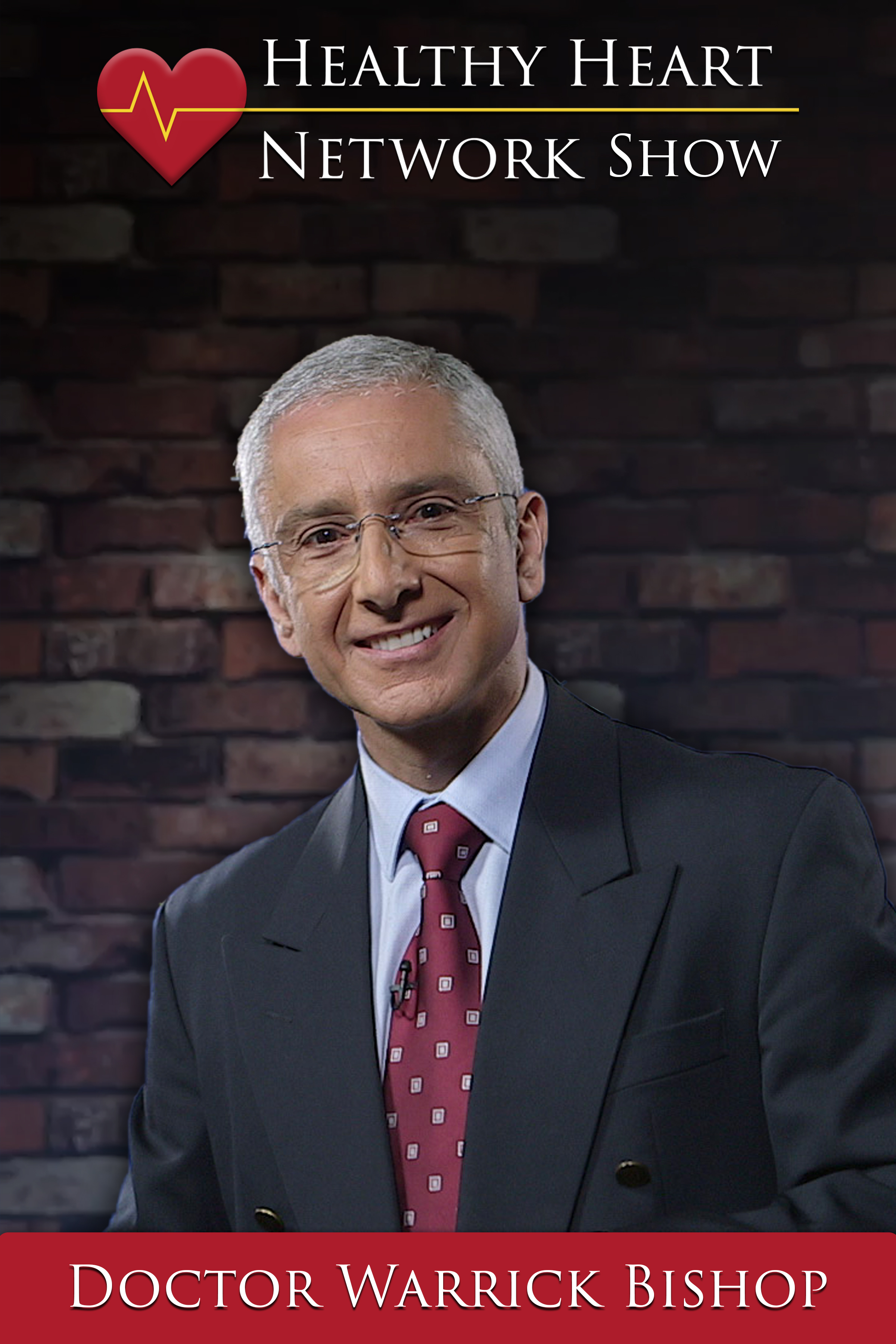
Welcome to my podcast. I am Doctor Warrick Bishop, and I want to help you to live as well as possible for as long as possible. I’m a practising cardiologist, best-selling author, keynote speaker, and the creator of The Healthy Heart Network. I have over 20 years as a specialist cardiologist and a private practice of over 10,000 patients.
Introduction
Dr. Eric Bishop is a practicing cardiologist and passionate educator dedicated to helping patients understand heart health through accessible education. In this episode, Dr. Bishop demystifies cardiac failure—a condition that causes significant anxiety in many patients—by explaining what it actually means, how it develops, and the importance of prevention. The episode emphasizes that educated patients receive better healthcare outcomes and that understanding the physiological mechanisms behind heart failure is key to managing the condition effectively.
Key Takeaways:
-
Cardiac failure is characterized primarily by shortness of breath (especially during exertion) and fluid retention, typically beginning in the feet and ankles.
-
The heart can fail in two distinct ways: through reduced contractility (inability to pump properly) or through impaired relaxation (stiffness that prevents proper filling).
-
Heart failure results from an evolutionary mismatch—the body's ancient survival mechanism interprets reduced blood flow as blood loss and retains fluid, which paradoxically worsens the condition by overloading an already failing heart.
-
Cardiac failure is more prevalent in aging populations and in patients with pre-existing heart conditions such as hypertension, previous heart attacks, or prior cardiac surgery.
-
Treatment focuses on two main goals: supporting heart function and removing excess fluid from the body.
-
Prevention is more effective than treatment—maintaining a healthy lifestyle, regular exercise, controlled blood pressure, and reduced cardiovascular risk factors are the best ways to avoid developing cardiac failure.
-
Any patient diagnosed with cardiac failure should consult with a cardiologist for proper evaluation and personalized treatment planning.