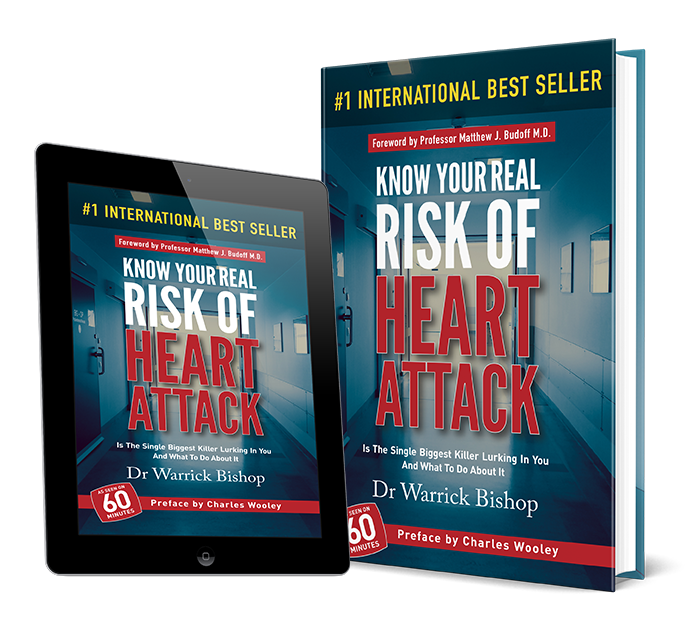
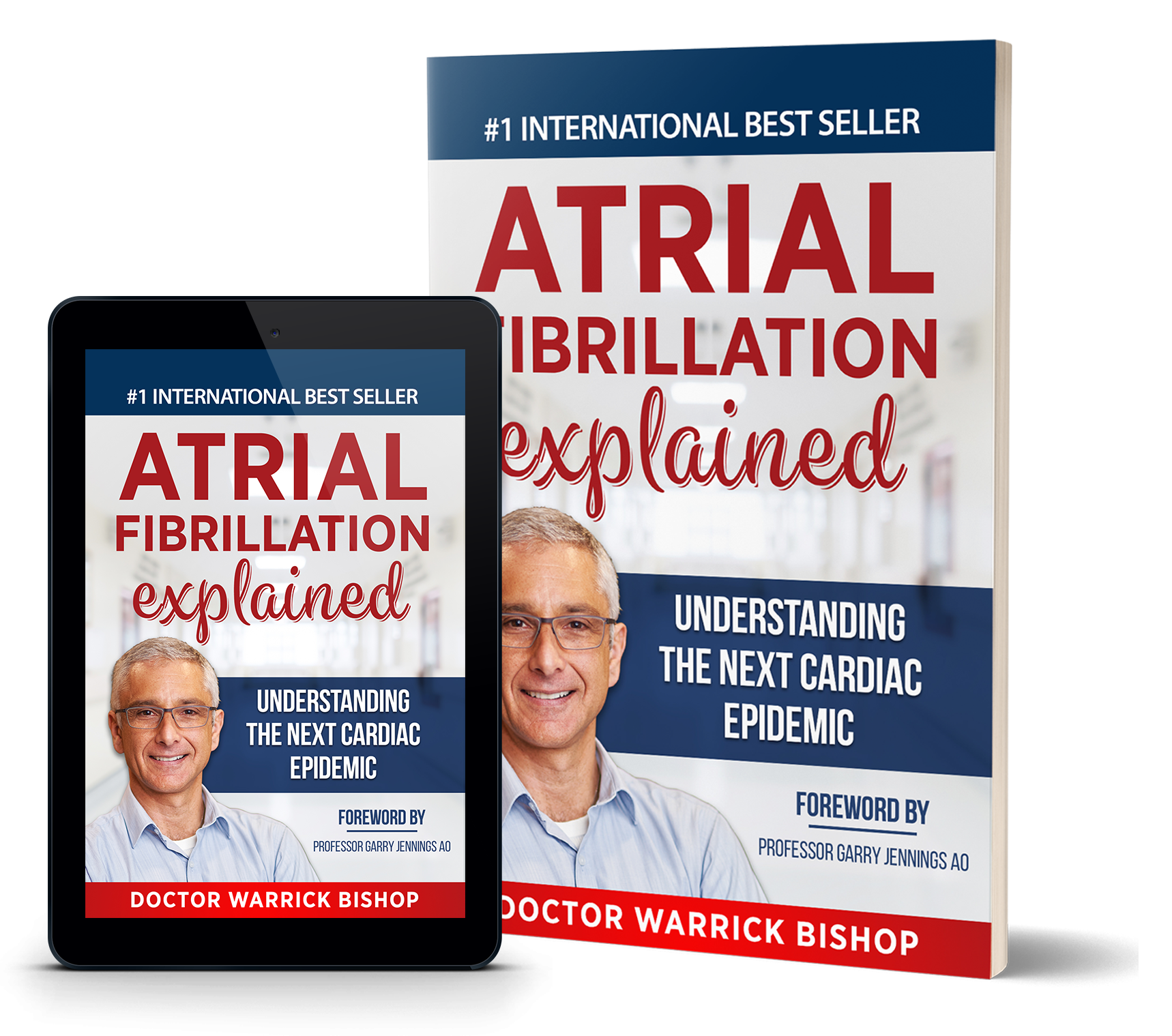
Welcome to my podcast, I am Doctor Warrick Bishop, and I want to help you to live as well as possible for as long as possible. I’m a practising cardiologist, best-selling author, keynote speaker, and the creator of The Healthy Heart Network. I have over 20 years as a specialist cardiologist, a private practice of over 10,000 patients.
Australia, like the rest of the western world, has a heart problem.
Over 9 million people around the world die from heart disease every year.
Every 10 minutes, someone in Australia suffers a heart attack. And 21 lives are lost daily because of it.
The devastating fact in all this is…
Almost every one of those cases could have been prevented.
This podcast is for anyone who wants to improve their health literacy and gain information to help them make the best decisions about their risk of heart attack, their cholesterol, blood pressure, risk of diabetes, weight loss and general health. Join me on my personal mission journey to prevent Heart Attack on a global scale. If you like this podcast I would be honoured with a 5-star review and let your friends and family know, you may even save the life of someone you love!

 Doctor Warrick
10 Aug. 2025
Guest Interviews
, Risks
, Heart Health
0 comments
Played 1551 times
Doctor Warrick
3 Aug. 2025
Guest Interviews
, Risks
, Heart Health
0 comments
Played 1640 times
Doctor Warrick
20 Jul. 2025
Atrial Fibrillation
, Guest Interviews
, Heart Health
0 comments
Played 1650 times
Doctor Warrick
29 Jun. 2025
Supplements
, Cholesterol
, Heart Health
0 comments
Played 1893 times
Doctor Warrick
15 Jun. 2025
Exercise and Weight Loss
, Risks
, Heart Health
0 comments
Played 1709 times
Doctor Warrick
10 Aug. 2025
Guest Interviews
, Risks
, Heart Health
0 comments
Played 1551 times
Doctor Warrick
3 Aug. 2025
Guest Interviews
, Risks
, Heart Health
0 comments
Played 1640 times
Doctor Warrick
20 Jul. 2025
Atrial Fibrillation
, Guest Interviews
, Heart Health
0 comments
Played 1650 times
Doctor Warrick
29 Jun. 2025
Supplements
, Cholesterol
, Heart Health
0 comments
Played 1893 times
Doctor Warrick
15 Jun. 2025
Exercise and Weight Loss
, Risks
, Heart Health
0 comments
Played 1709 times