Heart Attacks are Preventable!

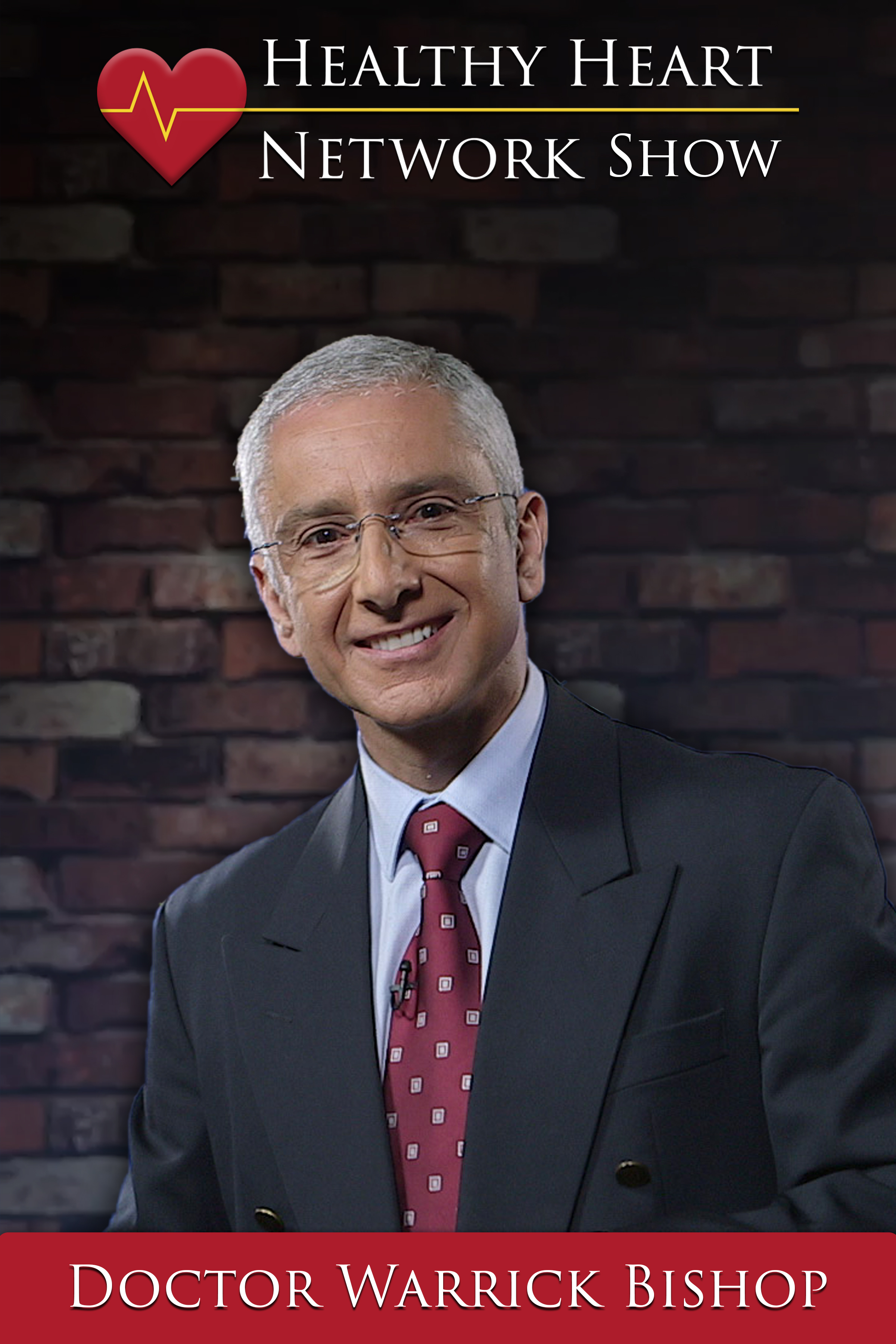
Welcome to my podcast, I am Doctor Warrick Bishop, and I want to help you to live as well as possible for as long as possible. I’m a practising cardiologist, best-selling author, keynote speaker, and the creator of The Healthy Heart Network. I have over 20 years as a specialist cardiologist, a private practice of over 10,000 patients.

Australia, like the rest of the western world, has a heart problem.

Over 9 million people around the world die from heart disease every year.

Every 10 minutes, someone in Australia suffers a heart attack. And 21 lives are lost daily because of it.

The devastating fact in all this is… 

Almost every one of those cases could have been prevented. 

This podcast is for anyone who wants to improve their health literacy and gain information to help them make the best decisions about their risk of heart attack, their cholesterol, blood pressure, risk of diabetes, weight loss and general health. Join me on my personal mission journey to prevent Heart Attack on a global scale. If you like this podcast I would be honoured with a 5-star review and let your friends and family know, you may even save the life of someone you love!

Episodes

EP16: The Art Of Good Medicine

Welcome to my podcast. I am Doctor Warrick Bishop, and I want to help you to live as well as possible for as long as possible. I’m a practising cardiologist, best-selling author, keynote speaker, and the creator of The Healthy Heart Network. I have over 20 years as a specialist cardiologist and a private practice of over 10,000 patients. EP16: The Art Of Good Medicine - Summary Dr. Warwick Bishop is a practicing cardiologist and author who hosts this podcast dedicated to helping patients understand heart health through education. In this episode, Dr. Bishop discusses a chapter from his book exploring how evidence-based medicine works in practice and the limitations clinicians must navigate when applying scientific findings to individual patients. He argues that good medicine requires balancing rigorous evidence with clinical experience and personalized patient care. Key Takeaways: Evidence-based medicine provides scientific assessment of treatments, but study complexity means many confounding variables cannot be controlled or matched between patient groups. Medical evidence reveals what works for the "average" patient, but individual patients often fall at the extremes of the range and require customized treatment approaches. Some medical interventions cannot be tested through randomized controlled trials because withholding them would be unethical (such as early antibiotics), leaving gaps in the formal evidence base. Study design flaws can undermine evidence validity—for example, using dosages of treatment agents that are too low to produce measurable effects. The evidence base is inherently historical and can become outdated as new technologies emerge that shift our understanding of existing data. Conflicting research results on the same topic (such as vitamin C effectiveness) create ambiguity about which evidence to trust, even when both studies appear well-conducted. Good medicine is an art that combines three essential elements: an experienced practitioner, knowledge of the current evidence base, and understanding of the individual patient's unique needs. The best clinical outcomes result from experienced doctors integrating scientific evidence with personal clinical judgment to create customized management strategies for each patient. Read more

EP15: What Is An Angiogram?

EP15: What Is An Angiogram? Read more

EP14: Assocation Vs. Causation

Welcome to my podcast. I am Doctor Warrick Bishop, and I want to help you to live as well as possible for as long as possible. I’m a practising cardiologist, best-selling author, keynote speaker, and the creator of The Healthy Heart Network. I have over 20 years as a specialist cardiologist and a private practice of over 10,000 patients. Episode Summary: Association Vs. Causation Dr. Warwick, a practicing cardiologist and author, hosts this educational podcast dedicated to improving patient care through heart health literacy. The episode focuses on the critical distinction between association and causation—a fundamental concept that helps patients and the public better understand medical research and avoid misinterpreting health information. Dr. Warwick believes that educated patients are better equipped to make informed decisions about their cardiovascular health. Key Takeaways: Understanding the difference between association and causation is essential for interpreting medical research and health claims Educated patients are better positioned to receive optimal healthcare outcomes Medical studies often demonstrate correlations between factors without proving direct causation Misinterpreting research findings can lead to unnecessary lifestyle changes or health anxiety Critical evaluation of health information helps patients distinguish between reliable evidence and misleading claims Dr. Warwick emphasizes education as a cornerstone of improving overall patient care quality Read more

EP13: Who Gets Atrial Fibrillation?

Welcome to my podcast. I am Doctor Warrick Bishop, and I want to help you to live as well as possible for as long as possible. I’m a practising cardiologist, best-selling author, keynote speaker, and the creator of The Healthy Heart Network. I have over 20 years as a specialist cardiologist and a private practice of over 10,000 patients. Episode Summary Introduction: Dr. Warwick is a practicing cardiologist and author dedicated to improving patient care through heart health education. In this episode, he explores who develops atrial fibrillation, discussing the various risk factors and conditions that increase susceptibility to this common arrhythmia, while emphasizing that educated patients receive better healthcare outcomes. Key Takeaways: Although more men develop atrial fibrillation in absolute numbers, women experience higher complication rates and are therefore equally impacted by the condition. Age is a significant risk factor that progressively increases atrial fibrillation incidence, and some families show genetic predisposition to the condition. High blood pressure causes structural changes to the atrium through stretching and microscopic scarring, altering electrical flow and increasing arrhythmia risk. External factors including diabetes, obesity, and obstructive sleep apnea increase atrial fibrillation risk by causing inflammation, scarring, and autonomic nervous system activation. Chronic kidney disease carries a notably high risk, with nearly 20% of patients developing atrial fibrillation due to elevated blood pressure, inflammation, and cardiac scarring. Acute stressors such as surgery, severe infections, pancreatitis, and emotional stress can trigger atrial fibrillation episodes by activating the fight-or-flight nervous system. Alcohol consumption, particularly heavy drinking combined with poor sleep, is a common external toxin that precipitates atrial fibrillation episodes. Moderate regular exercise significantly reduces atrial fibrillation risk, but endurance athletes paradoxically show higher rates due to cardiac dilatation and altered neurological responses to prolonged training. Controllable prevention strategies include managing blood pressure, maintaining healthy weight, ensuring good sleep quality, limiting alcohol, and reducing emotional stress. Read more

EP12: An Introduction to Atrial Fibrillation

Welcome to my podcast. I am Doctor Warrick Bishop, and I want to help you to live as well as possible for as long as possible. I’m a practising cardiologist, best-selling author, keynote speaker, and the creator of The Healthy Heart Network. I have over 20 years as a specialist cardiologist and a private practice of over 10,000 patients. Podcast Summary: EP12 - An Introduction to Atrial Fibrillation Introduction Dr. Warwick is a practicing cardiologist and author dedicated to educating patients about heart health, believing that informed patients receive better care. In this episode, he introduces atrial fibrillation through a personal story about his grandmother's experience with the condition in 1994, setting the stage for a series of episodes exploring this common cardiac condition in depth. Key Takeaways: Atrial fibrillation is an irregular heartbeat caused by loss of synchrony in the upper chambers of the heart, reducing pumping efficiency and potentially causing symptoms and serious complications. The condition affects over 30 million people worldwide, impacting approximately 3% of adults over 20 years old and over 10% of adults over 80 years old. Clot formation is a significant risk of atrial fibrillation due to abnormal blood pumping, which can lead to stroke and other complications. While guidelines recommend blood thinners like warfarin for stroke prevention, individual patient circumstances must be carefully considered, as guidelines don't account for specific personal health situations. Treatment of atrial fibrillation is highly individualized and should involve thorough discussion between patient and doctor about the pros and cons of each intervention option. Personalized medicine requires understanding each patient's unique needs, including their overall health status, medication tolerance, and ability to manage treatment regimens. Patient education and engagement are essential for optimal management of atrial fibrillation and achieving the best health outcomes. Read more

EP11: Reversing Anticoagulants - Warfarin Vs. NOACs

Welcome to my podcast. I am Doctor Warrick Bishop, and I want to help you to live as well as possible for as long as possible. I’m a practising cardiologist, best-selling author, keynote speaker, and the creator of The Healthy Heart Network. I have over 20 years as a specialist cardiologist and a private practice of over 10,000 patients. Episode Summary Introduction Dr. Warwick Bishop is a practicing cardiologist and author who hosts this educational podcast dedicated to helping patients understand heart health. In this episode, he discusses the critical topic of reversing anticoagulant medications, specifically comparing warfarin and NOACs (novel oral anticoagulants), and explaining what antidotes are available in emergency situations. Key Takeaways: Warfarin works through vitamin K-dependent factors in the coagulation cascade, while NOACs target precise locations within the same cascade The simplest way to reverse anticoagulation is to simply stop taking the medication and allow the body to naturally restore coagulation factors over several days In emergency situations involving severe hemorrhage or urgent surgery, fresh frozen blood products containing coagulation factors must be administered immediately, regardless of anticoagulant type Vitamin K is not an effective antidote for warfarin in acute emergencies because the liver requires six or more hours to produce the necessary vitamin K-dependent factors Dabigatran (a NOAC) has an immediately effective antidote called Praxbind that binds to the drug and inactivates it, making it ideal for uncontrollable bleeding situations Rivaroxaban and apixaban (other NOACs) have a promising antidote called andexanet currently in trials, which is expected to work similarly to Praxbind but is not yet available in Australia When specific antidotes are unavailable, blood product transfusion remains the only viable option for rapidly reversing anticoagulation Read more

EP10: Women and Heart Health

Welcome to my podcast. I am Doctor Warrick Bishop, and I want to help you to live as well as possible for as long as possible. I’m a practising cardiologist, best-selling author, keynote speaker, and the creator of The Healthy Heart Network. I have over 20 years as a specialist cardiologist and a private practice of over 10,000 patients. Podcast Summary Introduction Dr. Warrick Bishop is a practicing cardiologist and author dedicated to improving patient care through heart health education, operating on the principle that educated patients receive better healthcare outcomes. In this episode, he addresses an under-discussed yet frequently encountered topic in his practice: the critical role of women in heart health and broader healthcare management. Drawing from his clinical experience, Dr. Bishop explores observations he regularly witnesses in his consulting room regarding women's involvement in their own and their family's medical care. Key Takeaways: Dr. Warrick Bishop emphasizes that patient education is fundamental to achieving optimal healthcare outcomes Women play a significant but under-documented role in managing heart health decisions within families and personal care The topic of women's involvement in heart health receives surprisingly little written attention despite its prevalence in clinical practice Dr. Bishop has observed consistent patterns regarding women's health management across numerous patient consultations There is a gap between what healthcare providers observe in practice and what is formally documented in medical literature Patient understanding of heart conditions and treatment options directly correlates with better health care delivery The episode focuses on making readers aware of largely invisible but important dynamics in how women engage with heart health management Read more

EP09: Treadmill Drugs and Preparation

Welcome to my podcast. I am Doctor Warrick Bishop, and I want to help you to live as well as possible for as long as possible. I’m a practising cardiologist, best-selling author, keynote speaker, and the creator of The Healthy Heart Network. I have over 20 years as a specialist cardiologist and a private practice of over 10,000 patients. Episode Summary Dr. Warwick is a practicing cardiologist and author dedicated to educating patients about heart health. In this episode, he discusses treadmill testing preparation, specifically addressing the common confusion patients have about whether to take or stop medications before the test. Dr. Warwick explains that medication management depends entirely on the purpose of the test and provides clear guidance to help patients understand what to expect. Key Takeaways: Treadmill tests serve two distinct purposes: diagnosis (determining if chest pain or shortness of breath is heart-related) and prognosis (assessing long-term outcomes in patients with known heart problems). For diagnostic treadmill tests, patients should stop heart rate-slowing medications before the test to allow the heart to reach its natural maximum rate and provide the clearest diagnostic information. Stopping medications before diagnostic tests increases test sensitivity and reduces the risk of missing abnormalities that could indicate lack of blood flow to the heart. For prognostic treadmill tests, patients should continue taking all their regular medications to assess how well the heart performs in real-world conditions on current treatment. In prognostic testing, doctors want to verify that prescribed heart medications are effectively protecting the patient and managing symptoms during high-intensity exercise. The key distinction is: diagnostic tests require being "off medication," while prognostic tests require being "on medication." Patients should always contact their doctor if unsure about medication instructions before a treadmill test rather than making assumptions. Educated patients receive better healthcare outcomes, which is why understanding the reasoning behind medical preparation instructions is important. Read more

EP08: Let's Talk About Blood Pressure

Welcome to my podcast. I am Doctor Warrick Bishop, and I want to help you to live as well as possible for as long as possible. I’m a practising cardiologist, best-selling author, keynote speaker, and the creator of The Healthy Heart Network. I have over 20 years as a specialist cardiologist and a private practice of over 10,000 patients. Episode Summary Introduction: Dr. Warwick is a practicing cardiologist and author dedicated to improving patient care through heart health education. In this episode, he provides a comprehensive explanation of blood pressure—what it is, why it matters, and how to measure it effectively—emphasizing that understanding blood pressure is crucial for preventing serious cardiovascular conditions. Key Takeaways: Blood pressure consists of two measurements: systolic (upper number) representing pressure during heart contraction, and diastolic (lower number) representing pressure when the heart relaxes. Systolic pressure is influenced by the stiffness of the aorta and arteries; as people age and arteries become stiffer, systolic pressure naturally increases due to less elastic give in the blood vessels. Diastolic pressure is determined by the elastic recoil of major arteries and the resistance in small blood vessels; relaxed blood vessels allow better blood flow and lower pressure. Elevated blood pressure is a significant risk factor for stroke, heart attack, atrial fibrillation, and cardiac failure—conditions that substantially impact quality of life and longevity. High blood pressure causes the heart to thicken and stiffen to cope with increased pressure, leading to premature aging of the heart and development of cardiac failure. Up to 20% of patients experience artificially elevated blood pressure readings in clinical settings due to anxiety (white coat hypertension), making home measurements and 24-hour monitors valuable diagnostic tools. 24-hour ambulatory blood pressure monitors provide the most comprehensive profile of blood pressure patterns and are Dr. Warwick's preferred tool for making treatment decisions. Blood pressure management is important but not urgent—it requires long-term commitment and lifestyle management rather than immediate intervention, except in medical emergencies of severely elevated readings. Read more

E07: ABC Radio Interview with Dr. Warrick Bishop

Welcome to my podcast. I am Doctor Warrick Bishop, and I want to help you to live as well as possible for as long as possible. I’m a practising cardiologist, best-selling author, keynote speaker, and the creator of The Healthy Heart Network. I have over 20 years as a specialist cardiologist and a private practice of over 10,000 patients. Episode Summary Introduction: Dr. Warwick Bishop is a practicing Tasmanian cardiologist and author who believes that educated patients receive better healthcare. In this episode, he discusses his new book Have You Planned Your Heart Attack?, which aims to empower individuals with knowledge about advanced heart imaging technology and cardiovascular risk assessment. His mission is to help people have informed conversations with their doctors about preventive heart health measures. Key Takeaways: A 2005 resuscitation of a heart attack patient Dr. Bishop had previously given a clean bill of health prompted him to reconsider how cardiac risk assessment could be improved. Advanced CT scanning technology has only recently become capable of producing clear, detailed images of a beating heart due to improvements in computing and imaging resolution. Heart disease remains one of Australia's major health concerns in terms of mortality, morbidity, and cost to the community, making prevention efforts critical. Heart attacks are not exclusively a lifestyle disease—seemingly fit and healthy individuals without obvious risk factors can still experience coronary events. The book was deliberately written in accessible, illustrated language for patients rather than medical professionals to empower informed conversations between patients and their general practitioners. Dr. Bishop focuses on explaining risk evaluation and where CT imaging may fit into individual assessment, rather than providing dietary advice or overstepping his expertise. Longitudinal studies and registries are needed to validate whether early intervention based on imaging findings reduces morbidity, mortality, and healthcare costs compared to current best practices. The goal is gradual adoption of this technology within the medical community through education, evidence, and patient-doctor dialogue rather than immediate widespread implementation. Read more