Heart Attacks are Preventable!

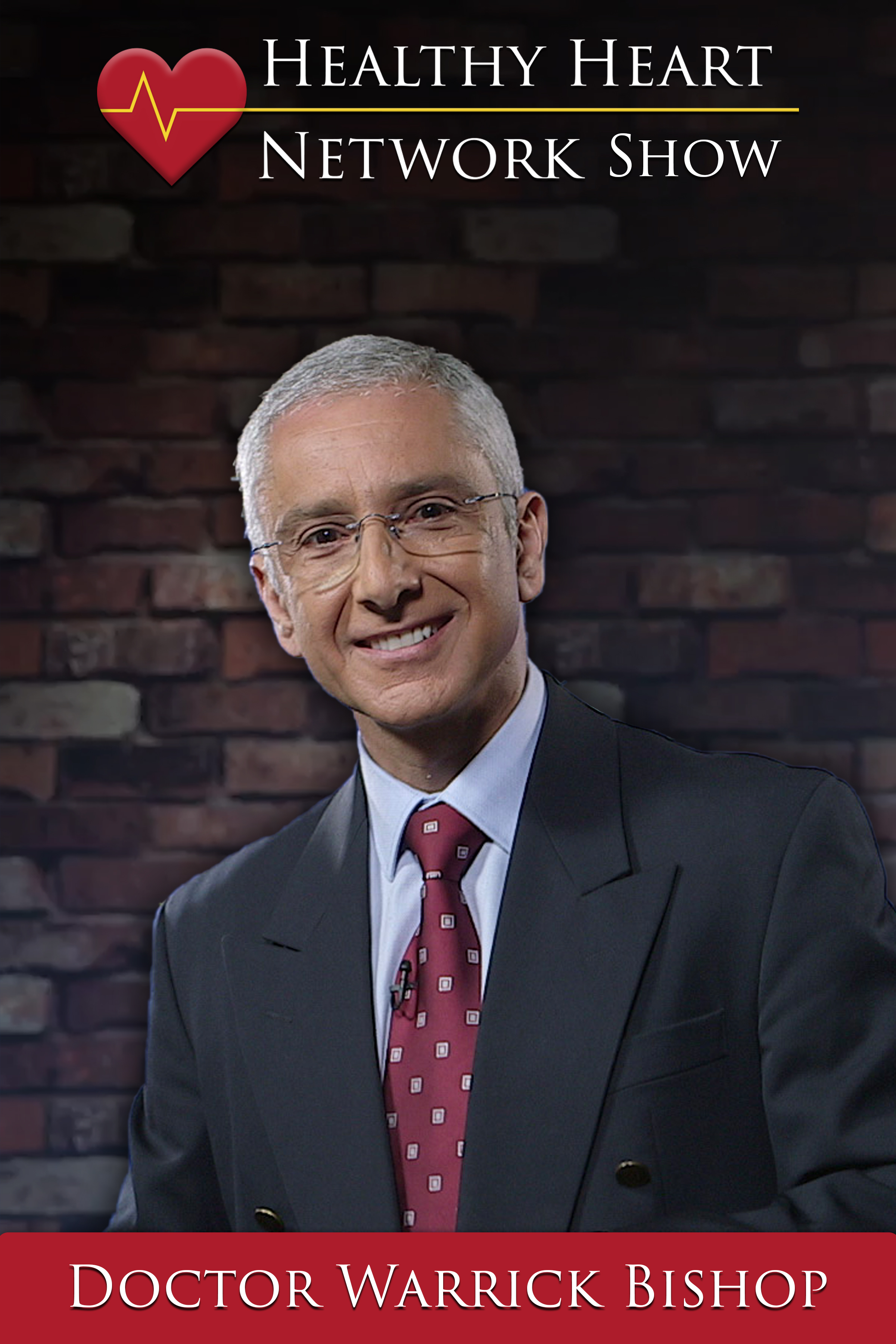
Welcome to my podcast, I am Doctor Warrick Bishop, and I want to help you to live as well as possible for as long as possible. I’m a practising cardiologist, best-selling author, keynote speaker, and the creator of The Healthy Heart Network. I have over 20 years as a specialist cardiologist, a private practice of over 10,000 patients.

Australia, like the rest of the western world, has a heart problem.

Over 9 million people around the world die from heart disease every year.

Every 10 minutes, someone in Australia suffers a heart attack. And 21 lives are lost daily because of it.

The devastating fact in all this is… 

Almost every one of those cases could have been prevented. 

This podcast is for anyone who wants to improve their health literacy and gain information to help them make the best decisions about their risk of heart attack, their cholesterol, blood pressure, risk of diabetes, weight loss and general health. Join me on my personal mission journey to prevent Heart Attack on a global scale. If you like this podcast I would be honoured with a 5-star review and let your friends and family know, you may even save the life of someone you love!

Episodes

EP28: Unexpected Positive Effects On Anticoagulation

Welcome to my podcast. I am Doctor Warrick Bishop, and I want to help you to live as well as possible for as long as possible. I’m a practising cardiologist, best-selling author, keynote speaker, and the creator of The Healthy Heart Network. I have over 20 years as a specialist cardiologist and a private practice of over 10,000 patients. Episode Summary Dr. Warwick Bishop, a practicing cardiologist and author, discusses anticoagulant medications used to treat atrial fibrillation. While these blood thinners are primarily prescribed to reduce stroke risk by preventing clot formation in the heart, Dr. Bishop explores some unexpected positive side effects that patients and doctors should be aware of beyond their primary cardiovascular benefits. Key Takeaways: Anticoagulants like warfarin and NOACs (non-vitamin K oral anticoagulants) are prescribed for atrial fibrillation to reduce stroke risk by preventing clots in the left atrial appendage of the heart. Blood thinners carry known risks including increased bleeding, particularly hemorrhagic stroke and gastrointestinal bleeding from existing lesions. Anticoagulants provide a secondary benefit for patients traveling long distances by also preventing deep vein thrombosis (blood clots in the legs) and pulmonary embolism. Increased bleeding from anticoagulants can paradoxically lead to earlier detection of bowel cancer by making fecal occult blood tests more likely to be positive when early tumors are present. Dr. Bishop has observed patients in his own practice having bowel cancer detected early due to positive fecal occult blood tests while on anticoagulants. When starting anticoagulation therapy, patients should consult with their GP about whether they are due for fecal occult blood screening to take advantage of this detection benefit. There is a potential future application of combining short-term anticoagulant therapy with routine fecal occult blood testing to increase screening sensitivity, though this remains untested. Read more

EP27: Blood Sugar And Testing

Welcome to my podcast. I am Doctor Warrick Bishop, and I want to help you to live as well as possible for as long as possible. I’m a practising cardiologist, best-selling author, keynote speaker, and the creator of The Healthy Heart Network. I have over 20 years as a specialist cardiologist and a private practice of over 10,000 patients. EP27: Blood Sugar And Testing - Summary Dr. Warwick Bishop is a practicing cardiologist and author dedicated to educating patients about heart health and cardiovascular care. In this episode, he discusses a patient case involving blood sugar assessment and explores the limitations of standard glucose tolerance testing. Dr. Bishop explains why measuring insulin resistance through the HOMA index may be a more effective diagnostic approach for identifying cardiovascular risk factors in certain patients. Key Takeaways: Standard glucose tolerance tests may miss insulin resistance because they only measure blood sugar at fasting and two hours post-glucose load, missing the metabolic activity that occurs in between. A patient can have a "normal" glucose tolerance test result while still showing signs of insulin resistance, including elevated fasting glucose, elevated triglycerides, low HDL cholesterol, and central weight gain. The HOMA (Homeostatic Metabolic Assessment) index uses simultaneous fasting blood sugar and insulin measurements to calculate an index that indicates whether a patient is insulin resistant. High HOMA index values (elevated insulin with slightly elevated or normal blood sugar) indicate insulin resistance, meaning the body requires excessive insulin to control blood sugar levels. Insulin resistance is strongly linked to cardiovascular risk factors including elevated triglycerides, reduced HDL cholesterol, and central obesity. Patients with insulin resistance benefit significantly from reducing carbohydrate consumption, which can lower insulin response, promote weight loss, reduce triglycerides, and improve HDL levels. HOMA testing may be a more appropriate initial assessment than glucose tolerance testing for patients showing metabolic syndrome characteristics, even if their fasting glucose isn't high enough to indicate diabetes. Read more

EP26: Transplants

Welcome to my podcast. I am Doctor Warrick Bishop, and I want to help you to live as well as possible for as long as possible. I’m a practising cardiologist, best-selling author, keynote speaker, and the creator of The Healthy Heart Network. I have over 20 years as a specialist cardiologist and a private practice of over 10,000 patients. I'd be happy to help summarize the podcast episode, but I don't see the actual transcript content in your message. You've provided instructions for what episode to summarize ("EP26: Transplants"), but the raw transcript text itself isn't included. Could you please paste the full transcript for "EP26: Transplants"? Once you provide it, I'll create a summary with: A 2-3 sentence introduction of the host, guest(s), and episode theme A "Key Takeaways:" section with 6-10 bulleted insights Please share the transcript and I'll get started! Read more

EP25: Exercise And Strain On The Heart

Welcome to my podcast. I am Doctor Warrick Bishop, and I want to help you to live as well as possible for as long as possible. I’m a practising cardiologist, best-selling author, keynote speaker, and the creator of The Healthy Heart Network. I have over 20 years as a specialist cardiologist and a private practice of over 10,000 patients. I appreciate you reaching out, but I don't see a podcast transcript included in your message. You've provided a placeholder noting that the transcript for "EP25: Exercise And Strain On The Heart" is missing. To help you, I'll need: Please share the actual podcast transcript text, and I'll be happy to summarize it in the format you requested: 2-3 sentence introduction (host, guest, and theme) 6-10 key takeaways in bullet-point format Once you provide the transcript, I can generate the summary immediately. Read more

EP24: Recent Insights From Lipid Meeting

Welcome to my podcast. I am Doctor Warrick Bishop, and I want to help you to live as well as possible for as long as possible. I’m a practising cardiologist, best-selling author, keynote speaker, and the creator of The Healthy Heart Network. I have over 20 years as a specialist cardiologist and a private practice of over 10,000 patients. Podcast Summary I don't have a transcript to analyze. You've indicated that the raw transcript for "EP24: Recent Insights From Lipid Meeting" is missing. To proceed, please provide: The full podcast episode transcript Or a link/document containing the transcript text Once you share the transcript content, I'll promptly deliver: A 2-3 sentence introduction covering the host, guest(s), and episode theme A structured "Key Takeaways" section with 6-10 bullet-point insights Please paste or upload the transcript, and I'll get started! Read more

EP23: Changing Terminology

Welcome to my podcast. I am Doctor Warrick Bishop, and I want to help you to live as well as possible for as long as possible. I’m a practising cardiologist, best-selling author, keynote speaker, and the creator of The Healthy Heart Network. I have over 20 years as a specialist cardiologist and a private practice of over 10,000 patients. Episode Summary Dr. Warwick Bishop is a practicing cardiologist and author dedicated to improving patient care through heart health education. In this episode, he discusses the critical importance of accurate medical terminology in cardiac reporting, specifically addressing how the language used to describe plaque buildup in arteries can have significant consequences for patients in a primary prevention setting (those who haven't yet experienced cardiac events). Key Takeaways: Primary prevention focuses on reducing risk in asymptomatic patients who have not yet experienced a heart event, while secondary prevention aims to prevent recurrence in patients who have already experienced cardiac symptoms or events. A disease, by definition, requires either a symptom or loss of function; asymptomatic patients with plaque buildup technically do not have a disease yet. Current medical practice often labels any arterial plaque as "coronary artery disease" regardless of whether the patient is in a primary or secondary prevention setting, which inappropriately blurs the distinction between these two categories. Labeling asymptomatic patients with "coronary artery disease" can cause significant emotional and psychological distress to proactive patients who feel perfectly well. Insurance disclosure requirements mean that a coronary artery disease diagnosis can result in future insurance denial, even when only minimal plaque buildup is detected. Patients requiring professional licensing (such as commercial pilots) may face serious career consequences if diagnosed with coronary artery disease, even if they are fit, active, and on appropriate medication. Dr. Bishop advocates for using the term "atheroma burden" instead of "disease" when describing plaque buildup in primary prevention patients to avoid unnecessary stigmatization and practical complications. Changing terminology requires professional consensus and awareness among cardiologists to ensure consistent, patient-centered reporting practices. Read more

EP22: How Do We Slow The Heart?

EP22: How Do We Slow The Heart? Read more

EP21: How Do We Treat Atrial Fibrillation?

Welcome to my podcast. I am Doctor Warrick Bishop, and I want to help you to live as well as possible for as long as possible. I’m a practising cardiologist, best-selling author, keynote speaker, and the creator of The Healthy Heart Network. I have over 20 years as a specialist cardiologist and a private practice of over 10,000 patients. I'd be happy to help summarize the podcast episode, but I notice that no transcript content was actually provided in your message. You've included a note indicating that the transcript for "EP21: How Do We Treat Atrial Fibrillation?" is missing, rather than the actual transcript text itself. To proceed, please share: The full podcast transcript text, or The transcript content for the episode you'd like summarized Once you provide the transcript, I'll deliver the summary in exactly the format you requested: An introductory section (2-3 sentences about host, guest(s), and theme) A "Key Takeaways:" section with 6-10 bulleted insights Please paste the transcript, and I'll get started! Read more

EP20: Treatment Risk And Benefit

Welcome to my podcast. I am Doctor Warrick Bishop, and I want to help you to live as well as possible for as long as possible. I’m a practising cardiologist, best-selling author, keynote speaker, and the creator of The Healthy Heart Network. I have over 20 years as a specialist cardiologist and a private practice of over 10,000 patients. EP20: Treatment Risk And Benefit - Summary Introduction Dr. Warwick, a practicing cardiologist and author, hosts this educational episode focused on helping patients understand the critical balance between treatment risks and benefits. The episode emphasizes the importance of informed decision-making in healthcare, as every treatment option carries both potential benefits and side effects that must be carefully evaluated for each individual patient. Key Takeaways: Not all treatments are suitable for every patient; individualized evaluation based on overall health status is essential Healthcare providers must consider patients' current medications and personal preferences when recommending treatments Anticoagulants serve as a valuable example of risk-benefit analysis, offering life-saving blood clot prevention while carrying bleeding risks Transparency in discussing both benefits and risks helps patients feel more receptive to treatment discussions Patients generally appreciate being informed and involved in their treatment decisions rather than being told what to do Taking notes during medical appointments and asking clarifying questions can help reduce patient overwhelm Bringing a family member or friend to appointments provides valuable emotional support and an additional person to absorb and remember information The ultimate goal of medical practice is to empower patients to make choices aligned with their personal values and health goals Read more

EP19: How Clots Occur

Welcome to my podcast. I am Doctor Warrick Bishop, and I want to help you to live as well as possible for as long as possible. I’m a practising cardiologist, best-selling author, keynote speaker, and the creator of The Healthy Heart Network. I have over 20 years as a specialist cardiologist and a private practice of over 10,000 patients. EP19: How Clots Occur Dr. Warwick, a practicing cardiologist and author, hosts this educational podcast dedicated to improving patient care through heart health literacy. In this episode, Dr. Warwick explores the mechanisms of blood clot formation, a critical topic for understanding cardiovascular health. The episode aims to help listeners understand this complex physiological process and its relevance to their own health. Key Takeaways: Educated patients are better equipped to make informed decisions about their cardiovascular health and treatment options Understanding how blood clots form is fundamental to preventing serious cardiovascular events Dr. Warwick emphasizes patient education as a cornerstone of effective cardiac care The podcast covers both latest approaches and established knowledge in heart care management Dr. Warwick brings both clinical expertise and a passion for translating complex medical concepts into accessible information The content is designed to be relevant not only to those with existing heart conditions but also to those concerned about loved ones' health Read more