Heart Attacks are Preventable!

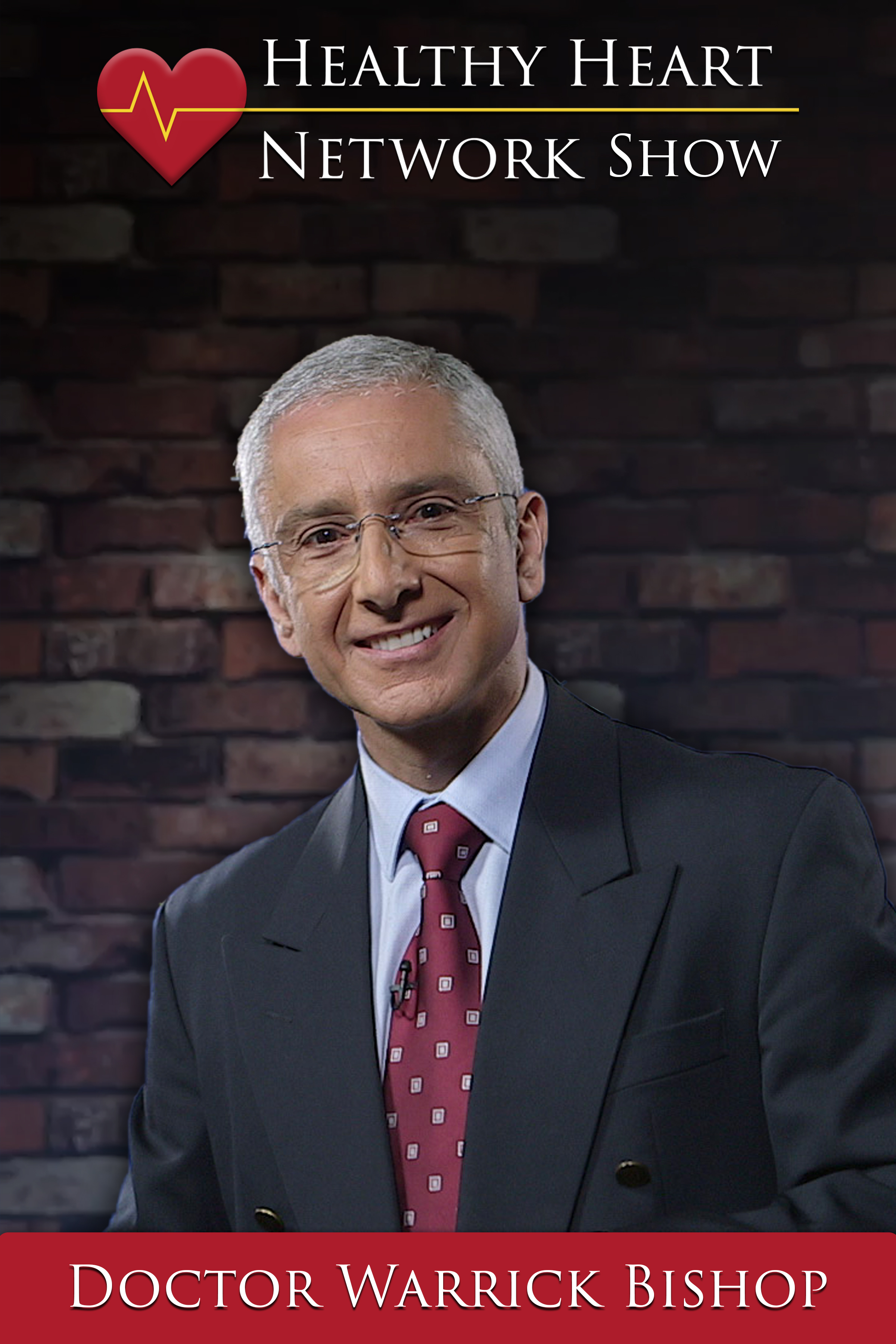
Welcome to my podcast, I am Doctor Warrick Bishop, and I want to help you to live as well as possible for as long as possible. I’m a practising cardiologist, best-selling author, keynote speaker, and the creator of The Healthy Heart Network. I have over 20 years as a specialist cardiologist, a private practice of over 10,000 patients.

Australia, like the rest of the western world, has a heart problem.

Over 9 million people around the world die from heart disease every year.

Every 10 minutes, someone in Australia suffers a heart attack. And 21 lives are lost daily because of it.

The devastating fact in all this is… 

Almost every one of those cases could have been prevented. 

This podcast is for anyone who wants to improve their health literacy and gain information to help them make the best decisions about their risk of heart attack, their cholesterol, blood pressure, risk of diabetes, weight loss and general health. Join me on my personal mission journey to prevent Heart Attack on a global scale. If you like this podcast I would be honoured with a 5-star review and let your friends and family know, you may even save the life of someone you love!

Episodes

EP06: Interesting Emergency Worker Cases

Welcome to my podcast. I am Doctor Warrick Bishop, and I want to help you to live as well as possible for as long as possible. I’m a practising cardiologist, best-selling author, keynote speaker, and the creator of The Healthy Heart Network. I have over 20 years as a specialist cardiologist and a private practice of over 10,000 patients. EP06: Interesting Emergency Worker Cases - Summary Introduction Dr. Warwick Bishop is a practicing cardiologist and author dedicated to improving patient care through heart health education. In this episode, he discusses two recent cases involving emergency workers who experienced unexpected cardiac events, emphasizing the unpredictability of heart attacks and the limitations of standard screening methods. Key Takeaways: Fit and healthy-looking individuals can have serious heart disease without any visible external signs, as demonstrated by the 53-year-old emergency worker who suffered a heart attack despite excellent physical appearance and regular exercise. Traditional treadmill testing is effective at detecting existing blockages or narrowing in arteries but cannot identify early plaque buildup that may develop into serious problems over the next several years. A 45-year-old emergency worker passed treadmill testing with flying colors six months before cardiac CT imaging revealed plaque in his left anterior descending artery that would have caused a heart attack within 5-10 years. Advanced imaging such as cardiac CT scanning can detect early-stage arterial plaque and allow for preventive intervention before a cardiac event occurs, potentially changing patient outcomes. Patients with a family history of premature coronary artery disease should consider additional screening beyond standard treadmill testing, even if they appear healthy and are physically fit. Educated patients who are informed about their cardiac risk and aware of symptoms are better prepared to seek immediate care if symptoms occur, improving survival outcomes. While cardiac CT imaging for risk assessment in asymptomatic patients is not yet a formal guideline recommendation, Dr. Bishop advocates for patients to discuss this option with their doctors as part of personalized risk assessment. Early detection and treatment of arterial disease can be life-changing, allowing doctors to implement preventive therapies before acute cardiac events occur. Read more

EP05: Stopping Statins and Other Drugs

Welcome to my podcast. I am Doctor Warrick Bishop, and I want to help you to live as well as possible for as long as possible. I’m a practising cardiologist, best-selling author, keynote speaker, and the creator of The Healthy Heart Network. I have over 20 years as a specialist cardiologist and a private practice of over 10,000 patients. Podcast Summary Dr. Warrick Bishop is a practicing cardiologist dedicated to patient education and understanding heart health. In this episode, he addresses a critical issue he's encountered in his practice: patients stopping statins and other prescribed medications without consulting their doctors. The episode explores the various reasons patients discontinue medication and emphasizes the importance of informed, collaborative decision-making between patients and their healthcare providers. Key Takeaways: Patients often stop medications due to perceived side effects without discussing these concerns with their doctor, missing the opportunity for alternative solutions or adjustments. Some patients mistakenly believe they've completed a "course" of medication when a prescription runs out, not realizing many heart medications are lifelong preventative therapies. Medication adherence varies significantly based on disease perception—patients who've had a heart attack are more likely to remember medications than those with asymptomatic conditions like mild high blood pressure. The critical analysis for any medication should weigh the specific risks and benefits for that individual patient, as different patients experience different benefit-to-risk ratios with the same drug. In secondary prevention (treating patients who've already had a heart attack), robust evidence shows that cholesterol-lowering statins significantly reduce future cardiac events and should be clearly communicated to patients. For prognostic medications that prevent future problems years or decades away, patient education and clear explanation are essential because the immediate effect is not obvious, making engagement more difficult. Patients with familial hypercholesterolemia are at high risk for premature heart attacks across decades, but will only adhere to therapy if they fully understand the long-term benefits. Social media influences patients to make unilateral medication decisions without medical discussion, leading to potentially harmful choices. Open dialogue with prescribers is essential, especially when patients experience side effects or have concerns about medication necessity. The foundation of good medication management rests on two pillars: education and communication, working together to ensure patients are informed partners in their own care decisions. Read more

EP04: Don't Miss Your Appointments

Welcome to my podcast. I am Doctor Warrick Bishop, and I want to help you to live as well as possible for as long as possible. I’m a practising cardiologist, best-selling author, keynote speaker, and the creator of The Healthy Heart Network. I have over 20 years as a specialist cardiologist and a private practice of over 10,000 patients. Podcast Summary Introduction: Dr. Warrick Bishop is a practicing cardiologist and author dedicated to improving patient care through education about heart health. In this episode, Dr. Bishop discusses a cautionary case from his practice involving a patient who missed a critical follow-up appointment eight years ago, emphasizing the importance of attending scheduled medical consultations regardless of how well patients feel. Key Takeaways: Missing follow-up appointments with specialists can have serious long-term health consequences, even when patients feel well. Many medical practice systems lack adequate safety nets to ensure abnormal test results reach both doctors and patients if follow-up appointments are missed. Elevated blood pressure left untreated for extended periods significantly increases risk of stroke, heart attack, cardiac failure, and atrial fibrillation. Patients should not assume test results are normal if they don't receive a direct call from their doctor; they should attend scheduled follow-up appointments as planned. Cost concerns and feeling over-serviced are valid reasons patients might skip appointments, but these should be discussed openly with specialists rather than causing missed care. Feeling well is not a reliable indicator that medical conditions are controlled or that follow-up care is unnecessary. Preventive care and early intervention are far more effective than waiting for symptoms to develop before addressing medical issues. Patients should ensure that when transitioning away from a specialist, their condition has been fully resolved or that an appropriate long-term monitoring strategy is in place. Clear communication between doctors and patients about test objectives and treatment plans helps patients understand why specific appointments and tests are necessary. Health is the most valuable asset and cannot be recovered once lost, making adherence to medical follow-up appointments a critical priority. Read more

EP03: Keeping Track of Your Medications

Welcome to my podcast. I am Doctor Warrick Bishop, and I want to help you to live as well as possible for as long as possible. I’m a practising cardiologist, best-selling author, keynote speaker, and the creator of The Healthy Heart Network. I have over 20 years as a specialist cardiologist and a private practice of over 10,000 patients. Podcast Summary Introduction: Dr. Warwick Bishop is a practicing cardiologist and author dedicated to improving patient care through education about heart health. In this episode, Dr. Bishop passionately advocates for patients to take personal responsibility for managing and documenting their medications, emphasizing how this practice can significantly improve their medical care and outcomes. Key Takeaways: Patients often lack basic knowledge about their own medications, unable to name them or describe them accurately beyond vague physical descriptions. Medical records across different healthcare providers—GPs, specialists, and pharmacies—are not automatically synchronized and may contain conflicting or outdated information. Patients bear primary responsibility for tracking their own medications, not their doctors, GPs, or pharmacies. Carrying a written list of current medications in your wallet alongside identification documents ensures critical medication information is accessible in emergencies. Medications tell an important clinical story about a patient's medical history and conditions, helping healthcare providers deliver appropriate care. Blood-thinning medications like novel oral anticoagulants (Xarelto, Pradaxa, Eliquis) are particularly critical to document, especially for patients with atrial fibrillation who may experience emergencies. In emergency situations where a patient is unconscious, knowing their blood-thinning medication status can be life-saving information for first responders and medical staff. Keeping medication lists current with help from family, friends, pharmacists, GPs, and specialists ensures the most comprehensive and accurate documentation. Maintaining accurate medication records provides the best possible foundation for quality healthcare and supports all medical professionals involved in a patient's care. Read more

Audio Book Now Available - Have You Planned Your Heart Attack (Sample)

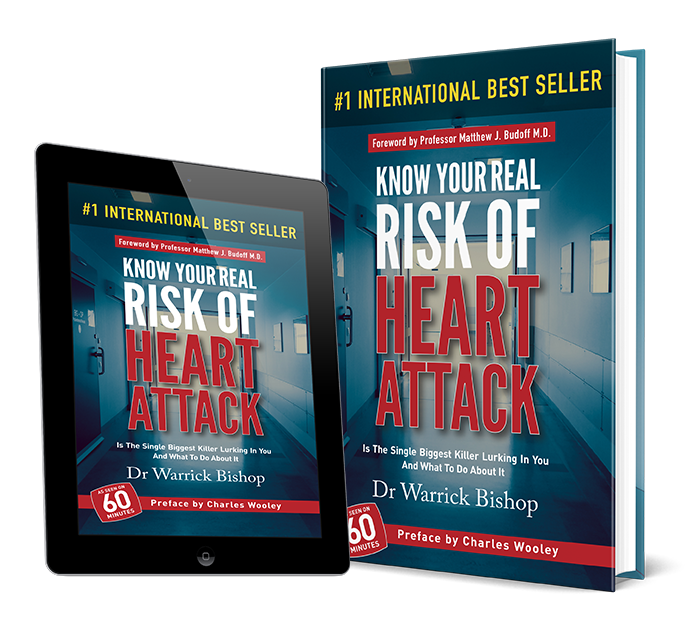
Welcome to my podcast. I am Doctor Warrick Bishop, and I want to help you to live as well as possible for as long as possible. I’m a practising cardiologist, best-selling author, keynote speaker, and the creator of The Healthy Heart Network. I have over 20 years as a specialist cardiologist and a private practice of over 10,000 patients. Podcast Summary Introduction This episode features a cardiologist discussing his audiobook "Have You Planned Your Heart Attack," which explores modern approaches to cardiac risk assessment and prevention. The host shares a pivotal 2005 experience where a patient he had reassured with a normal treadmill test two years earlier suffered a cardiac arrest during a fun run, prompting him to reconsider how medical professionals can better predict and prevent heart attacks. The episode emphasizes how advances in technology now enable more sophisticated risk management compared to traditional assessment methods. Key Takeaways: A normal exercise treadmill test does not guarantee protection from future cardiac events, as demonstrated by the patient who collapsed despite normal results two years prior. Traditional cardiac risk assessment has significant limitations that modern technology can now address through improved investigation and management protocols. Approximately 55,000 Australians suffer heart attacks annually, equaling roughly one heart attack every 10 minutes in the population. Early intervention with preventive measures like low-dose aspirin can be recommended based on individual risk factors such as elevated blood pressure. Cardiac events often come as a surprise to patients who were previously reassured about their heart health, indicating a gap in predictive accuracy. Modern cardiologists have access to technological advances that allow for better dealing with risk than was possible a decade ago. Heart attacks involve narrowing or blockage of coronary arteries and may require interventions ranging from medication to stents, balloons, or coronary artery bypass grafting. The goal of modern cardiac care should shift toward proactive planning and prevention rather than reactive treatment after cardiac events occur. Read more

EP02: Have You Planned Your Heart Attack?

Welcome to my podcast. I am Doctor Warrick Bishop, and I want to help you to live as well as possible for as long as possible. I’m a practising cardiologist, best-selling author, keynote speaker, and the creator of The Healthy Heart Network. I have over 20 years as a specialist cardiologist and a private practice of over 10,000 patients. Podcast Summary Introduction Dr. Warwick Bishop is a practicing cardiologist and author dedicated to improving patient care through heart health education. In this episode, he introduces his book "Have You Planned Your Heart Attack?" and discusses a pivotal moment in his medical career when a patient he had previously cleared via treadmill testing suffered a sudden cardiac event during a fun run, prompting him to explore better methods for predicting individual heart attack risk. Key Takeaways: Traditional risk calculators have been used for 25-30 years but provide population-level probability rather than precise individual predictions, making them imprecise for personal health planning. Risk calculators can only tell patients their statistical likelihood (e.g., 10% chance in 10 years) but cannot identify which specific individuals will or won't experience an event, since individual outcomes are binary (0% or 100%). Cardiac CT imaging technology now allows cardiologists to visualize the heart's arteries directly, enabling more precise risk assessment compared to population-based calculator formulas. A single negative treadmill test cannot guarantee future cardiac safety, as demonstrated by Dr. Bishop's patient who passed testing two years before experiencing a fatal heart attack. The book addresses why cardiac CT imaging, despite its precision capabilities, remains underutilized in broader clinical practice. Dr. Bishop's approach integrates considerations of statins, family history, and proactive individual health management into personalized heart disease prevention strategies. The book is written for general audiences with diagrams and explanations to enable patients to have informed conversations with their doctors about appropriate testing options. Patient education and engagement in health decision-making are central to achieving better cardiovascular outcomes. Read more

Welcome to Doctor Warrick's Podcast Channel

Welcome to my podcast. I am Doctor Warrick Bishop, and I want to help you to live as well as possible for as long as possible. I’m a practising cardiologist, best-selling author, keynote speaker, and the creator of The Healthy Heart Network. I have over 20 years as a specialist cardiologist and a private practice of over 10,000 patients. Podcast Summary Introduction Dr. Warrick Bishop is a practicing cardiologist and author based in Tasmania who is dedicated to patient education and heart health awareness. This episode serves as an introductory podcast where Dr. Bishop welcomes listeners to his consulting room and outlines his mission and expertise. He believes that educated patients receive the best healthcare and aims to demystify common cardiology issues through accessible podcast and videocast content. Key Takeaways: Dr. Warrick Bishop specializes in preventive cardiology with a particular focus on lipid management and cholesterol control. He is involved with the Australian Atherosclerosis Society, an organization dedicated to studying cholesterol buildup in arteries. Dr. Bishop uses advanced CT scanning technology to assess arterial health and identify patients at risk before they experience cardiac events. He authored a book titled "Have You Planned Your Heart Attack" that explores how cardiac imaging technology can help predict and prevent heart attacks. The podcast series will cover common cardiology conditions including cholesterol, heart attacks, blood pressure, atrial fibrillation, and palpitations. Dr. Bishop's primary goal is to fill information gaps for patients and the general public about heart health through his consulting room conversations. He encourages listeners to become more informed about their own healthcare so they can ask better questions and seek optimal care. The podcast aims to provide educational background that enables patients and their loved ones to be actively involved in their health management decisions. Read more