podcast-image.jpg
edd9164d216c19945bea55d0825befe1a07fdae5.jpeg

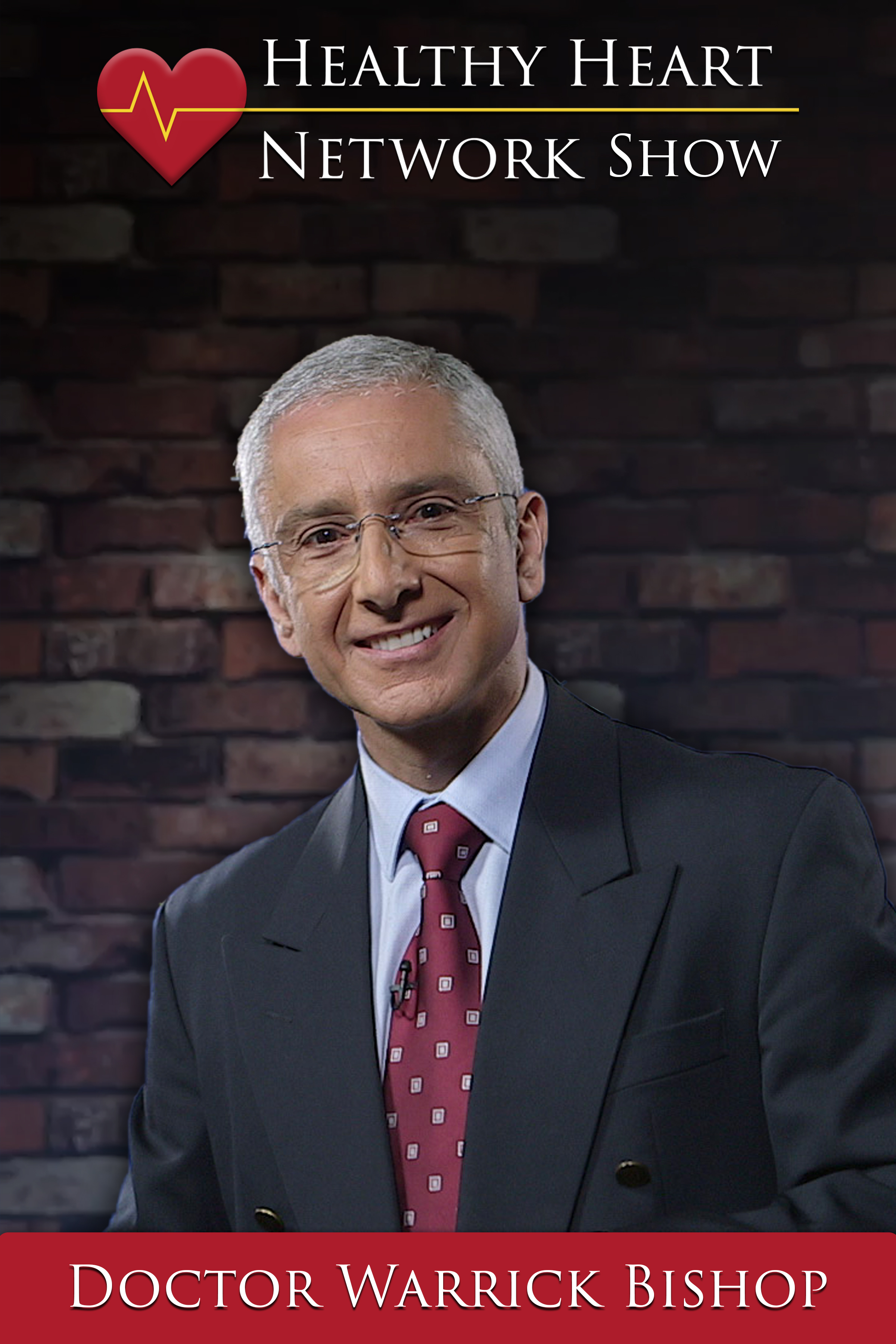
Welcome to my podcast. I am Doctor Warrick Bishop, and I want to help you to live as well as possible for as long as possible. I’m a practising cardiologist, best-selling author, keynote speaker, and the creator of The Healthy Heart Network. I have over 20 years as a specialist cardiologist and a private practice of over 10,000 patients.

Podcast Summary

Introduction

This episode features a cardiologist discussing his audiobook "Have You Planned Your Heart Attack," which explores modern approaches to cardiac risk assessment and prevention. The host shares a pivotal 2005 experience where a patient he had reassured with a normal treadmill test two years earlier suffered a cardiac arrest during a fun run, prompting him to reconsider how medical professionals can better predict and prevent heart attacks. The episode emphasizes how advances in technology now enable more sophisticated risk management compared to traditional assessment methods.

Key Takeaways:

  • A normal exercise treadmill test does not guarantee protection from future cardiac events, as demonstrated by the patient who collapsed despite normal results two years prior.

  • Traditional cardiac risk assessment has significant limitations that modern technology can now address through improved investigation and management protocols.

  • Approximately 55,000 Australians suffer heart attacks annually, equaling roughly one heart attack every 10 minutes in the population.

  • Early intervention with preventive measures like low-dose aspirin can be recommended based on individual risk factors such as elevated blood pressure.

  • Cardiac events often come as a surprise to patients who were previously reassured about their heart health, indicating a gap in predictive accuracy.

  • Modern cardiologists have access to technological advances that allow for better dealing with risk than was possible a decade ago.

  • Heart attacks involve narrowing or blockage of coronary arteries and may require interventions ranging from medication to stents, balloons, or coronary artery bypass grafting.

  • The goal of modern cardiac care should shift toward proactive planning and prevention rather than reactive treatment after cardiac events occur.


Join The Healthy Heart Network

Transcript English

**Episode Title: "Audio Book Now Available - Have You Planned Your Heart Attack (Sample)"** **Introduction** Not Good Enough On a Saturday in May of 2005, a 52-year-old man collapsed, having had a cardiac arrest during a fun run. I noticed the commotion as I was driving past on my way to work and stopped. Several other runners, including a general practitioner, had already stopped to help, and the ambulance service was in attendance. I'm pleased to report that with everyone's input, the man was resuscitated, taken to hospital, and received stenting to the main artery down the front of his heart. The outcome was so good that it later made the front page of the local newspaper. When I arrived at work on Monday, I felt fairly pleased to have been a contributor to such a positive outcome. Before I could become too proud, however, one of my staff pointed out that I had seen the very same gentleman two years earlier for an exercise treadmill test. The test had been normal, and I had reassured him that everything was okay. This revelation shocked me. Had I done the wrong thing by this man? Had I misinterpreted the test? Were there other factors of which I had not been aware? As it turned out, I had done nothing wrong. The test was appropriately reported, and he was given reassurance consistent with his risk assessment at that time. In fact, I had suggested he start low-dose aspirin because of his history of mildly elevated blood pressure, for which he was on treatment. Not good enough. My original assessment in 2003 had limitations. This book is about how, with today's technology, we can do better—potentially much better. It's about improved dealing with risk through investigation and management. I do not wish ever to be in a situation again when I reassure a patient and then find that person has suffered a heart attack, let alone be involved in that person's resuscitation. That man's collapse was over 10 years ago, and technology has changed so that we can deal with these situations in a different way. According to the Heart Foundation, about 55,000 Australians suffer a heart attack each year. This equates to one heart attack every 10 minutes. Heart attack is a layman's term referring to a narrowing or blockage of the coronary arteries that can kill or require some form of medical intervention such as medication, time in a hospital, balloons or stents, or coronary artery bypass grafting. As a cardiologist, I have not yet met a patient who expected to have a problem.