EP28: Unexpected Positive Effects On Anticoagulation

podcast-image.jpg
edd9164d216c19945bea55d0825befe1a07fdae5.jpeg

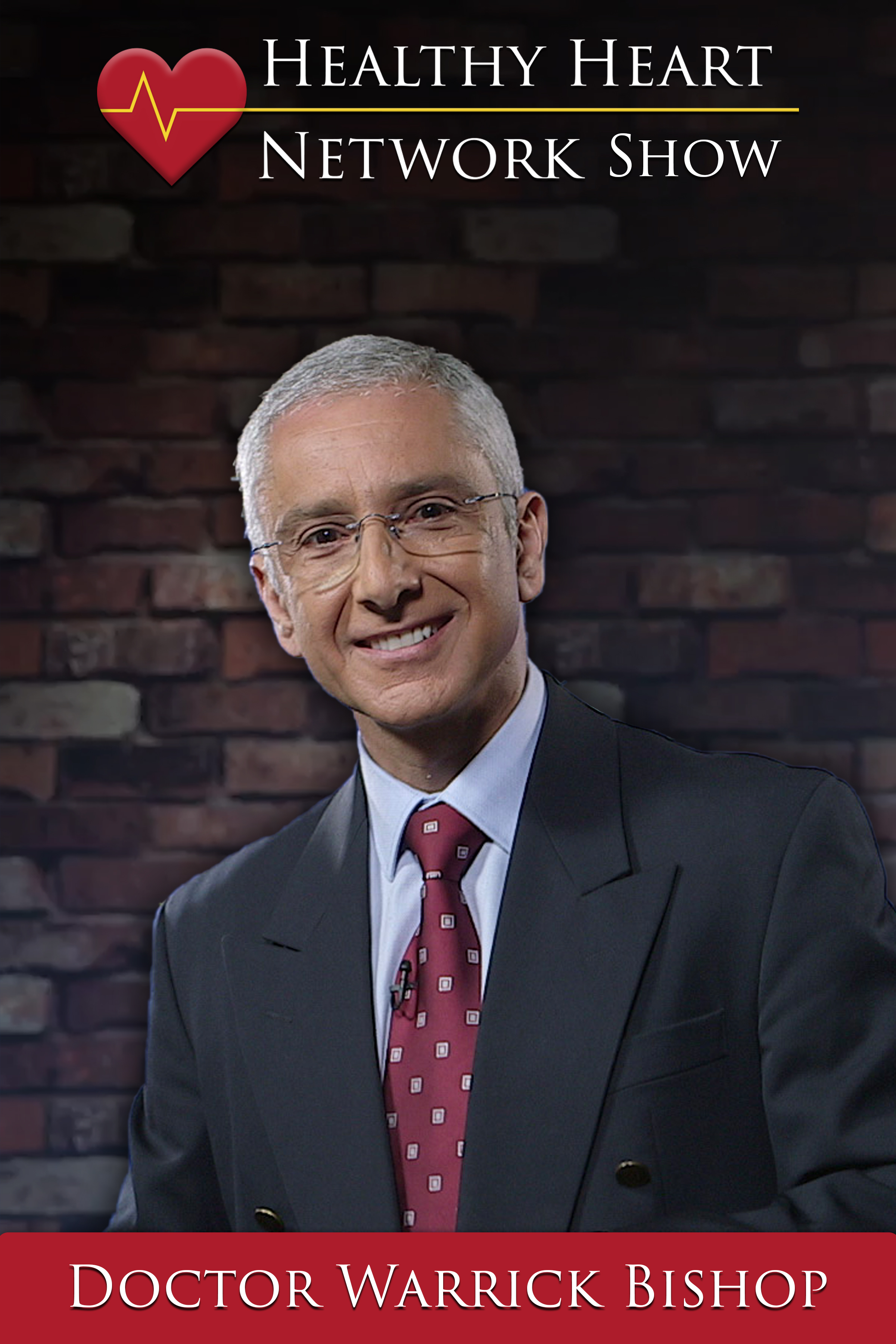
Welcome to my podcast. I am Doctor Warrick Bishop, and I want to help you to live as well as possible for as long as possible. I’m a practising cardiologist, best-selling author, keynote speaker, and the creator of The Healthy Heart Network. I have over 20 years as a specialist cardiologist and a private practice of over 10,000 patients.

Episode Summary

Dr. Warwick Bishop, a practicing cardiologist and author, discusses anticoagulant medications used to treat atrial fibrillation. While these blood thinners are primarily prescribed to reduce stroke risk by preventing clot formation in the heart, Dr. Bishop explores some unexpected positive side effects that patients and doctors should be aware of beyond their primary cardiovascular benefits.

Key Takeaways:

  • Anticoagulants like warfarin and NOACs (non-vitamin K oral anticoagulants) are prescribed for atrial fibrillation to reduce stroke risk by preventing clots in the left atrial appendage of the heart.

  • Blood thinners carry known risks including increased bleeding, particularly hemorrhagic stroke and gastrointestinal bleeding from existing lesions.

  • Anticoagulants provide a secondary benefit for patients traveling long distances by also preventing deep vein thrombosis (blood clots in the legs) and pulmonary embolism.

  • Increased bleeding from anticoagulants can paradoxically lead to earlier detection of bowel cancer by making fecal occult blood tests more likely to be positive when early tumors are present.

  • Dr. Bishop has observed patients in his own practice having bowel cancer detected early due to positive fecal occult blood tests while on anticoagulants.

  • When starting anticoagulation therapy, patients should consult with their GP about whether they are due for fecal occult blood screening to take advantage of this detection benefit.

  • There is a potential future application of combining short-term anticoagulant therapy with routine fecal occult blood testing to increase screening sensitivity, though this remains untested.


Join The Healthy Heart Network

Transcript English

**EP28: Unexpected Positive Effects On Anticoagulation** Welcome to Dr. Warwick's podcast channel. Warwick is a practicing cardiologist and author with a passion for improving care by helping patients understand their heart health through education. Warwick believes educated patients get the best health care. Discover and understand the latest approaches and technology in heart care and how this might apply to you or someone you love. Hi, my name is Dr. Warwick Bishop, and I'd like to welcome you to my consulting room. I'd like to talk a little bit today about the anticoagulants we use in atrial fibrillation, and I'd like to discuss something just a little bit different in terms of how we often think about them. The blood thinners we use, the warfarin and the novel oral anticoagulants, or non-vitamin K oral anticoagulants (the NOACs), are used to thin the blood and reduce the risk of stroke. This is because we reduce the risk of formation of clot within the left atrial appendage, which is a recess within the left atrium of the heart. The advantage of thinning the blood is clear in that situation. However, thinning the blood does carry side effects. If we thin the blood, we can increase the risk of bleeding. Importantly, we can increase the risk of bleeding into the brain, so the risk of hemorrhagic stroke can increase with blood thinners. The other thing that can occur is an increased risk of bleeding from the gut. Any lesions within the gut have a greater propensity to bleed. Having said all that, could there be situations where there are other effects of the blood thinning agents that could be beneficial? Well, straight off the bat, if you're traveling long distances, then the treatment to thin the blood for atrial fibrillation is the same treatment we would use to thin the blood to treat a clot in the legs. The development of a clot in the legs, which can lead to pulmonary embolus—a clot traveling to the lungs, which is a very serious condition—can be mitigated by taking an anticoagulant. So, there's a silver lining. Well, is there a silver lining from the increased risk of bleeding? Over the years, I've seen in my own practice a number of patients who've had bowel cancer detected early because of the risk of increased bleeding. If you think about it, one of the tests that we use routinely for screening for bowel cancer is to look for evidence of blood in the stool. That blood in the stool comes because a lesion within the bowel, the beginnings of a cancer, gets abraded by the feces moving past, and that abrasion leads to a small amount of blood being detectable when we test for it in the stool. We call that a fecal occult blood test. Feces, fecal, occult—not easily seen—testing for blood: fecal occult blood test. Well, of course, if you're on a blood thinner, when one of those lesions, early tumors, gets rubbed, it is more likely to bleed. Thus, there is a greater risk of that or a greater likelihood of that test being positive and showing an abnormality. So, if you do start an anticoagulant, whether it's warfarin or a NOAC, it may well be a good idea or a good time to check with your GP about whether you're due for fecal occult blood testing, looking for an abnormality in the gut. It's also an interesting thought to consider that maybe in the future, to try and increase the sensitivity of fecal occult blood testing in regular screening, we could combine it with five to seven days of an anticoagulant just to try and increase the sensitivity. I've not seen any data in that space, but it certainly is an entertaining thought, and I'll leave that with you. I hope you found that an interesting piece on anticoagulants, and I thank you for joining me. I always wish you good health. Goodbye. You have been listening to another podcast from Dr. Warwick. Visit his website at drwarwickbishop.com for the latest news on heart disease. If you love this podcast, feel free to leave us a review.