Heart Attacks are Preventable!

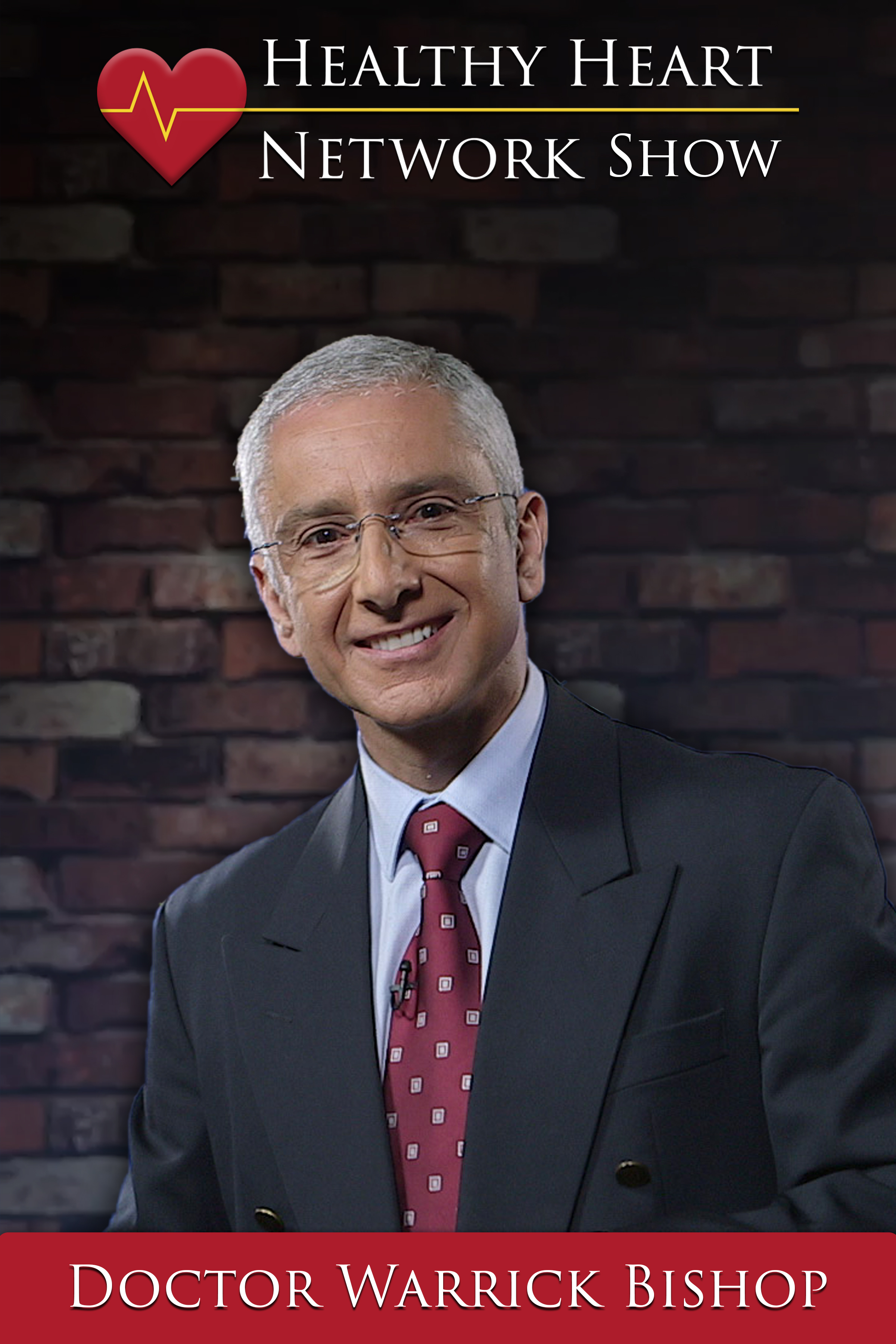
Welcome to my podcast, I am Doctor Warrick Bishop, and I want to help you to live as well as possible for as long as possible. I’m a practising cardiologist, best-selling author, keynote speaker, and the creator of The Healthy Heart Network. I have over 20 years as a specialist cardiologist, a private practice of over 10,000 patients.

Australia, like the rest of the western world, has a heart problem.

Over 9 million people around the world die from heart disease every year.

Every 10 minutes, someone in Australia suffers a heart attack. And 21 lives are lost daily because of it.

The devastating fact in all this is… 

Almost every one of those cases could have been prevented. 

This podcast is for anyone who wants to improve their health literacy and gain information to help them make the best decisions about their risk of heart attack, their cholesterol, blood pressure, risk of diabetes, weight loss and general health. Join me on my personal mission journey to prevent Heart Attack on a global scale. If you like this podcast I would be honoured with a 5-star review and let your friends and family know, you may even save the life of someone you love!

Episodes

EP363: Cholesterol Awareness Week Nov 11 to 15

Welcome to my podcast. I am Doctor Warrick Bishop, and I want to help you to live as well as possible for as long as possible. I’m a practising cardiologist, best-selling author, keynote speaker, and the creator of The Healthy Heart Network. I have over 20 years as a specialist cardiologist and a private practice of over 10,000 patients. Podcast Summary Introduction Dee Mason hosts the Brekkie show on Joy 949 and welcomes Dr. Warrick Bishop, a practicing cardiologist with over 20 years of specialist experience and creator of the Healthy Heart Network, to discuss Cholesterol Awareness Week. The episode explores why cholesterol, which contributes to nearly one quarter of all deaths in Australia, remains largely undetected and underappreciated as a health priority, despite being a silent killer with no symptoms. Key Takeaways: Cholesterol is a silent killer linked to approximately one quarter of all deaths in Australia, yet it receives far less public awareness and screening initiatives compared to other health conditions like colorectal cancer. Cholesterol is an essential organic molecule present in every cell of the body, necessary for cell integrity, vitamin transport, hormone formation, and digestion—the problem arises when levels become elevated over extended periods. Early screening is critical; people should get a heart risk check starting at ages 20-30, and especially before age 50, rather than waiting until that age to begin conversations about heart health. A calcium score (heart scan) is recommended for men aged 45-50 and women aged 55-60 as a proactive screening tool, costing around $300 and available through the virtualheartcheck.com.au platform without requiring a GP referral. Approximately 20-25% of people experience their first heart problem as a sudden heart attack, with one in six dying immediately—making the case for preventative screening rather than reactive emergency management. High fitness levels and athletic appearance on the outside provide no guarantee of healthy arteries on the inside, as evidenced by cases like Ironman triathlete Dean Mercer and cricketer Shane Warne, both of whom died young from undetected coronary artery disease. Cholesterol elevation and resulting arterial plaque buildup is controllable and even reversible through interventions including cholesterol medication, aspirin, blood pressure management, weight control, exercise, stress reduction, and diabetes management. Everyone should be considered potentially at risk for heart attacks rather than assuming low-risk status, with screening and preventative strategies applied universally rather than only to perceived high-risk groups. Read more

EP362: Patient Lived Experience Atrial Fibrillation and More With Jim Kaveney Part 2

Welcome to my podcast. I am Doctor Warrick Bishop, and I want to help you to live as well as possible for as long as possible. I’m a practising cardiologist, best-selling author, keynote speaker, and the creator of The Healthy Heart Network. I have over 20 years as a specialist cardiologist and a private practice of over 10,000 patients. Podcast Episode Summary Introduction Host Warrick Bishop welcomes back Jim Cavaney for part two of their discussion on this podcast and videocast. Jim is a lived experience atrial fibrillation patient who was diagnosed at 38 years old, underwent multiple treatments including ablations and pacemaker implantation, and is now 50 years old in sinus rhythm. He has transformed his medical journey into purpose through his company Unlimited Health for Companies and his book "Unlimited Heart: How to Transform Your Pain into Purpose." Key Takeaways: Jim's atrial fibrillation diagnosis at 38 coincided with starting his first business and his wife leaving her job to care for their two children, creating compounded emotional and financial stress that paradoxically could trigger more AFib episodes. Stress itself can trigger atrial fibrillation, creating a "slippery pole" where the condition drives stress that perpetuates the condition—a difficult emotional conundrum for patients. "Unlimited Heart" is a memoir-business hybrid that explores the battle between heart and mind, drawing on Jim's childhood anxiety struggles to show how mental fortitude built over time enabled him to handle his AFib diagnosis and business challenges. The three critical questions AFib patients should ask their cardiologist are: (1) What is the cause of my AFib? (2) What lifestyle changes could reverse or prevent it? (3) What treatment options are available? Five warning signs of atrial fibrillation include passing out, irregular/elevated heart rate at rest, general feelings of being unwell, and the value of wearable devices like smartwatches for monitoring pulse irregularities. Approximately 30-40% of AFib patients are asymptomatic and unaware they have the condition until discovered incidentally during other medical encounters. Australian AFib guidelines recommend opportunistic pulse checks for all individuals 65 years or older at every medical encounter to detect irregular, erratic, or "irregularly irregular" rhythms. Jim's company Unlimited Health addresses a gap he identified: while patient advocacy organizations provide information about lifestyle modification, they don't provide the systematic framework needed to implement those changes. Unlimited Health integrates diet, exercise, cognitive behavioral therapy, patient education, and community accountability partnerships—recognizing that caregivers often need support as much as patients. Behavior change requires five elements: willingness to change, information, conversion of information to actionable knowledge, accountability mechanisms, and ongoing support from a coach who celebrates successes and helps patients recover from setbacks. Read more

EP361: Patient Lived Experience Atrial Fibrillation and More With Jim Kaveney Part 1

Welcome to my podcast. I am Doctor Warrick Bishop, and I want to help you to live as well as possible for as long as possible. I’m a practising cardiologist, best-selling author, keynote speaker, and the creator of The Healthy Heart Network. I have over 20 years as a specialist cardiologist and a private practice of over 10,000 patients. Podcast Summary Introduction Dr. Warrick Bishop interviews Jim Caveney from New Hampshire, a young atrial fibrillation (AFib) patient and author of "Unlimited Heart: How to Transform Your Pain into Purpose." Jim, who holds a degree in biology and worked in corporate training for the life sciences industry, was diagnosed with paroxysmal AFib at age 38 while launching his own business—making him an outlier, as AFib typically affects older populations. The episode explores Jim's personal journey with AFib, his medical treatments, and how he transformed his diagnosis into a mission to help others with the condition. Key Takeaways Atrial fibrillation affects approximately 1% of the general population globally, with prevalence expected to double from 6 million to 12 million patients in the U.S. by 2030, making it an increasingly significant public health issue. Jim experienced early AFib symptoms during college rowing (ages 20-22) that he initially attributed to other causes and weren't diagnosed until his condition recurred aggressively at age 38, demonstrating how AFib can present episodically in younger individuals. AFib can result from multiple triggers including stress, alcohol consumption, infection, surgery, and age, with no single clear cause in Jim's case—though family history, business stress, and intensive endurance exercise may have contributed. Tall individuals who engage in high-level endurance exercise like rowing have increased AFib risk, possibly due to inflammation in the atria; this intersection of genetics, exercise, and body morphology is an active area of cardiac research. Medical management typically begins with medications like beta blockers and calcium channel blockers, though individual responses vary significantly; Jim found calcium channel blockers effective while beta blockers caused problematic side effects. Cardiac ablation procedures can be effective but don't guarantee permanent resolution—Jim's ablation led to atrial flutter complications and eventual AFib recurrence, requiring additional interventions including cardioversion. Tacky-Brady syndrome, a rare complication where the heart alternates between rapid and dangerously slow rates with pauses, developed in Jim's case after prolonged persistent AFib, ultimately necessitating pacemaker implantation for safety. Jim has remained AFib-free for five years since 2019 despite having a pacemaker, demonstrating that successful rhythm management combined with appropriate device support can achieve excellent long-term outcomes and quality of life. Read more

EP360: STOP-CA to Stop Statin Bashing

Welcome to my podcast. I am Doctor Warrick Bishop, and I want to help you to live as well as possible for as long as possible. I’m a practising cardiologist, best-selling author, keynote speaker, and the creator of The Healthy Heart Network. I have over 20 years as a specialist cardiologist and a private practice of over 10,000 patients. Podcast Summary Introduction: Warrick Bishop hosts this episode to discuss an unconventional application of statin therapy—using statins alongside chemotherapy to reduce cardiotoxicity in cancer patients. The episode focuses on the STOP-CA trial, a landmark double-blind, placebo-controlled study examining whether atorvastatin can protect the heart from damage caused by anthracycline chemotherapy in lymphoma patients. Key Takeaways: Anthracycline chemotherapy, used to treat lymphomas, carries a 10-15 fold increased risk of heart failure due to its cardiotoxic effects on cardiac function. The STOP-CA trial (Statins to Prevent CardiotOxicity Associated with Anthracyclines) was designed to test whether atorvastatin could protect cardiac function in patients receiving anthracycline therapy. Study inclusion criteria required participants to have Hodgkin's or non-Hodgkin's lymphoma, be scheduled for anthracycline therapy, and be 18 years or older, with strict exclusion criteria to maintain study integrity. The primary endpoint measured was a reduction in left ventricular ejection fraction of 10% or more (from approximately 60% down to 50%). Results showed compelling protection with the statin group: only 9% of atorvastatin-treated patients experienced significant cardiac dysfunction compared to 20% in the placebo group—more than twice the rate. The statin group demonstrated 2-3 times greater protection against progression to significant left ventricular dysfunction reduction compared to placebo. The protective mechanism is believed to involve statins' anti-inflammatory properties, which may mitigate inflammatory cellular responses triggered by chemotherapy. Cancer patients undergoing chemotherapy should discuss with their treating physicians whether starting or continuing statin therapy could provide cardiac protection. Those already taking statins who require chemotherapy may benefit from continuing statin therapy, pending specialist advice. Read more

EP359: Defining Family History and High Cholesterol

Welcome to my podcast. I am Doctor Warrick Bishop, and I want to help you to live as well as possible for as long as possible. I’m a practising cardiologist, best-selling author, keynote speaker, and the creator of The Healthy Heart Network. I have over 20 years as a specialist cardiologist and a private practice of over 10,000 patients. Episode Summary Introduction: Dr. Warrick Bishop hosts this educational podcast episode focused on cardiovascular health literacy. In this installment, Dr. Bishop clarifies two critical concepts for patients concerned about heart disease risk: what constitutes significant family history and how to properly understand cholesterol levels. The episode aims to help listeners distinguish between meaningful risk factors and common misconceptions that may unnecessarily worry them. Key Takeaways: Significant family history of cardiovascular disease only applies to first-degree relatives (parents, siblings, or children) who experienced cardiac events at relatively young ages: males at 55 years or younger, or females at 60 years or younger. Cardiovascular events occurring in distant relatives at advanced ages (such as a great-uncle at 90) do not constitute meaningful family risk for the individual being assessed. High cholesterol must be evaluated differently depending on whether an individual has already experienced a cardiac event (secondary prevention) or has not (primary prevention). For secondary prevention patients (those who have had a cardiac event), high cholesterol is defined as LDL cholesterol above 1.4 millimoles per liter, which is lower than previous guidelines of 1.8. In primary prevention, cholesterol categories range from desirable (total cholesterol under 5.2) to very high (total cholesterol over 7.8), with Australian guidelines recommending an LDL target of 2.0 millimoles per liter or less. Cholesterol levels should be understood as a continuum rather than rigid cutoffs; as LDL cholesterol increases, the risk of plaque formation and cardiovascular events increases proportionally. Dr. Bishop uses a car-rusting analogy to explain LDL cholesterol: prolonged exposure to high cholesterol (like salt air) increases plaque buildup over time, similar to rust formation. Lifetime LDL cholesterol exposure is an important concept; keeping cholesterol lower over a person's lifetime reduces cumulative risk of atheroma development. Individual outcomes vary; some people with low cholesterol develop arterial plaque while others with high cholesterol remain plaque-free, highlighting that cholesterol is one of multiple cardiovascular risk factors. Individuals with very high cholesterol levels, particularly those with familial hypercholesterolemia and positive family history, should be treated proactively to prevent future cardiovascular events. Read more

EP358: Perry Eckert and Regeneration Technologies

Welcome to my podcast. I am Doctor Warrick Bishop, and I want to help you to live as well as possible for as long as possible. I’m a practising cardiologist, best-selling author, keynote speaker, and the creator of The Healthy Heart Network. I have over 20 years as a specialist cardiologist and a private practice of over 10,000 patients. Podcast Summary Introduction Dr. Ulrich Bishop welcomes Perry Eckhart, Master Franchisor for Australia and New Zealand, for a second episode discussing OsteoStrong's complementary technologies beyond the core Spectrum machines. Building on their previous conversation about axial loading and bone/muscle strength, this episode explores four additional wellness technologies designed to shift the body from a stress state to a relaxed, healing state. Key Takeaways: OsteoStrong's Spectrum machines activate the sympathetic nervous system (fight-or-flight), building bone and muscle strength but also increasing cortisol, which causes inflammation and stress-related damage. The center's complementary technologies are specifically designed to activate the parasympathetic nervous system, reducing cortisol and promoting relaxation and healing to counterbalance the stress response from workouts. Hydro massage beds use powerful water jets to provide 40 minutes of equivalent massage from four people in just 10 minutes, improving blood flow, lymphatic movement, and leaving users with noticeably improved mood. Red light therapy at 650 nanometers wavelength penetrates cells to activate cytochrome P in mitochondria, increasing cellular energy production and reducing inflammation; it also regulates circadian rhythms and can be used throughout the day for improved mitochondrial health. Normatec compression boots use pneumatic compression technology to massage legs from toes to hips, improving lymphatic flow, reducing swelling and inflammation, and aiding recovery for athletes and people with standing-intensive jobs. Pulsed electromagnetic field (PEMF) therapy mats recreate the Earth's natural magnetic field that modern humans are increasingly insulated from, helping regulate brainwave states and reduce inflammation while "earthing" the body. Humans are fundamentally electrical beings, with mitochondria converting food-derived nutrients into ATP that powers cellular electricity; magnetic field exposure and proper earthing are critical for optimal health. Modern lifestyle factors—rubber-soled shoes, carpeted floors, cars, lack of gardening—disconnect us from Earth's beneficial magnetic field, contributing to chronic health problems that PEMF therapy can address. Read more

EP357: Perry Eckert and OsteoStrong

Welcome to my podcast. I am Doctor Warrick Bishop, and I want to help you to live as well as possible for as long as possible. I’m a practising cardiologist, best-selling author, keynote speaker, and the creator of The Healthy Heart Network. I have over 20 years as a specialist cardiologist and a private practice of over 10,000 patients. Podcast Episode Summary Introduction Dr. Warrick Bishop hosts Perry Eckhart, master franchisor for OsteoStrong Australia and New Zealand, to discuss the unique health and wellness program designed to improve bone and muscle health. As a franchise co-owner himself, Dr. Bishop provides an insider's perspective while allowing Perry to explain OsteoStrong's origins, methodology, and vision for the future of preventative medicine. Key Takeaways: OsteoStrong uses specially designed Spectrum machines that apply axial loading (loads through the bone's axis) to trigger osteogenesis and naturally improve bone density, often reversing osteopenia and osteoporosis within 6-12 months. The program achieves dramatically higher loads than conventional gym equipment by positioning users at their biomechanically strongest point (approximately 120-degree joint angles), where muscles are 8-10 times stronger, enabling loads exceeding 500kg safely. Axial loading must exceed 4.2 multiples of body weight on the femur and hips to trigger bone density improvement, based on peer-reviewed research, distinguishing OsteoStrong from high-impact aerobics that only slow bone loss. The program requires only 10 minutes once per week and involves a single maximal effort rep per machine with no moving parts, resulting in an exceptionally low injury rate (400,000+ sessions in Australia without injury). A recent Monash University study showed female participants over 55 with osteoporosis achieved average strength increases of 124-145% across machines in eight months. Members report benefits beyond bone health, including reduced joint and back pain, improved balance, enhanced grip strength, and better blood glucose regulation due to increased muscle density. Perry's personal motivation stems from family history—his grandmother died following a hip fracture and his mother developed severe lifelong osteoporosis—driving his commitment to preventative medicine. Perry adopted a "biohacking" philosophy focused on optimizing healthspan (period of good health) rather than just lifespan, recognizing that modern sedentary lifestyles fail to activate the natural adaptive responses to environmental stimulus that built bone density in ancestral humans. The business model represents a "blue ocean" opportunity with proprietary robotic equipment unique in the marketplace, unlike saturated fitness assessment markets. Read more

EP356: Impact of Statins on Ubiquinone or Coenzyme Q 10

Welcome to my podcast. I am Doctor Warrick Bishop, and I want to help you to live as well as possible for as long as possible. I’m a practising cardiologist, best-selling author, keynote speaker, and the creator of The Healthy Heart Network. I have over 20 years as a specialist cardiologist and a private practice of over 10,000 patients. Podcast Summary Introduction: Warwick Bishop hosts this episode to explore the biochemical processes involved in statin therapy, specifically examining the mevalonate pathway and its downstream effects on important molecules like coenzyme Q10 (ubiquinone) and vitamin K2. The episode focuses on whether reduced coenzyme Q10 levels from statin use contribute to muscle-related side effects and discusses emerging alternative therapies. Key Takeaways: Statins work by inhibiting the mevalonate pathway, which converts acetyl-CoA through a series of reactions into cholesterol and other vital compounds. Both coenzyme Q10 (ubiquinone) and vitamin K2 (menaquinones) are produced downstream in the same metabolic pathway affected by statins. Coenzyme Q10 is essential for cellular energy production, particularly in the electron transfer pathway within mitochondria. A 2022 study of 80 people with statin-related muscle symptoms found no clear link between coenzyme Q10 levels and muscular symptoms. CoQ10 supplementation did not significantly alter plasma or muscle tissue CoQ10 levels in the study, suggesting limited efficacy for statin-induced muscle pain. Despite lack of strong evidence, individual patients may still benefit from CoQ10 supplementation and should be encouraged to try it if experiencing muscle discomfort. Bempedoic acid is an emerging alternative therapy that works upstream in the same pathway, blocking acetyl-CoA conversion at the ATP citrate liase enzyme. Bempedoic acid acts only in the liver, potentially avoiding the muscle-related side effects that occur with statin therapy. Read more

EP355: Vitamin K and Lipid Lowering Therapy

Welcome to my podcast. I am Doctor Warrick Bishop, and I want to help you to live as well as possible for as long as possible. I’m a practising cardiologist, best-selling author, keynote speaker, and the creator of The Healthy Heart Network. I have over 20 years as a specialist cardiologist and a private practice of over 10,000 patients. Podcast Summary Introduction Dr. Ulrich Bishop hosts this episode to explore the often-overlooked relationship between vitamin K and cholesterol-lowering medications. The episode examines how fat-soluble vitamins like vitamin K play crucial roles beyond blood clotting, particularly in bone health and calcium regulation, and how common lipid-management drugs may inadvertently impact vitamin K status in the body. Key Takeaways: Vitamin K is a fat-soluble vitamin essential not only for blood clotting but also for bone health and calcium regulation through activation of the protein osteocalcin. Vitamin K activates matrix GLA protein (MGP), a potent inhibitor of soft tissue calcification, helping ensure calcium deposits in bones rather than in arteries or heart valves. Vitamin K supports bone health by promoting osteoblast (bone-building cell) differentiation, reducing osteoclast formation (bone-resorbing cells), and decreasing inflammatory processes at the bone surface. Statins, which are HMG-CoA reductase inhibitors, may reduce the body's production of menaquinone-4 (vitamin K2) by blocking the enzymatic pathway that converts acetyl-CoA to downstream molecules needed for vitamin K synthesis. Ezetimibe, commonly combined with statins for cholesterol lowering, blocks the NPC1L1 receptor in the gut that is responsible for absorbing both cholesterol and vitamin K, potentially creating a dual mechanism of vitamin K depletion. Research on warfarin (a vitamin K antagonist) shows significant negative impacts on bone mineral density, particularly in men, supporting the clinical importance of adequate vitamin K status. While solid clinical evidence linking statin and ezetimibe use to vitamin K deficiency outcomes remains limited, the mechanistic pathway is theoretically sound and warrants consideration. Dr. Bishop recommends that patients on lipid-lowering medications consider vitamin K supplementation to mitigate potential deficiency and support optimal bone health and calcium regulation. Read more

EP354: Metabolic Syndrome Meeting

Welcome to my podcast. I am Doctor Warrick Bishop, and I want to help you to live as well as possible for as long as possible. I’m a practising cardiologist, best-selling author, keynote speaker, and the creator of The Healthy Heart Network. I have over 20 years as a specialist cardiologist and a private practice of over 10,000 patients. Podcast Episode Summary Introduction Dr. Warwick Bishop, a cardiologist, author, and CEO of the Healthy Heart Network, hosts this episode to discuss cardiometabolic health—the intersection of heart disease, diabetes, fatty liver disease, and dementia. After addressing listener feedback about a previous episode on the nocebo effect, Dr. Bishop shares key insights from a cardiometabolic academy conference in Melbourne featuring presentations from leading experts in cardiology, lipids, nephrology, hepatology, and neurology. Key Takeaways: Type 1 and Type 2 diabetics carry essentially the same cardiovascular disease risk, contrary to the common assumption that Type 2 diabetics face greater risk. SGLT2 inhibitors (empagliflozin) and GLP-1 agonists (semaglutide/Ozempic) reduce cardiovascular events independently of their effects on glucose control and weight loss, suggesting distinct hormonal mechanisms at play. Prescribers must inform patients starting on SGLT2 inhibitors about rare but serious risks including diabetic ketoacidosis and Fournier's gangrene. Multiple weight loss medications are now available in Australia, with emerging agents like bimagrumab showing promise for weight loss without corresponding muscle mass loss. GLP-1 receptor agonists have receptors throughout the body (pancreas, heart, kidney, brain, stomach, liver), explaining their broad therapeutic effects beyond glucose management. Approximately 50% of people classified as "metabolically healthy overweight" develop diabetes within 10-15 years, challenging the concept of healthy obesity. Fatty liver disease affects roughly one in three people and serves as an early indicator of cardiometabolic disease progression, with early intervention through diet, exercise, and medication potentially preventing serious outcomes. Imaging advances now allow detection of inflammation in arteries and surrounding perivascular fat, which correlates with increased future cardiovascular event risk. GLP-1 agents may help reduce dementia progression by offsetting shared risk factors between Alzheimer's disease and vascular dementia. Read more