Heart Attacks are Preventable!

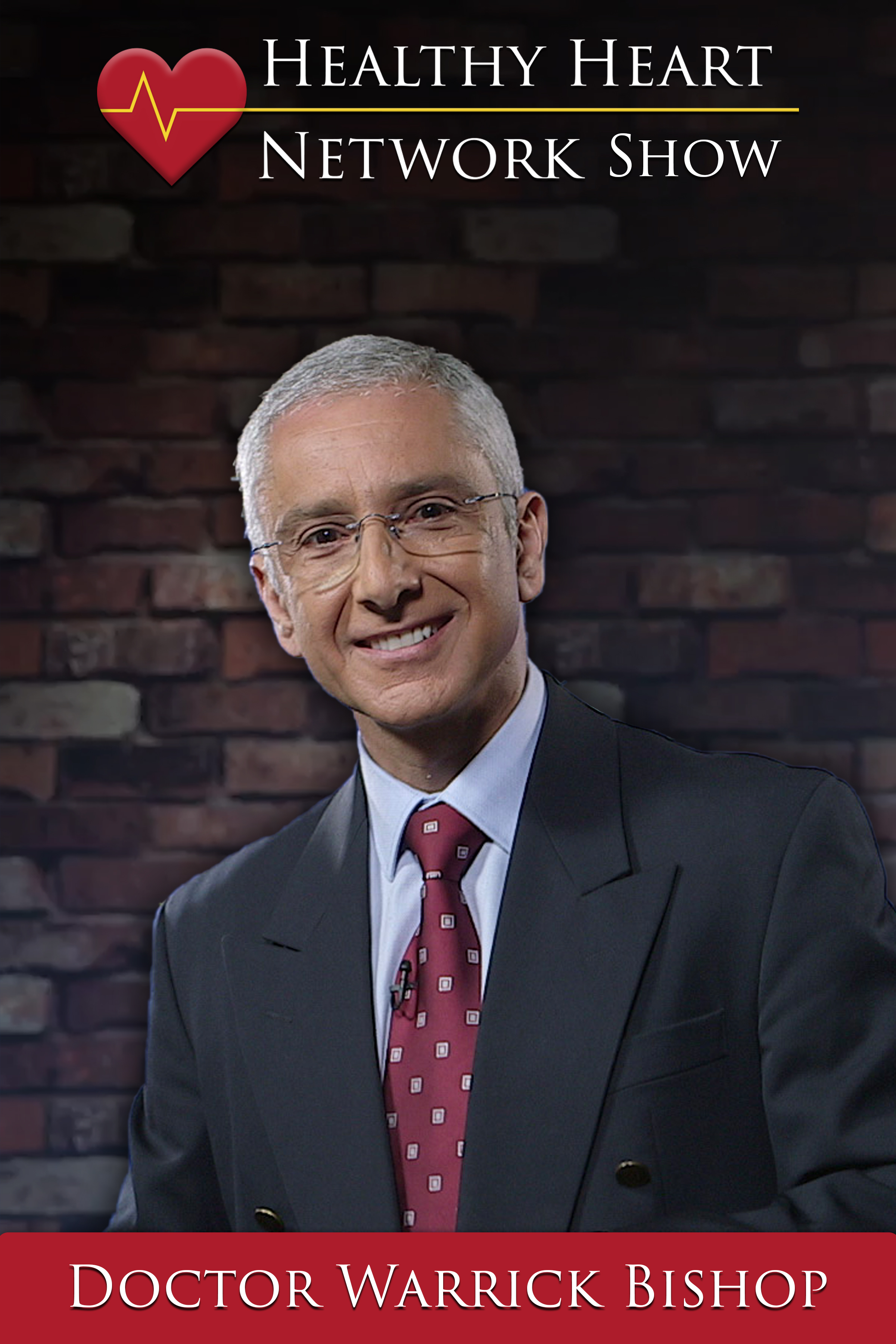
Welcome to my podcast, I am Doctor Warrick Bishop, and I want to help you to live as well as possible for as long as possible. I’m a practising cardiologist, best-selling author, keynote speaker, and the creator of The Healthy Heart Network. I have over 20 years as a specialist cardiologist, a private practice of over 10,000 patients.

Australia, like the rest of the western world, has a heart problem.

Over 9 million people around the world die from heart disease every year.

Every 10 minutes, someone in Australia suffers a heart attack. And 21 lives are lost daily because of it.

The devastating fact in all this is… 

Almost every one of those cases could have been prevented. 

This podcast is for anyone who wants to improve their health literacy and gain information to help them make the best decisions about their risk of heart attack, their cholesterol, blood pressure, risk of diabetes, weight loss and general health. Join me on my personal mission journey to prevent Heart Attack on a global scale. If you like this podcast I would be honoured with a 5-star review and let your friends and family know, you may even save the life of someone you love!

Episodes

EP348: Climate and Environment with Dr Fiona Foo Part 1

Welcome to my podcast. I am Doctor Warrick Bishop, and I want to help you to live as well as possible for as long as possible. I’m a practising cardiologist, best-selling author, keynote speaker, and the creator of The Healthy Heart Network. I have over 20 years as a specialist cardiologist and a private practice of over 10,000 patients. Episode Summary Dr. Warwick Bishop hosts Dr. Fiona Foo, a Sydney-based interventional cardiologist with expertise in women's heart disease and sports cardiology, to discuss the critical intersection of climate, environment, and cardiovascular health. In this first part of a two-part series, they explore how environmental factors—particularly air pollution—represent a major modifiable risk factor for heart disease worldwide, one that many people fail to recognize or act upon. Key Takeaways: Environmental factors, including air pollution, are the fourth highest modifiable risk factor for cardiovascular disease globally—ranking higher than smoking—alongside behavioral and metabolic risk factors. Air pollution causes approximately 6.7 to 8 million deaths annually worldwide, with over 50% of these deaths attributed to cardiovascular disease, including heart attacks and strokes. PM2.5 particulate matter (2.5 microns in diameter) from fossil fuel burning, forest fires, and traffic exhaust is so small it can penetrate the lungs, enter the bloodstream, and damage every organ in the body through inflammatory and oxidative pathways. More than 90% of the global population is exposed to annual PM2.5 levels exceeding WHO guidelines, and Australia is not immune despite perceptions otherwise—particularly during bushfire and back-burning seasons. Switching to renewable energy sources (solar, wind) and electrifying home systems previously powered by fossil fuels and gas is one of the most impactful personal actions to reduce air pollution while improving cardiovascular and respiratory health. During high air pollution events (bushfires), individuals should stay indoors, avoid outdoor exercise, use N95 masks if outside, install air filters, seal door gaps, and set car air conditioning to recirculation mode rather than drawing in outside air. Domestic gas stoves and oil/gas production facilities release multiple pollutants (methane, ozone, nitrogen oxide) beyond PM2.5 that significantly increase asthma, respiratory illness, and cardiovascular disease risk, particularly affecting vulnerable populations. Climate change is intensifying both air pollution exposure and extreme weather events (heat and cold), creating compounding cardiovascular and broader health risks that require both individual action and systemic policy changes. Read more

EP347: What Do You Know About Your Appendix?

Welcome to my podcast. I am Doctor Warrick Bishop, and I want to help you to live as well as possible for as long as possible. I’m a practising cardiologist, best-selling author, keynote speaker, and the creator of The Healthy Heart Network. I have over 20 years as a specialist cardiologist and a private practice of over 10,000 patients. Episode Summary: What Do You Know About Your Appendix? Dr. Warwick Bishop, a physician and podcaster, explores the emerging medical perspective on the appendix in this episode. Drawing from recent medical literature, Bishop challenges the traditional view of the appendix as a useless vestigial organ and discusses new research suggesting it plays important roles in gut health and immune function. The episode examines whether preserving the appendix through antibiotic treatment, rather than surgical removal, might be beneficial for long-term health. Key Takeaways: The appendix may not be useless as previously thought; it could serve as a "safe house" that stores beneficial gut bacteria and helps restore the microbiome after infections like salmonella. Antibiotic therapy is emerging as a viable alternative to appendectomy (surgical removal) for uncomplicated appendicitis, raising questions about whether routine surgical removal is always necessary. People who have undergone appendectomy show more than double the risk of serious non-typhoidal salmonella infections requiring hospitalization, suggesting a protective role of the intact appendix. Removal of the appendix is linked to increased risk of irritable bowel syndrome, type 2 diabetes, lupus, and potentially colorectal cancer and Parkinson's disease. The appendix contains special M cells that detect invasive bacteria and viruses, suggesting it functions as a training ground for the immune system. Comparative anatomy studies show the appendix has undergone at least 29 evolutionary changes across mammalian species, indicating it likely has adaptive functions rather than being merely vestigial. Research on zoo animals demonstrated that species with an appendix lived longer and experienced less diarrhea than those without, supporting a protective health function. Before automatically removing an appendix during treatment with antibiotics, consideration should be given to whether the antibiotics themselves might harm the beneficial bacterial reservoir the appendix maintains. Read more

EP346: Cholesterol and Statin Non-Believers

Welcome to my podcast. I am Doctor Warrick Bishop, and I want to help you to live as well as possible for as long as possible. I’m a practising cardiologist, best-selling author, keynote speaker, and the creator of The Healthy Heart Network. I have over 20 years as a specialist cardiologist and a private practice of over 10,000 patients. Podcast Summary Introduction Dr. Warwick Bishop, a cardiologist, author, keynote speaker, and CEO of the Healthy Heart Network, hosts this episode to address common misconceptions and skepticism surrounding cholesterol and statin therapy. With heart disease claiming a life every 20 minutes in Australia, Dr. Bishop discusses myths held by "cholesterol and statin non-believers" that could prevent people from receiving beneficial treatment. The episode aims to clarify the science behind cholesterol management and cardiovascular health. Key Takeaways: Cholesterol itself is essential for body functions like vitamin transport, bile acid production, and cell membranes, but becomes problematic when it accumulates in arteries as part of atherosclerosis. While high blood cholesterol levels alone don't perfectly predict who has arterial plaque, for people with identified plaque or previous cardiac events, lowering cholesterol is unquestionably beneficial and well-supported by scientific evidence. Saturated fats increase LDL cholesterol levels, which can be problematic for people with existing arterial plaque; more research is needed on whether dietary approaches like ketogenic diets can offset saturated fat risks through inflammation reduction. Cholesterol is necessary for hormone production, but the body can function adequately with very low blood cholesterol levels since cells synthesize 80% of the cholesterol they need internally rather than relying on dietary sources. LDL particle size is likely an indicator of other metabolic problems like insulin resistance and inflammation rather than the primary driver of atherosclerosis, making the overall metabolic picture more important than particle size alone. Statins cause significant harm only when prescribed to low-risk individuals without evidence of arterial disease; for high-risk patients with documented plaque, the risk-benefit equation strongly favors statin therapy. Statin side effects are likely overreported rather than underreported, with studies showing that 75% of people reporting statin side effects can successfully take the medication when evaluated in double-blind trials, indicating a substantial nocebo effect. For patients with significant coronary artery disease, every millimole reduction in cholesterol produces a 20% relative risk reduction in recurrent cardiac events—a substantial and well-documented benefit. The distinction between how cholesterol enters arterial walls (from inside-out versus outside-in via small blood vessels called the vasa vasorum) doesn't change the clinical reality that lowering cholesterol reduces risk in high-risk patients. Inflammation is important in atherosclerosis development, but it is not the sole explanation; cholesterol plays a healing response role in inflammatory sites, making the process more complex than inflammation alone. Read more

EP345: 5 Highlights From PD 2024

Welcome to my podcast. I am Doctor Warrick Bishop, and I want to help you to live as well as possible for as long as possible. I’m a practising cardiologist, best-selling author, keynote speaker, and the creator of The Healthy Heart Network. I have over 20 years as a specialist cardiologist and a private practice of over 10,000 patients. EP345: 5 Highlights From PD 2024 Dr. Auric Bishop, a cardiologist and CEO of the Healthy Heart Network, hosts this episode featuring Dr. Warwick Bishop discussing key highlights from the 2024 Port Douglas Heart Meeting and Expo. The episode focuses on five major clinical advances and topics presented on day one of this prestigious international cardiology conference, which brings together leading experts from renowned institutions like the Mayo Clinic to share practical, clinically-guided teaching relevant to everyday cardiology practice. Key Takeaways: Angiovac technology represents an innovative intervention for bacterial endocarditis, functioning like a "vacuum cleaner" that uses ultrasound guidance to remove bacterial vegetations from heart valves, thereby reducing infective load and preventing dangerous complications like stroke or kidney infarction. Current evidence suggests earlier surgical intervention for aortic stenosis and mitral regurgitation may be beneficial, as delaying surgery while the heart remains under strain can lead to irreversible fibrosis and scarring of the ventricle, compromising surgical outcomes even after valve replacement. High-risk pregnancy categories for cardiac patients include women with elevated pulmonary pressures, reduced left ventricular function, severe valve disease, severe aortic dilatation (associated with Marfan syndrome and Ehlers-Danlos syndrome), and peripartum cardiomyopathy, which requires pre-pregnancy risk assessment and counseling. The athlete's heart exhibits training-specific adaptations: endurance athletes develop enlarged hearts with greater stroke volume, while strength-trained athletes develop thickened, more powerful hearts, both representing normal responses to elite-level training stimuli. Strain technology, specifically longitudinal strain measurement, provides a sophisticated way to assess myocardial damage and guide optimal timing for mitral valve surgery before irreversible cardiac damage occurs. Percutaneous mitral valve correction using clips inserted through blood vessels offers a less invasive surgical alternative to traditional open-heart surgery for patients with inadequate mitral valve closure. Read more

EP344: Climate Change and CVD and PFO at PD 2024

Welcome to my podcast. I am Doctor Warrick Bishop, and I want to help you to live as well as possible for as long as possible. I’m a practising cardiologist, best-selling author, keynote speaker, and the creator of The Healthy Heart Network. I have over 20 years as a specialist cardiologist and a private practice of over 10,000 patients. Podcast Summary: Climate Change and CVD and PFO at PD 2024 Introduction Dr. Auric Bishop, a cardiologist and CEO of the Healthy Heart Network, hosts this episode with guest Warwick Bishop, who follows up on presentations from the Port Douglas medical conference. The episode focuses on two major topics: the cardiovascular impacts of climate change highlighted by renowned Mayo Clinic cardiologist Bernard Gersh, and patent foramen ovale (PFO) closure procedures, with Warwick sharing his personal experience of having a stroke caused by an undiagnosed PFO. Key Takeaways: Climate change and environmental deterioration significantly impact cardiovascular health through increased inflammation and hypercoagulability, which accelerate atherosclerosis progression and increase heart attack and sudden death risk. Heat stress and temperature extremes negatively affect thermoregulation, particularly impacting patients with cardiac failure who experience worsening symptoms like swollen ankles and shortness of breath in hot conditions. Electrolyte imbalances from excessive sweating, increased respiration, and fluid loss during heat exposure can trigger dangerous cardiovascular complications. Micro-nanoplastics from air pollution accumulate in arterial plaques and are closely linked to worsening cardiovascular outcomes; these microplastics are now being found in human bodies and plaque development. Community-based secondhand smoke regulations in Pueblo, Colorado achieved a remarkable 30-40% reduction in heart attack risk, demonstrating how public health initiatives can dramatically reduce cardiovascular disease in populations. Noise pollution from increased urbanization, transport, and air traffic directly correlates with elevated blood pressure, a critical driver of heart attacks, strokes, atrial fibrillation, cardiac failure, renal failure, and dementia. Patent foramen ovale (PFO) occurs in approximately 25% of the population when a fetal heart opening fails to close properly after birth, potentially allowing blood clots to bypass the lungs' filtering action and cause strokes. PFO poses particular danger for divers (risk of decompression sickness) and anyone with venous blood clots, as these can cross through the opening into the arterial circulation and lodge in the brain or other organs. PFO closure is a minimally invasive, low-risk procedure performed via catheter through a leg vein, using umbrella-like devices to secure and close the opening, with high success rates despite a slightly increased risk of developing atrial fibrillation. Read more

EP343: Triglycerides and Heart DIsease (Part 2)

Welcome to my podcast. I am Doctor Warrick Bishop, and I want to help you to live as well as possible for as long as possible. I’m a practising cardiologist, best-selling author, keynote speaker, and the creator of The Healthy Heart Network. I have over 20 years as a specialist cardiologist and a private practice of over 10,000 patients. Podcast Episode Summary Introduction Dr. Auric Bishop (also known as Warwick Bishop), a cardiologist, author, and CEO of the Healthy Heart Network, hosts this episode focused on managing elevated triglycerides. The episode is part two of a triglyceride series, diving into both lifestyle interventions and medical approaches to lowering triglycerides, which affect millions of Australians and contribute to preventable heart disease. Key Takeaways: Elevated triglycerides are markers of underlying metabolic dysfunction including insulin resistance, central weight gain, visceral fat, inflammation, and high blood pressure—creating a "nasty pack" of cardiovascular risk factors. Lifestyle management of triglycerides should be the first step and includes reducing saturated fats and refined sugars in the diet, since both can be converted to fatty acids and triglycerides. Exercise lowers triglycerides through two mechanisms: by improving insulin resistance and directly using triglycerides as fuel when energy expenditure increases. Alcohol significantly elevates triglycerides through enzymatic pathways that convert it to acetyl-CoA, a building block for fatty acid production, making alcohol reduction critical. The landmark GISSI-P trial demonstrated that one gram of fish oil daily reduced sudden cardiac death by 45% and overall mortality by 20% in post-heart attack patients, suggesting marine omega-3s are most beneficial for secondary prevention. Subsequent large trials (VITAL, ASCEND, ORIGIN) showed limited benefit of fish oil supplementation in primary prevention populations without prior cardiac events, indicating timing and patient selection are crucial. The REDUCE-IT trial demonstrated that icosapent ethyl (a pure EPA supplement) reduced major adverse cardiac events by approximately 20% in high-risk patients on statin therapy, suggesting the benefit may relate to anti-inflammatory effects rather than triglyceride reduction alone. The Physician's Health Study found that individuals in the highest quartile of omega-3 blood levels had a 90% relative risk reduction in cardiovascular events, with omega-3 index being a stronger predictor of sudden cardiac death than cholesterol or inflammation levels. EPA appears particularly cardioprotective, while DHA is more important for fetal brain and eye development, suggesting different roles for the two marine omega-3 fatty acids. Read more

EP342: Triglycerides and Heart Disease (Part 1)

Welcome to my podcast. I am Doctor Warrick Bishop, and I want to help you to live as well as possible for as long as possible. I’m a practising cardiologist, best-selling author, keynote speaker, and the creator of The Healthy Heart Network. I have over 20 years as a specialist cardiologist and a private practice of over 10,000 patients. Episode Summary: Triglycerides and Heart Disease (Part 1) Dr. Auric Bishop, a cardiologist and CEO of the Healthy Heart Network, hosts this episode with Warwick Bishop to explore triglycerides—fats that travel in the blood and are significantly associated with heart disease risk. The episode aims to help listeners understand what triglycerides are, why they matter for cardiovascular health, and how they relate to the broader metabolic factors that increase heart disease risk in Australia, where someone suffers a heart attack every 20 minutes. Key Takeaways: Triglycerides are three fatty acids bound to a glycerol backbone and serve as the body's primary energy storage unit, sourced mainly from dietary fats, oils, and processed foods. High triglyceride levels are associated with lower HDL (good cholesterol), increased small dense LDL particles (bad cholesterol), and significantly increased cardiovascular disease risk. Elevated triglycerides are linked to central adiposity (belly fat) and visceral fat around organs, which also correlates with high blood pressure, pre-diabetes, diabetes, and increased blood clotting risk. Both carbohydrate and alcohol consumption increase triglyceride production through similar metabolic pathways—both convert to acetyl-CoA, which the body uses to synthesize fatty acids and triglycerides. Regular physical exercise of at least 150 minutes per week is highly effective at lowering triglycerides because exercise depletes the body's energy reserves and improves insulin sensitivity. Insulin resistance creates a "gang of usual suspects" that includes elevated triglycerides, low HDL cholesterol, and small dense LDL particles, all closely linked to excess weight and obesity. Triglycerides themselves do not directly deposit into atherosclerotic plaques; instead, they serve as a marker of poor metabolic health and underlying processes that drive cardiovascular disease. The relationship between triglycerides and heart disease is complex and involves multiple interconnected factors including inflammation, blood pressure, metabolic function, and cholesterol particle composition rather than triglycerides acting alone. Read more

EP341: The Art 2 Aging - A Healthy Heart Even In Your 90s...

Welcome to my podcast. I am Doctor Warrick Bishop, and I want to help you to live as well as possible for as long as possible. I’m a practising cardiologist, best-selling author, keynote speaker, and the creator of The Healthy Heart Network. I have over 20 years as a specialist cardiologist and a private practice of over 10,000 patients. Podcast Summary Introduction Dr. Warwick Bishop is a preventative cardiologist, bestselling author, and CEO of the Healthy Heart Network who advocates for proactive heart health management rather than treating disease after it occurs. Host Chris Henry interviews Dr. Bishop about cardiovascular prevention, emphasizing that heart disease affects Australians significantly—with someone suffering a heart attack every 20 minutes—yet most cases could be prevented with proper knowledge and early intervention. The episode explores how people of all ages, particularly those over 65, can minimize or avoid heart problems through lifestyle changes and appropriate medical monitoring. Key Takeaways: Preventative cardiology focuses on identifying risk factors early and delaying or preventing heart problems before they occur, rather than waiting to treat disease after symptoms appear. Aging alone doesn't necessarily guarantee heart deterioration; while wear and tear is natural, individuals can significantly minimize the impact of aging on cardiovascular health through proactive measures. Atrial fibrillation is a "final common pathway" for multiple heart insults including high blood pressure, obesity, poor sleep, and alcohol consumption; it can be managed but not cured with current medical knowledge. An ECG alone is insufficient for comprehensive heart assessment; imaging tests like echocardiograms and coronary artery calcium CT scans are essential to evaluate heart structure, function, and arterial narrowing that may show no symptoms. The coronary arteries ("fuel lines") must be directly imaged to detect narrowing and assess future risk, as external characteristics cannot reliably predict coronary artery disease. A Mediterranean diet with balanced vegetables, protein, fish, nuts, and olive oil provides the strongest evidence-based approach to preventing obesity, high cholesterol, and plaque buildup. Early weight management is critical; losing 1-3 kilos when weight gain first appears is vastly easier than losing 20-30 kilos later, with carbohydrate reduction being the first recommended strategy for weight around the middle. High blood pressure is a major driver of heart problems and should be actively managed, as it significantly contributes to conditions like atrial fibrillation and arterial damage. Lifestyle factors including stress management, adequate sleep, limiting alcohol consumption, and avoiding excess carbohydrates are foundational to long-term cardiovascular health. Early intervention and recognition of negative health trends allows people to implement corrective strategies sooner, resulting in better long-term outcomes than waiting until disease develops. Read more

EP340: Fish Oils and Where We Are

Welcome to my podcast. I am Doctor Warrick Bishop, and I want to help you to live as well as possible for as long as possible. I’m a practising cardiologist, best-selling author, keynote speaker, and the creator of The Healthy Heart Network. I have over 20 years as a specialist cardiologist and a private practice of over 10,000 patients. Episode Summary Introduction Dr. Auric Bishop, a cardiologist, author, and CEO of the Healthy Heart Network, hosts this episode to discuss omega-3 fish oils and marine triglycerides—what they are, how they work, and what current research reveals about their effectiveness. With heart disease causing significant mortality in Australia, the episode aims to help listeners understand the science behind these popular supplements and their role in cardiovascular health. Key Takeaways Not all omega-3 fish oil supplements are equal; over-the-counter varieties are classified as food products and only need to meet food-quality standards, not pharmaceutical standards, resulting in variable quality and purity. A 2014 New Zealand study found that only 3 out of 32 common fish oil supplements contained the EPA and DHA amounts claimed on their labels, with most containing only 60-70% of advertised levels and excessive oxidation that reduces effectiveness. Over-the-counter fish oil supplements often contain saturated fats and other impurities as filler, which may actually raise LDL cholesterol and counteract the intended cardiovascular benefits. Research shows that EPA (eicosapentaenoic acid) alone has demonstrated clinical benefits in reducing major adverse coronary events, while the combination of EPA and DHA together has not replicated these results. EPA works through multiple mechanisms including maintaining cholesterol distribution, preserving membrane stability, reducing triglyceride levels, decreasing inflammation, and stabilizing vulnerable arterial plaques to prevent future cardiac events. Large clinical trials using low-dose omega-3 supplements (Vital, Ascend, Strength) showed inconsistent or no cardiovascular benefits, but three high-dose EPA trials (JELUS, RESPECT, REDUCER) demonstrated 15-20% relative risk reduction in secondary prevention. The REDUCER trial showed that high-dose EPA (4 grams daily) provided significant cardiovascular benefits in patients with established heart disease or elevated triglycerides despite already being on cholesterol-lowering statin therapy. The most practical and effective way to obtain beneficial omega-3 levels is eating fresh, fatty fish once or twice weekly (200 grams provides approximately 20 grams each of EPA and DHA), which is more reliable than over-the-counter supplements. Pharmaceutical-grade prescription EPA products are highly purified and regulated but are only beginning to become available in Australia, making fresh fish consumption the current best alternative for most people. Read more

EP339: What's This ApoB All About?

Welcome to my podcast. I am Doctor Warrick Bishop, and I want to help you to live as well as possible for as long as possible. I’m a practising cardiologist, best-selling author, keynote speaker, and the creator of The Healthy Heart Network. I have over 20 years as a specialist cardiologist and a private practice of over 10,000 patients. EP339: What's This ApoB All About? Dr. Warwick Bishop, a cardiologist and CEO of the Healthy Heart Network, hosts this episode dedicated to explaining ApoB and its relevance to heart health. Building on awareness raised by Dr. Peter Attia in the longevity space, the episode explores what ApoB is, its clinical utility, and whether it should be routinely measured alongside standard cholesterol panels. Key Takeaways: ApoB (ApoB100) is a protein that makes up lipoprotein particles, which transport cholesterol and fats throughout the bloodstream in protective protein "balls" rather than floating freely. ApoB measurement indicates the number of cholesterol-carrying particles in the blood, whereas LDL cholesterol measures concentration per volume—a subtly different but important distinction. ApoB is present in all cholesterol particles except HDL (which uses ApoA protein instead), making it a useful marker for total atherogenic particle burden. A greater number of particles carrying cholesterol and lipids increases the risk of plaque formation in arteries, making ApoB relevant to cardiovascular risk assessment. Triglyceride levels on a standard lipid panel can effectively indicate whether small, dense LDL particles are present—if triglycerides are under 1.2 millimoles per litre, small dense particles are unlikely. Elevated triglycerides often reflect insulin resistance, prediabetes, or diabetes and are associated with increased small, dense LDL particles. Standard cholesterol interventions that lower LDL cholesterol and triglycerides will inherently lower ApoB, making additional ApoB testing potentially redundant. All existing cardiovascular outcome research is based on LDL cholesterol levels, not ApoB, so clinical decision-making continues to rely on traditional lipid panels. In Australia, ApoB is not currently covered by Medicare rebates, making it an additional out-of-pocket expense without clear clinical advantage over standard panels. While ApoB provides interesting academic context about particle numbers, clinicians can effectively infer this information from standard cholesterol and triglyceride measurements without routine ApoB testing. Read more