Heart Attacks are Preventable!

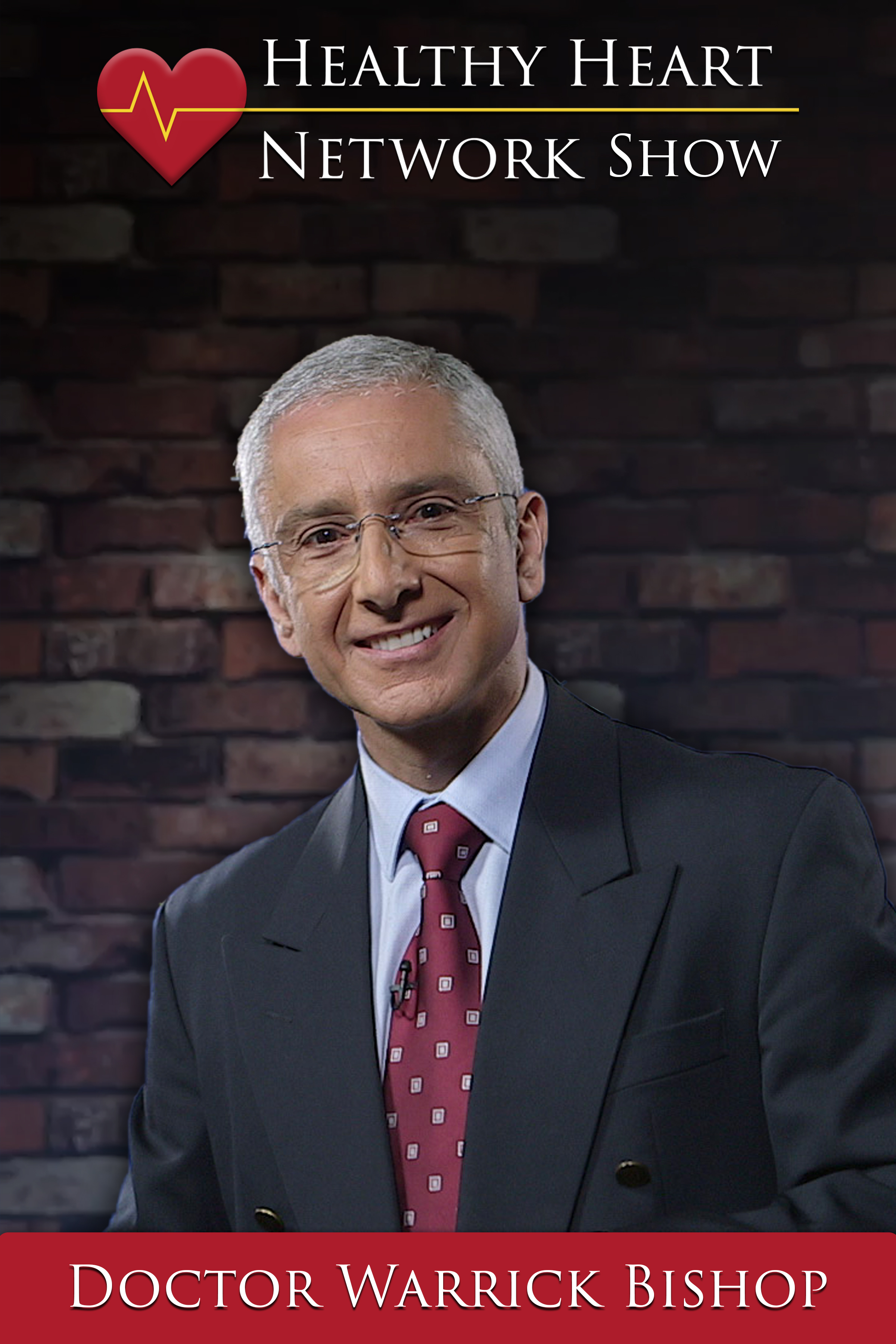
Welcome to my podcast, I am Doctor Warrick Bishop, and I want to help you to live as well as possible for as long as possible. I’m a practising cardiologist, best-selling author, keynote speaker, and the creator of The Healthy Heart Network. I have over 20 years as a specialist cardiologist, a private practice of over 10,000 patients.

Australia, like the rest of the western world, has a heart problem.

Over 9 million people around the world die from heart disease every year.

Every 10 minutes, someone in Australia suffers a heart attack. And 21 lives are lost daily because of it.

The devastating fact in all this is… 

Almost every one of those cases could have been prevented. 

This podcast is for anyone who wants to improve their health literacy and gain information to help them make the best decisions about their risk of heart attack, their cholesterol, blood pressure, risk of diabetes, weight loss and general health. Join me on my personal mission journey to prevent Heart Attack on a global scale. If you like this podcast I would be honoured with a 5-star review and let your friends and family know, you may even save the life of someone you love!

Episodes

EP340: Fish Oils and Where We Are

Welcome to my podcast. I am Doctor Warrick Bishop, and I want to help you to live as well as possible for as long as possible. I’m a practising cardiologist, best-selling author, keynote speaker, and the creator of The Healthy Heart Network. I have over 20 years as a specialist cardiologist and a private practice of over 10,000 patients. Episode Summary Introduction Dr. Auric Bishop, a cardiologist, author, and CEO of the Healthy Heart Network, hosts this episode to discuss omega-3 fish oils and marine triglycerides—what they are, how they work, and what current research reveals about their effectiveness. With heart disease causing significant mortality in Australia, the episode aims to help listeners understand the science behind these popular supplements and their role in cardiovascular health. Key Takeaways Not all omega-3 fish oil supplements are equal; over-the-counter varieties are classified as food products and only need to meet food-quality standards, not pharmaceutical standards, resulting in variable quality and purity. A 2014 New Zealand study found that only 3 out of 32 common fish oil supplements contained the EPA and DHA amounts claimed on their labels, with most containing only 60-70% of advertised levels and excessive oxidation that reduces effectiveness. Over-the-counter fish oil supplements often contain saturated fats and other impurities as filler, which may actually raise LDL cholesterol and counteract the intended cardiovascular benefits. Research shows that EPA (eicosapentaenoic acid) alone has demonstrated clinical benefits in reducing major adverse coronary events, while the combination of EPA and DHA together has not replicated these results. EPA works through multiple mechanisms including maintaining cholesterol distribution, preserving membrane stability, reducing triglyceride levels, decreasing inflammation, and stabilizing vulnerable arterial plaques to prevent future cardiac events. Large clinical trials using low-dose omega-3 supplements (Vital, Ascend, Strength) showed inconsistent or no cardiovascular benefits, but three high-dose EPA trials (JELUS, RESPECT, REDUCER) demonstrated 15-20% relative risk reduction in secondary prevention. The REDUCER trial showed that high-dose EPA (4 grams daily) provided significant cardiovascular benefits in patients with established heart disease or elevated triglycerides despite already being on cholesterol-lowering statin therapy. The most practical and effective way to obtain beneficial omega-3 levels is eating fresh, fatty fish once or twice weekly (200 grams provides approximately 20 grams each of EPA and DHA), which is more reliable than over-the-counter supplements. Pharmaceutical-grade prescription EPA products are highly purified and regulated but are only beginning to become available in Australia, making fresh fish consumption the current best alternative for most people. Read more

EP339: What's This ApoB All About?

Welcome to my podcast. I am Doctor Warrick Bishop, and I want to help you to live as well as possible for as long as possible. I’m a practising cardiologist, best-selling author, keynote speaker, and the creator of The Healthy Heart Network. I have over 20 years as a specialist cardiologist and a private practice of over 10,000 patients. EP339: What's This ApoB All About? Dr. Warwick Bishop, a cardiologist and CEO of the Healthy Heart Network, hosts this episode dedicated to explaining ApoB and its relevance to heart health. Building on awareness raised by Dr. Peter Attia in the longevity space, the episode explores what ApoB is, its clinical utility, and whether it should be routinely measured alongside standard cholesterol panels. Key Takeaways: ApoB (ApoB100) is a protein that makes up lipoprotein particles, which transport cholesterol and fats throughout the bloodstream in protective protein "balls" rather than floating freely. ApoB measurement indicates the number of cholesterol-carrying particles in the blood, whereas LDL cholesterol measures concentration per volume—a subtly different but important distinction. ApoB is present in all cholesterol particles except HDL (which uses ApoA protein instead), making it a useful marker for total atherogenic particle burden. A greater number of particles carrying cholesterol and lipids increases the risk of plaque formation in arteries, making ApoB relevant to cardiovascular risk assessment. Triglyceride levels on a standard lipid panel can effectively indicate whether small, dense LDL particles are present—if triglycerides are under 1.2 millimoles per litre, small dense particles are unlikely. Elevated triglycerides often reflect insulin resistance, prediabetes, or diabetes and are associated with increased small, dense LDL particles. Standard cholesterol interventions that lower LDL cholesterol and triglycerides will inherently lower ApoB, making additional ApoB testing potentially redundant. All existing cardiovascular outcome research is based on LDL cholesterol levels, not ApoB, so clinical decision-making continues to rely on traditional lipid panels. In Australia, ApoB is not currently covered by Medicare rebates, making it an additional out-of-pocket expense without clear clinical advantage over standard panels. While ApoB provides interesting academic context about particle numbers, clinicians can effectively infer this information from standard cholesterol and triglyceride measurements without routine ApoB testing. Read more

EP338: Placebo Nocebo With James Buckley

Welcome to my podcast. I am Doctor Warrick Bishop, and I want to help you to live as well as possible for as long as possible. I’m a practising cardiologist, best-selling author, keynote speaker, and the creator of The Healthy Heart Network. I have over 20 years as a specialist cardiologist and a private practice of over 10,000 patients. EP338: Placebo Nocebo With James Buckley Dr. Auric Bishop (host) and Warwick Bishop welcome back James Buckley, a hypnotherapist and mind mastery expert, to explore the fascinating mechanisms of placebo and nocebo effects. The episode examines how the brain can create both positive and negative physical responses without chemical intervention, and discusses practical applications for patients struggling with medication side effects, particularly statins. Key Takeaways: Placebo is the brain's ability to create chemical reactions and psychological experiences within the body without any actual chemical substance present, while nocebo refers to the negative counterpart where expected side effects manifest. The SAMSON trial demonstrated that 90% of reported statin side effects were attributable to the nocebo effect, with active medication producing only marginally more symptoms than placebo pills. The brain operates as a top-down processor, capable of generating the same neurochemical responses to expected outcomes as actual pharmaceutical compounds would produce, regardless of whether the drug is genuinely present. Every thought produces neurochemicals; humans generate 70,000-90,000 thoughts daily, each creating chemical reactions throughout the body that influence physical sensations and health outcomes. Extreme examples like indigenous "pointing the bone" rituals and snake-handling preachers demonstrate the extraordinary power of belief to literally determine life-or-death outcomes in the human body. Patients presenting with multiple drug intolerances may actually be experiencing manifestations of unresolved trauma, anxiety, or suppressed emotional issues rather than genuine allergic responses. Hypnosis, meditation, and breathwork can empower patients to regain control over their thought processes and emotions, enabling them to tolerate medications they previously perceived as problematic. The mind contains untapped potential that individuals can access through proper guidance and support, which may resolve underlying issues driving both physical symptoms and medication intolerance. A practical case study showed that a patient unable to cross a bridge due to phobia was able to do so after addressing anxiety and trauma through therapeutic work, metaphorically and literally crossing bridges in his life. Healthcare providers should recognize that patients requiring empowerment and psychological support may benefit more from this approach than from continuously prescribing new medications for perceived intolerances. Read more

EP337: High Fructose Corn Syrup and Red Wine Headache

Welcome to my podcast. I am Doctor Warrick Bishop, and I want to help you to live as well as possible for as long as possible. I’m a practising cardiologist, best-selling author, keynote speaker, and the creator of The Healthy Heart Network. I have over 20 years as a specialist cardiologist and a private practice of over 10,000 patients. Episode Summary Introduction Dr. Auric Bishop, a cardiologist and CEO of the Healthy Heart Network, hosts this episode with guest Warwick Bishop to discuss two beverage-related health topics: the effects of high fructose corn syrup in sugary drinks and the mechanisms behind red wine headaches. The episode aims to help listeners understand how common dietary components may impact cardiovascular health and overall wellness. Key Takeaways: High fructose corn syrup in sugary sweetened beverages may trigger a genetic survival mechanism involving fructose's impact on adenosine triphosphate (ATP), leading to energy imbalance and disrupted energy regulation. Sugary sweetened beverages have been linked to increased rates of type 2 diabetes, cardiovascular disease, and non-alcoholic fatty liver disease, with obesity rates rising alongside the introduction of high fructose corn syrup in the 1970s-80s. High fructose corn syrup became prevalent in soft drinks because it's a cheap industrial sweetener, and research suggests fructose may have a direct impact on how the body metabolizes fat. High fructose corn syrup could follow the regulatory path of trans fats, which were eventually banned or severely limited after being linked to increased LDL cholesterol and heightened risk of heart attack and stroke. Alcohol metabolism involves ethanol being converted to acetaldehyde (which causes hangover symptoms) and then to acetate (which is benign) through specific enzymes. Red wine contains quercetin glucuronoside, a pigment compound that inhibits acetaldehyde dehydrogenase, preventing proper conversion to acetate and allowing acetaldehyde to accumulate, potentially explaining why red wine causes more severe hangovers than other alcohols. People of East Asian ancestry have a genetic predisposition for acetaldehyde dehydrogenase mutations, resulting in significant alcohol intolerance. Individual sensitivity to hangover symptoms varies based on personal enzyme efficiency and the specific wine or alcohol consumed. Read more

EP336: Time-Restricted Eating & Liproprotein A

Welcome to my podcast. I am Doctor Warrick Bishop, and I want to help you to live as well as possible for as long as possible. I’m a practising cardiologist, best-selling author, keynote speaker, and the creator of The Healthy Heart Network. I have over 20 years as a specialist cardiologist and a private practice of over 10,000 patients. Episode Summary Introduction: Dr. Auric Bishop, a cardiologist, author, and CEO of the Healthy Heart Network, hosts this episode to discuss two important cardiovascular health topics: time-restricted eating and lipoprotein A. The episode explores scientific evidence on how different dietary and exercise interventions affect weight loss, muscle mass, and cardiovascular risk factors, with practical insights for managing heart disease prevention. Key Takeaways: Time-restricted eating (such as 16:8 fasting) alone produces weight loss and improves insulin sensitivity, but results in loss of both fat and muscle mass without exercise. High-intensity interval training (HIIT) alone achieves greater reductions in waist circumference than time-restricted eating and importantly maintains or increases muscle mass during weight loss. Combining time-restricted eating with HIIT produces the greatest benefits: maximum weight loss, BMI reduction, waist circumference reduction, and nearly 40% reduction in LDL cholesterol (equivalent to low-to-intermediate-dose statins). HIIT preserves lean muscle mass while losing weight, which is critical for reducing frailty as people age—an advantage not seen with time-restricted eating alone. All three interventions (time-restricted eating alone, HIIT alone, and the combination) improved blood pressure and insulin resistance over 12 weeks in the study of overweight women. Lipoprotein A elevation indicates increased cardiovascular risk for most people, but it is an association rather than causation in individual cases, as demonstrated by a patient with elevated Lp(a) but zero coronary calcium. Coronary calcium scoring may be a valuable starting point to evaluate baseline cardiovascular risk before additional testing like Lp(a) measurement. Surprisingly, both time-restricted eating and HIIT groups reduced overall calorie intake during the study, despite the common expectation that exercise increases hunger. Read more

EP335: Death & Dying Part 2

Welcome to my podcast. I am Doctor Warrick Bishop, and I want to help you to live as well as possible for as long as possible. I’m a practising cardiologist, best-selling author, keynote speaker, and the creator of The Healthy Heart Network. I have over 20 years as a specialist cardiologist and a private practice of over 10,000 patients. Episode Summary Host and Guest Introduction: Warwick Bishop hosts this episode featuring James Buckley to continue their two-part discussion on death and dying. This is part two of an exploration into how the mind and body interact during the grieving process, with James providing expert insights into the psychological and physiological dimensions of grief and loss. Key Takeaways: Denial in grief keeps us stuck by preventing acceptance of changed reality; it creates psychological confusion that manifests physically in the body through emotional imprinting. The intensity of denial varies significantly depending on individual circumstances—such as the age and health status of the deceased—making grief experiences highly personal and unique. Change and death are inevitable natural processes reflected throughout nature, and accepting this fundamental truth helps remove false certainties that fuel denial. Anger during grief is a sympathetic nervous system response—a protective mechanism that triggers fight-or-flight reactions to defend against painful emotions. Extreme anger and sympathetic activation during grief can trigger "broken heart syndrome" (Takotsubo syndrome), where adrenaline surges can physically paralyze the heart and mimic a heart attack. Some people become addicted to the chemical rush of the sympathetic nervous system (adrenaline and cortisol), causing them to stay stuck in anger by repeatedly replaying grief situations. Depression in grief represents a pendulum swing from sympathetic overdrive to parasympathetic downregulation, serving as a balancing and processing phase that is necessary for moving toward equilibrium. People can become stuck in or addicted to depression, sometimes seeking sympathy from others or romanticizing sadness as a way to maintain connection to the deceased. Breathwork is a practical daily tool that helps process grief by working with the nervous system and deepening psychological experiences during the grieving journey. Read more

EP334: Death & Dying Part 1

Welcome to my podcast. I am Doctor Warrick Bishop, and I want to help you to live as well as possible for as long as possible. I’m a practising cardiologist, best-selling author, keynote speaker, and the creator of The Healthy Heart Network. I have over 20 years as a specialist cardiologist and a private practice of over 10,000 patients. Episode Summary EP334: Death & Dying Part 1 Dr. Auric Bishop hosts this podcast featuring James Buckley, a personal guidance counselor specializing in meditation, hypnosis, and spiritual teachings. The episode explores the complex emotional and psychological aspects of death and dying—a topic Bishop has been hesitant to address despite his focus on helping people "live as well as possible for as long as possible." Both Bishop and Buckley share recent personal experiences with loss, including the deaths of Bishop's mother and his partner's mother, and Buckley's great aunt, which prompted this candid conversation about grief and mortality. Key Takeaways: Death and dying remain a societal taboo that prevents people from developing healthy coping mechanisms, leading to greater difficulty when loss inevitably occurs Different types of death (expected vs. sudden, at old age vs. young age) create distinctly different grief responses and emotional processing for those left behind Grief involves grieving both the loss of the person and the loss of future shared experiences and opportunities that will never happen The five stages of grief (denial, anger, bargaining, depression, acceptance) provide a framework for understanding the grieving process, though people don't necessarily move through them in a linear fashion Anger in the grieving process is often repressed sadness—a protective mechanism that shields people from confronting deeper emotional pain Bargaining is the psychological process of reconciling loss by finding meaning or justification for what happened (e.g., "they lived a good life," "they died doing what they loved") Depression following grief makes sense because it reflects the realization of permanent loss and the inability to have future experiences with loved ones Acceptance is not a final endpoint but rather an ongoing process with varying degrees; some losses remain harder to accept than others Breath work and somatic practices can help process grief held in the body and release trapped emotion from the grieving experience Discussing death openly and preparing psychologically for mortality helps people develop resilience and better coping tools before loss occurs Read more

EP333: Two Case Studies For Your Interest

Welcome to my podcast. I am Doctor Warrick Bishop, and I want to help you to live as well as possible for as long as possible. I’m a practising cardiologist, best-selling author, keynote speaker, and the creator of The Healthy Heart Network. I have over 20 years as a specialist cardiologist and a private practice of over 10,000 patients. Episode Summary Dr. Rick Bishop, a cardiologist and CEO of the Healthy Heart Network, presents two contrasting case studies demonstrating how personalized, bespoke approaches to cholesterol management are essential since different patients respond differently to treatment. The episode emphasizes that individual health management cannot be one-size-fits-all and highlights the critical importance of blood pressure control and cholesterol management in preventing cardiovascular events. Key Takeaways: Health investments made today are investments in future health—what you do now determines your health outcomes 5-10 years from now, and once health deteriorates, time cannot be reversed. Blood pressure control is critical because elevated blood pressure increases risk for heart attack, stroke, renal failure, atrial fibrillation, cardiac failure, and dementia, yet is easy to treat with modern medications. Dual blood pressure therapy using lower doses of two synergistic medications is preferable to maximizing a single agent, as it improves efficacy while minimizing side effects. Cardiac CT imaging is a valuable diagnostic tool for patients with risk factors (family history, elevated cholesterol, elevated blood pressure), providing centile comparisons to peers and revealing true cardiovascular risk. Statin side effects are real and individual—when one statin causes problems, alternative statins with different chemical properties (like switching from lipophilic atorvastatin to lipophobic rosuvastatin) may be better tolerated. Alternate-day dosing of statins can prevent medication buildup in the bloodstream and allow patients who are sensitive to statins to achieve cholesterol control without side effects. Adding ezetimibe as an adjunct therapy to statins provides synergistic effects and additional LDL cholesterol reduction without significant side effects. Getting LDL cholesterol below 2 millimoles per liter can slow or arrest plaque formation in high-risk patients. Women die from coronary artery disease at rates comparable to men, yet cardiovascular disease in women receives less public awareness than other conditions like breast cancer despite being the leading cause of female death in the Western world. Ketogenic diets can be effective for significant weight loss but often result in high saturated fat intake, which can elevate cholesterol levels and may offset some cardiovascular benefits gained from weight reduction. Read more

EP332: The Importance of Exercise With Dr Jason Kaplan

Welcome to my podcast. I am Doctor Warrick Bishop, and I want to help you to live as well as possible for as long as possible. I’m a practising cardiologist, best-selling author, keynote speaker, and the creator of The Healthy Heart Network. I have over 20 years as a specialist cardiologist and a private practice of over 10,000 patients. Podcast Summary Introduction Dr. Warrick Bishop, a cardiologist, author, and CEO of the Healthy Heart Network, hosts this episode with Dr. Jason Kaplan, a fellow cardiologist focused on preventative cardiology. The episode centers on exercise as a critical tool for cardiovascular health and disease prevention, featuring an extended mock patient consultation demonstrating how cardiologists prescribe exercise to patients with intermediate-to-high cardiovascular risk. Key Takeaways: If the cardiovascular benefits of exercise were bottled into a drug, it would become the world's best-selling medication due to its myriad biological effects on multiple body systems, not just the heart. The heart can remodel and improve its size and pumping function through athletic activity up to age 70, making it never too late to achieve cardiovascular improvements. Patients need specific exercise prescriptions rather than vague advice to "just exercise," tailored to their individual circumstances and cardiovascular risk profiles. For intermediate-to-high risk patients, baseline cardiovascular testing such as stress echocardiograms is important to establish safety and identify any lack of blood supply to the heart before beginning an exercise program. Moderate-intensity aerobic exercise of 150-300 minutes per week (such as walking at 4 km/h or recreational cycling) provides significant cardiovascular benefits and should feel like "zone two" effort where you're slightly puffed but can still talk. High-intensity interval training of 75-150 minutes per week achieves similar cardiovascular benefits to moderate exercise and is a practical alternative for time-constrained individuals. Aerobic exercise is more powerful than resistance training for improving blood pressure and endothelial function (artery lining health), though resistance training should complement aerobic activity. A maximum heart rate can be estimated using the formula 220 minus age, with most training occurring at 70-85% of maximum heart rate, though this is a general guide with individual variation. Cardiorespiratory fitness is directly correlated with cardiovascular longevity—the fitter someone is aerobically, the longer they will live. Exercise supplements medical treatment of cardiovascular risk factors by helping to lower blood pressure, improve cholesterol profiles, and facilitate weight loss while improving overall quality of life. Read more

EP331: Who Is At Risk of Thin Bones?

Welcome to my podcast. I am Doctor Warrick Bishop, and I want to help you to live as well as possible for as long as possible. I’m a practising cardiologist, best-selling author, keynote speaker, and the creator of The Healthy Heart Network. I have over 20 years as a specialist cardiologist and a private practice of over 10,000 patients. Episode Summary: Who Is At Risk of Thin Bones? Dr. Auric Bishop, a cardiologist, author, and CEO of the Healthy Heart Network, hosts this episode to educate listeners about bone health risk factors. As a partner in OsteoStrong, a franchise business focused on improving bone health, balance, and strength, Dr. Bishop draws on guidelines from the Australian Family Physician to explain who should be screened for osteoporosis and osteopenia. The episode provides practical information to help individuals assess their bone health risk and determine whether bone mineral density (DEXA) testing might be appropriate. Key Takeaways: Anyone over 70 years of age is considered a reasonable candidate for bone mineral density testing, while women over 50 and men over 60 with risk factors should also be screened. Women experience bone health problems earlier than men (due to menopause and lower baseline bone density), while men experience cardiovascular problems earlier than women—a 10-year difference reversal between the two conditions. Smoking and excessive alcohol consumption (2-4 standard drinks per day) reduce bone mineral density by disrupting the balance between osteoblasts and osteoclasts. Medical conditions including endocrine disorders (early menopause, thyroid issues, hyperparathyroidism), inflammatory diseases (rheumatoid arthritis, inflammatory bowel disease), chronic kidney disease, and liver disease significantly increase osteoporosis risk. Corticosteroid medications—commonly used for asthma and other lung diseases—are major risk factors for reduced bone mineral density and warrant earlier screening. SSRIs (selective serotonin reuptake inhibitors), widely prescribed antidepressants, may warrant bone density assessment due to their potential impact on bone health in a large population. Proton pump inhibitors used long-term for acid reflux can reduce calcium absorption and negatively impact bone mineral density over time. Anti-epileptic medications, anti-androgens, anti-estrogens, and excessive thyroxine therapy can all alter bone mineral density through various mechanisms. Sedentary lifestyle accelerates bone loss, while maintaining physical activity from age 25-30 onward slows the rate of bone mineral density decline. Inadequate calcium intake, low body weight, eating disorders, and increased fall risk are important lifestyle and nutritional factors that may necessitate bone density screening. Read more