Heart Attacks are Preventable!

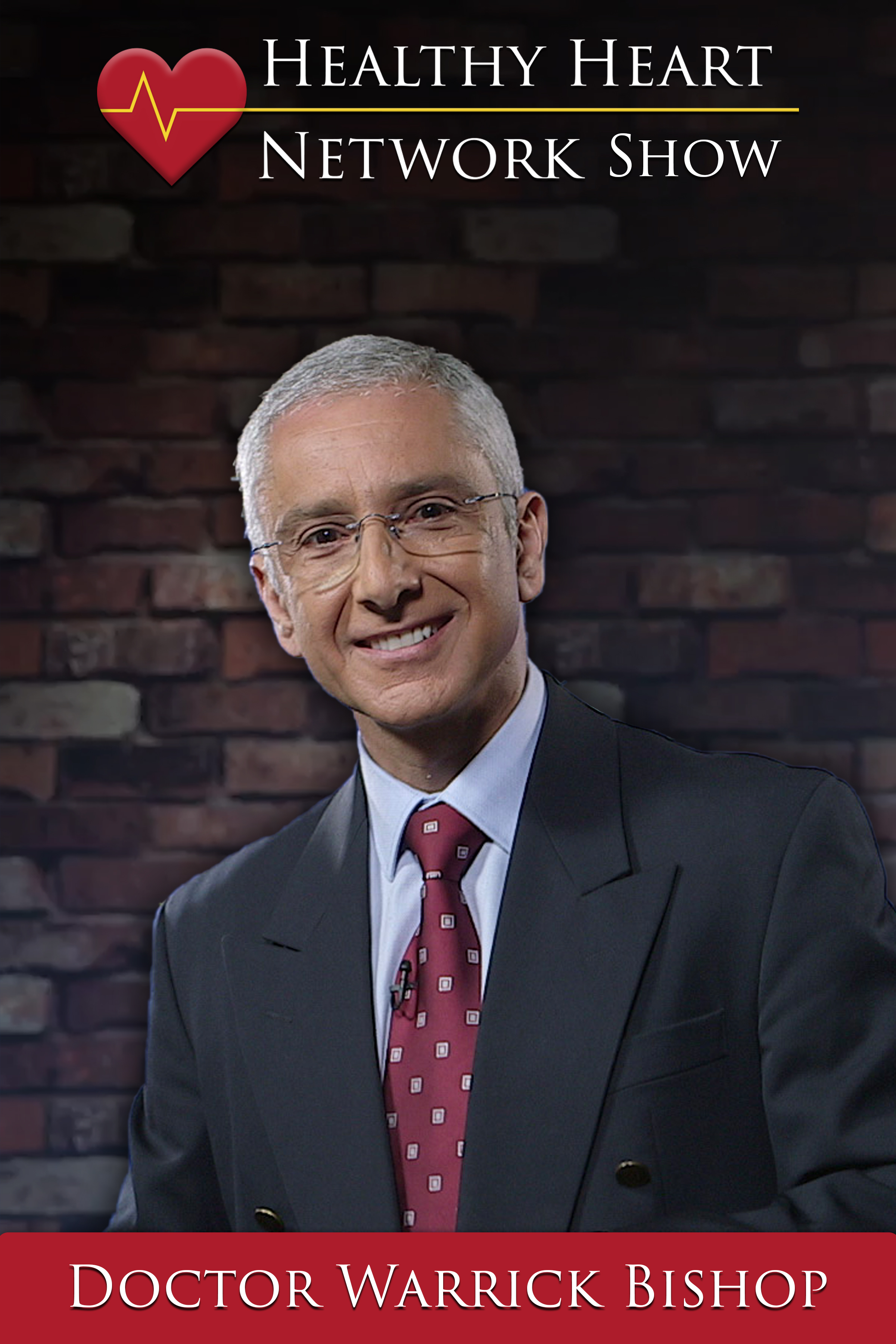
Welcome to my podcast, I am Doctor Warrick Bishop, and I want to help you to live as well as possible for as long as possible. I’m a practising cardiologist, best-selling author, keynote speaker, and the creator of The Healthy Heart Network. I have over 20 years as a specialist cardiologist, a private practice of over 10,000 patients.

Australia, like the rest of the western world, has a heart problem.

Over 9 million people around the world die from heart disease every year.

Every 10 minutes, someone in Australia suffers a heart attack. And 21 lives are lost daily because of it.

The devastating fact in all this is… 

Almost every one of those cases could have been prevented. 

This podcast is for anyone who wants to improve their health literacy and gain information to help them make the best decisions about their risk of heart attack, their cholesterol, blood pressure, risk of diabetes, weight loss and general health. Join me on my personal mission journey to prevent Heart Attack on a global scale. If you like this podcast I would be honoured with a 5-star review and let your friends and family know, you may even save the life of someone you love!

Episodes

EP374: If It's Not My Genes, Then What Is Putting Up My Cholesterol?

Welcome to my podcast. I am Doctor Warrick Bishop, and I want to help you to live as well as possible for as long as possible. I’m a practising cardiologist, best-selling author, keynote speaker, and the creator of The Healthy Heart Network. I have over 20 years as a specialist cardiologist and a private practice of over 10,000 patients. Podcast Summary Introduction Dr. Oreck Bishop hosts this informative episode discussing the various medical conditions and medications that can elevate cholesterol levels beyond genetic factors. Rather than focusing on familial hypercholesterolemia (the monogenic form), Dr. Bishop explores the numerous secondary causes of raised cholesterol that doctors should investigate when managing patients with elevated lipid profiles. The episode concludes with an interesting note about coffee's impact on cholesterol levels. Key Takeaways: Hypothyroidism reduces the effectiveness of LDL receptors, preventing them from pulling cholesterol into the liver, resulting in elevated LDL levels; it's easily detected with a simple thyroid stimulating hormone blood test. Diabetes significantly alters lipid profiles by raising triglycerides, lowering HDL ("good cholesterol"), and creating smaller, denser LDL particles that pose greater cardiovascular risk. Chronic kidney disease with nephrotic syndrome causes significant cholesterol elevation because the liver compensates for protein loss by producing more cholesterol-carrying proteins. Metabolic-associated fatty liver disease (formerly non-alcoholic fatty liver disease) increases both triglycerides and LDL cholesterol, though paradoxically these levels drop at advanced stages near cirrhosis. Cushing's syndrome, caused by elevated cortisol levels, raises triglycerides and LDL particles similar to steroid medications and typically presents with muscle loss, central obesity, and increased cardiovascular risk. Menopause reduces estrogen levels, causing LDL cholesterol to increase while HDL cholesterol decreases during this life transition. Steroid medications are significant cholesterol elevators and should be avoided long-term when possible, as they raise both LDL and triglycerides while increasing risk of obesity, diabetes, and osteoporosis. HIV protease inhibitor drugs directly increase LDL cholesterol and triglycerides, creating compounded cardiovascular risk for patients already dealing with an inflammatory condition. Some antipsychotic medications increase cholesterol and triglycerides, creating a concerning paradox where drugs necessary for mental health treatment also elevate cardiovascular disease risk. Cafestol, a compound in unfiltered coffee (French press, espresso, Turkish coffee), can increase cholesterol levels by 5-10% when consumed at high volumes, nearly equivalent to the effect of doubling a statin dose in reverse. Read more

EP373: Coffee CACs and Questions

Welcome to my podcast. I am Doctor Warrick Bishop, and I want to help you to live as well as possible for as long as possible. I’m a practising cardiologist, best-selling author, keynote speaker, and the creator of The Healthy Heart Network. I have over 20 years as a specialist cardiologist and a private practice of over 10,000 patients. Coffee, CAC and Questions Podcast Summary Introduction Dr. Warrick Bishop hosts this podcast and videocast station, welcoming listener questions and feedback on health and cardiovascular topics. In this episode, Dr. Bishop addresses questions from listeners about atrial fibrillation treatment options, cholesterol-lowering medications and their metabolic effects, coronary artery calcium scoring, and the cardiovascular effects of coffee consumption. Key Takeaways: Drugs are generally preferred over AV nodal ablation for atrial fibrillation rate control, with ablation reserved as a last resort when medications fail to adequately slow the ventricle. Recent muscle biopsy studies suggest that statin use does not significantly alter coenzyme Q10 levels in muscles, contrary to some previous assumptions about statin side effects. The relationship between statins and vitamin K2 levels remains unclear and requires further research, though Dr. Bishop raised it as a theoretical concern rather than established fact. Bembedoic acid works upstream in the same metabolic pathway as statins, meaning it would have similar potential pleiotropic effects, though these effects are not yet well-studied. Coronary artery calcium scores of 1-10, while still low-risk, represent a three-fold increase in cardiovascular event risk compared to a score of zero, demonstrating that plaque accumulation begins affecting risk even at minimal levels. Coffee consumption shows a J-curve (or U-shaped) relationship with cardiovascular risk, with an optimal sweet spot at approximately three cups per day or 250 milligrams of caffeine. A comprehensive study of over a million participants found that regular coffee consumption is associated with reduced cardiovascular disease risk, supporting multiple previous meta-analyses on this topic. Dr. Bishop encourages listeners to submit questions and topic suggestions via email at info@drwarrickbishop.online or through his webpage to help guide future podcast content. Read more

EP372: Magnets and Health with Mark Fox (Part 2)

Welcome to my podcast. I am Doctor Warrick Bishop, and I want to help you to live as well as possible for as long as possible. I’m a practising cardiologist, best-selling author, keynote speaker, and the creator of The Healthy Heart Network. I have over 20 years as a specialist cardiologist and a private practice of over 10,000 patients. Podcast Summary Introduction Dr. Warrick Bishop, a cardiologist, author, and CEO of the Healthy Heart Network, interviews Mark Fox, an entrepreneur, rocket scientist, and CEO of Rezona Health, about pulsed electromagnetic field (PEMF) therapy and its health applications. This is part two of their conversation, building on previous discussions about how electromagnetic energy can help cells function better and potentially prevent or reverse disease. Key Takeaways Rezona Health's VIBE device is a pocket-sized wearable (designed to resemble an iPod) that uses electromagnetic field therapy by playing "songs" through a coil that create therapeutic magnetic fields for various health conditions. The device works through three theorized mechanisms: resonating with water in the body, creating ultra-low electrical currents (1,000 times less than TENS units), and potentially interacting with magnetite crystals recently discovered in human cells. A fourth potential mechanism involves blood cells becoming "charged" as they pass through the device's magnetic field near the neck, then distributing that energy throughout the body to improve healing and reduce inflammation. An upcoming pendant device launching in early 2024 will specifically target the vagus nerve, based on research showing that vagus nerve toning at the right frequency can address numerous health conditions. Clinical and anecdotal evidence shows PEMF therapy can significantly reduce fracture healing time (documented in double-blind randomized trials) and improve wound healing in both humans and animals. For PTSD treatment, heart rate variability—not cortisol levels—is the appropriate measurement of success, according to the Veterans Administration and recent research findings. The device can be worn around the neck, in a pocket, or even placed in a bra, and can be infused into water (effective for ~6 hours) or creams (effective for ~30 days) for treating wounds on zoo animals and other applications. VIBE devices retail for $399 but are available to Dr. Bishop's listeners for $249 with a special discount, and Rezona Health ships worldwide for free. Dr. Bishop recommends exploring PEMF therapy for those with chronic pain, anxiety, PTSD, arthritis, multiple sclerosis, and other inflammatory conditions, emphasizing results matter even when full scientific understanding is still developing. Read more

EP371: Magnets and Health with Mark Fox (Part 1)

Welcome to my podcast. I am Doctor Warrick Bishop, and I want to help you to live as well as possible for as long as possible. I’m a practising cardiologist, best-selling author, keynote speaker, and the creator of The Healthy Heart Network. I have over 20 years as a specialist cardiologist and a private practice of over 10,000 patients. Podcast Summary Introduction Dr. Auric Bishop, a cardiologist, author, and CEO of the Healthy Heart Network, hosts this episode featuring Mark Fox, an entrepreneur, inventor, and CEO of Rezona Health based in Florida. The episode explores pulsed electromagnetic field (PEMF) therapy, a non-invasive energy-based technology that both the host and guest have become passionate about after initially being skeptical of its efficacy for treating various health conditions. Key Takeaways: PEMF therapy works as an energy exchange that recharges cellular "batteries" (voltage) and increases ATP (adenosine triphosphate) production by up to 500%, enabling the body's natural healing mechanisms. Mark Fox developed his PEMF device after witnessing its potential effects on his aging dog with arthritis and later became deeply committed after discovering a 98% success rate treating PTSD in military veterans and first responders. The Rezona Health device is a pocket-sized, portable PEMF device with coils that delivers frequencies without wires, designed as a "music player for your body" with protocols that change every 1-4 minutes like musical chords. Rezona Health has developed 59+ different therapeutic protocols addressing PTSD, anxiety, back pain, blood sugar regulation, vagus nerve toning, and pet health, with rigorous clinical studies underway to meet medical evidence standards (p-values below 0.05). PEMF therapy is far more therapeutically effective than static magnetic therapy (used since 3500 BC) and has been extensively researched and refined by over 8,000 practitioners over 35 years. The United States lags behind other countries in energy-based medical research due to 1934 pharmaceutical industry dominance, when the oil and pharmaceutical industries successfully suppressed electrical stimulation and energy transfer research in favor of drug and surgical approaches. PEMF technology is already widely recognized and used in the equine industry, with veterinarians using large MagnaWave machines, and Rezona's neck-band device delivers similar results for horses by targeting the vagus nerve. Unlike drugs whose mechanisms aren't fully understood (even aspirin), PEMF therapy has established scientific explanations involving cellular voltage restoration and improved cellular energy production. Read more

EP370: Looking at Plaque in the Arteries - IVUS and OCT

Welcome to my podcast. I am Doctor Warrick Bishop, and I want to help you to live as well as possible for as long as possible. I’m a practising cardiologist, best-selling author, keynote speaker, and the creator of The Healthy Heart Network. I have over 20 years as a specialist cardiologist and a private practice of over 10,000 patients. Podcast Episode Summary Introduction Dr. Warrick Bishop, a cardiologist, author, and CEO of the Healthy Heart Network, hosts this episode focused on advanced imaging technologies used to visualize arterial plaque. With heart disease claiming a life every 20 minutes in Australia, Bishop aims to educate listeners on how modern medical imaging can detect and understand plaque characteristics before cardiac events occur. Key Takeaways: Cardiac CT imaging is a non-invasive, external technology that effectively visualizes plaque in arteries before a person experiences a heart attack or cardiac event. Intravascular ultrasound (IVUS) uses high-frequency sound waves advanced down a thin wire to obtain detailed images of plaque from inside the artery. Optical coherence tomography (OCT) is an alternative technology that uses light instead of ultrasound to examine arteries and plaque characteristics with similar precision. Both IVUS and OCT allow cardiologists to visualize plaque composition, fibrous caps, calcification, and stability features to determine rupture risk. The "magic number" for LDL cholesterol is 1.4 millimoles per litre—achieving this level triggers plaque regression in over 50% of patients, as demonstrated by landmark studies (ASTEROID and Glargov). These invasive imaging technologies are primarily used clinically to guide stent placement and in research settings, not for routine screening of healthy individuals. Artificial intelligence (AI) is increasingly being integrated with IVUS and OCT to improve interpretation and analysis of arterial imaging data. Most heart attacks in Australia could be prevented with proper knowledge and prevention strategies regarding blood pressure, weight, and cholesterol management. Read more

EP369: More on PEMF With Candice

Welcome to my podcast. I am Doctor Warrick Bishop, and I want to help you to live as well as possible for as long as possible. I’m a practising cardiologist, best-selling author, keynote speaker, and the creator of The Healthy Heart Network. I have over 20 years as a specialist cardiologist and a private practice of over 10,000 patients. Podcast Summary Introduction Dr. Warrick Bishop hosts the Healthy Heart Network podcast and welcomes back Candice Grove, founder and CEO of Best Self Cell, to discuss pulsed electromagnetic field (PEMF) therapy and infrared light therapy. In this episode, they explore how PEMF therapy can address various health concerns and examine the integration of these technologies in therapeutic devices, while also discussing safety considerations and real-world applications. Key Takeaways PEMF therapy works across a broad spectrum of cells and has shown significant benefits for sleep, anxiety, stress, cognitive issues, bone health, joint and cartilage healing, and nerve pain recovery. Research from the Cochrane Review Library demonstrates that PEMF therapy can reduce fracture healing time by nearly 50%—a therapeutic outcome comparable to or exceeding many pharmaceutical interventions. Absolute contraindications for PEMF therapy include electrical implants like pacemakers; pregnant women should avoid it as a precaution due to lack of research, while epilepsy cases require professional consultation. PEMF devices are generally safe with standard metal implants (such as stents) at typical intensities, though very high-intensity devices (10,000 Gauss) should be avoided with metal implants. The Earth's natural electromagnetic field (7.83 Hz) creates a healthy living environment, and PEMF mats mimic this frequency, making them safe for extended use including overnight sleeping. Red light and near-infrared therapy enhance mitochondrial function and ATP production, promoting cellular healing, skin rejuvenation, inflammation reduction, and pain relief in targeted areas. PEMF electromagnetic fields penetrate completely through the body regardless of bone, tissue, or other materials, so users don't need to alternate positions to treat different sides. Best Self Cell pioneered the combination of PEMF and infrared therapies in a single mat in Australia, making this technology accessible locally rather than requiring expensive overseas purchases. Customer success stories demonstrate significant life improvements, including elimination of chronic pain, restored mobility, resolution of brain fog and migraines, and reduced dependence on ongoing therapeutic appointments. Read more

EP368: Interview With Candice and What's PEMF Again?

Welcome to my podcast. I am Doctor Warrick Bishop, and I want to help you to live as well as possible for as long as possible. I’m a practising cardiologist, best-selling author, keynote speaker, and the creator of The Healthy Heart Network. I have over 20 years as a specialist cardiologist and a private practice of over 10,000 patients. Podcast Episode Summary Introduction Dr. Warrick Bishop hosts this episode featuring Candice Grove, founder and CEO of Best Self, a company specializing in pulsed electromagnetic field (PEMF) therapy products. Dr. Bishop discovered Candice's work while researching PEMF mats for his wellness center in Hobart and invites her to explain this fascinating but underutilized therapy and its potential health benefits. The episode explores the science behind PEMF therapy and how it works at the cellular level to support overall health and wellness. Key Takeaways: PEMF therapy mimics the body's natural grounding with Earth by utilizing extremely low-frequency electromagnetic fields to stimulate cells to produce their own electromagnetic fields and action potentials. Every cell in the body has an electrical charge maintained by ion pumps in the cell membrane, making humans "electro beings" where electrical signaling is fundamental to all biological processes. Frequencies in PEMF therapy are measured in hertz and should match the body's natural states—slower frequencies (1-4 hertz) for sleep and recovery, while faster frequencies (15-75 hertz) support higher cognitive function and problem-solving. Magnetic field strength is measured in Gauss or Tesla, with therapeutic home devices typically using very low intensity, while high-intensity devices (up to 10,000 Gauss) have been successfully used on racehorses for fracture healing. PEMF therapy promotes blood vessel dilation through nitric oxide production and stimulates mitochondria to produce ATP, which improves circulation and oxygen delivery throughout the body. The therapy reduces inflammation by increasing blood flow to affected areas, enhances nutrient absorption and delivery, and supports bone health by allowing osteoblasts to properly receive electromagnetic signals. Substantial scientific evidence supporting PEMF therapy exists in the Cochrane Review Library, demonstrating that this therapy meets high-level evidence standards despite being relatively unknown in Australia. Candice developed Best Self after years of personal biohacking research and discovering that no one in Australia was offering quality PEMF products, leading her to combine infrared heat with PEMF for enhanced circulation and detoxification benefits. Best Self offers a range of infrared PEMF mats in different sizes and portability options to meet various therapeutic needs, from full-body treatment to portable solutions. A discount code "DR WARRICK" provides $50 off infrared PEMF mats and red light wraps at bestself.com.au. Read more

EP367: Keto and Other Tricky Cardiovascular Situations

Welcome to my podcast. I am Doctor Warrick Bishop, and I want to help you to live as well as possible for as long as possible. I’m a practising cardiologist, best-selling author, keynote speaker, and the creator of The Healthy Heart Network. I have over 20 years as a specialist cardiologist and a private practice of over 10,000 patients. Podcast Summary Introduction Dr. Ulrich Bishop hosts this medical podcast discussing cholesterol management and cardiovascular health across diverse patient populations. In this episode, Dr. Bishop covers several specialized topics including ketogenic diets, cholesterol management in women, and treatment considerations for older patients, those with chronic renal disease, and transplant recipients. The discussion focuses on practical clinical decision-making for patient groups that often fall outside standard treatment guidelines. Key Takeaways: Ketogenic and very low-carbohydrate diets can effectively flatten blood sugar levels, reduce appetite, lower blood pressure, improve insulin control, and support weight loss, leading to better overall patient wellbeing. A major concern with ketogenic diets is that they often replace carbohydrates with saturated fats, which significantly raises LDL cholesterol levels, particularly in "hyper responders," potentially offsetting cardiovascular benefits. High LDL particle numbers and elevated LDL cholesterol remain linked to arterial plaque buildup even when particles are large and fluffy, as evidenced by young patients with familial hypercholesterolemia who develop arterial disease. For patients on ketogenic diets with high cardiovascular risk, Dr. Bishop recommends maintaining reduced carbohydrate intake while minimizing saturated fat and pursuing the lowest possible LDL cholesterol targets, pending results from ongoing research trials. Women clearly benefit from statin therapy and non-statin cholesterol-lowering medications for reducing all-cause and cardiovascular mortality, contrary to historical uncertainty. Hormone replacement therapy is considered potentially beneficial for perimenopausal women without clear evidence of increased cardiovascular disease risk, supporting mood and bone health. Cholesterol-lowering medications should be avoided during pregnancy due to lack of safety data, requiring careful planning when young women with familial hypercholesterolemia consider conception. Treatment decisions for older patients should involve individualized risk assessment conversations, particularly in primary prevention settings, rather than automatic age-based cutoffs. Patients with chronic renal disease on dialysis carry very high cardiovascular risk, though statin data is unclear for this population; however, pre-transplant patients warrant cholesterol lowering to protect their vasculature for their upcoming transplant. Transplant recipients across all organ types often require LDL cholesterol lowering therapy, with specialist input needed regarding potential drug interactions between transplant medications and statins. Read more

EP366: LDL is a Remnant or a Waste Product of Lipid Metabolism

Welcome to my podcast. I am Doctor Warrick Bishop, and I want to help you to live as well as possible for as long as possible. I’m a practising cardiologist, best-selling author, keynote speaker, and the creator of The Healthy Heart Network. I have over 20 years as a specialist cardiologist and a private practice of over 10,000 patients. Podcast Summary Dr. Oreck Bishop hosts this educational podcast and videocast, where he explains the complex mechanisms of lipid and lipoprotein particle movement throughout the body. The episode focuses on clarifying how these particles primarily function as energy delivery systems, and he also addresses a listener question about AV nodal ablation for atrial fibrillation treatment. Key Takeaways: Lipoprotein particles' main role is to deliver energy sources (triglycerides) to tissues throughout the body, not primarily to transport cholesterol. Dietary fats are absorbed in the gut, bundled into chylomicrons, and transported via the lymph system, where lipoprotein lipase extracts triglycerides for tissue use. LDL cholesterol is a remnant particle created after triglycerides are removed from lipoproteins; it's not directly produced by the liver but rather taken up from circulation. The liver produces VLDL (very low-density lipoprotein) as an energy source to tissues, which undergoes the same process as chylomicrons, leaving LDL remnants in the bloodstream. Statins and bempedoic acid work by blocking HMG-CoA reductase, reducing cholesterol production in cells, which triggers cells to absorb more LDL cholesterol from the bloodstream. Blood test measurements of LDL cholesterol reflect particle cholesterol in circulation only, not the total cholesterol content within individual cells throughout the body. Every tissue in the body has LDL receptors that allow cells to take up cholesterol for synthesis purposes such as repair and hormone formation. AV nodal ablation is an important treatment option for rate control in atrial fibrillation when other treatments have failed, typically accompanied by pacemaker implantation. Read more

EP365: Talking All Things Risk - Primary, Secondary, Continuum and Residual

Welcome to my podcast. I am Doctor Warrick Bishop, and I want to help you to live as well as possible for as long as possible. I’m a practising cardiologist, best-selling author, keynote speaker, and the creator of The Healthy Heart Network. I have over 20 years as a specialist cardiologist and a private practice of over 10,000 patients. Episode Summary Introduction Dr. Warwick Bishop, a physician with nearly two decades of experience in cardiovascular health, hosts this episode to demystify risk assessment and cholesterol management. The episode explores why lowering cholesterol is emphasized in cardiovascular disease prevention, addressing common misconceptions held by cholesterol skeptics through a pragmatic, evidence-based approach. Dr. Bishop discusses risk across the spectrum of primary prevention, secondary prevention, and the continuum in between, while introducing the concept of residual risk that remains even after cholesterol reduction. Key Takeaways: Secondary prevention (treating patients who have already experienced cardiac events like heart attacks or strokes) has clear evidence of benefit from cholesterol lowering, with no ambiguity about the need for treatment. Primary prevention is more complex because it involves treating heterogeneous populations where some individuals carry high-risk plaques while others don't, potentially treating many to benefit a few. Atherosclerotic cardiovascular disease should be understood as a continuum rather than a binary condition, with imaging techniques enabling early detection of plaque buildup before symptoms appear. One millimole of cholesterol reduction equates to approximately a 20% relative risk reduction of future cardiovascular events, making LDL cholesterol management a significant modifiable risk factor. Residual risk—the remaining cardiovascular risk even after substantial cholesterol lowering—is addressed through managing hypertension, smoking cessation, weight management, diet, exercise, depression, medication adherence, inflammation, clotting factors, diabetes, and triglycerides. LDL cholesterol represents approximately 50% of modifiable cardiovascular risk factors, comparable to how central banks use interest rates as a single powerful lever to influence complex economies. Lipoprotein(a) is an emerging residual risk factor with promising research expected in 2024 that may lead to new treatment approaches beyond standard LDL lowering. In primary prevention, combining traditional risk factor assessment (age, blood pressure, cholesterol, smoking, diabetes) with imaging findings creates a more accurate risk profile than either measure alone. Risk management involves identifying the "weakest link" in an individual's health chain and developing targeted intervention plans rather than applying uniform treatments. Long-term lifetime cardiovascular risk (20-50 years) should be considered rather than focusing solely on five-year risk assessments, justifying early intervention for elevated traditional risk factors even without current imaging evidence of plaque. Read more