Heart Attacks are Preventable!

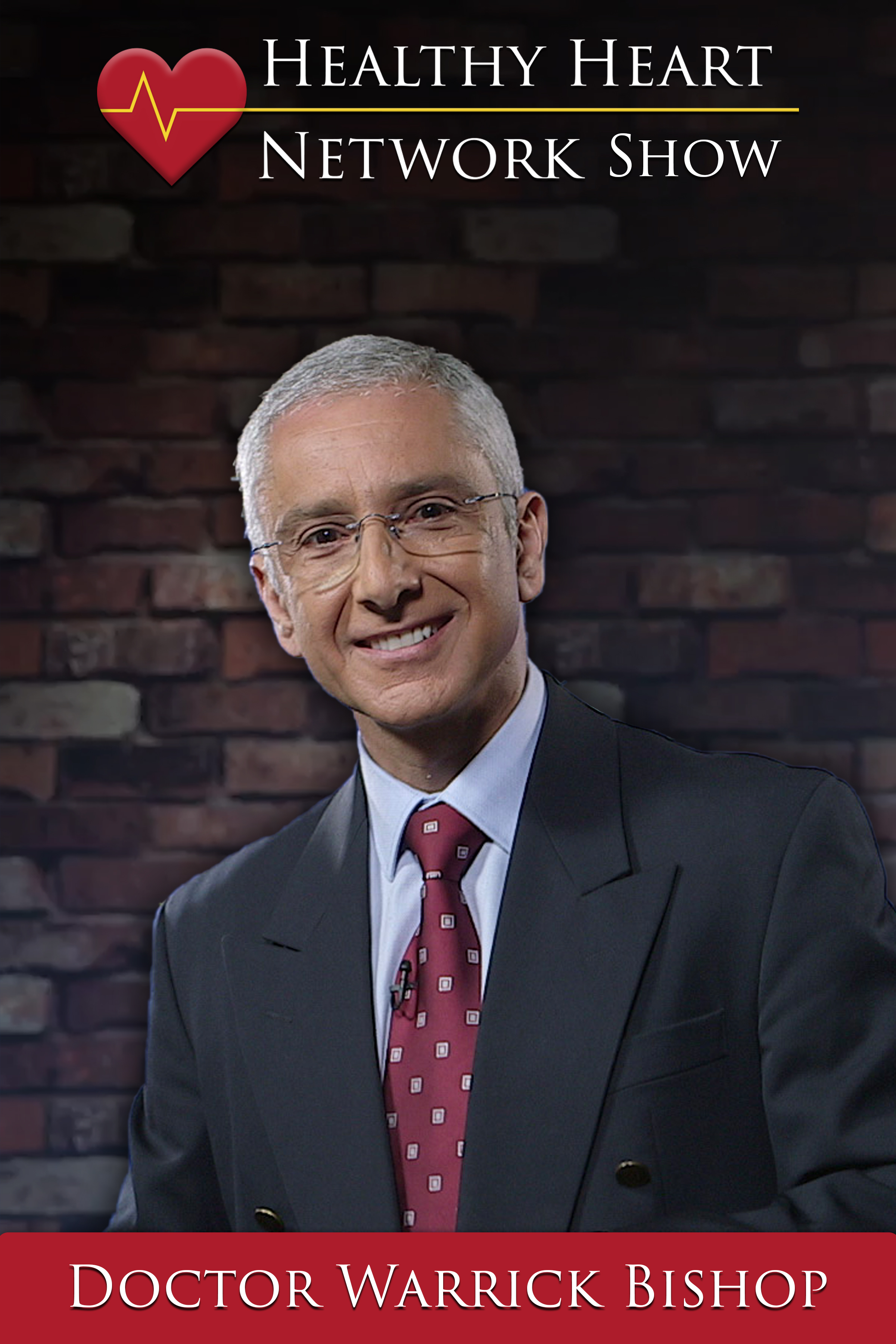
Welcome to my podcast, I am Doctor Warrick Bishop, and I want to help you to live as well as possible for as long as possible. I’m a practising cardiologist, best-selling author, keynote speaker, and the creator of The Healthy Heart Network. I have over 20 years as a specialist cardiologist, a private practice of over 10,000 patients.

Australia, like the rest of the western world, has a heart problem.

Over 9 million people around the world die from heart disease every year.

Every 10 minutes, someone in Australia suffers a heart attack. And 21 lives are lost daily because of it.

The devastating fact in all this is… 

Almost every one of those cases could have been prevented. 

This podcast is for anyone who wants to improve their health literacy and gain information to help them make the best decisions about their risk of heart attack, their cholesterol, blood pressure, risk of diabetes, weight loss and general health. Join me on my personal mission journey to prevent Heart Attack on a global scale. If you like this podcast I would be honoured with a 5-star review and let your friends and family know, you may even save the life of someone you love!

Episodes

EP405: Cardiovascular Risk For Women with Dr. Foo

Welcome to my podcast. I am Doctor Warrick Bishop, and I want to help you to live as well as possible for as long as possible. I’m a practising cardiologist, best-selling author, keynote speaker, and the creator of The Healthy Heart Network. I have over 20 years as a specialist cardiologist and a private practice of over 10,000 patients. Podcast Summary Introduction Dr. Warrick Bishop, a cardiologist, author, and CEO of the Healthy Heart Network, hosts this episode with Dr. Fiona, an interventional cardiologist specializing in women's heart health at Sydney Cardiology and Macquarie University. The episode explores how cardiovascular risk factors differ between men and women, highlighting the often under-recognized epidemic of heart disease in women, which causes more deaths than all cancers combined. Key Takeaways: Coronary heart disease is the second leading cause of death in women in Australia, yet it remains significantly under-recognized by both patients and medical professionals compared to other health threats like breast cancer. Several traditional cardiovascular risk factors—including diabetes, hypertension, smoking, and obesity—pose greater risks to women than men, yet women often receive less aggressive treatment to reach targets. Adverse pregnancy outcomes such as gestational hypertension, preeclampsia, eclampsia, and gestational diabetes are sex-specific risk factors that significantly increase women's future cardiovascular disease risk, even in young, reproductive-age women. Women with complicated pregnancies should be monitored closely throughout their lives with regular blood pressure checks, glucose monitoring, and maintenance of healthy lifestyle factors including exercise and diet. Autoimmune and inflammatory conditions—particularly systemic lupus erythematosus (SLE) and rheumatoid arthritis—disproportionately affect women and substantially increase their risk of early heart attacks and myocardial infarction, sometimes even before menopause. The severity and complexity of autoimmune diseases amplify cardiovascular risk, especially when combined with traditional risk factors like high cholesterol, hypertension, and diabetes. Breast cancer treatment, particularly left-sided radiation therapy, can lead to delayed coronary artery disease and impaired heart function, creating additional cardiovascular risks for cancer survivors. Early identification and proactive management of cardiovascular risk in women is crucial because modern medicine can effectively manage heart disease when identified early, but unexpected cardiovascular events can be life-threatening. Patient engagement and awareness are essential; women should take ownership of their cardiovascular health by asking questions and working collaboratively with their GPs and specialists. Multidisciplinary medical care is improving, with rheumatologists, dermatologists, and other specialists increasingly recognizing their responsibility to monitor cardiovascular risk factors in patients with autoimmune and inflammatory conditions. Read more

EP404: What is Glycocalyx?

Welcome to my podcast. I am Doctor Warrick Bishop, and I want to help you to live as well as possible for as long as possible. I’m a practising cardiologist, best-selling author, keynote speaker, and the creator of The Healthy Heart Network. I have over 20 years as a specialist cardiologist and a private practice of over 10,000 patients. Episode Summary Introduction Dr. Auric Bishop (also referred to as Dr. Rick Bishop), a cardiologist, author, and CEO of the Healthy Heart Network, hosts this episode exploring glycocalyx—the protective microscopic lining within the endothelium that lines arteries. With heart disease claiming a life every 20 minutes in Australia, Dr. Bishop aims to educate listeners on often-overlooked factors in cardiovascular health that extend beyond traditional risk management strategies like cholesterol and platelet aggregation. Key Takeaways: Glycocalyx is a microscopic, slippery protective layer lining the inside of arteries, analogous to the slime coating on a fish, that shields endothelial cells from direct blood exposure. The glycocalyx appears to play a protective role by maintaining endothelial cell function, including nitric oxide production and cell-to-cell binding integrity, which deteriorates when this layer is damaged. Turbulent blood flow at arterial branch points and bends can damage or "peel off" the glycocalyx layer, whereas laminar flow preserves it—explaining why plaque formation in arteries tends to be patchy rather than uniform. Damage to the glycocalyx exposes endothelial cells to wear and tear, potentially initiating the early stages of coronary artery disease and atherosclerosis development. The glycocalyx is an extremely complex structure composed of multiple proteins including integrins, immunoglobulins, albumin, and hyaluronic acid that work together to create a delicate protective environment. Currently, there are no proven clinical treatments or therapies specifically targeting glycocalyx health, though proprietary products exist with limited supporting data. Maintaining lower blood pressure (systolic below 110 if tolerable) reduces turbulent flow and minimizes glycocalyx disruption, representing a practical preventive strategy. Arterial imaging in primary prevention settings may help identify locations where glycocalyx damage and plaque formation are occurring, particularly at branch points and bends. Glycocalyx research remains an emerging field with significant potential for future discoveries in understanding and preventing atherosclerosis development. Read more

EP403: 5 Things That Get Missed on Risk Assessments

Welcome to my podcast. I am Doctor Warrick Bishop, and I want to help you to live as well as possible for as long as possible. I’m a practising cardiologist, best-selling author, keynote speaker, and the creator of The Healthy Heart Network. I have over 20 years as a specialist cardiologist and a private practice of over 10,000 patients. Podcast Summary: EP403 - 5 Things That Get Missed on Risk Assessments Introduction Dr. Warwick Bishop, a cardiologist, author, and CEO of the Healthy Heart Network, hosts this episode focusing on five overlooked health markers that are critical for cardiovascular health and longevity. While most people focus on cholesterol, weight, and blood pressure, Dr. Bishop explains that these five markers are frequently missed in standard risk assessments but are essential for preventing heart disease in Australia, where someone suffers a heart attack every 20 minutes. Key Takeaways: Coronary artery calcium scoring is the single most effective predictor for cardiac events available, yet it's not used routinely; a zero score indicates very low risk for the next five years and calcium presence indicates plaque buildup in arteries. Calcium scoring is recommended for people 40 years and older, particularly those with intermediate cardiovascular risk, family history, or reluctance about cholesterol-lowering therapy; ideally men 45-50 and women 55-60 should have this as a standard health screening. Insulin resistance measured through the HOMA test (fasting insulin × glucose ÷ 22.5) is crucial because high fasting insulin levels are associated with metabolic syndrome, fatty liver, pre-diabetes, type 2 diabetes, and cardiovascular disease. The triglyceride to HDL ratio is a powerful metabolic health marker; a ratio greater than 2 (mmol/L) or 3.5 (mg/dL) indicates possible insulin resistance, and a ratio less than 1.3 indicates larger, "fluffier" LDL particles which are less harmful than small, dense particles. Lipoprotein(a) [Lp(a)] is "very bad cholesterol" that is stickier and more atherogenic than LDL, can cause heart attacks and strokes even with normal cholesterol levels, and runs in families; it's rarely tested but costs about $65 and remains stable once measured. Waist-to-hip ratio is a critical indicator of visceral fat, the inflammatory fat surrounding organs that's linked to insulin resistance, cardiovascular risk, dementia, and metabolic syndrome; it's essentially a "truth belt" for metabolic health. All five markers together provide comprehensive cardiovascular risk assessment beyond traditional factors, and addressing them involves reducing carbohydrates, exercising regularly, and potentially using resources like Dr. Bishop's weight loss course. Read more

EP402: Remote Monitoring Menopause and Much More - Mark Goddard

Welcome to my podcast. I am Doctor Warrick Bishop, and I want to help you to live as well as possible for as long as possible. I’m a practising cardiologist, best-selling author, keynote speaker, and the creator of The Healthy Heart Network. I have over 20 years as a specialist cardiologist and a private practice of over 10,000 patients. Podcast Summary: EP402 - Remote Monitoring Menopause and Much More Introduction: Dr. Auric Bishop, a cardiologist and CEO of the Healthy Heart Network, hosts this episode featuring Mark Goddard, a registered nurse and Vice President of Clinical Services for Infobionic, a US-based remote cardiac monitoring company. The episode explores advances in remote cardiac device monitoring technology and discusses the significant cardiovascular impacts of hormonal changes, particularly menopause, in women's health. Key Takeaways: Remote monitoring technology for implantable cardiac devices (pacemakers and defibrillators) has revolutionized patient care by providing real-time data instead of waiting for quarterly office visits, allowing immediate detection of dangerous arrhythmias. Infobionic's wearable monitoring devices allow patients to wear portable ECG monitors for 1-30 days with near real-time transmission, dramatically improving the odds of capturing infrequent cardiac events compared to traditional 24-hour Holter monitors. Tiny injectable cardiac monitoring devices smaller than a finger can now be implanted under the skin to continuously record heart rhythm for up to three years, providing long-term monitoring data when initial wearable monitoring doesn't detect issues. Estrogen is cardioprotective, and women who experience menopause lose this natural protection, significantly increasing their cardiovascular risk, particularly those with early menopause. Early menopause is a marker of increased future cardiac risk and requires baseline cardiological assessment and ongoing management to prevent cardiovascular complications. Hormone replacement therapy timing is critical—initiated soon after menopause may provide cardiac benefits, but starting 10+ years after menopause can be detrimental, requiring careful clinician guidance. As people age beyond 50, the prevalence of arrhythmias including atrial fibrillation and premature beats increases significantly in both men and women, making baseline cardiovascular screening essential. Infobionic is developing AI algorithms partnered with Mayo Clinic to predictively identify patients at risk for atrial fibrillation before it occurs, moving toward preventive rather than reactive cardiology. FDA-approved AI analysis can now assess ejection fraction (heart pumping function) from wearable ECG devices, with a billing code established and deployment expected within six months. Preventive cardiology focuses on identifying high-risk patients through chamber size assessment, blood pressure history, weight, and age to proactively manage cardiac risk before symptomatic events occur. Read more

EP401: 8 Pillars of Health Span with Dr David Neuman

Welcome to my podcast. I am Doctor Warrick Bishop, and I want to help you to live as well as possible for as long as possible. I’m a practising cardiologist, best-selling author, keynote speaker, and the creator of The Healthy Heart Network. I have over 20 years as a specialist cardiologist and a private practice of over 10,000 patients. Podcast Episode Summary Introduction Dr. Auric Bishop, a cardiologist, author, and CEO of the Healthy Heart Network, hosts this episode featuring Dr. David Newman, clinical director at the NY Sports Care Center in Manhattan and a sports medicine-trained orthopedic surgeon. The episode explores the "eight pillars of healthy lifespan" and how a holistic, lifestyle-focused approach can help people age gracefully and maintain high health span—living at a high level of function until the end of life, rather than merely extending lifespan. Key Takeaways: The distinction between lifespan (how long you live) and healthspan (living at a high level of function) is critical; many people extend their lifespan but lose independence and quality of life through chronic disease and cognitive decline. Most acute injuries—such as knee injuries—have similar underlying pathology (cartilage tears, scar tissue, inflamed nerves), but recovery outcomes depend heavily on individual lifestyle factors rather than the injury type alone. Inflammation management in the first two weeks after injury is crucial and often neglected; early intervention can prevent acute injuries from becoming chronic problems lasting months or years. The PREACTIVE acronym (with P standing for positivity) provides a stepwise framework for managing acute pain and inflammation before seeking professional medical care. Achieving full range of motion after injury—where muscles can lengthen and shorten to their maximum capacity—is a key indicator of recovery and optimal function. Lifestyle medicine takes a holistic view of the whole body rather than treating isolated symptoms, recognizing that knee pain, for example, relates to overall health, access to resources, genetics, and life circumstances. Eight pillars of healthy lifespan form the foundation of sustainable health, with positivity being identified as one essential pillar for recovery and long-term wellbeing. Corrective exercise and physical rehabilitation are central tools for regaining function, not just pain management through medication or injections alone. Read more

EP400: What A Journey!

Welcome to my podcast. I am Doctor Warrick Bishop, and I want to help you to live as well as possible for as long as possible. I’m a practising cardiologist, best-selling author, keynote speaker, and the creator of The Healthy Heart Network. I have over 20 years as a specialist cardiologist and a private practice of over 10,000 patients. Episode 400 Summary Introduction Dr. Warwick Bishop, a cardiologist, author, and CEO of the Healthy Heart Network, celebrates his 400th podcast episode—a milestone achievement in the health podcast space where few series reach such longevity. Over nearly eight years and approximately 50 episodes per year, Dr. Bishop has built a comprehensive audio resource dedicated to helping Australians understand and prevent heart disease, which claims a life every 20 minutes in the country. The episode reflects on the journey, key topics covered, notable guests interviewed, and the evolution of his mission toward holistic health education. Key Takeaways: Heart disease in Australia is a major health crisis, with someone suffering a heart attack every 20 minutes, yet most could be preventable with proper knowledge about blood pressure, weight, and cholesterol management. Reaching 400 episodes is exceptionally rare; very few health podcasts surpass 200 episodes, making this achievement a testament to either Dr. Bishop's persistence or the genuine value listeners derive from the content. Coronary artery calcium scoring and CT coronary angiography have become more widely recognized and utilized tools for heart attack prevention since Dr. Bishop began advocating for them eight years ago. The podcast content has evolved from core cardiology topics (cholesterol, blood pressure, heart disease basics) to broader health subjects including gut microbiome, mental well-being, bone health, longevity science, and emerging therapies like pulsed electromagnetic field therapy. Dr. Bishop has interviewed influential guests including cardiologists (Dr. Fiona Fu), athletes and community leaders (Greg Page, Guy Leach, Darren Lehmann, Adam Weir), and innovators in health technology, leveraging their platforms to advance public health awareness. Common health myths have been systematically debunked throughout the podcast series, including misconceptions that exercise alone prevents heart disease, high HDL cholesterol guarantees safety, statins damage memory, and diet alone can fix high LDL cholesterol. The St. Luke's Health Coronary Calcium Pilot demonstrated that scanning 100 people identified 30% who would benefit from cholesterol-lowering medication and aspirin, with data suggesting approximately 12.5 scans needed to save one life within a decade. Dr. Bishop's Virtual Heart Check website allows Australians to access calcium scores without requiring a GP or specialist visit, democratizing access to preventive cardiac screening across the country. The Healthy Heart Network is being rebranded to the Healthy Life Network, reflecting Dr. Bishop's expanded focus beyond cardiology to comprehensive longevity and wellness based on his own evolving health journey. An AI-powered search tool on Dr. Bishop's website helps listeners locate specific episodes by topic, addressing the lack of episode indexing and improving accessibility to content on particular health subjects. Read more

EP399: Stiff Old Hearts with Dr. Fiona Foo Part 2

Welcome to my podcast. I am Doctor Warrick Bishop, and I want to help you to live as well as possible for as long as possible. I’m a practising cardiologist, best-selling author, keynote speaker, and the creator of The Healthy Heart Network. I have over 20 years as a specialist cardiologist and a private practice of over 10,000 patients. Podcast Summary: EP399 - Stiff Old Hearts with Dr. Fiona Foo Part 2 Introduction: Dr. Auric Bishop, a cardiologist and CEO of the Healthy Heart Network, hosts this episode featuring Dr. Fiona Foo, an interventional and general cardiologist at Sydney Cardiology Group. This is part two of a discussion on heart failure with preserved ejection fraction (HFpEF), focusing on treatment strategies and prevention of this increasingly common condition where the heart fails to relax properly. Key Takeaways: SGLT2 inhibitors (such as empagliflozin and dapagliflozin) are now first-line treatment for all types of heart failure, including HFpEF, and have been shown to reduce hospitalizations and cardiovascular death. Acute management of heart failure with shortness of breath involves diuretics, primarily furosemide (Lasix), to remove excess fluid and relieve symptoms quickly. Mineralocorticoid receptor antagonists like spironolactone and the newer finerenone help rebalance hormonal pathways disrupted by heart failure and provide long-term benefit for HFpEF patients. Managing underlying comorbidities—including hypertension, diabetes, obesity, and chronic kidney disease—is critical for HFpEF management, as these conditions directly contribute to disease development. Blood pressure control is one of the most significant preventive measures for HFpEF; a target of less than 130/80 mmHg is recommended, with lower being generally better. A 10% reduction in blood pressure meaningfully decreases cardiac workload over 100,000 heartbeats per day and significantly reduces heart failure hospitalization risk. 24-hour blood pressure monitoring provides superior data compared to single or home measurements, revealing the true daily cardiac load and helping optimize treatment targets. Regular exercise provides measurable benefit for HFpEF patients and should be incorporated alongside medical therapy as part of non-pharmaceutical intervention. Blood pressure is often neglected in clinical practice despite being a major modifiable risk factor; patients must actively monitor and manage their blood pressure rather than accept borderline readings. Read more

EP398: Stiff Old Hearts With Dr. Fiona Foo Part 1

Welcome to my podcast. I am Doctor Warrick Bishop, and I want to help you to live as well as possible for as long as possible. I’m a practising cardiologist, best-selling author, keynote speaker, and the creator of The Healthy Heart Network. I have over 20 years as a specialist cardiologist and a private practice of over 10,000 patients. EP398: Stiff Old Hearts With Dr. Fiona Foo Part 1 Introduction: Dr. Warwick Bishop, a cardiologist and author, hosts this episode featuring returning guest Dr. Fiona Foo, a cardiologist at Sydney Cardiologist Group with expertise in both interventional cardiology and prevention. The episode focuses on heart failure with preserved ejection fraction (HFpEF), a condition increasingly prevalent in the population that particularly affects women and older adults, caused by a stiff heart that doesn't relax well rather than one that doesn't pump effectively. Key Takeaways: Heart failure with preserved ejection fraction (HFpEF) occurs when the heart becomes stiff and cannot relax properly, yet produces similar symptoms to reduced ejection fraction heart failure including shortness of breath and fluid accumulation. HFpEF predominantly affects women, who outnumber men two to one, particularly post-menopausal women with hypertension as a major risk factor. Age is one of the most significant risk factors for HFpEF, with prevalence increasing as populations age; the incidence of HFpEF is now rising faster than reduced ejection fraction heart failure. Key risk factors for HFpEF include hypertension, obesity, diabetes, atrial fibrillation, chronic obstructive pulmonary disease, chronic kidney disease, and non-obstructive coronary artery disease. Shortness of breath when lying flat or bending over is a highly sensitive symptom of HFpEF, caused by fluid redistribution in the body and increased pressure in the lungs due to evolutionary adaptations designed for acute blood loss that malfunction in modern aging populations. Brain natriuretic peptide (BNP) is an important diagnostic marker that distinguishes heart-related shortness of breath from lung-related shortness of breath, helping clinicians differentiate between cardiac and pulmonary causes. Natriuretic peptides released by the heart under strain serve protective functions by promoting fluid excretion, vasodilation, and inflammation reduction, making them crucial targets for modern heart failure therapies like Entresto. The body compensates for inadequate heart function by retaining fluid, which under gravity accumulates in the legs while standing but redistributes to the lungs when lying down, explaining positional breathing difficulties in heart failure patients. Read more

EP397: Lucky Man

Welcome to my podcast. I am Doctor Warrick Bishop, and I want to help you to live as well as possible for as long as possible. I’m a practising cardiologist, best-selling author, keynote speaker, and the creator of The Healthy Heart Network. I have over 20 years as a specialist cardiologist and a private practice of over 10,000 patients. Episode Summary: "EP397: Lucky Man" Dr. Warwick, a preventative cardiologist passionate about stopping premature heart disease deaths, interviews Chris Henry, a 73-year-old from Ontario, Canada who runs the Art to Aging information resource. After being encouraged by Dr. Warwick during a previous interview to get a preventative heart scan, Chris pursued cardiac imaging and discovered he had severe coronary artery blockages, ultimately leading to emergency open-heart surgery that likely saved his life. Key Takeaways: Preventative heart screening (calcium score/CT scans) should be a rite of passage for men at 45-50 and women at 55-60, regardless of how healthy or fit someone feels. Coronary artery disease is unpredictable and doesn't discriminate based on fitness level, diet, or feeling well; many people with severe blockages have no symptoms. Early detection of arterial plaque through imaging allows doctors to intervene with proven therapies (cholesterol medications, blood thinners, stents, or surgery) that can prevent major cardiac events. Chris's story demonstrates the difference between managing coronary artery disease and managing death—one in six people die during a heart attack, making prevention critical. Heart attacks cause permanent heart muscle damage that reduces functional capacity for life, whereas preventative intervention avoids this long-term disability. Lack of urgency in preventative care leads to procrastination; people should prioritize getting screening done immediately rather than delaying indefinitely. Invasive angiograms (high-resolution x-ray imaging with dye injection) provide the clearest pictures for surgical planning, though CT angiograms are excellent for initial plaque detection. Chris's immediate access to emergency quadruple bypass surgery prevented what could have been a fatal heart attack, transforming his prognosis from high-risk to highly unlikely to die from coronary artery disease. Cardiac rehabilitation and ongoing medical supervision, combined with preventative therapies, provide long-term protection with grafts typically lasting a minimum of 10 years. Read more

EP396: The St Luke's Health CAC Pilot Data

Welcome to my podcast. I am Doctor Warrick Bishop, and I want to help you to live as well as possible for as long as possible. I’m a practising cardiologist, best-selling author, keynote speaker, and the creator of The Healthy Heart Network. I have over 20 years as a specialist cardiologist and a private practice of over 10,000 patients. Podcast Summary Introduction Dr. Warrick Bishop is a cardiologist, author, and CEO of the Healthy Heart Network who is passionate about helping people live well for as long as possible. In this episode, he presents findings from a pilot program using coronary artery calcium (CAC) scoring through the PRIME (Patient Resourced Initiation of Medical Engagement) health platform, conducted in partnership with St Luke's Health insurance in Tasmania. The episode focuses on how CAC scoring can bridge the gap between perceived risk and actual cardiovascular risk, potentially transforming preventative cardiac care. Key Takeaways: Coronary artery calcium scoring revealed that 31% of asymptomatic participants had calcium scores over 100, indicating they were at risk and warranted cholesterol-lowering therapy and aspirin—despite having no perceived health problems beforehand. There is no correlation between what people believe their cardiovascular risk is and their actual risk as revealed by coronary artery calcium scoring, indicating a significant gap in risk perception. High-risk participants (20% of the cohort with scores over 400) had risk levels equivalent to those who had already suffered heart attacks, strokes, or required stents or bypass surgery. The number needed to scan to initiate therapy was only 3 patients, and only 25 scans were needed to potentially avert a major cardiovascular event within 5 years—demonstrating high clinical efficiency. Coronary artery calcium scoring is cost-effective; scanning 100 people ($30,000 total) only needs to prevent one acute heart attack or angina episode ($30,000-$40,000 per episode) to break even financially. The PRIME health platform showed poor initial engagement (100 participants from 5,000 emails), but those who participated successfully completed the process without needing to see a GP or specialist. High-risk individuals identified through CAC scoring demonstrated improved lifestyle behaviors in follow-up assessments at 3, 6, and 9 months, suggesting the scoring has motivational impact on patient behavior change. Coronary artery calcium scoring serves as a transformative, precise diagnostic tool that provides actionable insights for personalized risk management and lifestyle intervention. Cardiologists have been slow to adopt cardiac CT imaging, preferring traditional treadmill testing, which has hindered broader implementation of this preventative technology in clinical practice. Further expansion of CAC screening through private health insurers and similar platforms could save lives and reduce cardiovascular events at a population level, though more research is needed to validate long-term outcomes. Read more