Heart Attacks are Preventable!

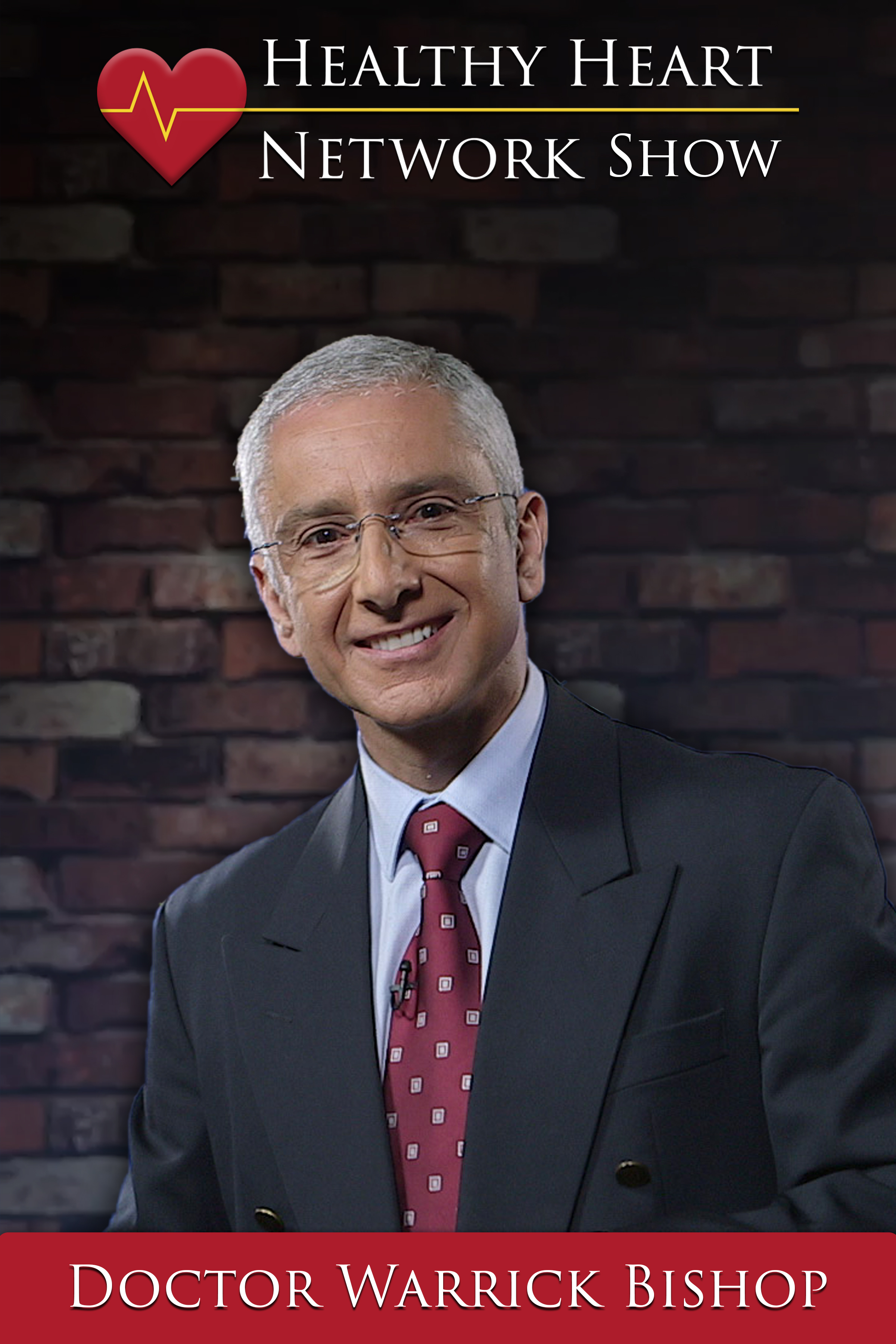
Welcome to my podcast, I am Doctor Warrick Bishop, and I want to help you to live as well as possible for as long as possible. I’m a practising cardiologist, best-selling author, keynote speaker, and the creator of The Healthy Heart Network. I have over 20 years as a specialist cardiologist, a private practice of over 10,000 patients.

Australia, like the rest of the western world, has a heart problem.

Over 9 million people around the world die from heart disease every year.

Every 10 minutes, someone in Australia suffers a heart attack. And 21 lives are lost daily because of it.

The devastating fact in all this is… 

Almost every one of those cases could have been prevented. 

This podcast is for anyone who wants to improve their health literacy and gain information to help them make the best decisions about their risk of heart attack, their cholesterol, blood pressure, risk of diabetes, weight loss and general health. Join me on my personal mission journey to prevent Heart Attack on a global scale. If you like this podcast I would be honoured with a 5-star review and let your friends and family know, you may even save the life of someone you love!

Episodes

EP425: Creatine Made Simple

Welcome to my podcast. I am Doctor Warrick Bishop, and I want to help you to live as well as possible for as long as possible. I’m a practising cardiologist, best-selling author, keynote speaker, and the creator of The Healthy Heart Network. I have over 20 years as a specialist cardiologist and a private practice of over 10,000 patients. Podcast Episode Summary Introduction Dr. Warrick Bishop, a cardiologist, author, and CEO of the Healthy Heart Network, hosts this episode focused on creatine supplementation. The episode explores creatine's role as a naturally occurring compound that supports both muscle energy and brain function, addressing common misconceptions and providing practical guidance on its use for optimal health. Key Takeaways: Creatine is a naturally occurring compound made from three amino acids (arginine, glycine, and methionine) that the body produces in two stages: first in the kidneys and then in the liver. Creatine functions as an energy reserve by replenishing ATP (adenosine triphosphate), the body's energy currency, making it valuable during high-intensity workouts and for brain function. The recommended maintenance dose for muscle support is 3-5 grams per day, while higher doses of 10-20 grams daily may support cognitive function and healthy aging. Creatine supplementation increases blood creatinine levels, which can falsely appear as kidney dysfunction on blood tests, though it does not actually damage kidneys—medical professionals should be informed of supplementation. Primary beneficiaries include athletes, vegetarians and vegans (who may lack adequate amino acids), older adults maintaining muscle mass and cognitive function, and people under significant physical or emotional stress. Creatine monohydrate is the most widely available, affordable, and safe form of supplementation with minimal side effects when used appropriately. Proper hydration is essential when supplementing with creatine, as the additional molecules require water to maintain osmolarity balance in the body. Emerging research suggests creatine may support cognitive function and potentially benefit individuals with chronic neurodegenerative diseases by providing neurons with additional energy support. Read more

EP424: Amazing NuCalm Interview with Jim Poole

Welcome to my podcast. I am Doctor Warrick Bishop, and I want to help you to live as well as possible for as long as possible. I’m a practising cardiologist, best-selling author, keynote speaker, and the creator of The Healthy Heart Network. I have over 20 years as a specialist cardiologist and a private practice of over 10,000 patients. Podcast Episode Summary Introduction Dr. Warrick Bishop, a cardiologist, author, and CEO of the Healthy Heart Network, interviews Jim Pool, CEO of NuCalm, a neuroscience company that uses binaural signal processing and specially composed music to modulate brainwave frequencies. The episode explores how NuCalm technology can help people achieve different mental states—from deep sleep to peak performance—by guiding the brain to specific frequency ranges, with applications ranging from surgical settings to athletic performance. Key Takeaways: The brain operates across a frequency range of 0.5 to 41 hertz, with each frequency range directly correlating to specific moods, thoughts, and behaviors—from deep sleep at 1 hertz to peak performance at 41 hertz. NuCalm uses binaural signal processing, where two slightly different frequencies are presented to each ear (e.g., 506 Hz in the right, 502 Hz in the left), and the brain calculates the difference to synchronize to the desired frequency without consciously hearing it. The technology was developed over 19 years by neuroscientist Dr. Blake Holloway and is based on influencing the reticular activating system, a primitive brain region that controls fight-or-flight versus rest-and-digest responses. At 4 hertz (the healing frequency), the body enters deep parasympathetic dominance where the mitochondria restores, cells perform cellular maintenance, and the body experiences restorative sleep benefits—equivalent to two hours of sleep in a 20-minute session. NuCalm has been clinically validated and used in over 2.7 million surgical procedures as an alternative to general anesthesia, reducing pre-operative, peri-operative, and post-operative stress while facilitating faster healing. The technology transitioned from a $6,000 FDA Class 3 medical device to a mobile app (2016-2021), making brainwave modulation accessible to the general public through six products targeting different outcomes: sleep, healing, creativity, focus, priming, and peak performance. NuCalm has been successfully implemented with elite military units and 78 professional sports teams, including the Golden State Warriors and Washington Capitals, both of which won championships after using the Ignite program. The invisible auditory signals work through the auditory motor cortex, allowing the brain to receive precise guidance toward desired frequencies without conscious awareness, making it effortless compared to meditation or other active practices. Read more

EP423: Why Vitamin B12?

Welcome to my podcast. I am Doctor Warrick Bishop, and I want to help you to live as well as possible for as long as possible. I’m a practising cardiologist, best-selling author, keynote speaker, and the creator of The Healthy Heart Network. I have over 20 years as a specialist cardiologist and a private practice of over 10,000 patients. Episode 423: Why Vitamin B12? Dr. Warwick Bishop, a cardiologist, author, and CEO of the Healthy Heart Network, hosts this episode dedicated to explaining vitamin B12 and its critical role in human health. The episode explores why B12 is essential, who is at risk of deficiency, how to detect it, and the various treatment options available, with particular emphasis on understanding different forms of B12 supplementation and genetic factors affecting B12 metabolism. Key Takeaways: Vitamin B12 is essential for red blood cell formation, DNA synthesis, healthy brain function, nerve function, and energy metabolism, making it critical for overall cellular health. B12 deficiency symptoms include fatigue, weakness, inflamed tongue (glossitis), weight loss, appetite changes, and potentially peripheral neuropathy with tingling in the feet if left untreated. Vegetarians and vegans, older adults, and people with gut conditions like Crohn's disease or celiac disease are at higher risk of B12 deficiency due to dietary sources or absorption issues. Certain medications and procedures—including long-term proton pump inhibitor use, metformin, and gastric bypass surgery—can significantly reduce B12 absorption and increase deficiency risk. B12 can be administered orally at 1,000 micrograms per day or via intramuscular or intravenous injection, with injections providing 100% bioavailability and being particularly effective for neurological symptoms. Methylcobalamin is the active, immediately usable form of B12, while cyanocobalamin is synthetic and requires the body to convert it; methylcobalamin is preferred for those with neurological symptoms or absorption issues. Up to 40% of the population may have the MTHFR gene mutation, which impairs the ability to convert B12 into its active form, making methylcobalamin supplementation essential for these individuals. IV B12 infusions offer the advantage of rapid replenishment for severe deficiencies and can be combined with other beneficial substances like vitamin C, glutathione, and magnesium for enhanced therapeutic effects. B12 deficiency should be detected through blood testing rather than waiting for symptoms to appear, and should be included in routine health screening, especially for at-risk populations. Understanding your B12 status and discussing supplementation options with your GP is important for maintaining optimal health, particularly if you have genetic factors or conditions affecting B12 metabolism. Read more

EP422: AI Movement VueMotion and the Future

Welcome to my podcast. I am Doctor Warrick Bishop, and I want to help you to live as well as possible for as long as possible. I’m a practising cardiologist, best-selling author, keynote speaker, and the creator of The Healthy Heart Network. I have over 20 years as a specialist cardiologist and a private practice of over 10,000 patients. Podcast Summary Introduction Dr. Warrick Bishop, a cardiologist, author, and CEO of the Healthy Heart Network, hosts this episode featuring Ryan Talbot, president and founder of ViewMotion, a company specializing in AI-driven movement analysis technology. The two met serendipitously at an airport in Santiago and discovered a shared interest in applying advanced computer vision and machine learning to health and sports performance, leading to this discussion about how movement analysis could revolutionize injury prevention and athletic performance. Key Takeaways: ViewMotion uses computer vision and machine learning to analyze human movement from standard smartphone video (4K, 60fps), converting video data into detailed movement metrics with centimeter-level accuracy by calibrating the scene with five cones. The technology generates comprehensive reports including split times, maximum speed, asymmetries between left and right legs, ground contact time, flight time, and a step quality score compared against normative datasets based on age, gender, sport, and anthropometric values. Coaches receive three prioritized recommendations for athlete improvement based on algorithmic analysis that identifies force deficiencies, velocity deficiencies, or movement deficiencies specific to each individual. The system can analyze multiple athletes rapidly (US Soccer completed 120 analyses in 14 minutes) and is used weekly by major professional sports teams across most major team sports globally. Movement analysis in natural environments is critical because injuries often occur during acceleration, deceleration, lateral movement, and direction changes—conditions that cannot be accurately measured in laboratory or static settings. AI is an umbrella term encompassing multiple technologies including computer vision (using imaging/video), machine learning (using learning models), and large language models, which ViewMotion combines for comprehensive movement analysis. Identifying and correcting movement asymmetries is essential for injury prevention, as imbalances create compounding negative effects and improper movement patterns often result from inadequate initial training or incomplete rehabilitation after injury. Visual feedback through augmented reality overlays on video is crucial for athlete buy-in and learning, as numerical data alone from GPS and force plates is less effective for understanding what improvements are needed and why. Read more

EP421: 60 Year Old Male Aging with Dr Khanh Part 3

Welcome to my podcast. I am Doctor Warrick Bishop, and I want to help you to live as well as possible for as long as possible. I’m a practising cardiologist, best-selling author, keynote speaker, and the creator of The Healthy Heart Network. I have over 20 years as a specialist cardiologist and a private practice of over 10,000 patients. Podcast Summary Introduction: Dr. Warrick Bishop, a cardiologist, author, and CEO of the Healthy Heart Network, hosts this episode featuring Dr. Khan from the Austin Regenerative Therapy Center for their third conversation on anti-aging medicine. In this episode, they conduct a detailed case study analyzing Dr. Bishop's own health metrics and discussing personalized anti-aging interventions, moving beyond general principles to practical clinical application. Key Takeaways: A comprehensive anti-aging assessment begins with an extensive intake form, medical history review, family genetics, and detailed lab panels including hormones, lipoproteins, glucose markers, and inflammatory indicators. Key biomarkers to track include lipoprotein B, hemoglobin A1C, fasting insulin, sex hormones, thyroid function, vitamin D, DHEA, cortisol, homocysteine, and high-sensitivity C-reactive protein (a marker of inflammation linked to coronary disease). Low free testosterone in aging men can be effectively addressed through testosterone replacement therapy (TRT), which has been shown to reduce mortality and prostate cancer risk—contrary to previous misconceptions—and should be considered when PSA levels are normal. Multiple testosterone replacement options exist, including injectable testosterone (intramuscular or subcutaneous twice weekly), pellet insertion, and newer oral forms like Kaseates, with choice depending on individual preference and fertility considerations. Peptide therapies like BPC-157 (body protection compound) complement hormone replacement by enhancing tissue repair and recovery, allowing patients to train harder with reduced injury risk. Growth hormone-releasing peptides work synergistically with testosterone to improve muscle building, fat loss, bone density, cognitive function, and lipid profiles while supporting faster recovery from exercise. VO2 max is among the most predictive health and longevity markers, with high-intensity interval training being the most effective method to improve it, complemented by strength training to maintain muscle mass. Hormonal optimization and peptide therapy amplify the benefits of exercise rather than replacing it, making training more efficient and effective for body composition and energy improvements. Read more

EP420: Anti-Aging Toolkit with Dr Khanh Part 2

Welcome to my podcast. I am Doctor Warrick Bishop, and I want to help you to live as well as possible for as long as possible. I’m a practising cardiologist, best-selling author, keynote speaker, and the creator of The Healthy Heart Network. I have over 20 years as a specialist cardiologist and a private practice of over 10,000 patients. Episode Summary Introduction: Dr. Warwick Bishop, a cardiologist and CEO of the Healthy Heart Network, hosts this second part of a two-part episode featuring Dr. Khanh from a regenerative therapy center in Austin, Texas. The episode focuses on practical anti-aging therapies and techniques, building on previous discussions about hormone optimization and prevention medicine. Key Takeaways: Comprehensive hormone testing should include total and free testosterone, DHEA, full thyroid panel, cortisol, ferritin, inflammation markers (CRP, hsCRP), homocysteine, and vitamin D, with insulin being the single most important test if only one is available. Hormonal peak performance occurs between ages 18-25, with decline beginning after 30, making mid-30s an appropriate time to consider hormone optimization based on symptoms rather than age alone. Hormone replacement therapy is not necessarily a lifetime commitment; patients can discontinue, but will typically experience a return to age-related decline and lose protective benefits against heart disease, stroke, and dementia. IV vitamin, mineral, and NAD+ therapies are more effective than oral supplementation due to depleted soil nutrients and provide direct cellular energy support for mitochondrial function and ATP production. Peptides are natural amino acid sequences copied and synthesized in compounding pharmacies that signal the body to perform specific tasks such as repair, recovery, immune modulation, telomere length extension, and brain protection. The sequence and timing of peptide therapy is critical; using peptides in the wrong order can produce short-term benefits followed by negative effects, requiring careful strategic planning like servicing a car before high performance driving. GLP-1 peptides (like semaglutide and tirzepatide) extend far beyond weight loss, providing cardiovascular, brain, and gut protection when properly monitored with attention to muscle mass preservation and adequate protein intake. Successful weight loss peptide therapy involves training patients on proper nutrition and protein intake while monitoring body composition rather than scale weight, with transition to preventive low-dose maintenance once healthy body composition is achieved. Read more

EP419: Talking Anti-Aging Medicine with Dr Khanh Part 1

Welcome to my podcast. I am Doctor Warrick Bishop, and I want to help you to live as well as possible for as long as possible. I’m a practising cardiologist, best-selling author, keynote speaker, and the creator of The Healthy Heart Network. I have over 20 years as a specialist cardiologist and a private practice of over 10,000 patients. Podcast Summary Introduction Dr. Warwick Bishop, a cardiologist, hosts this episode with Dr. Khan Quen, an anti-aging medicine specialist from Austin, Texas, whom he recently met at an event. The episode explores the shift from reactive, symptom-suppressing medicine to proactive, preventative anti-aging medicine, with Dr. Khan sharing his personal journey from ICU critical care to optimizing patients' health and longevity. Key Takeaways: Mainstream medicine is primarily reactive, waiting until people become sick before intervening, whereas anti-aging medicine focuses on prevention and early identification of health issues before they become serious problems. Dr. Khan transitioned from traditional internal medicine and critical care after experiencing burnout and being diagnosed with Graves disease, which prompted him to shift his medical philosophy toward understanding root causes rather than just treating symptoms. Hormone optimization is described as a "quick win" and foundation of anti-aging medicine, with proper hormone levels reducing risks of dementia, depression, osteoporosis, heart disease, and stroke regardless of gender. For men, optimal testosterone levels should be around 900-1200 ng/dL for protective effects against heart disease, stroke, dementia, and depression—a range higher than what standard age-based "normal" ranges suggest is acceptable. Comprehensive blood work serves as the diagnostic baseline, similar to servicing a vehicle, allowing physicians to identify subclinical conditions and optimize hormone levels before they become clinical diseases. Normal ranges for hormone levels differ significantly from optimized ranges; being within normal limits for age does not mean a patient is optimized for health and vitality. Hormone replacement therapy, when properly monitored and personalized, enhances existing traits rather than fundamentally changing personality, addressing common myths and fears about treatment side effects. Lifestyle optimization is the primary foundation before considering any medical interventions, making it the first step in Dr. Khan's anti-aging protocol. Many patients presenting as "healthy" actually have subclinical issues like low-grade inflammation, poorly controlled blood sugar, and suboptimal hormone levels that create opportunity for optimization before disease develops. The goal is to extend both lifespan and "health span"—the years lived in good health with energy, drive, and functional capacity—much like maintaining a valued vehicle through regular servicing. Read more

EP418: Allergic vs Idiosyncratic vs Tolerance and Doing it Naturally

Welcome to my podcast. I am Doctor Warrick Bishop, and I want to help you to live as well as possible for as long as possible. I’m a practising cardiologist, best-selling author, keynote speaker, and the creator of The Healthy Heart Network. I have over 20 years as a specialist cardiologist and a private practice of over 10,000 patients. Episode Summary Dr. Warrick Bishop, a cardiologist, CEO of the Healthy Heart Network, and author, hosts this episode to address two common patient conversations: statin intolerance and the preference for natural approaches to managing cholesterol and blood pressure. The episode focuses on helping patients understand different types of medication reactions and providing a realistic framework for considering pharmaceutical interventions alongside lifestyle choices. Key Takeaways: Allergic reactions to medications (anaphylaxis) are rare but serious and warrant discontinuing the medication entirely; they involve eosinophil-driven immune responses and require immediate medical intervention with adrenaline. Idiosyncratic reactions are unpredictable and unexplained adverse responses (like blood clots from the AstraZeneca vaccine) that occur in very small populations; medications should never be reintroduced after such reactions. Tolerance to medications is the most common type of adverse reaction and is manageable by finding the individual's optimal dosage level—similar to how people have vastly different tolerances to alcohol or foods like tomatoes. The goal of reintroducing statins for intolerant patients is to identify their personal tolerance threshold through gradual dose adjustment (from very low doses to various frequencies) rather than abandoning the medication entirely. Human DNA evolved 2-3 million years ago to support survival into the late teens or early 20s, not the 70s, 80s, or 90s we now expect to live. Modern medicine and public health have allowed humans to significantly outlive their original biological blueprint, meaning we must actively use science and medication to "outsmart our DNA" for longevity. Taking beneficial medications after age 20-30 is not "giving in to Big Pharma" but rather a smart strategy to maximize both lifespan and quality of life. The philosophy is to help patients "live as well as possible for as long as possible," which means finding medication regimens that provide health benefits without making patients miserable. Read more

EP417: Cholesterol—Separating Fats from Fiction

Welcome to my podcast. I am Doctor Warrick Bishop, and I want to help you to live as well as possible for as long as possible. I’m a practising cardiologist, best-selling author, keynote speaker, and the creator of The Healthy Heart Network. I have over 20 years as a specialist cardiologist and a private practice of over 10,000 patients. Episode Summary: Cholesterol—Separating Fats from Fiction Dr. Warrick Bishop, a cardiologist, author, and CEO of the Healthy Heart Network, hosts this episode to promote his new book Cholesterol Explained, co-authored with Karam Kostner and Penny Edmond. The episode aims to demystify cholesterol by explaining the difference between cholesterol as a molecule and cholesterol measured in blood tests, and to clarify common misconceptions about "good" and "bad" cholesterol in the context of heart disease prevention. Key Takeaways: Cholesterol is essential for the body and serves critical functions including building cell membranes, producing sex hormones, synthesizing vitamin D, and creating bile acids. What we measure in blood tests are lipoproteins (particles carrying cholesterol), not cholesterol itself, since cholesterol is a fat that would separate in blood without a protein carrier. LDL and HDL cholesterol are not simply "bad" and "good"—high LDL doesn't always correlate with plaque buildup, and high HDL doesn't always provide protection. Triglyceride levels are more important than previously believed, often indicating insulin resistance and poor metabolic health, and the triglyceride-to-HDL ratio is a powerful metabolic marker. Lipoprotein(a) is a genetically determined particle with very high affinity for coronary arteries and is strongly linked to premature heart disease. Imaging arteries to detect actual plaque buildup is crucial for risk assessment, as individuals can have perfect cholesterol numbers but significant arterial calcification. Statins are neither inherently good nor bad; their appropriateness depends on finding the right individual with actual arterial disease, similar to how Panadol works only for those with headaches. Predicting cardiovascular risk requires a comprehensive approach beyond blood tests, including inflammation levels, insulin resistance, blood pressure, lifestyle choices, and family history. Read more

EP416: Highlights of WCCL June 2025

Welcome to my podcast. I am Doctor Warrick Bishop, and I want to help you to live as well as possible for as long as possible. I’m a practising cardiologist, best-selling author, keynote speaker, and the creator of The Healthy Heart Network. I have over 20 years as a specialist cardiologist and a private practice of over 10,000 patients. Episode Summary Dr. Warrick Bishop, a cardiologist, author, and CEO of the Healthy Heart Network, shares highlights from the Fourth World Congress of Clinical Lipidology held in Vienna in June 2025. The episode explores cutting-edge research on cholesterol management, genetic factors in longevity, and emerging therapies that challenge conventional wisdom about heart disease prevention and treatment. Key Takeaways: LDL cholesterol can only be utilized by the liver, not by other body tissues, which means there is no physiological threshold below which lowering LDL becomes harmful. Research from ancestral primates and hunter-gatherer tribes demonstrates that humans naturally maintain very low LDL cholesterol levels, much lower than modern Western populations. Lowering LDL cholesterol does not increase the risk of hemorrhagic stroke, and multiple major studies show that aggressive LDL reduction actually reduces all-cause mortality and dementia risk. Five-year cardiovascular risk assessments can be misleading; a 45-year-old with "low" short-term risk may face a 30-40% lifetime risk of heart attack, warranting early intervention based on lifetime risk rather than short-term projections. Obisetrapid, a new CETP inhibitor, uniquely both raises HDL and lowers LDL cholesterol, offering promise after previous drugs in this class caused harm. Famous "blue zones" associated with longevity in Italy (Campo di Melli and Le Bon Sul Garda) owe much of their protective effects to specific genetic mutations like ANGPTL3 that lower LDL and triglycerides, not just lifestyle factors. The APO A1 Milano genetic variant found in certain populations provides significant heart attack protection despite lower HDL levels, demonstrating that genetic factors sometimes override conventional risk markers. CRISPR gene-editing technology is approaching clinical reality and may revolutionize treatment of single-gene cholesterol disorders, with cardiology and lipidology potentially leading the world in implementing these therapies. Coronary artery disease should be viewed as a lifetime condition that begins building in young years, making early risk modification strategies far more effective than waiting for high short-term risk. Read more