Heart Attacks are Preventable!

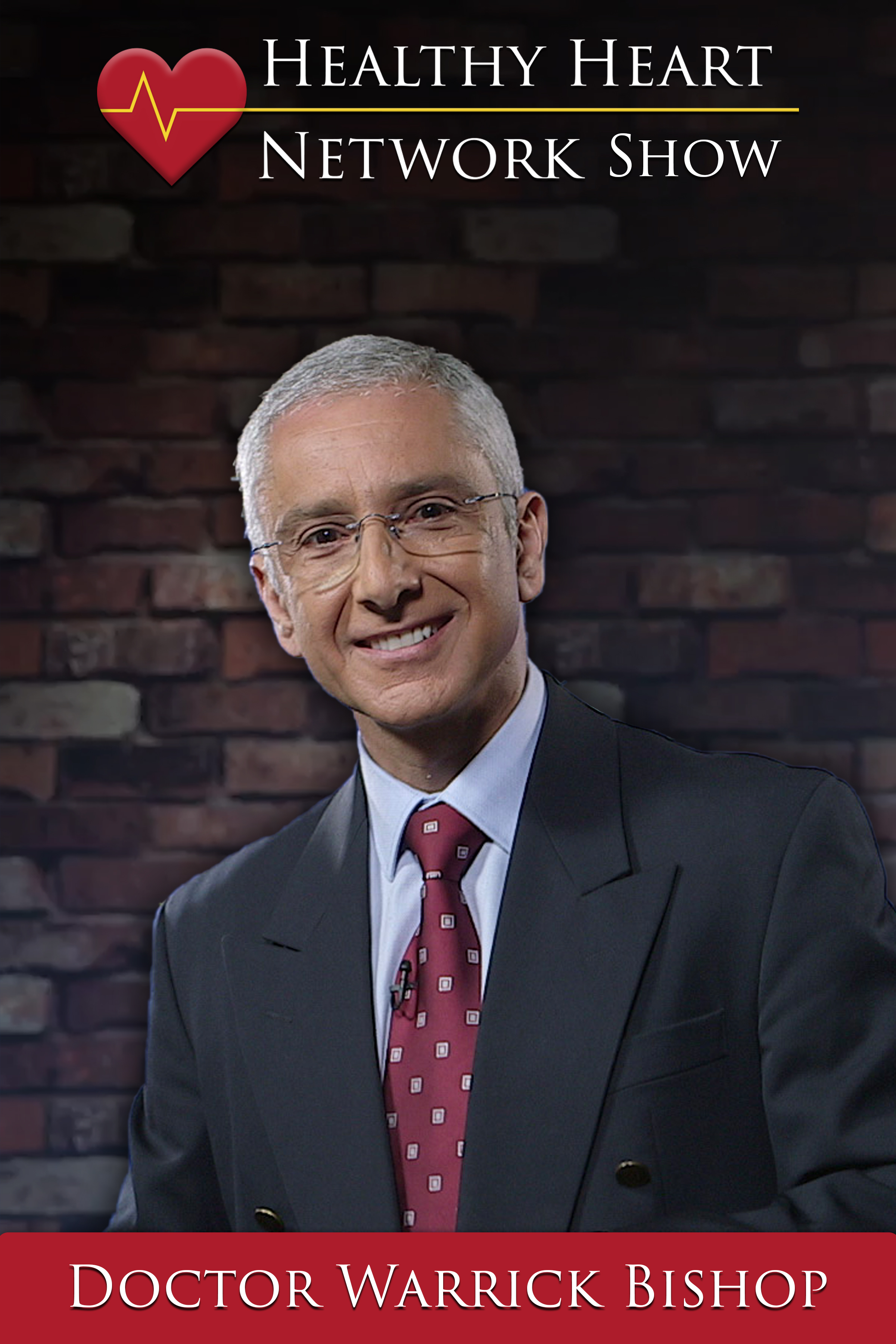
Welcome to my podcast, I am Doctor Warrick Bishop, and I want to help you to live as well as possible for as long as possible. I’m a practising cardiologist, best-selling author, keynote speaker, and the creator of The Healthy Heart Network. I have over 20 years as a specialist cardiologist, a private practice of over 10,000 patients.

Australia, like the rest of the western world, has a heart problem.

Over 9 million people around the world die from heart disease every year.

Every 10 minutes, someone in Australia suffers a heart attack. And 21 lives are lost daily because of it.

The devastating fact in all this is… 

Almost every one of those cases could have been prevented. 

This podcast is for anyone who wants to improve their health literacy and gain information to help them make the best decisions about their risk of heart attack, their cholesterol, blood pressure, risk of diabetes, weight loss and general health. Join me on my personal mission journey to prevent Heart Attack on a global scale. If you like this podcast I would be honoured with a 5-star review and let your friends and family know, you may even save the life of someone you love!

Episodes

EP434: Sugar, Fish, and Fasting

Welcome to my podcast. I am Doctor Warrick Bishop, and I want to help you to live as well as possible for as long as possible. I’m a practising cardiologist, best-selling author, keynote speaker, and the creator of The Healthy Heart Network. I have over 20 years as a specialist cardiologist and a private practice of over 10,000 patients. Dr. Warrick Bishop on Sugar, Fish, and Fasting: What the Latest Research Shows Dr. Warrick Bishop, a cardiologist, author, keynote speaker, and CEO of the Healthy Heart Network, hosts this solo episode focused on helping listeners live as well and as long as possible. He examines three commonly held health beliefs — that sugar-free drinks are safe, that more fish is always better, and that intermittent fasting is universally beneficial — and challenges each with recent research findings. Key Takeaways: Sugar-sweetened beverages are widely consumed and provide very little satiety while carrying a high metabolic load, making them a significant health concern. Fructose, commonly added to fizzy drinks and confectionary mixes, is particularly harmful because it is processed almost entirely in the liver, where it drives fat production and accumulation. Excess fructose consumption is a leading driver of fatty liver disease (MASLD), which can progress to liver cirrhosis and has overtaken alcohol and hepatitis as a primary cause. Sugar-free drinks are not a safe alternative — they appear to negatively affect the gut microbiome and carry their own independent metabolic risks. Plain water is recommended as the best beverage choice to avoid both sugar and artificial sweetener-related risks. Large fish accumulate higher levels of mercury due to ocean toxin exposure, and Europeans now recommend limiting consumption of these fish to no more than two to three times per week. Chelation therapy may be worth exploring for individuals concerned about heavy metal exposure from fish, old paint, leaded petrol, or aging pipes. A study on time-restricted eating found that when total calorie intake remained unchanged, there was no significant metabolic improvement, suggesting calorie reduction may be a key driver of its benefits. Timing matters with intermittent fasting — loading all calories into a late-night meal reduces post-meal activity and limits the opportunity for metabolic benefit. In practice, time-restricted eating naturally tends to reduce overall calorie intake, which may explain the benefits observed outside of controlled study conditions. Read more

EP433: Sleep Hormones & Bone Health

Welcome to my podcast. I am Doctor Warrick Bishop, and I want to help you to live as well as possible for as long as possible. I’m a practising cardiologist, best-selling author, keynote speaker, and the creator of The Healthy Heart Network. I have over 20 years as a specialist cardiologist and a private practice of over 10,000 patients. Dr. Warrick Bishop, a cardiologist, author, and CEO of the Healthy Heart Network, hosts this solo episode focused on two key health topics: the effectiveness of sleep sounds and the role of hormone replacement therapy (HRT) in bone health. Drawing on recent research, he breaks down practical findings aimed at helping listeners live healthier, longer lives. Key Takeaways: White noise disrupts sleep by reducing deep sleep and shifting people toward lighter, less restorative sleep stages. Pink noise, often used in sleep apps, was found to reduce REM sleep and provided no measurable benefit for deep sleep quality. Combining pink noise with additional environmental noise made sleep quality even worse, reducing both deep and REM sleep. Earplugs were shown to restore normal sleep patterns, suggesting that silence is more beneficial than any background noise for quality rest. A large study of nearly 140,000 women found that early HRT led to better bone health outcomes compared to no HRT, with clear benefits emerging by the five-year mark. No significant difference in bone health outcomes was observed at three years, highlighting that bone loss and protection are slow, gradual processes. Estrogen plays a protective role in bone density, and postmenopausal estrogen decline is a key driver of osteoporosis risk in women. Early initiation of HRT is more effective than starting later, as waiting until bone loss is advanced makes it harder to reverse. HRT benefits are not universal and should be individually assessed in consultation with a general practitioner, not self-administered. Read more

EP432: Wash Your Mouth Out - Dr Bueno and the Importance of Oral Microbiota

Welcome to my podcast. I am Doctor Warrick Bishop, and I want to help you to live as well as possible for as long as possible. I’m a practising cardiologist, best-selling author, keynote speaker, and the creator of The Healthy Heart Network. I have over 20 years as a specialist cardiologist and a private practice of over 10,000 patients. Podcast Summary Introduction Dr. Warrick Bishop, a cardiologist, author, and CEO of the Healthy Heart Network, hosts this episode featuring Dr. Diana Buona, a dentist with 25 years of experience specializing in oral inflammation and chronic disease. The episode explores the critical connection between oral health, specifically oral microbiota and gum disease, and systemic health conditions affecting the entire body. Key Takeaways: The mouth contains the second-largest microbiota ecosystem in the body, with approximately 700 species of microorganisms, about 20 of which are pathogenic or opportunistic and can cause disease and chronic inflammation. Biofilm (dental plaque) is a dynamic ecosystem that matures and changes over time, attracting increasingly pathogenic bacteria when conditions favor dysbiosis, similar to how the gut microbiota becomes imbalanced. Bleeding gums are a critical warning sign indicating chronic inflammation and should never be considered normal; they signal that the immune system is fighting inflammation in the gum tissue. Inflamed gums develop permeable blood vessels that allow inflammatory molecules and bacterial toxins to enter the bloodstream, spreading localized oral inflammation throughout the entire body. Poor oral hygiene and high-sugar diets promote pathogenic bacteria proliferation in the mouth, while regular biofilm removal through flossing, water picks, and professional cleanings are essential for disease prevention. The oral microbiota directly interacts with and affects the gut microbiota; therefore, assessing and maintaining both simultaneously is important for overall health rather than focusing on the gut microbiota alone. Inflammatory molecules from infected gums can reach remote organs like the heart, triggering conditions such as atrial fibrillation, as evidenced by a case where treating severe periodontal disease resolved recurring heart rhythm problems. Bacteria from the mouth can enter the bloodstream and travel to heart valves, causing bacterial endocarditis, a serious life-threatening infection of the heart's inner lining. Read more

EP431: Cholesterol: What are we really talking about?

Welcome to my podcast. I am Doctor Warrick Bishop, and I want to help you to live as well as possible for as long as possible. I’m a practising cardiologist, best-selling author, keynote speaker, and the creator of The Healthy Heart Network. I have over 20 years as a specialist cardiologist and a private practice of over 10,000 patients. Podcast Summary Introduction Dr. Warrick Bishop, a cardiologist, author, and CEO of the Healthy Heart Network, hosts this episode to demystify cholesterol—a term frequently misunderstood in public discourse. This episode, part of the "Cholesterol Explained" series, aims to clarify what cholesterol actually is and why distinguishing between different forms of cholesterol is critical for understanding cardiovascular health. Key Takeaways: Cholesterol is a lipid molecule with a carbon ring structure that doesn't dissolve in water and naturally occurs in all animal cell membranes to provide integrity and protection. Cholesterol serves essential biological functions beyond heart health, including serving as the foundation for hormone production (estradiol, testosterone, progesterone) and the formation of bile for fat digestion. Cholesterol in the bloodstream primarily exists as a cholesterol ester (connected to a fatty acid molecule) rather than as a free molecule, which is an important distinction often missed in popular discussions. Cholesterol travels through the bloodstream in lipoprotein particles—complex protein structures that carry lipids, with LDL and HDL particles being the two most important types measured in blood tests. LDL particles are characterized by the protein APO-B100, while HDL particles are characterized by APO-1A, and these structural differences significantly affect how they behave in the body. The same cholesterol ester molecule poses cardiovascular risks when carried in LDL particles but does not cause problems when carried in HDL particles, making the particle type more important than the cholesterol molecule itself. Research demonstrates that lowering LDL cholesterol can reduce future cardiovascular events, while HDL cholesterol does not present the same risk profile despite carrying similar molecular cargo. The key takeaway is that "cholesterol is not cholesterol is not cholesterol"—understanding which particle carries the cholesterol is essential for evaluating cardiovascular health risk. Read more

EP430: Cancer Journey and IV Clinics With Rosy McEvedy

Welcome to my podcast. I am Doctor Warrick Bishop, and I want to help you to live as well as possible for as long as possible. I’m a practising cardiologist, best-selling author, keynote speaker, and the creator of The Healthy Heart Network. I have over 20 years as a specialist cardiologist and a private practice of over 10,000 patients. Podcast Summary Introduction Dr. Warrick Bishop, a cardiologist, author, and CEO of the Healthy Heart Network, hosts this episode with returning guest Rosie McAveety, founder of Ivy League clinics across Australia. With a background in pharmacy and nursing, Rosie discusses how IV therapy clinics can support cancer patients throughout their treatment journey by working collaboratively with oncologists and medical specialists. Key Takeaways: IV therapy clinics support cancer patients both pre-treatment and post-treatment (chemotherapy, radiation, or surgery) while maintaining close collaboration with the patient's oncologist or GP to ensure safety. The goal is not to offer alternative cures but to support conventional medical care by strengthening the immune system, improving quality of life, and helping the body fight cancer effectively. Glutathione, known as the "master antioxidant," is essential for detoxifying the liver during chemotherapy and radiation when the body is exposed to many toxic chemicals. Common supportive infusion protocols include zinc, magnesium, vitamin C, alpha lipoic acid, and vitamin D, which help maintain immune function during cancer treatment. Pre-treatment infusions strengthen the body before chemotherapy or radiation, while post-treatment infusions support the recovery process and reduce acute illnesses like colds and flu. Curcumin (an extract of turmeric) and mistletoe injections are emerging therapies used in European oncology centers that show promise in supporting the immune system during cancer treatment. German integrative oncology centers alternate modern cancer-killing treatments with supportive therapies (infusions, nutrition, meditation) throughout the week to optimize both killing cancer cells and maintaining cellular health. IV hydration provides immediate improvement in patient well-being, particularly for those experiencing chemotherapy-related loss of appetite and difficulty eating or drinking normally. Read more

EP429: Talking IV Clinics With Rosy McEvedy

Welcome to my podcast. I am Doctor Warrick Bishop, and I want to help you to live as well as possible for as long as possible. I’m a practising cardiologist, best-selling author, keynote speaker, and the creator of The Healthy Heart Network. I have over 20 years as a specialist cardiologist and a private practice of over 10,000 patients. Podcast Summary Introduction Dr. Warrick Bishop, a cardiologist, author, and CEO of the Healthy Heart Network, hosts this episode featuring Rosie Macavidi, a pharmacy and nursing professional and founder of IV League, an intravenous therapy clinic operating across Australia. The episode explores the emerging field of IV therapy clinics in Australia and how intravenous administration of vitamins, minerals, and other nutrients can support preventative health and optimize wellness. Key Takeaways: IV therapy allows vitamins and minerals to be administered at higher therapeutic concentrations than oral supplementation, enabling different biological effects such as antiviral and antibacterial properties Modern agricultural and retail practices—including early fruit picking, preservatives, and long storage times—significantly reduce nutrient content in commercially available produce, making supplementation necessary for many people Magnesium is a critical mineral involved in over 400 chemical reactions in the body and is important for heart health, sleep, stress management, and immune function, yet widespread deficiency exists due to depleted soils Vitamin C levels in fruits are highest just before ripening when the plant naturally infuses the fruit for seed protection; early commercial harvesting means consumers receive fruit with minimal vitamin C content IV therapy clinics should only be pursued by individuals taking a proactive approach to health after thorough medical consultation, blood work review, and individualized assessment by qualified healthcare professionals Not everyone requires regular IV vitamin treatments; the decision should be based on individual lifestyle factors, diet quality, sleep patterns, stress levels, and whether the person is experiencing fatigue or immune system challenges IV League started nine years ago with just four basic nutrients (vitamin C, B vitamins, magnesium, and zinc) and has expanded to offer over 25 nutrients, chelation therapy, NAD+, and peptides through collaboration with specialized pharmacies The preventative health approach emphasizes taking personal responsibility for health optimization rather than accepting age-related decline and the accumulation of comorbidities Read more

EP428: AIR Induction Cooktops

Welcome to my podcast. I am Doctor Warrick Bishop, and I want to help you to live as well as possible for as long as possible. I’m a practising cardiologist, best-selling author, keynote speaker, and the creator of The Healthy Heart Network. I have over 20 years as a specialist cardiologist and a private practice of over 10,000 patients. Podcast Episode Summary Introduction: Dr. Warrick Bishop, a cardiologist, author, and CEO of the Healthy Heart Network, hosts this episode featuring an interview with journalist Silas from Illawarra ABC. The discussion centers on the safety concerns regarding induction cooktops and their potential electromagnetic interference with pacemakers and defibrillator devices, a topic that arose when a local region proposed transitioning to 100% electric cooking. Key Takeaways: Induction cooktops generate oscillating magnetic fields to create heat, which can potentially interfere with implantable pacemaker and defibrillator devices that are sensitive to magnetic fields. There are no recorded deaths from induction cooktop interference with pacemakers, though interactions have occurred and can trigger a "safe mode" where the device continues functioning but suspends normal sensing capabilities. No blanket recommendation exists from major medical societies worldwide advising pacemaker patients to avoid induction cooktops, though manufacturers recommend maintaining distance from the devices. Pacemaker and defibrillator devices should be kept approximately one to two feet away from induction cooktops; right-handed individuals with left-shoulder implants can safely use their right hand to cook while keeping the device at distance. Using properly-sized cookware on induction cooktops reduces magnetic field leakage around the edges; pans should be the correct size or slightly larger rather than too small. Public awareness about electromagnetic field risks remains limited, though awareness is typically raised when devices are initially implanted to the patients who need it most. Arc welders pose one of the most significant everyday electromagnetic field risks for people with pacemakers and require careful distance management and potential shielding. Other medical devices like hip and knee prostheses can be warmed by MRI scanners, but coronary stents appear unaffected by external magnetic forces. Read more

EP427: Talking Sports Cardiology with Dr Bavishi

Welcome to my podcast. I am Doctor Warrick Bishop, and I want to help you to live as well as possible for as long as possible. I’m a practising cardiologist, best-selling author, keynote speaker, and the creator of The Healthy Heart Network. I have over 20 years as a specialist cardiologist and a private practice of over 10,000 patients. Podcast Summary Introduction Dr. Warrick Bishop, a cardiologist, author, and CEO of the Healthy Heart Network, hosts this episode featuring Dr. Akash Patel, an Assistant Professor and Director of Sports Cardiology and Cardiac MRI at the University of Chicago. The episode explores sports cardiology—a specialized field focused on the cardiovascular health of athletes—and discusses how exercise affects the heart, including the paradoxical risks that can arise from extreme endurance training. Key Takeaways: Sports cardiology is an emerging specialty focused on cardiovascular health in active individuals, encompassing diagnosis, risk stratification, management, and safe return-to-play decisions for athletes of all levels. The majority of sports cardiology patients are not elite athletes but rather "weekend warriors"—former athletes in their 40s and 50s or everyday fitness enthusiasts experiencing cardiac symptoms. While overwhelming evidence shows exercise is beneficial for heart health, extreme endurance activities (particularly in running and cycling) can increase the risk of atrial fibrillation, especially in male athletes. Different types of exercise create different cardiac adaptations: static/power exercises like weightlifting cause thickened heart walls, while dynamic/endurance exercise can cause chamber enlargement. Conditions like hypertrophic cardiomyopathy (unexplained heart muscle thickening) are no longer absolute contraindications to vigorous exercise, as modern research shows elite athletes with HCM can safely compete at professional levels. Genetic predisposition plays a role in exercise-related cardiac risk, but the vast majority of genetically predisposed individuals can safely exercise with appropriate management. Extreme endurance activities appear to have a threshold effect—ultramarathon runners and endurance cyclists show increased atrial fibrillation risk, possibly linked to inflammation and fibrosis detectable on cardiac MRI. Cardiac MRI and advanced echocardiography can identify early signs of fibrosis and subclinical dysfunction in endurance athletes, helping predict who may develop atrial fibrillation. Management of athlete-specific cardiac conditions requires specialized sports cardiology expertise, including tailored approaches like "pill in a pocket" medication strategies or selective cardiac ablation that avoids over-treatment. Treatment decisions for athletes with atrial fibrillation differ significantly from non-athletes, requiring careful consideration of sport type, stroke risk calculations, and whether anticoagulation therapy is appropriate. Read more

EP426: Glutathione Explained

Welcome to my podcast. I am Doctor Warrick Bishop, and I want to help you to live as well as possible for as long as possible. I’m a practising cardiologist, best-selling author, keynote speaker, and the creator of The Healthy Heart Network. I have over 20 years as a specialist cardiologist and a private practice of over 10,000 patients. Podcast Episode Summary Introduction Dr. Warrick Bishop, a cardiologist, author, and CEO of the Healthy Heart Network, hosts this episode dedicated to exploring glutathione—a vital compound in the body. The episode provides a comprehensive overview of what glutathione is, its functions, who should consider taking it, and how to optimize its levels for better health and longevity. Key Takeaways: Glutathione is a tripeptide made up of three amino acids (glutamine, cysteine, and glycine) that contains sulfur and is found in nearly every cell in the body. It serves as the body's master antioxidant and plays a central role in detoxification, reducing oxidative stress, and supporting immune function. People take glutathione to support detoxification, reduce free radical damage, boost immunity, improve skin health, and manage chronic inflammation. Intravenous glutathione delivery is preferred over oral supplements because it bypasses gut degradation and achieves higher bloodstream levels, particularly beneficial for those with severe oxidative stress or impaired absorption. Individuals who may benefit from glutathione supplementation include those with chronic illnesses, autoimmune conditions, liver disease, cancer patients undergoing therapy, and people exposed to environmental toxins or heavy physical/emotional stress. Natural glutathione levels decline with age, making supplementation consideration more important as we get older. Glutathione can be increased through sulfur-rich foods like garlic, onions, broccoli, cauliflower, and kale, as well as through whey protein rich in cysteine. Vitamin C and vitamin E help recycle glutathione, while selenium acts as a cofactor for glutathione peroxidase, so these nutrients should be considered alongside glutathione supplementation. Factors that deplete glutathione include aging, pollution, alcohol consumption, processed foods, chronic stress, smoking, and illicit drug use. Read more

EP425: Creatine Made Simple

Welcome to my podcast. I am Doctor Warrick Bishop, and I want to help you to live as well as possible for as long as possible. I’m a practising cardiologist, best-selling author, keynote speaker, and the creator of The Healthy Heart Network. I have over 20 years as a specialist cardiologist and a private practice of over 10,000 patients. Podcast Episode Summary Introduction Dr. Warrick Bishop, a cardiologist, author, and CEO of the Healthy Heart Network, hosts this episode focused on creatine supplementation. The episode explores creatine's role as a naturally occurring compound that supports both muscle energy and brain function, addressing common misconceptions and providing practical guidance on its use for optimal health. Key Takeaways: Creatine is a naturally occurring compound made from three amino acids (arginine, glycine, and methionine) that the body produces in two stages: first in the kidneys and then in the liver. Creatine functions as an energy reserve by replenishing ATP (adenosine triphosphate), the body's energy currency, making it valuable during high-intensity workouts and for brain function. The recommended maintenance dose for muscle support is 3-5 grams per day, while higher doses of 10-20 grams daily may support cognitive function and healthy aging. Creatine supplementation increases blood creatinine levels, which can falsely appear as kidney dysfunction on blood tests, though it does not actually damage kidneys—medical professionals should be informed of supplementation. Primary beneficiaries include athletes, vegetarians and vegans (who may lack adequate amino acids), older adults maintaining muscle mass and cognitive function, and people under significant physical or emotional stress. Creatine monohydrate is the most widely available, affordable, and safe form of supplementation with minimal side effects when used appropriately. Proper hydration is essential when supplementing with creatine, as the additional molecules require water to maintain osmolarity balance in the body. Emerging research suggests creatine may support cognitive function and potentially benefit individuals with chronic neurodegenerative diseases by providing neurons with additional energy support. Read more