Heart Attacks are Preventable!

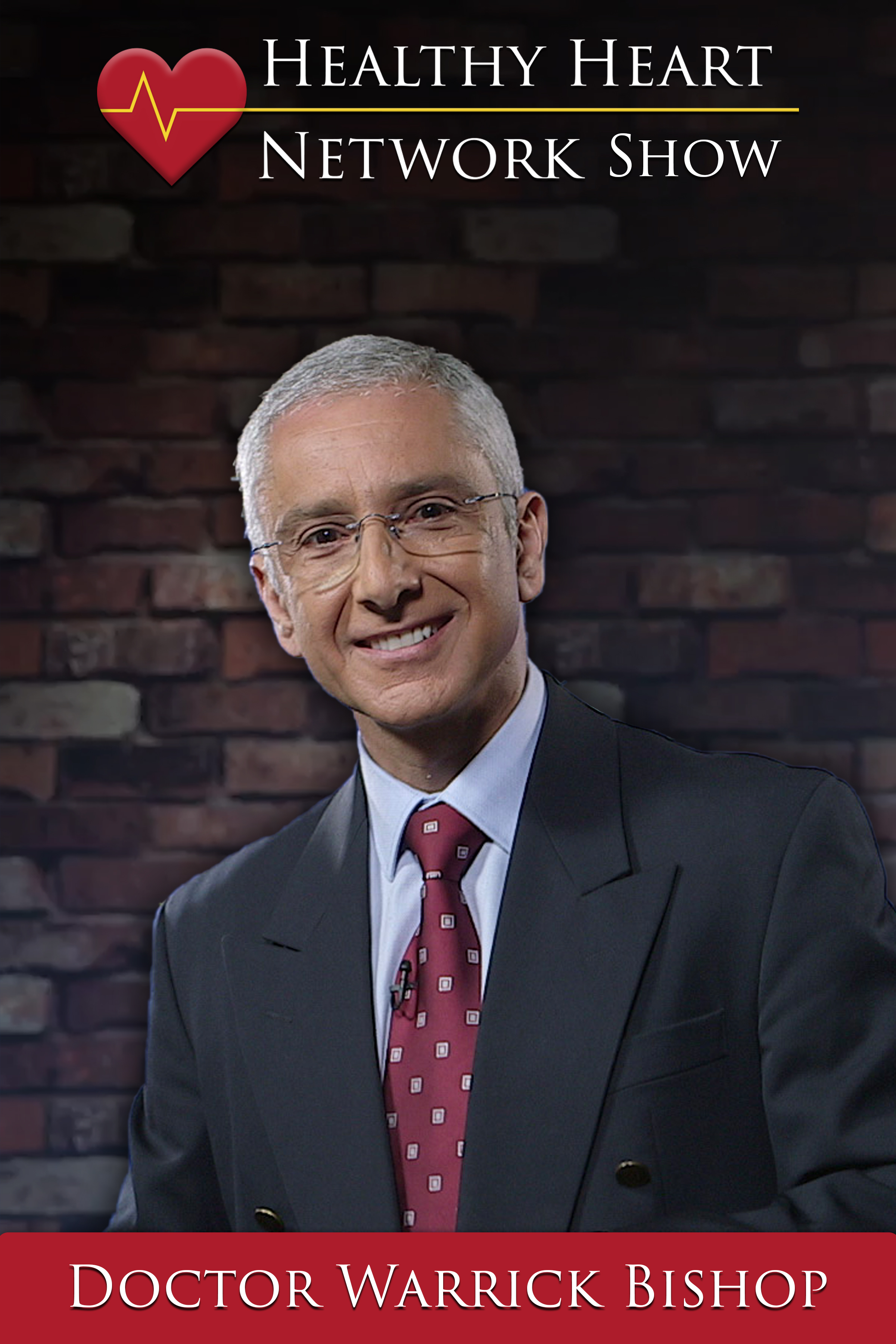
Welcome to my podcast, I am Doctor Warrick Bishop, and I want to help you to live as well as possible for as long as possible. I’m a practising cardiologist, best-selling author, keynote speaker, and the creator of The Healthy Heart Network. I have over 20 years as a specialist cardiologist, a private practice of over 10,000 patients.

Australia, like the rest of the western world, has a heart problem.

Over 9 million people around the world die from heart disease every year.

Every 10 minutes, someone in Australia suffers a heart attack. And 21 lives are lost daily because of it.

The devastating fact in all this is… 

Almost every one of those cases could have been prevented. 

This podcast is for anyone who wants to improve their health literacy and gain information to help them make the best decisions about their risk of heart attack, their cholesterol, blood pressure, risk of diabetes, weight loss and general health. Join me on my personal mission journey to prevent Heart Attack on a global scale. If you like this podcast I would be honoured with a 5-star review and let your friends and family know, you may even save the life of someone you love!

Episodes

EP88: When Heart Valves Fail: Aortic Stenosis

Welcome to my podcast. I am Doctor Warrick Bishop, and I want to help you to live as well as possible for as long as possible. I’m a practising cardiologist, best-selling author, keynote speaker, and the creator of The Healthy Heart Network. I have over 20 years as a specialist cardiologist and a private practice of over 10,000 patients. Podcast Summary Introduction Dr. Warrick Bishop is a practicing cardiologist and author dedicated to educating patients about heart health, believing that informed patients receive better care. In this episode, he explains how heart valves function normally and what happens when they fail, using detailed anatomical descriptions and clinical examples. The discussion focuses primarily on aortic valve dysfunction and the critical factors cardiologists consider when deciding if and when valve replacement is necessary. Key Takeaways The heart's circulation can be visualized as a single tube with the lungs at the top, capillaries at the bottom, and continuous blood flow managed by four one-way valves: tricuspid, pulmonary, mitral, and aortic. Heart valves fail in two primary ways: stenosis (narrowing that blocks blood flow) or regurgitation/incompetence (leaking that allows blood to flow backward). Sudden heart valve failure is typically due to regurgitation (leaking), while stenosis (narrowing) develops gradually over years or decades. Aortic valve stenosis is assessed using two key measurements: the valve area (critical concern when less than 1 cm²) and the pressure gradient across the valve (severe when 80+ mmHg). A narrowed aortic valve forces the left ventricle to work harder, causing the heart muscle to thicken over time as compensation, which can eventually lead to muscle failure if untreated. Secondary complications can occur from aortic stenosis, including mitral valve regurgitation, as the stressed left ventricle may leak blood backward onto the mitral valve. Timing of valve replacement is critical—surgery that occurs too early exposes patients to surgical risks without symptom improvement, while surgery delayed too long risks heart muscle failure or sudden cardiac death. The optimal timing for valve replacement follows a "Goldilocks principle": when patients begin experiencing symptoms, the valve is severely narrowed, and surgical risk is lower than the risk of leaving the damaged valve in place. Read more

EP87: Radio Station Interview - World's Most Amazing People

Welcome to my podcast. I am Doctor Warrick Bishop, and I want to help you to live as well as possible for as long as possible. I’m a practising cardiologist, best-selling author, keynote speaker, and the creator of The Healthy Heart Network. I have over 20 years as a specialist cardiologist and a private practice of over 10,000 patients. Podcast Summary Introduction Dr. Warrick Bishop is a practicing cardiologist and author from Australia dedicated to improving patient care through heart health education. In this episode, he discusses his three books—Atrial Fibrillation Explained, Know Your Real Risk of Heart Attack, and Have You Planned Your Heart Attack?—and shares his mission to help patients become better informed about their cardiovascular health. His passion for prevention was sparked by a pivotal moment when he failed to predict a heart attack in a patient he had seen 18 months prior. Key Takeaways: Atrial fibrillation is a common condition affecting nearly 20% of people over 80 and about 1% of the general population, often causing irregular heartbeats that can lead to stroke and serious complications. Current population-based risk assessment for heart attack is like "rolling the die and gambling," and modern technology can provide more precise, personalized risk evaluation. Dr. Bishop's career shift toward prevention was catalyzed when he resuscitated a patient on the roadside whom he had previously reassured about heart attack risk 18 months earlier. Not all doctors are aware of the latest prevention techniques and imaging technology because specialization means different cardiologists focus on different areas of practice. Advanced imaging technology from leading experts like Professor Matthew Budoff at UCLA can reveal coronary artery disease that traditional risk calculations miss. Education empowers patients to have informed conversations with their doctors about whether advanced testing and preventive measures are appropriate for their individual circumstances. A real-life example: Dr. Bishop identified severe coronary artery disease in a patient named John who sought care after witnessing another driver's heart attack, potentially saving his life. Early intervention and proper medication combined with surveillance plans can prevent life-threatening cardiac events in at-risk patients. Educated patients consistently receive better healthcare outcomes than those without adequate information about their condition. Prevention is the ultimate goal, as many heart attacks are avoidable tragedies that can be prevented with proper awareness and proactive medical care. Read more

EP86: What Goes Wrong With Heart Failure?

Welcome to my podcast. I am Doctor Warrick Bishop, and I want to help you to live as well as possible for as long as possible. I’m a practising cardiologist, best-selling author, keynote speaker, and the creator of The Healthy Heart Network. I have over 20 years as a specialist cardiologist and a private practice of over 10,000 patients. Episode Summary Introduction Dr. Warrick Bishop is a practicing cardiologist and author dedicated to educating patients about heart health, hosted on the Healthy Heart Network. In this episode, Dr. Bishop explains the cascade of physiological responses that occur when the heart fails to function properly, exploring how the body's evolutionary defense mechanisms—designed to handle blood loss—actually worsen cardiac failure in modern times. Key Takeaways: The body's response to cardiac failure is based on evolutionary mechanisms designed to handle blood loss millions of years ago, not heart dysfunction, creating a problematic mismatch in modern medicine. When the heart doesn't pump efficiently, the body incorrectly registers this as blood volume loss and triggers a neuro-humoral (nerve and hormone-based) response to preserve circulation. The body responds to perceived blood loss by constricting blood vessels to maintain blood pressure and retaining fluid to replenish perceived lost volume—both of which worsen the failing heart's condition. Sympathetic nervous system activation causes the heart to race as part of the "fight or flight" response, further increasing the workload on an already struggling heart. This creates a vicious cycle where the body's protective responses actually load the heart with more volume, higher blood pressure resistance, and increased heart rate, making cardiac failure progressively worse. Associated conditions like atrial fibrillation and coronary artery disease commonly complicate cardiac failure by placing additional strain on the compromised heart. Poor cardiac output reduces blood flow to skeletal muscles, causing fatigue, and impairs kidney filtration, which is dependent on adequate blood flow. Cardiac failure disrupts iron absorption through inflammatory and sympathetic nervous system changes, potentially leading to anemia that further worsens heart function and overall health. Poor cardiac output during day and night hours leads to sleep disturbances, causing memory problems, confusion, and depression that compound the patient's condition. Understanding these interconnected mechanisms is crucial for developing treatment strategies that interrupt the cascade and protect the heart long-term. Read more

EP85: More Specific Tests For Heart Failure

Welcome to my podcast. I am Doctor Warrick Bishop, and I want to help you to live as well as possible for as long as possible. I’m a practising cardiologist, best-selling author, keynote speaker, and the creator of The Healthy Heart Network. I have over 20 years as a specialist cardiologist and a private practice of over 10,000 patients. Podcast Summary Introduction Dr. Warrick Bishop is a practicing cardiologist and author dedicated to improving patient care through heart health education, operating the Healthy Heart Network. In this episode, he provides a detailed examination of the specific diagnostic tests used to evaluate cardiac failure, building on previously discussed foundational approaches. The episode focuses on helping patients understand the various imaging and laboratory tools cardiologists employ to accurately diagnose and assess heart problems. Key Takeaways: Echocardiography (ultrasound of the heart) is the single most important go-to test for evaluating cardiac failure, providing real-time dynamic images of how the heart beats and contracts. The ejection fraction—the percentage of blood the left ventricle expels with each beat—is a critical measurement obtained from echocardiograms that helps determine cardiac function status. Echocardiograms can identify whether heart problems are global (affecting the entire heart equally) or regional (affecting specific areas), with regional abnormalities often indicating blocked blood vessels or previous heart attacks. Brain Natriuretic Peptide (BNP) testing detects heart strain by measuring a substance released by heart cells under stress, serving as a valuable discriminator between cardiac and non-cardiac causes of symptoms. BNP levels are useful for long-term monitoring of valve abnormalities, with changes in BNP helping confirm whether the heart is genuinely deteriorating when compared alongside echocardiogram findings. Coronary artery disease evaluation through stress testing, CT imaging, or invasive coronary angiography is essential when diminished heart function is detected, as many cases are treatable. Cardiac Magnetic Resonance Imaging (CMR) provides excellent visualization of scar tissue and inflammation within the heart muscle, crucial information for determining future management strategies. Heart biopsy is a rare but occasionally necessary procedure that involves extracting tissue samples to examine at the cellular level when other tests fail to provide definitive answers. Read more

EP84: Diagnosis and investigation of Heart Failure

Welcome to my podcast. I am Doctor Warrick Bishop, and I want to help you to live as well as possible for as long as possible. I’m a practising cardiologist, best-selling author, keynote speaker, and the creator of The Healthy Heart Network. I have over 20 years as a specialist cardiologist and a private practice of over 10,000 patients. Podcast Summary Introduction: Dr. Warrick Bishop is a practicing cardiologist and author dedicated to educating patients about heart health, believing that informed patients receive better medical care. In this episode, he provides a comprehensive overview of diagnosing and investigating cardiac failure, starting with the fundamental approaches of patient history and physical examination. The discussion covers the key symptoms, clinical findings, and initial diagnostic tests used to identify and assess heart failure in patients. Key Takeaways: Shortness of breath is a primary symptom of cardiac failure and can be quantified using the New York Heart Association classification system (levels 1-4), with level 4 representing severe limitation even at rest. Orthopnea (shortness of breath when lying flat) and paroxysmal nocturnal dyspnea (PND—waking at night gasping for air) are specific breathing symptoms caused by fluid redistribution in the body and are important diagnostic indicators. Swelling in the legs and ankles, including subtle signs like sock marks or pitting edema, represents fluid accumulation and is a key symptom patients should report to their physicians. A complete cardiac history must include childhood health events (murmurs, surgery, rheumatic fever), family history of heart disease, previous heart attacks, and blood pressure history to identify underlying causes. During physical examination, doctors assess jugular venous pressure by observing the neck's jugular vein as a "dipstick" to the right atrium, which reveals elevated fluid pressures characteristic of heart failure. Heart murmurs and extra heart sounds detected through auscultation provide valuable clues about valve function and how the heart has compensated for dysfunction. Fine crackly sounds (crepitations) heard at the lung bases indicate fluid accumulation in the lungs and are a key sign of cardiac failure severity. A 12-lead ECG reveals heart rate, rhythm abnormalities, and whether the heart shows signs of strain or enlargement through changes in the QRS complex. Chest X-rays display heart size and show characteristic "curly B-lines" within the lungs that correspond to fluid accumulation seen in cardiac failure. Routine blood tests assess kidney function, electrolyte balance, liver health, infection status, anemia, thyroid function, and iron levels to identify reversible drivers of heart failure symptoms. Read more

EP83: How Do We Classify Heart Failure?

Welcome to my podcast. I am Doctor Warrick Bishop, and I want to help you to live as well as possible for as long as possible. I’m a practising cardiologist, best-selling author, keynote speaker, and the creator of The Healthy Heart Network. I have over 20 years as a specialist cardiologist and a private practice of over 10,000 patients. Podcast Summary Introduction Dr. Warrick Bishop is a practicing cardiologist and author dedicated to improving patient care through education about heart health. In this episode, Dr. Bishop explains the classification systems used to categorize heart failure, emphasizing that understanding these distinctions helps patients and caregivers grasp their condition better. The episode focuses on two primary ways cardiologists classify cardiac failure: by timeline (acute vs. chronic) and by heart function level (based on ejection fraction). Key Takeaways: Heart failure is classified using two main distinctions: the timeline of onset and how well the heart is functioning. Acute cardiac failure develops rapidly and is commonly caused by coronary artery disease, heart attacks, severe blood flow restriction, arrhythmias, infections, or sudden valve failure. Chronic cardiac failure develops progressively over time and is the more commonly seen type in clinical practice, often resulting from conditions like prolonged high blood pressure, valve problems, or ongoing blood flow issues. Ejection fraction measures the percentage of blood expelled from the left ventricle with each heartbeat, with a normal ejection fraction typically around 60%. Heart failure with reduced ejection fraction (HFrEF) occurs when ejection fraction is 40% or less, representing significantly diminished pumping ability. Heart failure with preserved ejection fraction (HFpEF) occurs when ejection fraction is 50% or higher, often caused by diastolic dysfunction or poor relaxation of the heart. Heart failure with moderately reduced ejection fraction represents cases where ejection fraction falls between 40-49%, filling a gap between reduced and preserved categories. Understanding these classifications helps educated patients and their families better comprehend their diagnosis and engage more effectively in their care. Read more

EP82: How Can We Prevent Heart Failure?

Welcome to my podcast. I am Doctor Warrick Bishop, and I want to help you to live as well as possible for as long as possible. I’m a practising cardiologist, best-selling author, keynote speaker, and the creator of The Healthy Heart Network. I have over 20 years as a specialist cardiologist and a private practice of over 10,000 patients. Podcast Summary Dr. Warrick Bishop, a practicing cardiologist and author, hosts this episode of his Healthy Heart Network podcast focused on heart disease prevention. He discusses practical, long-term strategies that patients can implement with their local doctors to prevent heart failure before it develops. The episode emphasizes that educated patients receive better healthcare outcomes through understanding the preventable risk factors for cardiac disease. Key Takeaways: The most common causes of heart failure are coronary artery disease, myocardial infarction (heart muscle death from blocked blood supply), and ischemia (reduced blood flow through narrowed arteries). Regular blood pressure monitoring and control is critical, as elevated blood pressure strains the heart and can eventually lead to heart failure. Routine doctor visits should include listening to the heart for valve problems, which can be detected early without invasive testing. Genetic conditions affecting the heart muscle run in families and warrant screening conversations with your GP and potential referral to a cardiologist for early detection and treatment. Obesity and obstructive sleep apnea create a harmful combination that damages heart health, making weight management and sleep quality essential prevention strategies. Lifestyle modifications including smoking cessation, moderate alcohol consumption, weight control, and regular exercise significantly reduce heart failure risk. Medical treatments such as cholesterol management and blood pressure medication are important components of long-term heart failure prevention. Sodium-glucose transport inhibitors (SGLT2 inhibitors) show promising benefits in reducing heart failure development in diabetic patients. Patients should seek evaluation for nighttime snoring, as it may indicate sleep apnea requiring treatment. Read more

EP81: Ejection Fraction And Understanding The Percentages

Welcome to my podcast. I am Doctor Warrick Bishop, and I want to help you to live as well as possible for as long as possible. I’m a practising cardiologist, best-selling author, keynote speaker, and the creator of The Healthy Heart Network. I have over 20 years as a specialist cardiologist and a private practice of over 10,000 patients. Podcast Summary Dr. Warrick Bishop is a practicing cardiologist and author dedicated to educating patients about heart health through his podcast network. In this episode, Dr. Bishop explains ejection fraction—a key measure of how well the heart's left ventricle pumps blood—and clarifies common misconceptions about what the percentages actually mean. The episode aims to help patients interpret their ejection fraction measurements correctly and avoid unnecessary alarm from misunderstanding the terminology. Key Takeaways: Ejection fraction measures the percentage of blood the left ventricle expels with each heartbeat, not a percentage of a 100% maximum capacity. The left ventricle is shaped like a hollowed bullet and is composed entirely of muscle that contracts and relaxes in a pumping motion. Diastole is the resting phase when blood flows into the left ventricle, while systole is the contraction phase when the heart pumps blood out. A normal ejection fraction ranges from 55% to 65%, meaning the heart typically expels about 60% of the blood in the chamber with each beat. The heart cannot expel all blood in a single contraction; some blood always remains in the chamber, which is why ejection fraction never reaches 100%. When a patient has an ejection fraction of 40%, they are being compared to the normal 60%, representing a 33% reduction in function—not a 60% reduction as some patients mistakenly believe. Many patients misinterpret ejection fraction percentages by comparing them to a 100% baseline, leading them to feel worse about their condition than the actual clinical situation warrants. Exercise and exertion can increase ejection fraction through a recruitment process, demonstrating the heart's ability to respond to increased demand. Understanding ejection fraction terminology correctly is crucial for patients to accurately perceive their cardiac health status and avoid unnecessary anxiety. Read more

EP80: Causes or Aetiology of Heart Failure

Welcome to my podcast. I am Doctor Warrick Bishop, and I want to help you to live as well as possible for as long as possible. I’m a practising cardiologist, best-selling author, keynote speaker, and the creator of The Healthy Heart Network. I have over 20 years as a specialist cardiologist and a private practice of over 10,000 patients. Podcast Summary Introduction Dr. Warrick Bishop is a practicing cardiologist and author dedicated to improving patient care through education about heart health. In this episode, Dr. Bishop provides a comprehensive overview of cardiac failure, beginning with a fundamental explanation of how the circulatory system works before systematically exploring the various causes and mechanisms that lead to heart failure. The episode emphasizes how understanding these underlying causes is essential for patients to grasp their own cardiac conditions. Key Takeaways: The circulatory system functions as a closed loop with one-way valves and heart contractions that ensure blood flows in a single direction: from the lungs through the body's organs and back to the heart. Breathing mechanics play an important role in circulation; negative pressure created during inhalation helps draw blood back toward the chest cavity and assists overall blood flow. Heart failure can occur through three primary mechanisms: damage to the heart muscle itself, improper loading of the heart, or problems with the heart's electrical system affecting heart rate regulation. Coronary artery disease is one of the most common causes of heart failure, either through permanent scarring from heart attacks or through causing muscle cramping due to insufficient blood supply under stress. Diastolic dysfunction (failure of the heart to relax properly) can develop from insufficient blood flow, causing the heart to become stiff and creating back-pressure that leads to fluid buildup in the lungs and shortness of breath. Toxic substances including excessive alcohol, recreational drugs like cocaine, anabolic steroids, and heavy metals (copper, lead, cobalt, iron) can directly damage the heart muscle and impair its pumping ability. Certain medications, particularly chemotherapy agents used in cancer treatment, can have detrimental effects on heart muscle function despite their therapeutic benefits. Infections and autoimmune disorders such as rheumatoid arthritis and systemic lupus erythematosus can cause inflammation that damages the heart muscle and impairs its function. Infiltration of foreign substances into heart tissue—including cancer metastases, amyloid protein deposits, and excessive fat or glycogen—can prevent normal muscle function and lead to cardiac failure. Metabolic problems including thyroid dysfunction, calcium imbalances, growth hormone abnormalities, and nutritional deficiencies (such as vitamin B1 deficiency) can directly impact heart muscle performance. Read more

EP79: Cardiac Failure History and Features

Welcome to my podcast. I am Doctor Warrick Bishop, and I want to help you to live as well as possible for as long as possible. I’m a practising cardiologist, best-selling author, keynote speaker, and the creator of The Healthy Heart Network. I have over 20 years as a specialist cardiologist and a private practice of over 10,000 patients. Episode Summary Dr. Warrick Bishop, a practicing cardiologist and author, hosts this episode of the Healthy Heart Network to educate patients about cardiac failure and heart health. The episode provides a comprehensive overview of cardiac failure, tracing its recognition from ancient civilizations through modern medical understanding and treatment approaches. Dr. Bishop explains how patients present with cardiac failure symptoms and introduces the classification system used by cardiologists to assess severity. Key Takeaways: Cardiac failure has been documented for thousands of years, with ancient Babylonians, Egyptians, and Greeks recording symptoms of fluid retention and shortness of breath known as "dropsy." Historical treatments for fluid overload included ineffective and harmful methods such as bloodletting, leeching, lancing, purgatives, and inducing sweating before modern diuretics were developed in the 1940s-1950s. Modern diuretic medications work by holding salt in the urine, allowing the kidneys to safely remove excess fluid and water from the body through a natural excretion process. Common symptoms of cardiac failure include shortness of breath on exertion (climbing stairs, carrying groceries), fatigue, lethargy, and visible swelling in the legs or abdomen. Orthopnea is shortness of breath triggered by lying flat, caused by excess fluid in the circulation moving toward the chest by gravity and congesting the lungs—relieved by sitting upright. Paroxysmal nocturnal dyspnea is sudden nighttime shortness of breath that occurs when fluid shifts from body tissues into the circulation during sleep, a precursor to orthopnea that improves with standing and fresh air. The New York Heart Association Classification uses four stages to measure cardiac failure severity, ranging from negligible symptoms during normal activities to shortness of breath at rest or with minimal activity. Understanding how cardiac failure presents and progresses helps both patients and doctors communicate effectively about functional limitations and treatment needs. Read more