Heart Attacks are Preventable!

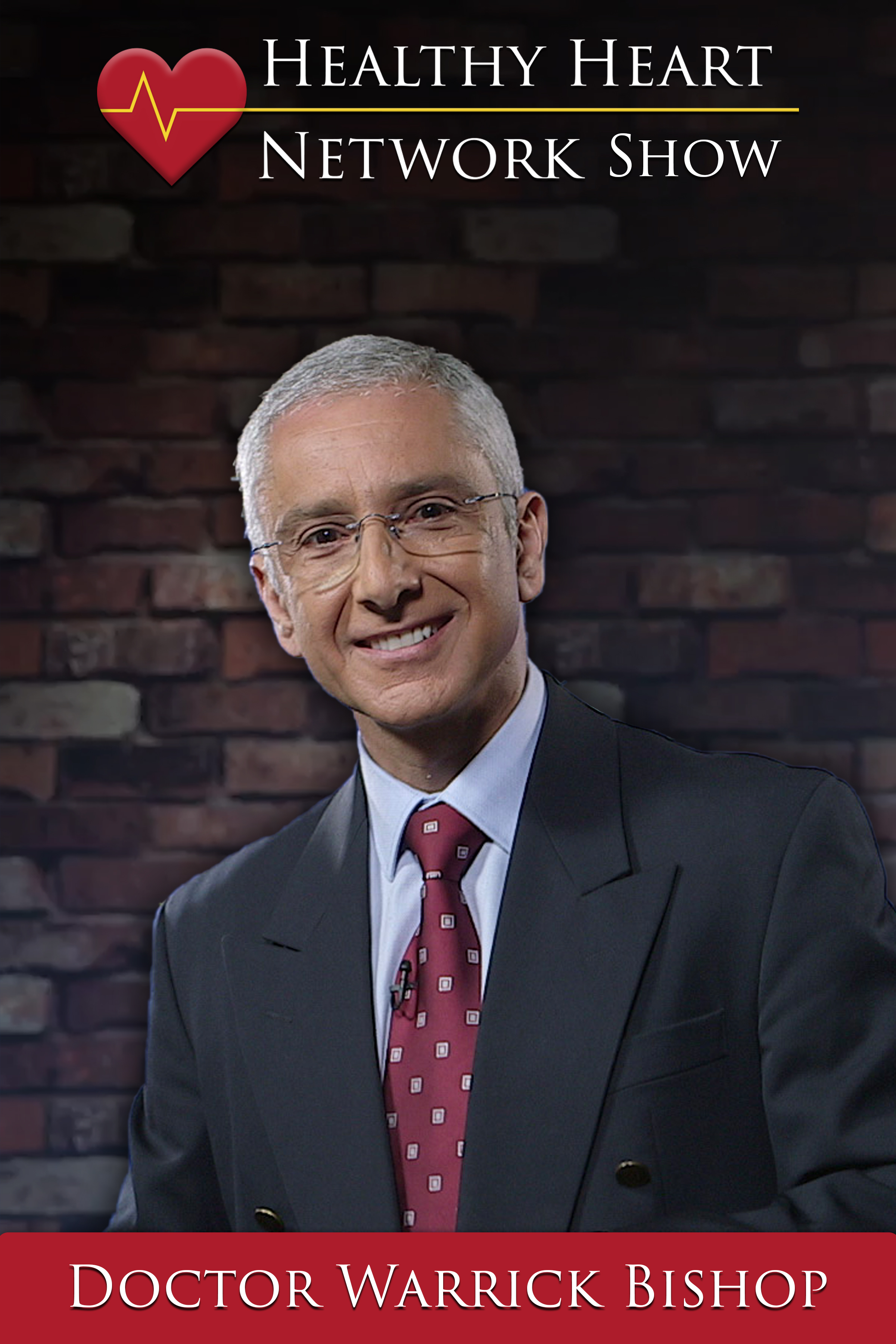
Welcome to my podcast, I am Doctor Warrick Bishop, and I want to help you to live as well as possible for as long as possible. I’m a practising cardiologist, best-selling author, keynote speaker, and the creator of The Healthy Heart Network. I have over 20 years as a specialist cardiologist, a private practice of over 10,000 patients.

Australia, like the rest of the western world, has a heart problem.

Over 9 million people around the world die from heart disease every year.

Every 10 minutes, someone in Australia suffers a heart attack. And 21 lives are lost daily because of it.

The devastating fact in all this is… 

Almost every one of those cases could have been prevented. 

This podcast is for anyone who wants to improve their health literacy and gain information to help them make the best decisions about their risk of heart attack, their cholesterol, blood pressure, risk of diabetes, weight loss and general health. Join me on my personal mission journey to prevent Heart Attack on a global scale. If you like this podcast I would be honoured with a 5-star review and let your friends and family know, you may even save the life of someone you love!

Episodes

EP68: Stoppping Drugs If A Sick Heart Gets Better

Welcome to my podcast. I am Doctor Warrick Bishop, and I want to help you to live as well as possible for as long as possible. I’m a practising cardiologist, best-selling author, keynote speaker, and the creator of The Healthy Heart Network. I have over 20 years as a specialist cardiologist and a private practice of over 10,000 patients. Podcast Summary Introduction Dr. Warrick Bishop is a practicing cardiologist and author dedicated to patient education about heart health. In this episode, Dr. Bishop discusses dilated cardiomyopathy—an enlarged heart with poorly functioning muscle—and importantly, what patients should do if their condition improves. He explores the causes, treatments, prognosis, and recent research findings that challenge common assumptions about medication management. Key Takeaways: Dilated cardiomyopathy is defined as an enlarged heart with dysfunctional muscle, primarily measured by ejection fraction (the percentage of blood pumped with each heartbeat). A normal ejection fraction is approximately 60%; less than 40% indicates cardiomyopathy, with worse disease showing progressively lower ejection fractions. Common causes include infections, alcohol abuse, certain chemotherapy drugs, prolonged elevated heart rates, genetic factors, and idiopathic (unknown) origins. Treatment involves medications that reduce blood pressure and workload on the heart, regulate heart rate, and modulate hormonal influences, including beta blockers and newer agents like Secubitril/Valsartan combinations. Prognosis has improved significantly—more than 50-60% of patients now show recovery compared to the historical "one-third rule," with improvement typically visible within three to six months. The TREND-HF study demonstrated that nearly 40% of patients relapsed when medications were withdrawn after heart function improved, proving long-term medication adherence is essential. Even when the heart recovers to near-normal function, patients should remain on medications indefinitely rather than discontinuing therapy. Read more

EP67: Mary - Cardiac Failure

Welcome to my podcast. I am Doctor Warrick Bishop, and I want to help you to live as well as possible for as long as possible. I’m a practising cardiologist, best-selling author, keynote speaker, and the creator of The Healthy Heart Network. I have over 20 years as a specialist cardiologist and a private practice of over 10,000 patients. Podcast Summary Introduction Dr. Warrick Bishop is a practicing cardiologist and author dedicated to improving patient care through education, believing that informed patients receive better healthcare outcomes. In this episode, he introduces his podcast channel focused on helping people understand heart health and the latest advances in cardiac care. Dr. Bishop uses the compelling case study of his patient Mary to illustrate a transformative lesson about patient-centered cardiac failure management that fundamentally changed his approach to treatment. Key Takeaways: Patient engagement and education are critical to preventing hospital readmissions; Mary's understanding of her condition made her an active partner in her own care management. Cardiac failure causes fluid retention in the body that accumulates in the lungs and legs, resulting in breathing difficulties and physical swelling that significantly impacts quality of life. Frequent hospital admissions (every 4-6 weeks in Mary's case) can be reduced through a simple at-home medication adjustment protocol based on patient-observed symptoms. Patients are often best positioned to monitor their day-to-day condition and notice early warning signs of deterioration before symptoms become severe. A flexible diuretic dosing strategy—where patients double their fluid medication at the first sign of swelling or shortness of breath—can prevent the progression of acute episodes. Once fluid retention is resolved and normal symptoms return, patients can safely return to their baseline medication dose under clear medical guidance. Cardiac failure affects approximately 1 in 10 people aged 75 and older and accounts for about 10% of Western healthcare budgets, making it an increasingly critical health issue. Home-based cardiac care management is preferable to clinic or hospital-based care when properly structured and monitored. Cardiac failure is rapidly becoming a pandemic and overtaking coronary artery disease as the leading heart-related condition in developed nations. Read more

EP66: Statin Therapy In Australia: What's New?

Welcome to my podcast. I am Doctor Warrick Bishop, and I want to help you to live as well as possible for as long as possible. I’m a practising cardiologist, best-selling author, keynote speaker, and the creator of The Healthy Heart Network. I have over 20 years as a specialist cardiologist and a private practice of over 10,000 patients. Podcast Summary Dr. Warrick Bishop, a practicing cardiologist and author, hosts this episode to educate patients about heart health and recent changes in Australian healthcare policy. In this episode, he discusses a significant update to Australia's Pharmaceutical Benefits Scheme (PBS) regarding the availability and prescription of statins for cholesterol management. The primary focus is how the removal of eligibility restrictions on generic statins as of October 1, 2018, represents a major step forward in preventative cardiology. Key Takeaways: The PBS (Pharmaceutical Benefits Scheme) regulates pharmaceutical funding in Australia and is closely monitored due to its enormous cost to taxpayers and the government. Previous statin eligibility criteria, established in October 2006, required patients to have symptomatic conditions (heart disease, stroke, or blocked arteries) before accessing cholesterol-lowering drugs. The 2006 criteria also included specific high-risk groups such as diabetics, Aboriginal and Torres Strait Islanders, and those with strong family histories of early coronary artery disease. Patents on statins have expired since 2006, allowing generic versions to be manufactured at significantly lower costs by multiple pharmaceutical companies. As of October 1, 2018, the PBS removed all eligibility restrictions for statins, while other cholesterol-lowering drugs still maintain restrictions due to higher costs and lack of generic alternatives. The removal of restrictions enables doctors to prescribe statins based on clinical judgment and individual risk assessment, rather than waiting for patients to develop symptoms. This policy change is significant for preventative cardiology, as early intervention based on imaging results showing arterial plaque buildup can now occur without patients having to self-fund treatment. Dr. Bishop emphasizes the importance of sharing this information with the public and medical professionals, as many people may still be unnecessarily paying out-of-pocket for statins. Read more

EP65: Middle of the Night Phone Call

Welcome to my podcast. I am Doctor Warrick Bishop, and I want to help you to live as well as possible for as long as possible. I’m a practising cardiologist, best-selling author, keynote speaker, and the creator of The Healthy Heart Network. I have over 20 years as a specialist cardiologist and a private practice of over 10,000 patients. Podcast Summary Introduction Dr. Warrick Bishop is a practicing cardiologist and author dedicated to improving patient care through heart health education. In this episode, Dr. Bishop shares a deeply personal and life-saving story about his friend Craig, who experienced sudden chest pain in his mid-30s and the critical importance of seeking immediate medical attention when something doesn't feel right. The episode serves as a powerful reminder that cardiac events can happen to seemingly healthy, young people and that trusting your instincts about unusual symptoms can be the difference between life and death. Key Takeaways: Unexplained chest pain, especially if it's different from anything you've experienced before, warrants immediate hospital evaluation regardless of age or perceived risk factors. Trust your instincts: if a symptom doesn't feel right and you're compelled to seek help in the middle of the night, that intuition is worth acting on. Young, apparently healthy people with minimal risk factors can still suffer serious cardiac events without warning. Cardiac symptoms can present in atypical ways beyond just chest pain—including arm aches, jaw aches, shoulder aches, or sensations resembling indigestion. The potential consequences of not seeking medical care (death at home) far outweigh the minor inconvenience of a hospital visit that turns out to be nothing. Having access to emergency medical equipment, defibrillators, and trained personnel in a hospital setting can be the difference between life and death, as demonstrated by Craig's two cardiac arrests requiring resuscitation. If you experience any unexplained symptoms between your eyeballs and belly button, seek medical evaluation rather than trying to self-diagnose or wait it out. Early intervention and proper diagnosis (Craig received a stent in his left anterior descending artery) can successfully save lives and allow patients to continue living with their families. Read more

EP64: Energy Drink Project

Welcome to my podcast. I am Doctor Warrick Bishop, and I want to help you to live as well as possible for as long as possible. I’m a practising cardiologist, best-selling author, keynote speaker, and the creator of The Healthy Heart Network. I have over 20 years as a specialist cardiologist and a private practice of over 10,000 patients. Podcast Summary: Energy Drinks Dr. Warrick Bishop is a practicing cardiologist and education advocate who hosts a podcast dedicated to improving patient understanding of heart health. In this episode, he provides a comprehensive examination of energy drinks, exploring their history, composition, purported benefits, and cardiovascular and psychological risks. The discussion is particularly relevant given the widespread consumption of these beverages among teenagers and young adults globally. Key Takeaways: Energy drinks emerged in the global market in 1987 with Red Bull, and by 2013 the industry had grown to a 12.5 billion dollar market with consumption exceeding 5.8 billion liters annually across 160 countries. The primary active ingredient in energy drinks is caffeine (ranging from 30-140mg), which is often combined with high sugar content to provide both stimulation and a sugar rush to consumers. While some research suggests energy drinks can improve aerobic endurance, mood, alertness, and response times, many studies show no significant benefit, making the evidence mixed at best. High doses of caffeine from excessive energy drink consumption can cause dangerous cardiovascular effects including abnormal heart rhythms, increased blood pressure, endothelial dysfunction, and increased risk of heart attacks. Neurological side effects of energy drinks include anxiety, insomnia, gastrointestinal upset, restlessness, agitation, and in severe cases (over 300mg caffeine), hallucinations and seizures. The high sugar content in energy drinks contributes to tooth decay, potential gut microbiome changes, reduced insulin sensitivity, and increased weight gain risk with long-term consumption. Caffeine has a diuretic effect that can lead to dehydration, particularly concerning when combined with exercise and a sense of energetic wellbeing that masks fluid loss. Energy drinks negatively impact sleep quality despite their wakefulness effects, leaving consumers depleted the following day with no net gain in rest or performance. Mixing energy drinks with alcohol creates a false sense of capability and safety, as the stimulant effect masks alcohol impairment without actually reducing it, leading to increased risky behavior. Energy drink consumption among university-age students has been associated with increased risky behaviors including unsafe driving, drug use, and sexual risk-taking. The psychological effects on teenagers are particularly concerning, as the combination of caffeine and sugar impacts concentration, mood, and decision-making processes during critical developmental years. Read more

EP63: What Is Circulation?

Welcome to my podcast. I am Doctor Warrick Bishop, and I want to help you to live as well as possible for as long as possible. I’m a practising cardiologist, best-selling author, keynote speaker, and the creator of The Healthy Heart Network. I have over 20 years as a specialist cardiologist and a private practice of over 10,000 patients. Podcast Summary Introduction Dr. Warrick Bishop, a practicing cardiologist and author, hosts this educational podcast from his home to simplify understanding of the circulatory system. He believes educated patients receive the best healthcare and aims to demystify how the circulation works by breaking down often-confusing medical diagrams into easy-to-understand concepts. Today's episode focuses on explaining the basic mechanics of blood circulation and the heart's role in maintaining continuous flow throughout the body. Key Takeaways: The primary purpose of circulation is to deliver oxygen from the lungs to body tissues and remove waste products (carbon dioxide) from those tissues. The circulation can be understood as one continuous circle: oxygen-rich blood flows from the lungs to tissues through arteries and capillaries, where gas exchange occurs, then returns to the lungs through veins. The heart functions as a pump with one-way valves that ensure blood flows in only one direction, preventing backflow and maintaining continuous circulation. Oxygen-rich blood from the lungs enters the left atrium, moves to the left ventricle (the body's major pumping chamber), and is then propelled through the aorta to the entire body. Deoxygenated blood returns through two major veins (superior and inferior vena cava) into the right atrium, then right ventricle, and is pumped to the lungs for gas exchange. Different organs receive varying percentages of blood flow based on need: the brain and kidneys each receive nearly 25% of total circulation, while the gut and muscles receive variable amounts depending on activity and digestion. Veins contain one-way valves and are assisted by external muscle compression and negative chest pressure to push blood back toward the heart against gravity. Understanding circulation mechanics helps patients comprehend how problems in specific locations can have downstream effects throughout the cardiovascular system. Read more

EP62: The Spray Under The Tongue

Welcome to my podcast. I am Doctor Warrick Bishop, and I want to help you to live as well as possible for as long as possible. I’m a practising cardiologist, best-selling author, keynote speaker, and the creator of The Healthy Heart Network. I have over 20 years as a specialist cardiologist and a private practice of over 10,000 patients. Podcast Summary Introduction: Dr. Warrick Bishop is a practicing cardiologist and author dedicated to educating patients about heart health. In this episode, he discusses an important misconception about sublingual glycerol trinitrate (GTN) spray—the medication sprayed under the tongue for angina chest pain—and explains how its appropriate use differs significantly between stable and unstable angina situations. Key Takeaways: GTN spray is a vasodilator that works by dilating blood vessels to increase blood flow to the heart and reduce anginal pain, though it can cause headaches as a side effect. Stable angina is predictable chest pain that occurs with consistent triggers (like walking a certain distance), whereas unstable angina comes on unexpectedly with minimal exertion or at rest. In stable angina, relying on GTN spray suggests the patient is undertreated with their regular anti-anginal medications and should see a cardiologist to adjust their treatment plan rather than use the spray as a management solution. In unstable angina, GTN spray may temporarily relieve pain but does not address the underlying problem—likely a ruptured plaque with clot formation that could lead to a heart attack. Pain relief from GTN spray in unstable angina should be viewed as a warning sign, not reassurance; it indicates the need for immediate hospital evaluation, not comfort at home. Patients should never assume that GTN spray resolving chest pain means the danger has passed; this false sense of security can delay critical emergency care. Unstable angina represents a serious, high-risk condition that requires urgent hospitalization and proper investigation rather than self-treatment with sublingual medication. Read more

EP61: A1 And A2 Milk

Welcome to my podcast. I am Doctor Warrick Bishop, and I want to help you to live as well as possible for as long as possible. I’m a practising cardiologist, best-selling author, keynote speaker, and the creator of The Healthy Heart Network. I have over 20 years as a specialist cardiologist and a private practice of over 10,000 patients. Podcast Summary Introduction: Dr. Warrick Bishop is a practicing cardiologist and author dedicated to educating patients about heart health and the latest advances in cardiac care. In this episode, he explores the difference between A1 and A2 milk proteins, examining the scientific evidence around whether A2 milk offers health advantages over the more commonly consumed A1 milk. The discussion covers the history of milk mutations, proposed mechanisms of difference, and the current state of research on this increasingly popular food debate. Key Takeaways: A1 and A2 milk differ due to a mutation in beta casein that occurred approximately 8,000 years ago, with A1 milk becoming dominant in Western dairy industries through breeding practices. A1 beta casein may trigger the release of beta-casomorphin in the small intestine, which has been theoretically linked to altered gut function and increased inflammatory cells compared to A2 milk. Observational studies have suggested potential associations between A1 milk consumption and type 1 diabetes, autism, coronary artery disease, and schizophrenia, though causation has not been established. Many A2 milk studies have been funded by A2 milk producers, creating bias concerns, while independent research in 2014 failed to replicate health benefits claimed in company-sponsored studies. A 2017 randomized, double-blind crossover trial with 600 Chinese adults demonstrated that A2 milk reduced gastrointestinal symptoms like bloating and abdominal pain specifically in lactose-intolerant individuals. Currently, there is insufficient scientific evidence to recommend A2 milk over A1 milk for the general population, though lactose-intolerant individuals may experience benefits. Dr. Bishop recommends that people concerned about milk tolerance conduct self-blinded experiments comparing A1 and A2 over 24-48 hours to observe personal differences. A conflict of interest was discovered when a researcher who dismissed A2 milk claims in 2006 was later revealed to be a consultant for the New Zealand dairy industry. Read more

EP60: Progress to Bypass Grafting

Welcome to my podcast. I am Doctor Warrick Bishop, and I want to help you to live as well as possible for as long as possible. I’m a practising cardiologist, best-selling author, keynote speaker, and the creator of The Healthy Heart Network. I have over 20 years as a specialist cardiologist and a private practice of over 10,000 patients. Podcast Summary Introduction Dr. Warrick Bishop, a practicing cardiologist and advocate for patient education, hosts this episode featuring Bruce, a 74-year-old patient who has recently undergone cardiac evaluation and diagnosis. Bruce shares his personal journey through heart healthcare, prompted by his brother's cardiac events and family history of heart disease, offering valuable insights for listeners facing similar cardiovascular health concerns. Key Takeaways Family history of heart disease is a significant risk factor; Bruce's father had a triple bypass in his 60s, and his brother had a heart attack and cardiac arrest at age 52, prompting Bruce's own cardiac evaluation at age 73. Advanced imaging (CT scan) can be more informative than stress testing in asymptomatic, fit-appearing patients to detect arterial plaque and assess true cardiovascular risk. Serial stress testing over time can help track disease progression; Bruce's treadmill tests showed changes between tests performed six months apart, indicating advancing coronary artery disease. Subtle changes in physical symptoms—such as unusual shortness of breath during routine activity—can be early warning signs that should be reported to both doctors and family members immediately. Early detection through preventative screening and imaging allowed intervention before acute cardiac events occurred, avoiding the life-threatening emergency situations Bruce's brother experienced. Invasive coronary angiography provides the highest resolution imaging needed to plan specific treatment strategies and confirm the extent of arterial blockages. Coronary artery bypass grafting, while requiring surgery, offers superior outcomes when planned electively compared to emergency procedures performed after heart attacks or cardiac arrest. Patient education about the "why" behind medical procedures reduces fear and increases compliance; understanding the reasoning helps patients approach necessary surgery with realistic optimism. Family members with a diagnosed cardiac condition should prompt screening of siblings, as genetic and shared risk factors make them statistically higher risk for similar disease. Delaying medical evaluation of potential cardiac symptoms can result in catastrophic outcomes; early action and getting symptoms "checked out" can be lifesaving. Read more

EP59: Consultation With A Patient That Doesn't Want To Take Statins

Welcome to my podcast. I am Doctor Warrick Bishop, and I want to help you to live as well as possible for as long as possible. I’m a practising cardiologist, best-selling author, keynote speaker, and the creator of The Healthy Heart Network. I have over 20 years as a specialist cardiologist and a private practice of over 10,000 patients. Podcast Summary Introduction Dr. Warrick Bishop, a practicing cardiologist and author, hosts a consultation with his patient Michael, a 72-year-old previously fit and active man who recently suffered a heart attack and received a stent placement in his LAD artery. The episode focuses on addressing Michael's significant apprehension about taking statin therapy, which stems largely from misinformation he encountered online about statins and dementia. Key Takeaways: Michael's reluctance to take statins is primarily driven by fear that they cause cognitive decline and dementia, based on research he found on YouTube and the internet rather than medical evidence. The FDA conducted a thorough review of statins and found absolutely no evidence from clinical trials that they cause any decrease in mental cognition, despite investigating concerns about memory issues. Statins likely do not affect brain cholesterol because they do not cross the blood-brain barrier, and newborns naturally have LDL cholesterol levels of 0.6-0.7 mmol/L—far lower than typical adult levels—without developmental problems. Statins may actually help prevent dementia indirectly by reducing vascular events (strokes and mini-strokes caused by cholesterol buildup in brain arteries), which are a significant cause of dementia. Internet information about statins is often biased and disproportionately amplified by individuals with financial interests in creating controversy, whereas peer-reviewed medical evidence and professional guidelines are based on rigorous research. In secondary prevention cases like Michael's (after a cardiac event), lowering cholesterol through statins is supported by extensive evidence to stabilize plaque and reduce future cardiac events. Idiosyncratic side effects to statins do exist in some patients, but these are not dose-related and are not replicated across the broader patient population, and serious complications like rhabdomyolysis are extremely rare (1 in 70,000). Dr. Bishop does not advocate prescribing statins based solely on cholesterol numbers; he emphasizes the importance of imaging and risk assessment to determine who truly benefits from cholesterol-lowering therapy. Australian lipid guidelines have evolved based on new research, with current secondary prevention targets being an LDL level of 1.8 mmol/L or lower, which Michael's baseline of 2.4 exceeds. Read more