Heart Attacks are Preventable!

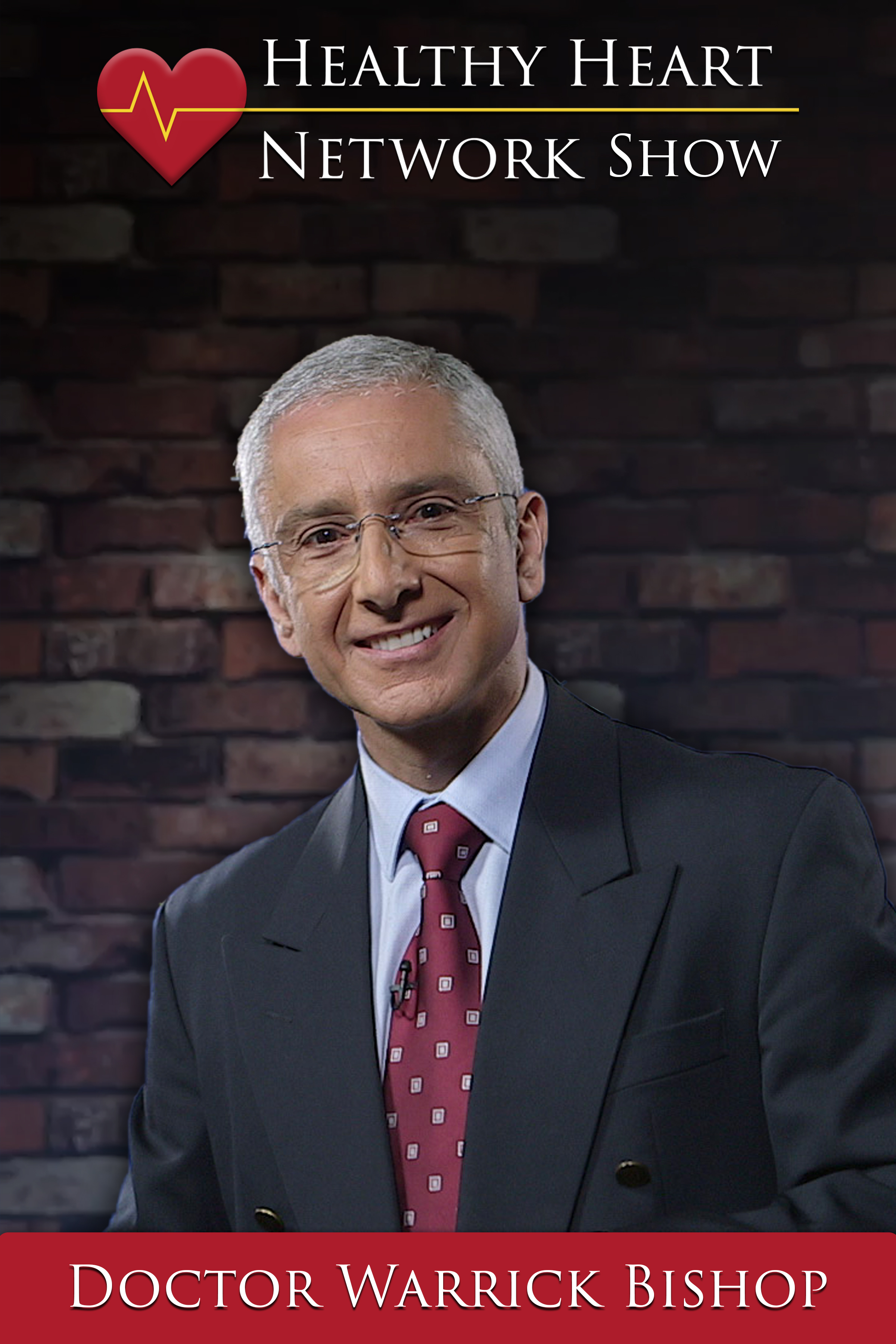
Welcome to my podcast, I am Doctor Warrick Bishop, and I want to help you to live as well as possible for as long as possible. I’m a practising cardiologist, best-selling author, keynote speaker, and the creator of The Healthy Heart Network. I have over 20 years as a specialist cardiologist, a private practice of over 10,000 patients.

Australia, like the rest of the western world, has a heart problem.

Over 9 million people around the world die from heart disease every year.

Every 10 minutes, someone in Australia suffers a heart attack. And 21 lives are lost daily because of it.

The devastating fact in all this is… 

Almost every one of those cases could have been prevented. 

This podcast is for anyone who wants to improve their health literacy and gain information to help them make the best decisions about their risk of heart attack, their cholesterol, blood pressure, risk of diabetes, weight loss and general health. Join me on my personal mission journey to prevent Heart Attack on a global scale. If you like this podcast I would be honoured with a 5-star review and let your friends and family know, you may even save the life of someone you love!

Episodes

EP105: Blood Pressure - The Higher or Lower Number?

Welcome to my podcast. I am Doctor Warrick Bishop, and I want to help you to live as well as possible for as long as possible. I’m a practising cardiologist, best-selling author, keynote speaker, and the creator of The Healthy Heart Network. I have over 20 years as a specialist cardiologist and a private practice of over 10,000 patients. Podcast Summary Introduction Dr. Warrick Bishop is a practicing cardiologist and author dedicated to improving patient care through heart health education. In this episode, he addresses a fundamental question in cardiovascular health: whether the systolic (top) or diastolic (bottom) number is more important when measuring blood pressure. Through detailed explanation and recent research findings, Dr. Bishop explores what these measurements mean and their relative significance in predicting cardiovascular risk. Key Takeaways: Systolic blood pressure measures the highest pressure during heart contraction, while diastolic blood pressure measures pressure during the relaxation phase when the heart is not actively pumping. A major study analyzing 36 million blood pressure readings from 1.3 million people found that systolic pressure above 140 mmHg carries approximately 18% higher risk of complications, while diastolic pressure above 90 mmHg carries only 5-10% higher risk. Both systolic and diastolic measurements are important for assessing cardiovascular health, but systolic pressure is slightly more predictive of increased risk than diastolic pressure. Elevated blood pressure causes wear and tear on blood vessels and the heart, and is closely linked to cardiac failure, atrial fibrillation, and stroke risk. The lower your blood pressure (without causing symptoms like dizziness or lightheadedness), the better for long-term cardiovascular health and vascular protection. The SPRINT trial demonstrates that aggressively lowering blood pressure in high-risk patients provides clear benefits in reducing major adverse coronary events. Patients should regularly monitor their blood pressure with their doctor, pharmacist, or physiotherapist and take action if readings are abnormal. Read more

EP104: No Second Chance

Welcome to my podcast. I am Doctor Warrick Bishop, and I want to help you to live as well as possible for as long as possible. I’m a practising cardiologist, best-selling author, keynote speaker, and the creator of The Healthy Heart Network. I have over 20 years as a specialist cardiologist and a private practice of over 10,000 patients. Podcast Summary Introduction Dr. Warrick Bishop is a practicing cardiologist and author dedicated to improving patient care through heart health education. In this episode, he discusses the "No Second Chances" document from the Baker Heart and Diabetes Institute, which highlights the critical risks that cardiac event survivors face and emphasizes the importance of aggressive risk reduction strategies to prevent future events. Key Takeaways: Heart attack survivors are twice as likely to die prematurely compared to the general population, with a one in six chance of dying from the initial event itself. Patients who have suffered two or more heart attacks face three times the risk of premature death compared to the general population. Within 12 months of a heart attack, one in 10 survivors will experience another heart attack, underscoring the critical importance of medication adherence and risk management. Within seven days of a stroke, approximately 10% of patients will suffer another stroke, highlighting the immediate and ongoing danger during the acute period. Medication compliance is essential for preventing secondary cardiac events, as patients who discontinue prescribed medications face significantly higher risks of experiencing additional events. Primary prevention strategies should be strengthened to prevent first-time cardiac and cerebrovascular events rather than focusing solely on secondary prevention after an event occurs. Proactive health maintenance including regular blood pressure checks, cholesterol monitoring, consistent exercise, and healthy diet choices are critical preventative measures. Heart disease remains the most expensive disease in the country, with costs projected to nearly double from $12 billion (2012-2013) to $22 billion (2032-2033). Patients prescribed risk-modifying medications should recognize and appreciate their value, as these medicines demonstrably work to reduce the risk of future cardiac events. Individuals should approach personal health management like vehicle maintenance—servicing regularly while functioning well rather than waiting for a breakdown to occur. Read more

EP103: Salt: Poison or Preservative?

Welcome to my podcast. I am Doctor Warrick Bishop, and I want to help you to live as well as possible for as long as possible. I’m a practising cardiologist, best-selling author, keynote speaker, and the creator of The Healthy Heart Network. I have over 20 years as a specialist cardiologist and a private practice of over 10,000 patients. Podcast Summary Dr. Warrick Bishop, a practicing cardiologist and author, hosts this episode to discuss the health impacts of salt consumption based on insights from Professor Bruce Neal, a world expert on salt presented at the Cardiac Society of Australia and New Zealand meeting. The episode explores the evolutionary mismatch between our ancestors' salt intake (approximately 1 gram per day) and modern Western diets, examining the evidence linking excessive salt to rising blood pressure and global disease burden. Key Takeaways: Human evolutionary development adapted to approximately 1 gram of salt per day, but modern Western diets now contain significantly higher amounts, particularly from processed foods used as preservatives and flavor enhancers. The Yanomami people of the Amazon, who maintain traditional hunter-gatherer diets with minimal salt intake, demonstrate stable blood pressure across all age groups, contrasting sharply with Western populations that show linear blood pressure increases with age. Reducing global salt consumption to 2 grams per day could save 2.3 million lives annually, while a less ambitious target of 5 grams per day could still save approximately 500,000 people per year. Adults exposed to excess salt diets experience approximately 0.35 millimeters of mercury systolic blood pressure increase yearly, though this can be partially reversed through salt reduction. The PURE study, which suggested a "sweet spot" for salt consumption and questioned whether low salt intake could be harmful, used a flawed methodology by applying the Kawasaki equation to spot urine samples rather than proper 24-hour urine collection. The Kawasaki equation used in the PURE study proved to be unreliable and acted as a confounder rather than a valid contributor, making the study's conclusions misleading regarding salt safety. Vested interests within the large processed food industry have historically funded research and exploited discrepancies to temper public health debates about salt reduction. A major multi-center, long-term clinical trial led by Professor Neal is currently underway with rigorous salt consumption assessment protocols, with results expected within 12 months. Read more

EP102: Are Home Defibrillators Good For You?

Welcome to my podcast. I am Doctor Warrick Bishop, and I want to help you to live as well as possible for as long as possible. I’m a practising cardiologist, best-selling author, keynote speaker, and the creator of The Healthy Heart Network. I have over 20 years as a specialist cardiologist and a private practice of over 10,000 patients. Podcast Summary Introduction Dr. Warrick Bishop is a practicing cardiologist and author dedicated to improving patient care through heart health education. In this episode, Dr. Bishop discusses home-based automatic defibrillators—devices available for purchase in retail settings that can deliver electrical shocks to restore normal heart rhythm during cardiac arrest. The episode explores the evidence for their effectiveness and provides guidance on when they might (or might not) be appropriate for patients. Key Takeaways: Home defibrillators work by delivering electrical shocks to treat ventricular tachycardia and ventricular fibrillation—lethal heart rhythms that can occur during a heart attack when blocked arteries irritate the heart muscle. A 2008 study of 7,000 high-risk patients found no statistically significant difference in survival between those with home defibrillators and those without, though a small number of lives were saved (approximately 4 out of 3,500). Automatic defibrillators have proven valuable in high-traffic public areas like shopping malls and sporting events, but the evidence for home use is weak due to location and availability limitations. Simply owning a defibrillator is insufficient—users must have proper training, education, and CPR skills to operate the device effectively. Very high-risk patients with severely damaged hearts are better served by implantable cardiac defibrillators (ICDs), which are permanently placed under the skin and provide 24/7 protection. Dr. Bishop recommends that concerned patients invest in cardiac imaging (heart scans) to assess actual artery health and determine true risk rather than purchasing home defibrillators preemptively. Home defibrillators may be more suitable for organized groups like senior centers, golf clubs, or bowls clubs where multiple older individuals gather and can share the device. As costs decrease to $500 or less, defibrillators may become integrated into vehicles or other common equipment, improving accessibility and location certainty. Decisions about home defibrillators should be made in consultation with a doctor and are not recommended for broad community use. Read more

EP101: Management of Cardiac Failure

Welcome to my podcast. I am Doctor Warrick Bishop, and I want to help you to live as well as possible for as long as possible. I’m a practising cardiologist, best-selling author, keynote speaker, and the creator of The Healthy Heart Network. I have over 20 years as a specialist cardiologist and a private practice of over 10,000 patients. Podcast Summary Introduction Dr. Warrick Bishop, a practicing cardiologist and author, welcomes listeners to his podcast on the Healthy Heart Network, where he educates patients about heart health and the latest cardiac care approaches. In this episode, Dr. Bishop presents the case of Frank, a 72-year-old patient and community associate, to illustrate how heart failure can develop unexpectedly and the importance of recognizing subtle signs of cardiac dysfunction. Through Frank's multi-year journey involving a pacemaker implant, stent placement, and eventual diagnosis of heart failure with preserved ejection fraction, Dr. Bishop demonstrates comprehensive cardiac management and patient-centered care. Key Takeaways: Heart failure with preserved ejection fraction (HFpEF) can present with subtle, difficult-to-detect signs that don't fit the classic presentation of severe cardiac failure with obvious fluid retention and elevated biomarkers. Shortness of breath can be a manifestation of angina or heart failure without necessarily presenting as chest pain or other obvious cardiac symptoms. Elevated pulmonary pressures (even at borderline levels like 30-35 mmHg) warrant investigation for fluid retention as a potential contributing cause of symptoms. A diagnostic therapeutic trial of diuretic therapy can be both a diagnostic and treatment tool when heart failure with preserved ejection fraction is suspected. Diuretic dosing should be carefully controlled—typically 1-3 days per week rather than daily—to remove excess fluid while avoiding dehydration and kidney damage. Comprehensive cardiac management requires ongoing monitoring of multiple risk factors including cholesterol, blood pressure, pacemaker function, and metabolic health like glucose control. An active lifestyle and patient compliance with medical management can allow cardiac patients to maintain quality of life and pursue meaningful activities for years after diagnosis. Previous cardiac interventions (stents) and rhythm disturbances (pacemakers) require long-term follow-up to ensure continued efficacy and early detection of new complications. Read more

EP100: Celebrating Our 100th Podcast Episode!

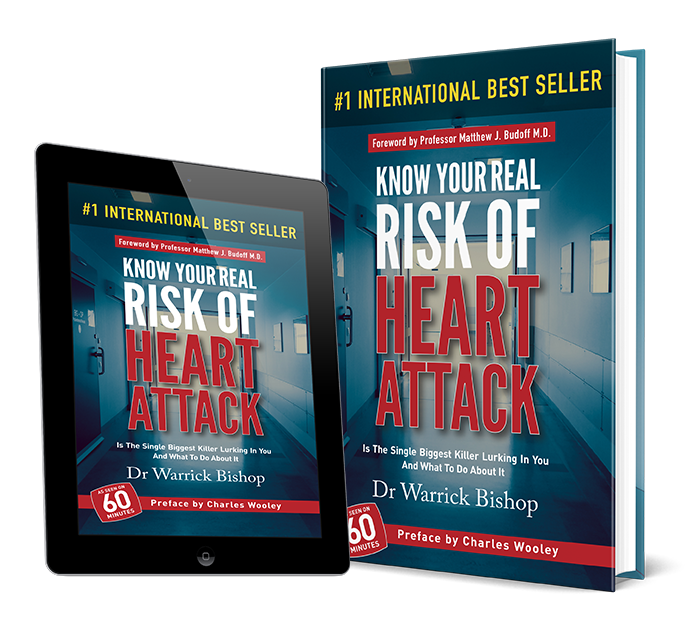
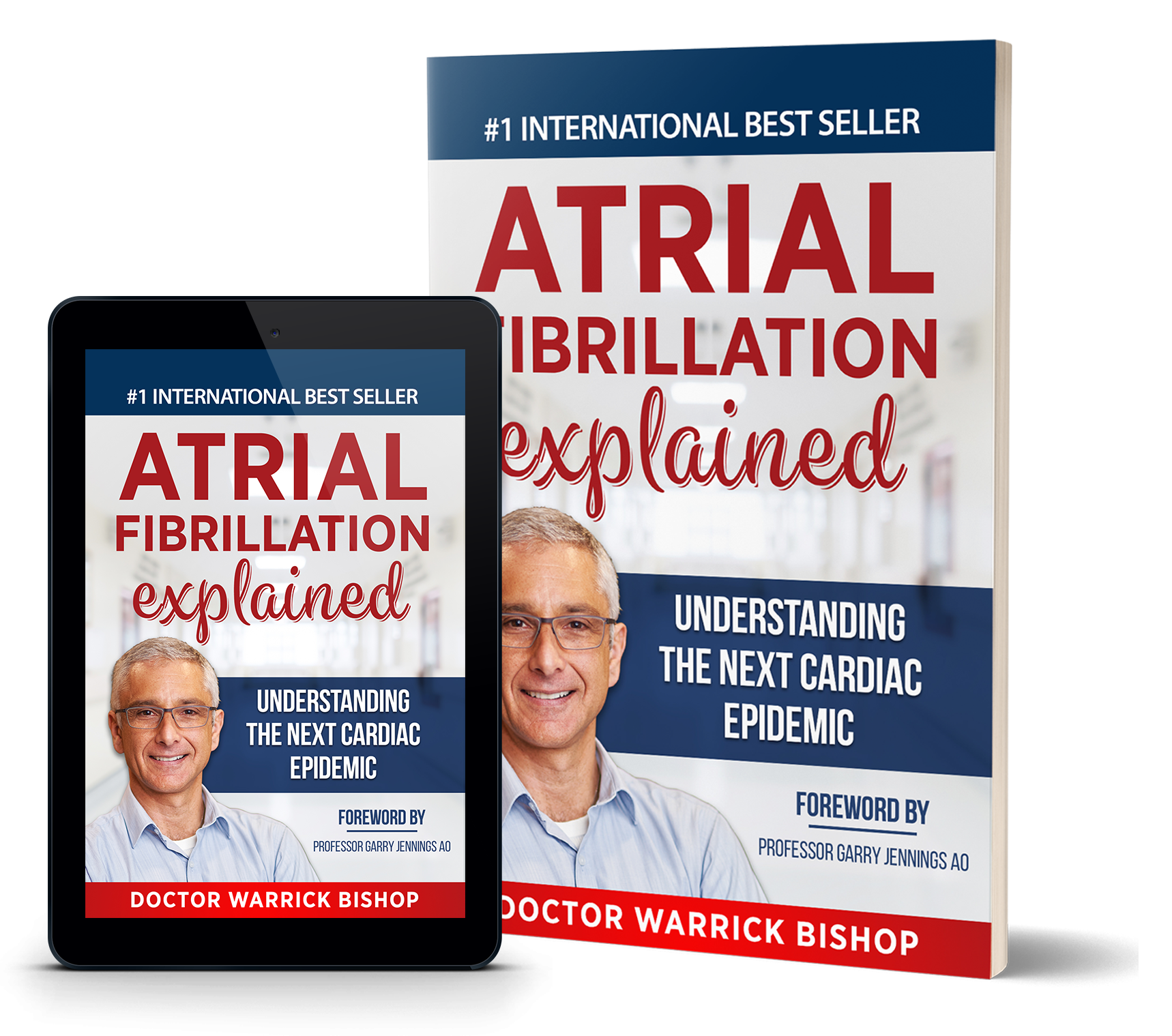
Welcome to my podcast. I am Doctor Warrick Bishop, and I want to help you to live as well as possible for as long as possible. I’m a practising cardiologist, best-selling author, keynote speaker, and the creator of The Healthy Heart Network. I have over 20 years as a specialist cardiologist and a private practice of over 10,000 patients. Podcast Summary Introduction Dr. Warrick Bishop hosts a cardiology podcast celebrating its 100th episode milestone, representing two years of weekly content releases. The episode is a special thank-you installment where Dr. Bishop reflects on his achievements, including the successful release of educational resources like "Know Your Real Risk of Heart Attack" and "Atrial Fibrillation Explained," and the launch of an upcoming guide on cardiac failure. This celebration marks significant growth and recognition for his podcast within the global cardiology education space. Key Takeaways: The podcast has achieved top 15 global ranking in cardiology podcasts, placing at number 9 among major organizations, demonstrating high-quality content recognition. Over 3,000 podcast downloads have been accumulated over the two-year period, with audience reach expanding beyond initial expectations. The podcast now has over 20,000 social media followers across LinkedIn, Facebook, and Twitter, significantly expanding its educational reach. Dr. Bishop emphasizes that educated patients receive better healthcare outcomes, motivating his commitment to creating accessible medical information. The podcast success is attributed to collaborative support, particularly from business manager John and production expert James, who ensure high-quality content delivery. Multiple educational resources have been successfully published in Australia and the US, including books on heart attack risk and atrial fibrillation. Dr. Bishop dedicates his time to podcast production voluntarily, driven by his belief that education can make a meaningful difference in patient health outcomes. Audience feedback, questions, and topic suggestions are actively valued and incorporated into future podcast planning. The host encourages listeners to share content with others as a form of health education advocacy and preventative care promotion. Read more

EP99: All About Cholesterol

Welcome to my podcast. I am Doctor Warrick Bishop, and I want to help you to live as well as possible for as long as possible. I’m a practising cardiologist, best-selling author, keynote speaker, and the creator of The Healthy Heart Network. I have over 20 years as a specialist cardiologist and a private practice of over 10,000 patients. EP99: All About Cholesterol - Summary Dr. Warwick Bishop is a practicing cardiologist and passionate health educator who believes informed patients receive better care. In this episode, Dr. Bishop explains the fundamentals of cholesterol, its role in the body, and how to interpret cholesterol levels in the context of overall heart health. The discussion clarifies common misconceptions about "good" and "bad" cholesterol and provides practical dietary guidance for maintaining cardiovascular wellness. Key Takeaways: Cholesterol is a hydrocarbon (made of hydrogen and carbon) that serves essential functions including building cell membranes, producing hormones, and helping dissolve fats during digestion. The body both produces its own cholesterol and consumes it from food; specialized particles package and transport cholesterol throughout the body via the water-based bloodstream. HDL (high-density lipoprotein) is "good" cholesterol because it collects fat from tissues and arteries and transports it back to the liver for processing. LDL (low-density lipoprotein) is "bad" cholesterol because it deposits fat and cholesterol into tissues, potentially contributing to arterial damage. Cholesterol levels alone are not reliable predictors of heart attack or stroke risk; some people with high cholesterol live healthy lives while others with low cholesterol experience cardiac events. A Mediterranean-style diet rich in greens, fruits, healthy oils (like olive oil), and nuts is recommended as the best dietary approach for heart health. Genetics play a major role in determining cholesterol levels, making it difficult to significantly alter cholesterol through diet alone. Comprehensive assessment of multiple individual risk factors is more important than focusing on cholesterol levels in isolation when evaluating heart disease risk. Read more

EP98: Heart Attack And Stroke

Welcome to my podcast. I am Doctor Warrick Bishop, and I want to help you to live as well as possible for as long as possible. I’m a practising cardiologist, best-selling author, keynote speaker, and the creator of The Healthy Heart Network. I have over 20 years as a specialist cardiologist and a private practice of over 10,000 patients. Podcast Summary Introduction Dr. Warrick Bishop is a practicing cardiologist and author dedicated to educating patients about heart health, believing that informed patients receive better care. In this episode, Dr. Bishop addresses a listener's question about the common factors linking heart attacks and strokes, explaining the mechanisms behind each condition and their shared risk factors. The episode emphasizes the importance of prevention and proactive health management through understanding these cardiovascular events. Key Takeaways: Heart attacks occur when a cholesterol plaque ruptures in a coronary artery, suddenly blocking blood flow to the heart muscle and causing damage. Strokes can result from three different mechanisms: plaque rupture in neck arteries causing blood clots that travel to the brain, a ruptured blood vessel bleeding into the brain (hemorrhagic stroke), or blood clots forming in the heart due to atrial fibrillation that travel to the brain. Age is the single most important non-modifiable risk factor for both heart attacks and strokes. Blood pressure and cholesterol management are critical interventions that can reduce the development of arterial plaque, prevent hemorrhagic strokes, reduce cardiac stress, and lower the risk of atrial fibrillation. Risk assessment tools incorporating age, sex, cholesterol, blood pressure, diabetic status, smoking status, and heart features can identify individuals who need early treatment before a cardiac or stroke event occurs. Adding cardiac imaging or carotid imaging to standard risk assessments provides greater precision in understanding individual cardiovascular risk. Starting preventive therapies—including blood pressure medication, cholesterol medication, and aspirin—well before a heart attack or stroke occurs can dramatically reduce the likelihood of these events. Prevention is superior to treatment after an event has occurred, making proactive engagement with healthcare providers essential. Regular monitoring of blood pressure, cholesterol screening, and ongoing communication with a general practitioner are fundamental practices for heart attack and stroke prevention. Read more

EP97: Acute Cardiac Failure

Welcome to my podcast. I am Doctor Warrick Bishop, and I want to help you to live as well as possible for as long as possible. I’m a practising cardiologist, best-selling author, keynote speaker, and the creator of The Healthy Heart Network. I have over 20 years as a specialist cardiologist and a private practice of over 10,000 patients. Podcast Summary Introduction Dr. Warrick Bishop is a practicing cardiologist and author dedicated to educating patients about heart health through his podcast and videocast station, the Healthy Heart Network. In this episode, Dr. Bishop discusses acute cardiac failure—a medical emergency characterized by the sudden onset of heart pump failure and fluid buildup in the lungs. He explains that acute cardiac failure is a serious condition requiring rapid diagnosis and immediate stabilization, and he outlines the diagnostic approach and treatment strategies used in clinical practice. Key Takeaways: Acute cardiac failure occurs suddenly (as opposed to chronic failure) and presents with fluid congestion, particularly in the lungs, causing severe shortness of breath, rapid heart rate, low blood pressure, and decreased urine production. Cardiogenic shock—characterized by a fast heartbeat, dangerously low blood pressure, severe shortness of breath, and poor urine output—represents a critical medical emergency requiring immediate intervention. Initial diagnosis involves clinical examination (checking for fluid signs), ECG testing (which typically shows rapid heart rate), chest X-rays (to identify heart enlargement), and urgent cardiac ultrasound to assess heart pump function and valve integrity. Treatment begins with positioning patients upright to improve lung oxygenation, establishing intravenous access, administering oxygen, and using morphine to reduce anxiety and anxious sympathetic nervous system activation. Diuretic medications (like furosemide) are given intravenously to help remove excess fluid from the body and reduce lung congestion. Ventilatory support using continuous positive airway pressure (CPAP) masks can literally push fluid out of the lungs while reducing the workload on the failing heart. In severe cases at specialized centers, advanced interventions include ultrafiltration to mechanically remove fluid, intra-aortic balloon pumps that synchronize with heartbeats to support blood pressure, and extracorporeal membrane oxygenation (ECMO) to maintain oxygen delivery outside the body. Left ventricular assist devices (LVADs) are mechanical pumps that can support circulation in critically ill patients while awaiting heart transplantation or potential heart recovery. Identifying the underlying cause of acute cardiac failure is crucial; common causes include previous cardiac failure decompensation, acute coronary syndrome (heart attack), and uncontrolled cardiac arrhythmias like atrial fibrillation. Acute coronary syndrome requires urgent coronary angiography to open blocked arteries and restore blood flow to the heart muscle, which can rapidly improve heart function and patient outcomes. Read more

EP96: Atrial Fibrillation Awareness Week

Welcome to my podcast. I am Doctor Warrick Bishop, and I want to help you to live as well as possible for as long as possible. I’m a practising cardiologist, best-selling author, keynote speaker, and the creator of The Healthy Heart Network. I have over 20 years as a specialist cardiologist and a private practice of over 10,000 patients. Podcast Summary Dr. Warrick Bishop is a practicing cardiologist and author dedicated to patient education about heart health. In this episode, recorded during Atrial Fibrillation Awareness Week, Dr. Bishop explains what atrial fibrillation is, its prevalence, and how it can be managed. The discussion emphasizes the importance of understanding this common heart condition, particularly for older Australians who face significantly higher risk. Key Takeaways: Atrial fibrillation is an irregular heartbeat caused by loss of coordinated electrical contraction in the heart's top chambers (atria), causing them to twitch or fibrillate rather than pump effectively. Approximately 1% of the entire Australian population is affected by atrial fibrillation, but this increases to 15% or more in people over 80 years of age. Between 3% and 5% of people with atrial fibrillation may be unaware they have the condition, making screening and awareness critical. Atrial fibrillation can cause noticeable symptoms like palpitations, shortness of breath, and lightheadedness, but is particularly concerning because it significantly increases stroke risk. While atrial fibrillation cannot be cured in most cases, it can be managed through symptom control and stroke risk reduction using blood-thinning medications. The primary drivers of atrial fibrillation include aging, high blood pressure, excess alcohol consumption, obesity, and poor sleep quality. Lifestyle modifications such as controlling blood pressure, maintaining a healthy weight, ensuring adequate sleep, and limiting alcohol can help prevent or reduce atrial fibrillation risk. The Australian guidelines recommend opportunistic testing for patients 65 and older, including regular pulse and blood pressure checks during GP visits. Patients should consult their local doctor regularly for general health checks and to discuss any concerns about atrial fibrillation risk. Read more