Heart Attacks are Preventable!

Welcome to my podcast, I am Doctor Warrick Bishop, and I want to help you to live as well as possible for as long as possible. I’m a practising cardiologist, best-selling author, keynote speaker, and the creator of The Healthy Heart Network. I have over 20 years as a specialist cardiologist, a private practice of over 10,000 patients.

Australia, like the rest of the western world, has a heart problem.

Over 9 million people around the world die from heart disease every year.

Every 10 minutes, someone in Australia suffers a heart attack. And 21 lives are lost daily because of it.

The devastating fact in all this is… 

Almost every one of those cases could have been prevented. 

This podcast is for anyone who wants to improve their health literacy and gain information to help them make the best decisions about their risk of heart attack, their cholesterol, blood pressure, risk of diabetes, weight loss and general health. Join me on my personal mission journey to prevent Heart Attack on a global scale. If you like this podcast I would be honoured with a 5-star review and let your friends and family know, you may even save the life of someone you love!

Episodes

EP96: Atrial Fibrillation Awareness Week

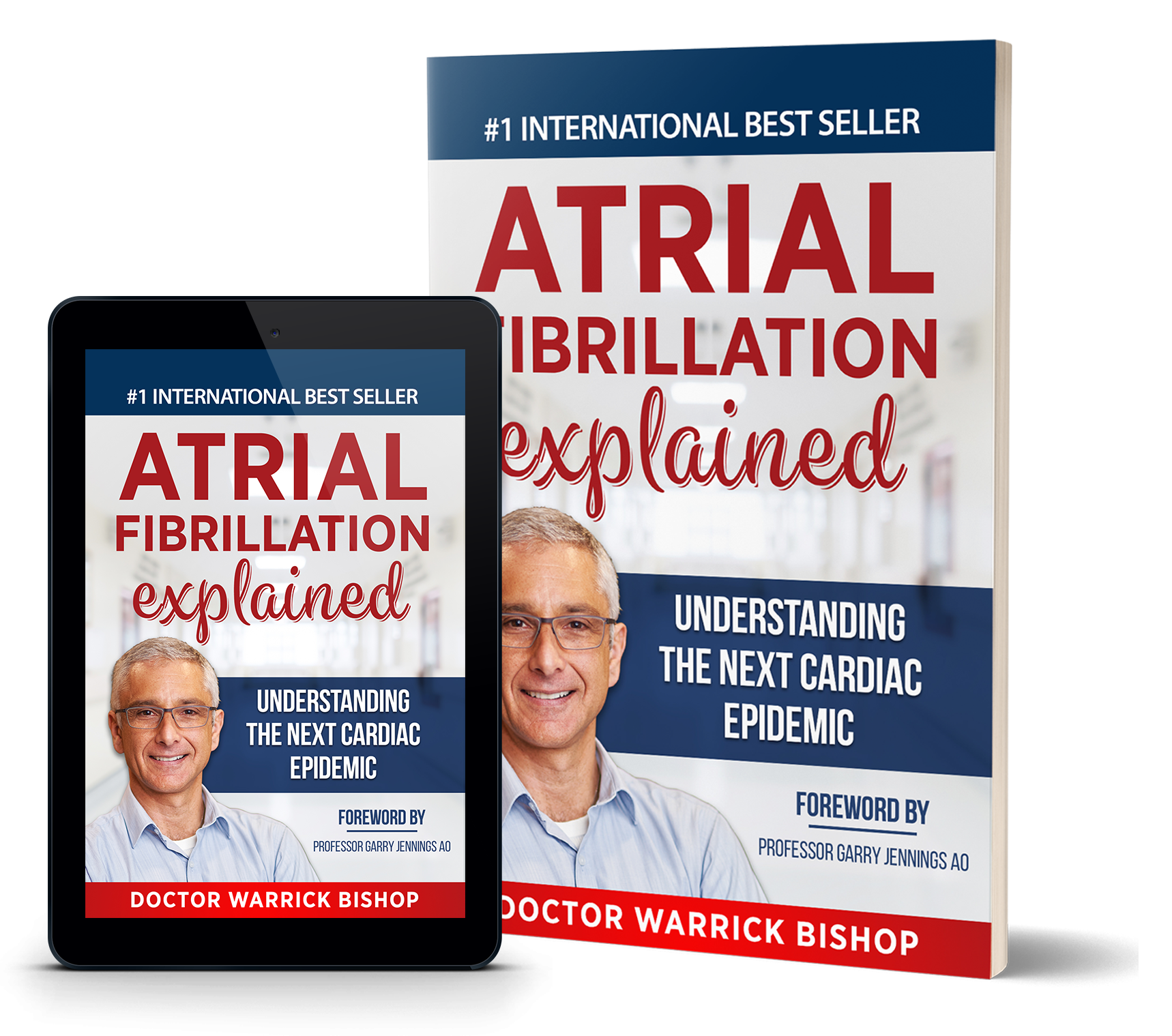
Welcome to my podcast. I am Doctor Warrick Bishop, and I want to help you to live as well as possible for as long as possible. I’m a practising cardiologist, best-selling author, keynote speaker, and the creator of The Healthy Heart Network. I have over 20 years as a specialist cardiologist and a private practice of over 10,000 patients. Podcast Summary Dr. Warrick Bishop is a practicing cardiologist and author dedicated to patient education about heart health. In this episode, recorded during Atrial Fibrillation Awareness Week, Dr. Bishop explains what atrial fibrillation is, its prevalence, and how it can be managed. The discussion emphasizes the importance of understanding this common heart condition, particularly for older Australians who face significantly higher risk. Key Takeaways: Atrial fibrillation is an irregular heartbeat caused by loss of coordinated electrical contraction in the heart's top chambers (atria), causing them to twitch or fibrillate rather than pump effectively. Approximately 1% of the entire Australian population is affected by atrial fibrillation, but this increases to 15% or more in people over 80 years of age. Between 3% and 5% of people with atrial fibrillation may be unaware they have the condition, making screening and awareness critical. Atrial fibrillation can cause noticeable symptoms like palpitations, shortness of breath, and lightheadedness, but is particularly concerning because it significantly increases stroke risk. While atrial fibrillation cannot be cured in most cases, it can be managed through symptom control and stroke risk reduction using blood-thinning medications. The primary drivers of atrial fibrillation include aging, high blood pressure, excess alcohol consumption, obesity, and poor sleep quality. Lifestyle modifications such as controlling blood pressure, maintaining a healthy weight, ensuring adequate sleep, and limiting alcohol can help prevent or reduce atrial fibrillation risk. The Australian guidelines recommend opportunistic testing for patients 65 and older, including regular pulse and blood pressure checks during GP visits. Patients should consult their local doctor regularly for general health checks and to discuss any concerns about atrial fibrillation risk. Read more

EP95: Interview by Tim Charles From 96Five.com: The Best, Incidental, and The Worst Exercise

Welcome to my podcast. I am Doctor Warrick Bishop, and I want to help you to live as well as possible for as long as possible. I’m a practising cardiologist, best-selling author, keynote speaker, and the creator of The Healthy Heart Network. I have over 20 years as a specialist cardiologist and a private practice of over 10,000 patients. Podcast Summary Introduction: Dr. Warrick Bishop is a practicing cardiologist and author dedicated to improving patient care through heart health education. In this episode, he discusses how different types of exercise affect cardiovascular health, breaking down the best, moderate, and worst exercise approaches for maintaining a healthy heart. Key Takeaways: Interval training involves bursts of high-intensity exercise interspersed with recovery periods, allowing you to work harder for shorter durations with breaks in between. Interval training appears to have cardiovascular benefits by preconditioning muscles and metabolism, but should be built up to gradually, especially for older adults, to avoid injury and muscle strain. Beginners and those returning to exercise after time off should ease into interval training rather than starting with it immediately. Incidental exercise includes everyday activities like walking to work, taking stairs instead of elevators, and parking farther away to accumulate more daily movement. Small movements such as fidgeting, bouncing your knees, or wriggling while sitting actually burn extra calories and contribute to overall energy expenditure. The most dangerous approach is suddenly engaging in vigorous exercise without preparation, warm-up, or medical clearance, which significantly increases injury risk. Starting vigorous exercise "cold" without proper conditioning is likely to cause physical harm and should be avoided. Before beginning any exercise program, getting a medical checkup with your doctor is strongly recommended to identify any underlying health concerns. Prevention of heart attack through lifestyle management is a critical focus area for cardiovascular health. Read more

EP94: Cardiac Failure And Women

Welcome to my podcast. I am Doctor Warrick Bishop, and I want to help you to live as well as possible for as long as possible. I’m a practising cardiologist, best-selling author, keynote speaker, and the creator of The Healthy Heart Network. I have over 20 years as a specialist cardiologist and a private practice of over 10,000 patients. Podcast Summary Introduction Dr. Warrick Bishop is a practicing cardiologist and author dedicated to improving patient care through cardiac health education. In this episode, Dr. Bishop addresses a significant gap in heart failure research and clinical practice: the underrepresentation of women in historical cardiac failure studies despite women comprising 40-50% of all heart failure cases. The episode explores the unique characteristics of heart failure in women, focusing on how their presentation and risk factors differ from men. Key Takeaways Historical cardiac failure research recruited men at a 7:3 ratio compared to women, creating a gender-based knowledge gap that doesn't reflect the real-world population of heart failure patients. Women and men tend to develop different types of heart failure: women are more likely to develop heart failure with preserved ejection fraction (where the heart is stiff and doesn't relax properly) compared to men's reduced ejection fraction (where the heart doesn't pump effectively). Women naturally have smaller hearts and are more prone to diastolic dysfunction and microvascular disease, which may explain their higher rates of preserved ejection fraction heart failure. Obesity and hypertension are the two dominant risk factors for women developing heart failure with preserved ejection fraction, together accounting for approximately two-thirds of heart failure cases in women. Heart failure with preserved ejection fraction is challenging to treat, with blood pressure management being the primary intervention, as diuretics help symptoms but lack evidence for improving long-term mortality outcomes. Women who received chemotherapy for breast cancer face an increased risk of developing heart failure later in life, as certain chemotherapy agents can damage cardiac function and should be considered when evaluating shortness of breath in aging women. Blood pressure control and weight management in earlier life are critical preventive measures that can significantly reduce the risk of developing heart failure in later years. Read more

EP93: Cardiac Failure And Yoga

Welcome to my podcast. I am Doctor Warrick Bishop, and I want to help you to live as well as possible for as long as possible. I’m a practising cardiologist, best-selling author, keynote speaker, and the creator of The Healthy Heart Network. I have over 20 years as a specialist cardiologist and a private practice of over 10,000 patients. Podcast Summary Introduction Dr. Warrick Bishop is a practicing cardiologist and author dedicated to patient education and heart health awareness through his podcast and videocast channels. In this episode, Dr. Bishop explores whether yoga is beneficial for patients with cardiac failure, addressing a common question from patients seeking lifestyle interventions alongside medical treatment. The episode examines scientific evidence supporting yoga as a complementary practice for heart failure management. Key Takeaways: Yoga can help regulate the autonomic nervous system, specifically reducing the sympathetic "fight or flight" response that drives problematic mechanisms in cardiac failure. Exercise, including yoga, has been scientifically proven to be beneficial for cardiac failure patients, with yoga showing equivalence to traditional exercise benefits. Yoga practice decreases stress and mental burden on patients, which can reduce the recurrence of atrial fibrillation and even decrease implantable defibrillator discharge frequency. Research demonstrates yoga can lower blood pressure through the interplay between parasympathetic and sympathetic nervous system regulation. Studies show yoga reduces inflammatory markers in the blood, which is significant for cardiac health and disease progression. Yoga improves flexibility, strength in the legs, and overall quality of life for heart failure patients. Clinical trials document that patients with decreased ejection fraction who practice yoga show clear-cut improvements in heart function after six months compared to control groups. Yoga enhances heart rate variability, improves sleep quality, and can contribute to weight loss and reduced depression rates in cardiac patients. The combination of physical exercise, mental relaxation, and stress reduction in yoga makes it an ideal complementary therapy for those with or at risk for impaired left ventricular function. Read more

EP92: A Cardiologist’s Advice For Their Grandchildren

Welcome to my podcast. I am Doctor Warrick Bishop, and I want to help you to live as well as possible for as long as possible. I’m a practising cardiologist, best-selling author, keynote speaker, and the creator of The Healthy Heart Network. I have over 20 years as a specialist cardiologist and a private practice of over 10,000 patients. Podcast Summary Introduction Dr. Warrick Bishop is a practicing cardiologist and author dedicated to educating patients about heart health, hosting this podcast and videocast station as part of the Healthy Heart Network. In this episode, Dr. Bishop addresses the question of what advice he would give his grandchildren regarding cardiovascular disease prevention and overall well-being. The discussion centers on practical, evidence-based lifestyle recommendations that extend beyond heart health to encompass general quality of life. Key Takeaways: Depression significantly increases coronary artery disease risk, while optimism serves as a serious protective agent against heart attacks and strokes—maintaining a positive outlook is crucial for cardiovascular health. Understanding your family's genetic history and health weaknesses is essential; be proactive about family risk factors like premature coronary artery disease or high cholesterol rather than ignoring them. Regular exercise is as effective as mild antidepressant medication and should be pursued consistently; complementing it with practices like yoga provides additional health benefits. Maintain a healthy weight by staying aware of your ideal weight and addressing small drifts of one to two kilos immediately, as this is much easier than correcting larger weight gains of five to ten kilos. Adopt a Mediterranean-style diet emphasizing olive oils, mixed nuts, fish, and plenty of greens while minimizing carbohydrates and sugars for optimal long-term health outcomes. Limit sugary drinks to occasional treats, and moderate caffeine intake through tea and coffee unless you have specific sensitivities to palpitations or blood pressure issues. Consume alcohol in moderation—approximately one to two glasses daily for men and one for women—focusing on quality over quantity, as small amounts can benefit cholesterol and inflammatory markers. Maintain regular check-ups with your general practitioner and get routine screenings for blood pressure, blood sugar, and cholesterol levels to monitor your cardiovascular health status. Heart imaging scans may provide valuable information for preventative strategies and determining the best management approaches for individual cases. Read more

EP91: Repeat Scanning

Welcome to my podcast. I am Doctor Warrick Bishop, and I want to help you to live as well as possible for as long as possible. I’m a practising cardiologist, best-selling author, keynote speaker, and the creator of The Healthy Heart Network. I have over 20 years as a specialist cardiologist and a private practice of over 10,000 patients. Podcast Summary Introduction Dr. Warrick Bishop is a practicing cardiologist and author dedicated to improving patient care through heart health education. In this episode, Dr. Bishop discusses the important topic of repeat cardiac scanning, sharing real-world cases that have shaped his evolving approach to patient monitoring and risk assessment. Through these patient stories, he explores when and why rescanning patients' hearts can be crucial for detecting disease progression and preventing cardiac events. Key Takeaways: A zero calcium score doesn't guarantee indefinite low risk—for average patients it provides about 5 years of reassurance, but this timeline is shorter for those with additional risk factors Patients with adverse risk factors like central obesity, elevated triglycerides, poor lipid profiles, or predisposition to diabetes should not be given the same long monitoring intervals as those with truly average risk profiles Non-calcific plaque can develop silently in major coronary arteries even when calcium scores remain low, potentially progressing to high-risk lesions over time Dr. Bishop is shifting his practice to recommend earlier repeat scanning (3-5 years) for intermediate-risk patients with additional metabolic risk factors rather than waiting the standard 5-10 years Plaque can progress significantly despite appropriate medical therapy, requiring intensification of treatment and closer monitoring in some cases Repeat imaging can help assess whether intensive therapy has stabilized plaque, reduced its size, or converted it from cholesterol-dominant to calcium-based forms The decision to repeat scan should be individualized based on patient risk profile, presentation, and imaging findings rather than following a one-size-fits-all protocol Intermediate risk factors like insulin resistance, triglyceride elevation, and abdominal weight gain warrant closer cardiovascular scrutiny even when initial scan results are normal Read more

EP90: Can I Stop My Statins If I Have A Zero Calcium Score?

Welcome to my podcast. I am Doctor Warrick Bishop, and I want to help you to live as well as possible for as long as possible. I’m a practising cardiologist, best-selling author, keynote speaker, and the creator of The Healthy Heart Network. I have over 20 years as a specialist cardiologist and a private practice of over 10,000 patients. Podcast Summary Introduction: Dr. Warrick Bishop is a practicing cardiologist and passionate health educator who hosts this podcast to help patients understand heart health through education. In this episode, he addresses a common patient question: whether someone with a zero coronary calcium score on CT imaging can safely stop taking cholesterol-lowering medications (statins). This is an important clinical question that lacks a clear-cut answer and requires individualized assessment. Key Takeaways: A zero calcium score is a very good predictor of low cardiovascular risk in average people with average risk factors, but this data doesn't necessarily apply to people with significantly elevated cholesterol levels or other high-risk characteristics. High cholesterol levels create an environment where arterial plaque can form, even if plaque hasn't developed yet—much like how living near the sea creates conditions for rust to form on steel. Just because someone has no visible plaque now doesn't mean they can safely ignore cholesterol-lowering therapy if they have persistently high cholesterol levels. A zero calcium score is reassuring for approximately five years in average patients, but this timeframe is unknown for patients with elevated cholesterol who may need closer monitoring. For patients adamant about stopping statins despite high cholesterol, a surveillance strategy should be implemented with repeated imaging every 2-3 years rather than the standard 5-year interval. Carotid artery imaging should be checked before discontinuing cholesterol therapy, as it's possible (though rare) to have a zero coronary calcium score while still having plaque in neck arteries. The decision to stop cholesterol medications requires detailed consideration of multiple factors including cholesterol levels, age, sex, family history, lipoprotein(a), weight, exercise habits, and overall risk profile. Current guidelines generally support continuing cholesterol-lowering therapy in patients with elevated cholesterol levels, regardless of calcium score results. Lifestyle modifications (avoiding cigarettes, controlling blood pressure, maintaining healthy weight, regular exercise, and good diet) are essential factors in any decision to discontinue medication. There is no one-size-fits-all answer to this question; it requires individualized discussion and a tailored monitoring plan between patient and physician. Read more

EP89: High Calcium Score May Not Be All Bad

Welcome to my podcast. I am Doctor Warrick Bishop, and I want to help you to live as well as possible for as long as possible. I’m a practising cardiologist, best-selling author, keynote speaker, and the creator of The Healthy Heart Network. I have over 20 years as a specialist cardiologist and a private practice of over 10,000 patients. Episode Summary Dr. Warrick Bishop, a practicing cardiologist and patient educator, shares an intriguing case study of a 60-year-old fit and active man who experienced an alarming heart rhythm abnormality during a stress test. Despite having a high coronary calcium score, advanced imaging revealed an unexpectedly positive clinical picture that challenged conventional risk assessment interpretations. Key Takeaways: Lipoprotein(a) or "Lp(a)" is a cholesterol carrier in the bloodstream that is more likely to cause inflammation, blood clotting, and arterial calcification, and can run in families. Nicotinic acid (a B-group vitamin) and statins are used to lower lipoprotein(a) levels and manage high cholesterol in at-risk patients. During stress testing, the patient developed ventricular tachycardia (VT), a broad complex tachycardia that is considered a cardiac emergency and can be potentially fatal. A calcium score over 1,000 in the 90th percentile would typically indicate very high risk, but this patient's CT angiography showed no soft, cholesterol-dominant plaque. The absence of soft, non-calcific plaque is significant because this type of plaque is most likely to rupture and cause heart attacks, whereas calcified plaque is more stable and inert. Long-term statin therapy, exercise, and niacin treatment likely converted the patient's soft plaque into stable calcified plaque, stabilizing his arterial condition. The patient's rhythm abnormality during stress testing was more likely caused by minor electrical dysfunction rather than poor blood flow to the heart muscle. Comprehensive CT imaging with both calcium scoring and contrast-enhanced angiography provides more complete diagnostic information than calcium scores alone. Read more

EP88: When Heart Valves Fail: Aortic Stenosis

Welcome to my podcast. I am Doctor Warrick Bishop, and I want to help you to live as well as possible for as long as possible. I’m a practising cardiologist, best-selling author, keynote speaker, and the creator of The Healthy Heart Network. I have over 20 years as a specialist cardiologist and a private practice of over 10,000 patients. Podcast Summary Introduction Dr. Warrick Bishop is a practicing cardiologist and author dedicated to educating patients about heart health, believing that informed patients receive better care. In this episode, he explains how heart valves function normally and what happens when they fail, using detailed anatomical descriptions and clinical examples. The discussion focuses primarily on aortic valve dysfunction and the critical factors cardiologists consider when deciding if and when valve replacement is necessary. Key Takeaways The heart's circulation can be visualized as a single tube with the lungs at the top, capillaries at the bottom, and continuous blood flow managed by four one-way valves: tricuspid, pulmonary, mitral, and aortic. Heart valves fail in two primary ways: stenosis (narrowing that blocks blood flow) or regurgitation/incompetence (leaking that allows blood to flow backward). Sudden heart valve failure is typically due to regurgitation (leaking), while stenosis (narrowing) develops gradually over years or decades. Aortic valve stenosis is assessed using two key measurements: the valve area (critical concern when less than 1 cm²) and the pressure gradient across the valve (severe when 80+ mmHg). A narrowed aortic valve forces the left ventricle to work harder, causing the heart muscle to thicken over time as compensation, which can eventually lead to muscle failure if untreated. Secondary complications can occur from aortic stenosis, including mitral valve regurgitation, as the stressed left ventricle may leak blood backward onto the mitral valve. Timing of valve replacement is critical—surgery that occurs too early exposes patients to surgical risks without symptom improvement, while surgery delayed too long risks heart muscle failure or sudden cardiac death. The optimal timing for valve replacement follows a "Goldilocks principle": when patients begin experiencing symptoms, the valve is severely narrowed, and surgical risk is lower than the risk of leaving the damaged valve in place. Read more

EP87: Radio Station Interview - World's Most Amazing People

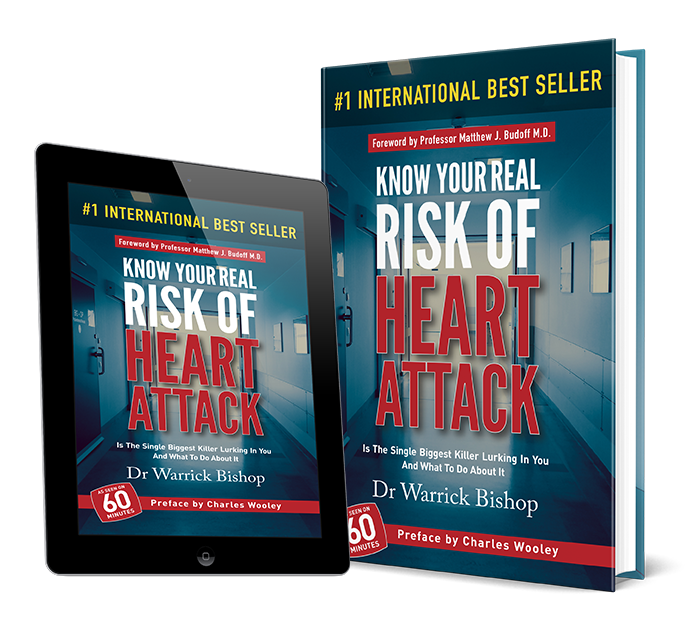
Welcome to my podcast. I am Doctor Warrick Bishop, and I want to help you to live as well as possible for as long as possible. I’m a practising cardiologist, best-selling author, keynote speaker, and the creator of The Healthy Heart Network. I have over 20 years as a specialist cardiologist and a private practice of over 10,000 patients. Podcast Summary Introduction Dr. Warrick Bishop is a practicing cardiologist and author from Australia dedicated to improving patient care through heart health education. In this episode, he discusses his three books—Atrial Fibrillation Explained, Know Your Real Risk of Heart Attack, and Have You Planned Your Heart Attack?—and shares his mission to help patients become better informed about their cardiovascular health. His passion for prevention was sparked by a pivotal moment when he failed to predict a heart attack in a patient he had seen 18 months prior. Key Takeaways: Atrial fibrillation is a common condition affecting nearly 20% of people over 80 and about 1% of the general population, often causing irregular heartbeats that can lead to stroke and serious complications. Current population-based risk assessment for heart attack is like "rolling the die and gambling," and modern technology can provide more precise, personalized risk evaluation. Dr. Bishop's career shift toward prevention was catalyzed when he resuscitated a patient on the roadside whom he had previously reassured about heart attack risk 18 months earlier. Not all doctors are aware of the latest prevention techniques and imaging technology because specialization means different cardiologists focus on different areas of practice. Advanced imaging technology from leading experts like Professor Matthew Budoff at UCLA can reveal coronary artery disease that traditional risk calculations miss. Education empowers patients to have informed conversations with their doctors about whether advanced testing and preventive measures are appropriate for their individual circumstances. A real-life example: Dr. Bishop identified severe coronary artery disease in a patient named John who sought care after witnessing another driver's heart attack, potentially saving his life. Early intervention and proper medication combined with surveillance plans can prevent life-threatening cardiac events in at-risk patients. Educated patients consistently receive better healthcare outcomes than those without adequate information about their condition. Prevention is the ultimate goal, as many heart attacks are avoidable tragedies that can be prevented with proper awareness and proactive medical care. Read more