Chronic stress can significantly impact heart health by increasing the risk of heart disease through mechanisms like elevated blood pressure, increased inflammation, irregular heart rhythms, and promoting unhealthy coping mechanisms like poor diet and lack of exercise, ultimately leading to a higher likelihood of heart attacks and strokes; even short-term stress can trigger adverse effects on the heart, especially in individuals with pre-existing heart conditions.
Welcome to the Younger Longer 28-Day Healthy Heart Challenge, a transformative podcast series designed to help you take control of your heart health and live a longer, healthier life. Over the next 28 days, we’ll guide you through a comprehensive journey covering key aspects of cardiovascular wellness—nutrition, exercise, stress management, medical awareness, and lifestyle choices.
Each daily episode is packed with expert insights from Dr. Warrick Bishop, best-selling author and cardiologist dedicated to preventing heart disease before it becomes a life-threatening issue. Using the latest science and practical strategies, this series empowers you to make heart-healthy choices and build habits that will support your well-being for years to come.
What You’ll Learn in the 28 Days:
✔ Understanding Your Heart – How it functions and why proactive care is essential.
✔ Heart-Healthy Nutrition – The best foods to fuel your cardiovascular system.
✔ Exercise & Movement – The role of physical activity in strengthening your heart.
✔ Stress & Mental Well-being – Managing stress and anxiety for a healthier heart.
✔ The Power of Sleep – How sleep quality impacts cardiovascular function.
✔ The Impact of Smoking & Alcohol – Making informed lifestyle changes.
✔ Supplements & Medical Insights – Understanding key nutrients and medical checkups.
✔ Advanced Heart Testing & Risk Factors – Going beyond traditional risk assessments.
✔ Sustaining Long-Term Heart Health Habits – Turning knowledge into action for lifelong benefits.
Why Listen?
- Get practical tips and science-backed advice you can apply immediately.
- Learn from real-world examples and medical expertise.
- Gain daily challenges to help you stay engaged and track progress.
- Take charge of your heart health in a simple, effective, and engaging way.
Your heart is your most vital organ, and the steps you take today will shape your future health. Whether you’re looking to prevent heart disease, manage risk factors, or simply improve your overall well-being, this 28-day challenge is your roadmap to a healthier, longer life.
Subscribe and start your journey today—because every heartbeat counts!
Transcript
Hi, and here we are at day four, talking about stress and anxiety. We all experience stress at some stage—it's a normal part of life. In small doses, short bursts of stress may not be so bad. A little bit of anxiety before an exam, for example, can help sharpen focus and put you in the right frame of mind. However, too much stress and anxiety can cause problems. If stress becomes prolonged, those "butterflies" in your stomach go from flying in formation to complete chaos, leading to serious health consequences.
When you're stressed, your body releases hormones like adrenaline and cortisol. These are fight-or-flight hormones, designed to prepare you for short-term, high-intensity situations. However, they are not meant to be active long-term. Chronic stress exposure can lead to high blood pressure, which increases the risk of atherosclerosis—the buildup of plaque in the arteries that can lead to coronary artery disease. Long-term stress also triggers inflammation, disrupts sleep, and can even cause irregular heartbeats.
To make matters worse, many people develop unhealthy coping mechanisms in response to stress. Some turn to smoking, drinking alcohol, or overeating, while others stop exercising altogether—even though exercise is one of the best ways to combat stress.
So, what can you do?
Recognizing when you’re stressed is the first step. Self-awareness is key. To manage stress, consider incorporating breathing exercises, meditation, yoga, or mindfulness into your routine. Regular exercise can be as effective as anti-anxiety medications and mild antidepressants. A healthy diet and good sleep hygiene are also critical for stress management.
If stress becomes overwhelming despite these efforts, seek help. Stress is a part of life, but learning how to manage it effectively gives you more control over your well-being.
Please check out the resources attached to today’s session—some of them may be incredibly valuable for you. For now, I’m going to sign off, and I look forward to seeing you on day five.
I wish you the very best—live well for as long as possible. Take care, and bye for now!
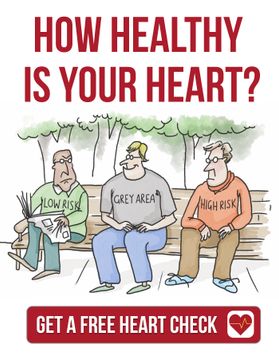
Are You at Risk of a Sudden Heart Attack? How Healthy is Your Heart? Really?
Heart disease is the #1 killer in the Western World. In Australia, someone dies every 28 minutes from heart disease. That’s 51 people a day. In the US, someone has a heart attack every 40 SECONDS! Fortunately, many heart attacks are preventable. However, regular exercise and eating healthy are no guarantee you won’t succumb to this silent killer.
- 94% of Australians have at least One Risk Factor for heart disease.
- 59% of Australians have been Touched by heart disease.
- Yet only 3% of Australians have had a Full Heart-Health Assessment in the past 12 months.
Do the free heart check today at www.virtualheartcheck.com.au
Join the Healthy Heart Network and become part of our growing community!
Do You Want to Improve Your Heart’s Health and Reduce Your Risk of Suffering a Heart Attack? Join The Healthy Heart Network For Only $5 Lifetime Access (Valued at over $55)!
The Healthy Heart Network is designed to help members:
- understand the present state of their heart’s health
- recognise their current level of risk of suffering a heart attack
- Learn the positive steps they can take to improve their situation
Visit https://healthyheartnetwork.com/ and click on the JOIN THE FAMILY BUTTON