Regular exercise reduces blood pressure, improves circulation, and strengthens the heart muscle. In fact, exercise impacts a myriad of body systems including skeletal-muscular system, endocrine and neurological systems and resultant issues such as Diabetes and mental health, in addition to the benefits associated with cardiovascular function.
Welcome to the Younger Longer 28-Day Healthy Heart Challenge, a transformative podcast series designed to help you take control of your heart health and live a longer, healthier life. Over the next 28 days, we’ll guide you through a comprehensive journey covering key aspects of cardiovascular wellness—nutrition, exercise, stress management, medical awareness, and lifestyle choices.
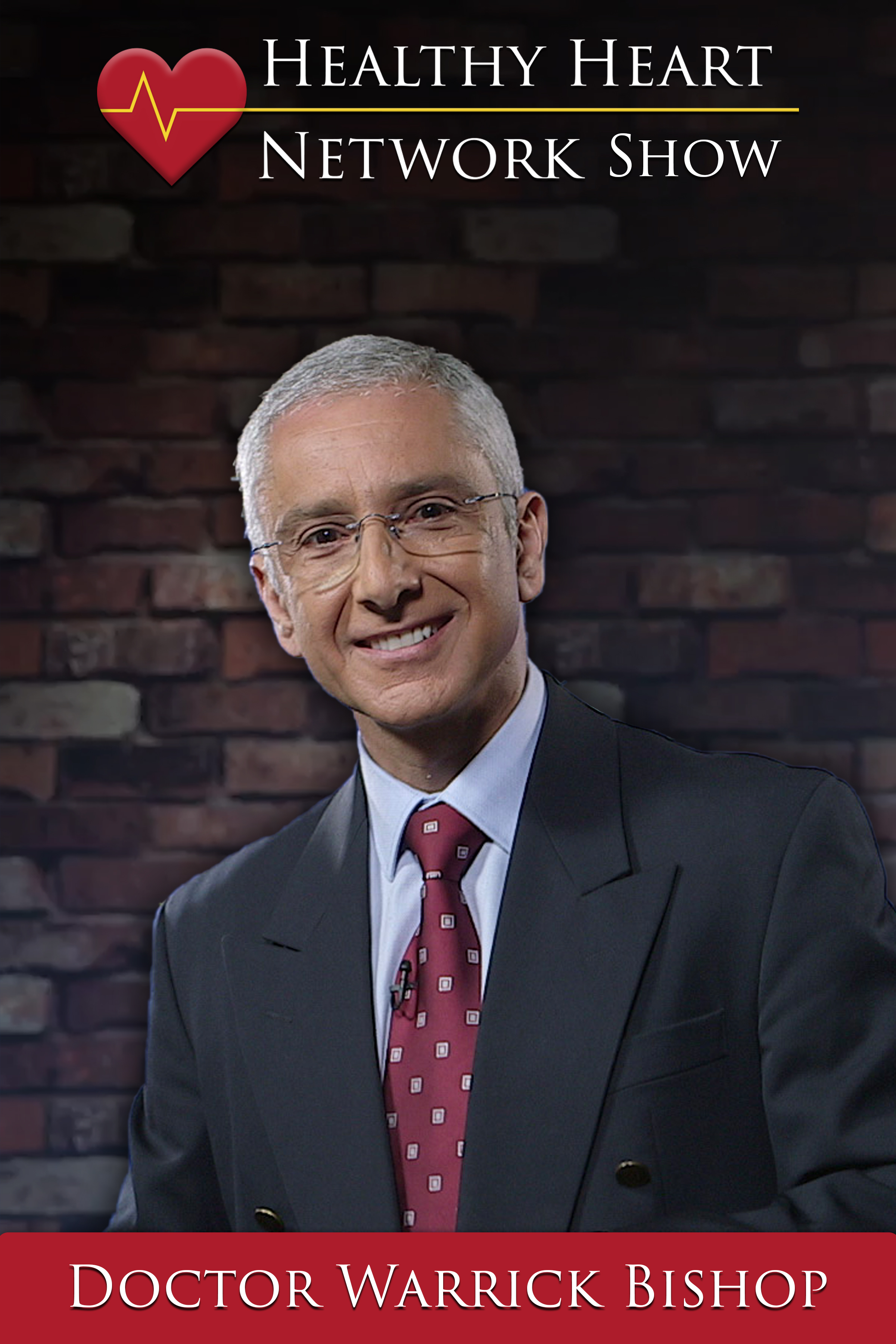
Each daily episode is packed with expert insights from Dr. Warrick Bishop, best-selling author and cardiologist dedicated to preventing heart disease before it becomes a life-threatening issue. Using the latest science and practical strategies, this series empowers you to make heart-healthy choices and build habits that will support your well-being for years to come.
What You’ll Learn in the 28 Days:
✔ Understanding Your Heart – How it functions and why proactive care is essential.
✔ Heart-Healthy Nutrition – The best foods to fuel your cardiovascular system.
✔ Exercise & Movement – The role of physical activity in strengthening your heart.
✔ Stress & Mental Well-being – Managing stress and anxiety for a healthier heart.
✔ The Power of Sleep – How sleep quality impacts cardiovascular function.
✔ The Impact of Smoking & Alcohol – Making informed lifestyle changes.
✔ Supplements & Medical Insights – Understanding key nutrients and medical checkups.
✔ Advanced Heart Testing & Risk Factors – Going beyond traditional risk assessments.
✔ Sustaining Long-Term Heart Health Habits – Turning knowledge into action for lifelong benefits.
Why Listen?
- Get practical tips and science-backed advice you can apply immediately.
- Learn from real-world examples and medical expertise.
- Gain daily challenges to help you stay engaged and track progress.
- Take charge of your heart health in a simple, effective, and engaging way.
Your heart is your most vital organ, and the steps you take today will shape your future health. Whether you’re looking to prevent heart disease, manage risk factors, or simply improve your overall well-being, this 28-day challenge is your roadmap to a healthier, longer life.
Subscribe and start your journey today—because every heartbeat counts!
Transcript
Hi, and welcome to day three! Today, we're talking exercise. You would have to have almost lived under a rock not to know that exercise provides significant benefits—not just for your heart but for your overall well-being.
When it comes to exercise, there are different types of activities we can do. Aerobic exercise, such as walking, swimming, or running, gets the heart rate up, improves circulation, and enhances oxygen delivery. This is a little different from strength training, which focuses on building muscle. So, which is more important? The truth is, you probably need both. What we do know is that regular exercise is incredibly beneficial. It can lower bad cholesterol, raise good cholesterol, and reduce triglycerides (the free fats in the body). It can also lower blood pressure, improve mental health, and help with weight control.
So, how much should you do? There’s really no upper limit unless taken to extremes, but any exercise is better than none. The general recommendation from major health organizations is 150 minutes of moderate exercise per week. If you prefer to do it in less time, 75 minutes of vigorous exercise is another option. That breaks down to about 30 minutes, five to six days a week, allowing for a rest day or two. If you're doing vigorous activity, 10 to 15 minutes, four to five times a week can be enough. You can break it up however you like—exercise is gold, and even small amounts make a difference.
Exercise changes insulin resistance, boosts metabolism, and provides benefits far beyond the time invested in it. Try to incorporate movement into your daily routine—take the stairs, and maybe even rush up them occasionally to get your heart rate up. The key is to find an activity you enjoy, because if you don’t enjoy it, you won’t stick with it. However, if you do, there’s every chance it will become a lifelong habit.
Check out the fantastic resources attached to today’s challenge for more ideas and inspiration. I look forward to seeing you tomorrow!
All the best, take care, and bye for now.
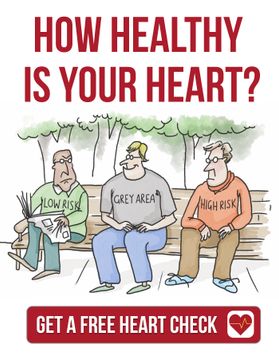
Are You at Risk of a Sudden Heart Attack? How Healthy is Your Heart? Really?
Heart disease is the #1 killer in the Western World. In Australia, someone dies every 28 minutes from heart disease. That’s 51 people a day. In the US, someone has a heart attack every 40 SECONDS! Fortunately, many heart attacks are preventable. However, regular exercise and eating healthy are no guarantee you won’t succumb to this silent killer.
- 94% of Australians have at least One Risk Factor for heart disease.
- 59% of Australians have been Touched by heart disease.
- Yet only 3% of Australians have had a Full Heart-Health Assessment in the past 12 months.
Do the free heart check today at www.virtualheartcheck.com.au
Join the Healthy Heart Network and become part of our growing community!
Do You Want to Improve Your Heart’s Health and Reduce Your Risk of Suffering a Heart Attack? Join The Healthy Heart Network For Only $5 Lifetime Access (Valued at over $55)!
The Healthy Heart Network is designed to help members:
- understand the present state of their heart’s health
- recognise their current level of risk of suffering a heart attack
- Learn the positive steps they can take to improve their situation
Visit https://healthyheartnetwork.com/ and click on the JOIN THE FAMILY BUTTON