A heart-healthy diet includes whole grains, lean proteins, healthy fats, and plenty of fruits and vegetables while minimizing processed foods and added sugars.
Welcome to the Younger Longer 28-Day Healthy Heart Challenge, a transformative podcast series designed to help you take control of your heart health and live a longer, healthier life. Over the next 28 days, we’ll guide you through a comprehensive journey covering key aspects of cardiovascular wellness—nutrition, exercise, stress management, medical awareness, and lifestyle choices.
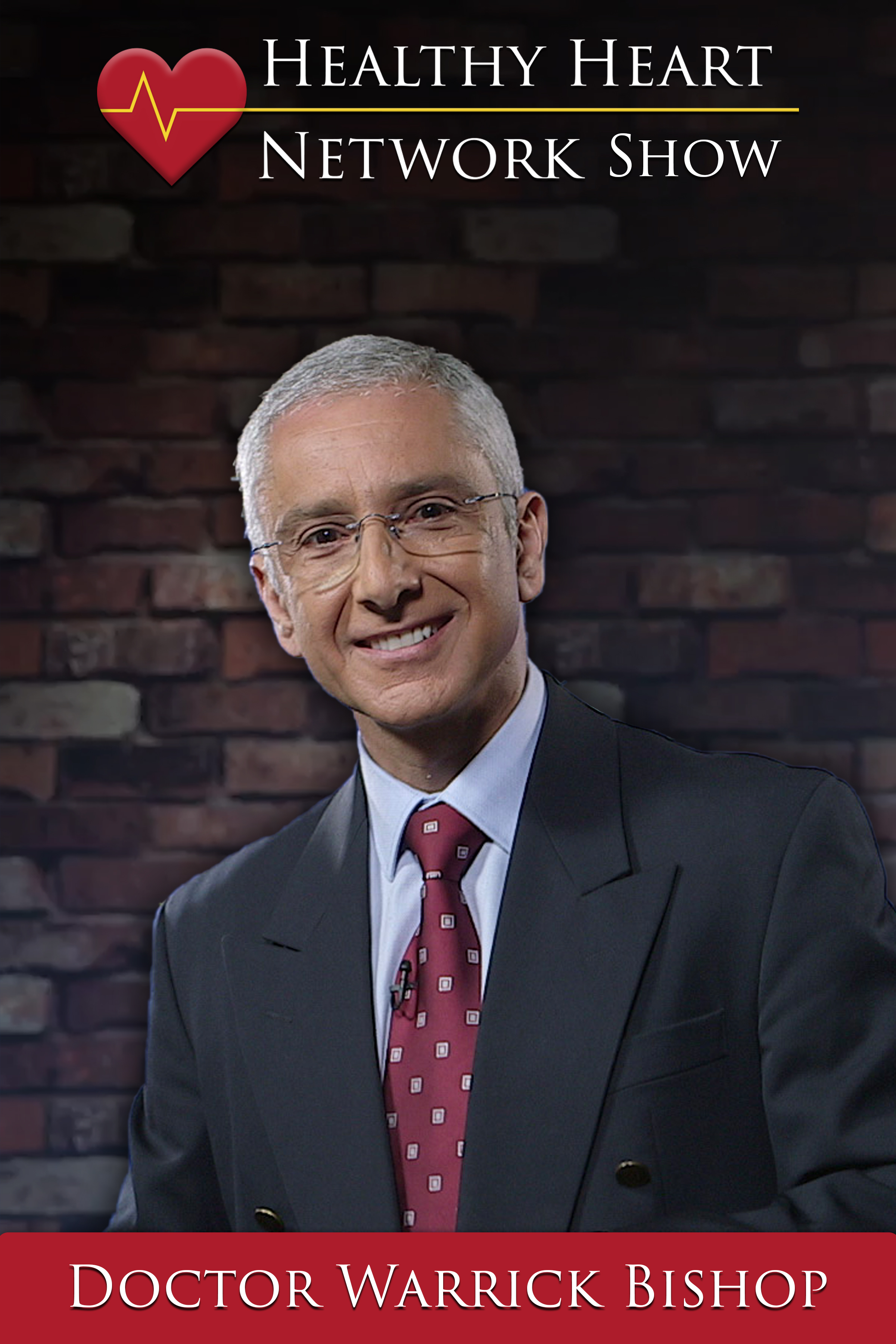
Each daily episode is packed with expert insights from Dr. Warrick Bishop, best-selling author and cardiologist dedicated to preventing heart disease before it becomes a life-threatening issue. Using the latest science and practical strategies, this series empowers you to make heart-healthy choices and build habits that will support your well-being for years to come.
What You’ll Learn in the 28 Days:
✔ Understanding Your Heart – How it functions and why proactive care is essential.
✔ Heart-Healthy Nutrition – The best foods to fuel your cardiovascular system.
✔ Exercise & Movement – The role of physical activity in strengthening your heart.
✔ Stress & Mental Well-being – Managing stress and anxiety for a healthier heart.
✔ The Power of Sleep – How sleep quality impacts cardiovascular function.
✔ The Impact of Smoking & Alcohol – Making informed lifestyle changes.
✔ Supplements & Medical Insights – Understanding key nutrients and medical checkups.
✔ Advanced Heart Testing & Risk Factors – Going beyond traditional risk assessments.
✔ Sustaining Long-Term Heart Health Habits – Turning knowledge into action for lifelong benefits.
Why Listen?
- Get practical tips and science-backed advice you can apply immediately.
- Learn from real-world examples and medical expertise.
- Gain daily challenges to help you stay engaged and track progress.
- Take charge of your heart health in a simple, effective, and engaging way.
Your heart is your most vital organ, and the steps you take today will shape your future health. Whether you’re looking to prevent heart disease, manage risk factors, or simply improve your overall well-being, this 28-day challenge is your roadmap to a healthier, longer life.
Subscribe and start your journey today—because every heartbeat counts!
Transcript
Hi, and welcome to day two! Today, we're talking about nutrition. You're probably aware that diet is a huge component of heart health because it has significant impacts. Good nutrition and sensible eating can alter your cholesterol—not by a lot, but a little. While eating cholesterol itself doesn’t have a huge impact on your measured blood cholesterol, consuming saturated fats will tend to push those levels up.
Certain foods can also increase your blood pressure and contribute to inflammation. One of the most interesting things we're beginning to observe is that when thinking about your diet, it's not just about how it affects your body directly, but also how it impacts your microbiome. Damage to the microbiome can harm the cells that line the gut, which in turn affects the junctions between those cells. This can lead to leaky gut and other related consequences.
So, what is key to a heart-healthy diet? Protecting your microbiome is crucial, and you can do this by including good grains and fiber in your diet. Healthy oils like olive oil, avocado, nuts, and seeds are also beneficial. Lean proteins help reduce saturated fat intake, which is another important factor for heart health.
What are some practical tips for everyday meals? Try swapping out white processed bread for something with more fiber. If possible, choose brown rice over white rice. Opt for unsalted nuts instead of chips, and use olive oil instead of butter. Cutting back on sugary drinks is also a great step. Vegetables are essential, not just for their nutrients but also for their fiber content. Remember, small changes made consistently over time can have a significant impact on your heart health.
Check out the resources attached to this day for more hints, tips, and guides. But most importantly, make a decision to prioritize your diet. We can’t be perfect all the time, but let’s try to be as kind to our hearts as often as possible.
Take care, and I look forward to seeing you tomorrow!
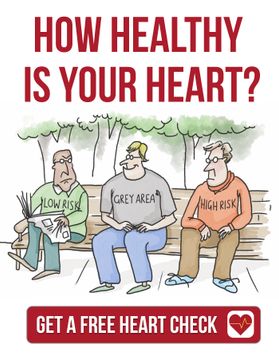
Are You at Risk of a Sudden Heart Attack? How Healthy is Your Heart? Really?
Heart disease is the #1 killer in the Western World. In Australia, someone dies every 28 minutes from heart disease. That’s 51 people a day. In the US, someone has a heart attack every 40 SECONDS! Fortunately, many heart attacks are preventable. However, regular exercise and eating healthy are no guarantee you won’t succumb to this silent killer.
- 94% of Australians have at least One Risk Factor for heart disease.
- 59% of Australians have been Touched by heart disease.
- Yet only 3% of Australians have had a Full Heart-Health Assessment in the past 12 months.
Do the free heart check today at www.virtualheartcheck.com.au
Join the Healthy Heart Network and become part of our growing community!
Do You Want to Improve Your Heart’s Health and Reduce Your Risk of Suffering a Heart Attack? Join The Healthy Heart Network For Only $5 Lifetime Access (Valued at over $55)!
The Healthy Heart Network is designed to help members:
- understand the present state of their heart’s health
- recognise their current level of risk of suffering a heart attack
- Learn the positive steps they can take to improve their situation
Visit https://healthyheartnetwork.com/ and click on the JOIN THE FAMILY BUTTON