Meditation and mindfulness lower stress levels and reduce blood pressure, promoting cardiovascular wellness.
Welcome to the Younger Longer 28-Day Healthy Heart Challenge, a transformative podcast series designed to help you take control of your heart health and live a longer, healthier life. Over the next 28 days, we’ll guide you through a comprehensive journey covering key aspects of cardiovascular wellness—nutrition, exercise, stress management, medical awareness, and lifestyle choices.
Each daily episode is packed with expert insights from Dr. Warrick Bishop, best-selling author and cardiologist dedicated to preventing heart disease before it becomes a life-threatening issue. Using the latest science and practical strategies, this series empowers you to make heart-healthy choices and build habits that will support your well-being for years to come.
What You’ll Learn in the 28 Days:
✔ Understanding Your Heart – How it functions and why proactive care is essential.
✔ Heart-Healthy Nutrition – The best foods to fuel your cardiovascular system.
✔ Exercise & Movement – The role of physical activity in strengthening your heart.
✔ Stress & Mental Well-being – Managing stress and anxiety for a healthier heart.
✔ The Power of Sleep – How sleep quality impacts cardiovascular function.
✔ The Impact of Smoking & Alcohol – Making informed lifestyle changes.
✔ Supplements & Medical Insights – Understanding key nutrients and medical checkups.
✔ Advanced Heart Testing & Risk Factors – Going beyond traditional risk assessments.
✔ Sustaining Long-Term Heart Health Habits – Turning knowledge into action for lifelong benefits.
Why Listen?
- Get practical tips and science-backed advice you can apply immediately.
- Learn from real-world examples and medical expertise.
- Gain daily challenges to help you stay engaged and track progress.
- Take charge of your heart health in a simple, effective, and engaging way.
Your heart is your most vital organ, and the steps you take today will shape your future health. Whether you’re looking to prevent heart disease, manage risk factors, or simply improve your overall well-being, this 28-day challenge is your roadmap to a healthier, longer life.
Subscribe and start your journey today—because every heartbeat counts!
Transcript
Hi, and welcome to day five, where we're talking about the benefits of mindfulness and meditation.
A couple of years ago, I had the privilege of looking after a patient—we’ll call him John for ease of reference. On this occasion, I was following up on his blood pressure. I had him wear a 24-hour blood pressure monitor, a small device attached to a cuff that automatically took readings. The device measured his blood pressure every 30 minutes from 7 AM to 10 PM and then hourly overnight, giving us a detailed profile of his blood pressure throughout the day.
When I reviewed John's results, something striking stood out. At around 7:30 AM, his blood pressure spiked, and then later in the day, around 5:30 or 6 PM, it noticeably dropped. Importantly, his blood pressure was perfect while he was asleep. So, I showed him the graph and asked, “John, what happens at 7:30 AM and 5:30 PM?”
His response was immediate: “I arrive at work at 7:30, and I leave at 5:30.” It was clear—his blood pressure rose as he started work and dropped as he left.
I then asked him, “Are you aware of any tension in your body while you’re at work? Do you feel like your blood pressure is up?” He admitted that he did, particularly when interacting with his staff—he owned the business, and giving instructions often made him feel tense.
I encouraged him to practice mindfulness during his work interactions. Holding onto tension and stress wasn’t improving outcomes at work, and he already knew that. However, it was harming his health. I asked him to become more aware of how his body felt while speaking to his employees—was he holding tension in his chest, his shoulders, or anywhere else? Was he feeling that same rise in blood pressure?
We repeated the 24-hour blood pressure monitor about three to six months later. The results were remarkable. By practicing focused mindfulness, John was able to significantly change his blood pressure responses. Not only was his nighttime blood pressure good, but now his daytime readings had also improved, even while he was at work.
This shows just how important mindfulness is. Prolonged stress doesn’t just disappear—it accumulates over time and can have serious health consequences. Take a moment to consider: Are you holding onto more tension than necessary? Are there certain situations that are winding you up more than they should?
Check out the resources attached to today’s session. They are incredibly valuable and can help you on your journey to better heart health.
Until tomorrow, take care. Wishing you the very best—bye for now.
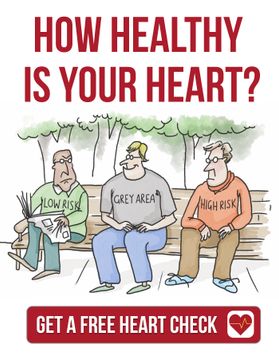
Are You at Risk of a Sudden Heart Attack? How Healthy is Your Heart? Really?
Heart disease is the #1 killer in the Western World. In Australia, someone dies every 28 minutes from heart disease. That’s 51 people a day. In the US, someone has a heart attack every 40 SECONDS! Fortunately, many heart attacks are preventable. However, regular exercise and eating healthy are no guarantee you won’t succumb to this silent killer.
- 94% of Australians have at least One Risk Factor for heart disease.
- 59% of Australians have been Touched by heart disease.
- Yet only 3% of Australians have had a Full Heart-Health Assessment in the past 12 months.
Do the free heart check today at www.virtualheartcheck.com.au
Join the Healthy Heart Network and become part of our growing community!
Do You Want to Improve Your Heart’s Health and Reduce Your Risk of Suffering a Heart Attack? Join The Healthy Heart Network For Only $5 Lifetime Access (Valued at over $55)!
The Healthy Heart Network is designed to help members:
- understand the present state of their heart’s health
- recognise their current level of risk of suffering a heart attack
- Learn the positive steps they can take to improve their situation
Visit https://healthyheartnetwork.com/ and click on the JOIN THE FAMILY BUTTON