Heart Attacks are Preventable!

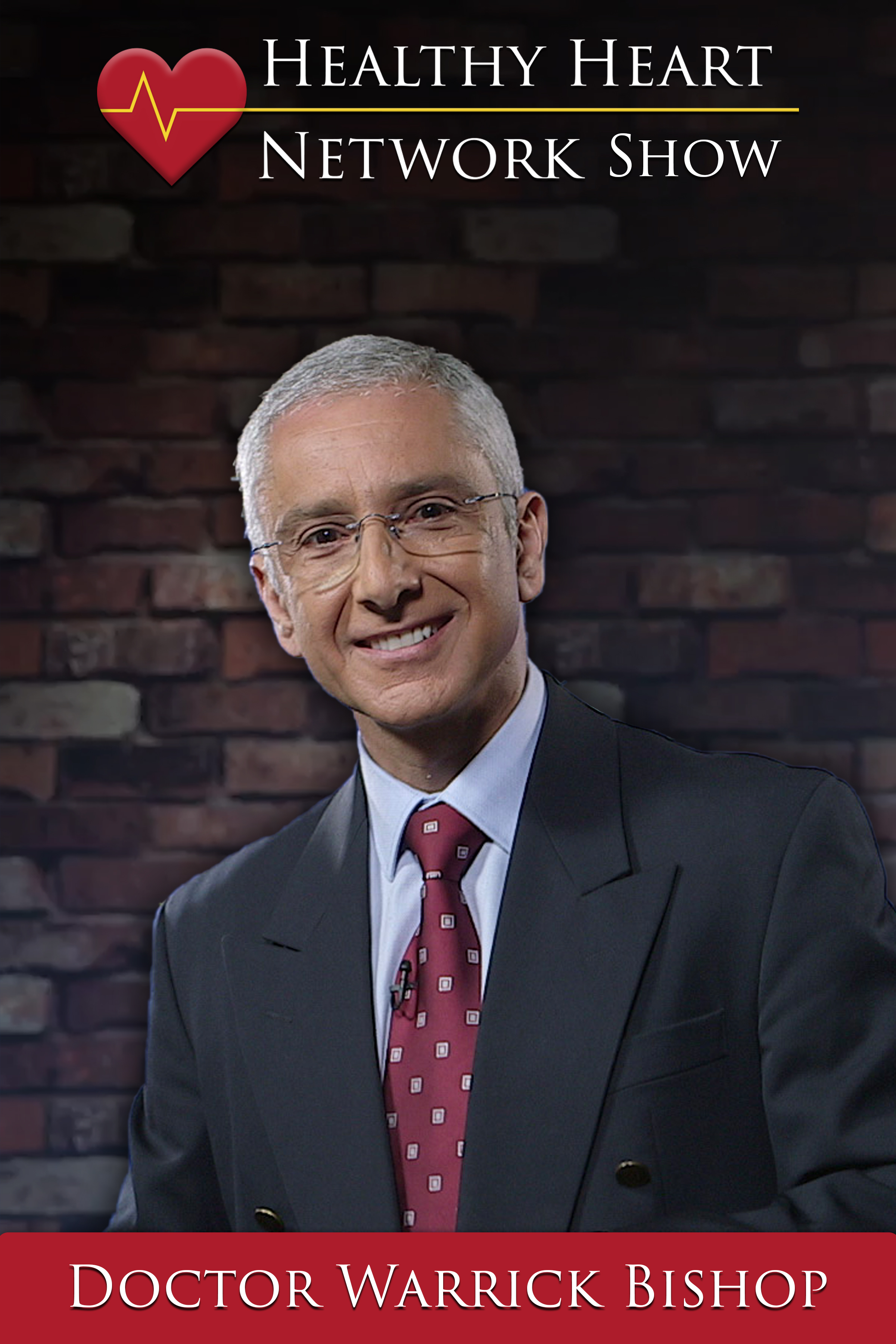
Welcome to my podcast, I am Doctor Warrick Bishop, and I want to help you to live as well as possible for as long as possible. I’m a practising cardiologist, best-selling author, keynote speaker, and the creator of The Healthy Heart Network. I have over 20 years as a specialist cardiologist, a private practice of over 10,000 patients.

Australia, like the rest of the western world, has a heart problem.

Over 9 million people around the world die from heart disease every year.

Every 10 minutes, someone in Australia suffers a heart attack. And 21 lives are lost daily because of it.

The devastating fact in all this is… 

Almost every one of those cases could have been prevented. 

This podcast is for anyone who wants to improve their health literacy and gain information to help them make the best decisions about their risk of heart attack, their cholesterol, blood pressure, risk of diabetes, weight loss and general health. Join me on my personal mission journey to prevent Heart Attack on a global scale. If you like this podcast I would be honoured with a 5-star review and let your friends and family know, you may even save the life of someone you love!

Episodes

EP308: Myocardial Bridging—a Bridge Too Far

Welcome to my podcast. I am Doctor Warrick Bishop, and I want to help you to live as well as possible for as long as possible. I’m a practising cardiologist, best-selling author, keynote speaker, and the creator of The Healthy Heart Network. I have over 20 years as a specialist cardiologist and a private practice of over 10,000 patients. Podcast Summary Introduction Dr. Warrick Bishop, a cardiologist, author, and CEO of the Healthy Heart Network, hosts this episode to share insights from the Cardiac Society of Australia and New Zealand meeting held in Adelaide in August 2023. The episode focuses on helping people understand cardiovascular health conditions and prevention, with this particular installment exploring the lesser-known condition of myocardial bridges and its clinical significance. Key Takeaways: Myocardial bridges occur in up to 20% of the population, where coronary arteries run through the heart muscle rather than over its surface as is typical. Blood flow in coronary arteries occurs primarily during the diastolic (relaxation) phase of the cardiac cycle, as the high pressures during systole (contraction) prevent adequate blood flow. In rare cases, myocardial bridges can cause angina-like symptoms by compressing arteries significantly enough to restrict blood flow during both systole and parts of diastole. Myocardial bridging is one cause of MINOCA (Myocardial Ischemia with Non-Obstructive Coronary Arteries), a condition diagnosed when patients exhibit angina symptoms despite no visible coronary artery blockages. MINOCA can present in patients as young as 10 years old and as old as 70, making it a condition across a wide age range. CT coronary angiography and intravascular ultrasound are effective diagnostic tools; compression greater than 10% on intravascular ultrasound indicates the myocardial bridge is likely causing symptoms. Surgical de-roofing procedures, which remove the overlying muscle to free the artery, are the definitive treatment for symptomatic myocardial bridges. Stent placement is ineffective for myocardial bridges, and coronary artery bypass grafting is not necessary for this condition. Standard angina medications such as beta-blockers, calcium channel blockers, and nitrates can provide symptom relief for patients with myocardial bridges. Dr. Bishop's previous belief that myocardial bridges were clinically insignificant was challenged by this presentation, highlighting the importance of continued medical education and updated understanding of cardiac conditions. Read more

EP307: Long QT, Blood Pressure and Pregnancy

Welcome to my podcast. I am Doctor Warrick Bishop, and I want to help you to live as well as possible for as long as possible. I’m a practising cardiologist, best-selling author, keynote speaker, and the creator of The Healthy Heart Network. I have over 20 years as a specialist cardiologist and a private practice of over 10,000 patients. Podcast Summary Introduction Dr. Warrick Bishop, a cardiologist, author, and CEO of the Healthy Heart Network, hosts this episode to share key learnings from the Cardiac Society Australia New Zealand annual scientific meeting held in Adelaide in August 2023. The episode covers three important cardiac topics: long QT syndrome, blood pressure management, and cardiac considerations during pregnancy, all aimed at helping Australians reduce their risk of heart disease. Key Takeaways: Long QT syndrome is a cardiac electrical condition where the QT interval (measured on an ECG between the Q wave and T wave) becomes prolonged, increasing the risk of sudden cardiac arrhythmia and sudden cardiac death, particularly in families with a history of the condition. Modern ECG machines can automatically detect prolonged QT intervals and adjust calculations for heart rate, making screening relatively simple and accessible for identifying at-risk patients. Stress testing and monitoring QT interval changes during recovery periods provide valuable insights into QT behavior, as the interval can fluctuate throughout the day and in response to life circumstances. Only 5% of home blood pressure machines in Australia are validated against a standard, raising serious questions about the reliability of many home blood pressure measurements used by patients. Only 32% (one-third) of Australian patients with high blood pressure have their condition adequately controlled, leaving 60% at increased risk of stroke, heart attack, atrial fibrillation, heart failure, kidney disease, and dementia. 24-hour ambulatory blood pressure monitoring is considered the gold standard for evaluating blood pressure control and understanding patterns like nighttime changes, stress-related spikes, and medication response. Mechanical heart valves in pregnant patients create complex management challenges because warfarin (the required anticoagulant) can cause fetal deformities, necessitating careful switching to low molecular weight heparin with anti-10A level monitoring. Pregnant women with cardiac conditions require coordinated care between cardiologists and obstetricians before conception to ensure the safest possible journey for both mother and baby. Read more

EP306: Inflammation, White Cells, Stroke and Salt

Welcome to my podcast. I am Doctor Warrick Bishop, and I want to help you to live as well as possible for as long as possible. I’m a practising cardiologist, best-selling author, keynote speaker, and the creator of The Healthy Heart Network. I have over 20 years as a specialist cardiologist and a private practice of over 10,000 patients. Podcast Episode Summary Introduction Dr. Warrick Bishop is a cardiologist, author, keynote speaker, and CEO of the Healthy Heart Network dedicated to helping people live well for as long as possible. In this episode, Dr. Bishop shares insights from the Cardiac Society Australia New Zealand conference held in Adelaide in August, focusing on the relationship between inflammation and cardiovascular health, with emphasis on emerging research about how inflammation affects blood pressure and overall cardiac outcomes. Key Takeaways: White blood cells (lymphocytes and polymorphs) are found in artery walls of people with high blood pressure, suggesting a bidirectional relationship between inflammation and hypertension that researchers are still working to fully understand. High sensitivity C-reactive protein (HSCRP) levels directly correlate with blood pressure, with individuals in the highest inflammation quartile showing significantly higher blood pressure than those in the lowest quartile. Periodontitis (gum disease) is an easily measurable marker of inflammation, and intensive periodontal therapy can reduce blood pressure by 5-10 millimeters of mercury—equivalent to many blood pressure medications. Maintaining good oral hygiene and dental health is a practical, non-pharmaceutical intervention for managing blood pressure through inflammation reduction. Strokes can trigger autonomic nervous system changes that alter gut function, leading to dysbiosis and increased gut permeability, which allows bacteria to enter the bloodstream and causes serious infections within 24-48 hours post-stroke. High salt intake directly damages the gut microbiome before blood pressure increases, allowing inflammatory proteins (lipopolysaccharides) to leak through the intestinal lining and trigger systemic inflammation. Consuming adequate fiber can protect the gut lining integrity and mitigate some adverse effects of excessive salt intake on the cardiovascular system. Maintaining proper hydration helps counteract the negative effects of high salt consumption on the microbiome and vascular health. Read more

EP305: Syncope CSANZ 2023

Welcome to my podcast. I am Doctor Warrick Bishop, and I want to help you to live as well as possible for as long as possible. I’m a practising cardiologist, best-selling author, keynote speaker, and the creator of The Healthy Heart Network. I have over 20 years as a specialist cardiologist and a private practice of over 10,000 patients. Podcast Summary Introduction Dr. Warrick Bishop, a cardiologist, author, and CEO of the Healthy Heart Network, hosts this episode to educate listeners about cardiovascular health and disease prevention. In this episode, he shares insights from a Cardiac Society of Australia and New Zealand scientific meeting, specifically focusing on a session about syncope (blackouts) and how to differentiate between cardiac-related, neurological, and other causes of loss of consciousness. Key Takeaways: Syncope refers to a temporary loss of consciousness and can have various causes, including cardiac issues, epileptic seizures, or rare conditions like brain bleeds or psychogenic episodes. Cardiac syncope may occur during physical exertion (suggesting valve narrowing) or at rest (suggesting arrhythmia), and typically presents with sudden onset and little to no warning. Orthostatic hypotension is a type of syncope triggered by standing up from a seated or lying position, often related to autonomic nervous system breakdown and exacerbated by prolonged standing, recent meals, or exercise. Vasovagal or reflex syncope occurs when the parasympathetic nervous system is over-triggered by emotional stress, unpleasant sights, smells, prolonged standing, or crowded environments, often with warning symptoms like feeling hot or nauseous. Epileptic seizures typically involve jerking movements (myoclonus) that begin at the onset of loss of consciousness, whereas syncope-related jerking occurs after consciousness is lost due to oxygen deprivation. Lateral tongue biting is more indicative of epilepsy, while tip-of-tongue biting or injury may result from cardiac syncope patients falling face-first and being injured. A detailed history is crucial for diagnosis, as patients often cannot recall events due to amnesia; information from witnesses or family members present during the episode is invaluable. Post-seizure confusion, incontinence, and fatigue are more commonly associated with epilepsy rather than cardiac syncope. Family history of sudden cardiac death and presence of structural heart disease increase the likelihood of cardiac causes of syncope. Accurate differentiation between syncope types requires careful consideration of prodromal symptoms, triggers, physical presentation, and circumstances surrounding the episode. Read more

EP304: Grip Strength and Chocolate Follow-up

Welcome to my podcast. I am Doctor Warrick Bishop, and I want to help you to live as well as possible for as long as possible. I’m a practising cardiologist, best-selling author, keynote speaker, and the creator of The Healthy Heart Network. I have over 20 years as a specialist cardiologist and a private practice of over 10,000 patients. Podcast Summary Introduction Dr. Warrick Bishop, a cardiologist, author, and CEO of the Healthy Heart Network, hosts this episode dedicated to helping Australians understand and prevent heart disease. The episode focuses on grip strength as an underappreciated vital sign that can predict serious health conditions and mortality risk, with a bonus discussion on heavy metals in chocolate and bone health. Key Takeaways: Grip strength is a significant predictor of overall health and can indicate risk for type 2 diabetes, heart disease, cancer, dementia, Alzheimer's disease, depression, and osteoporosis. Swedish Army data tracking hundreds of thousands of conscripts found that men with the weakest grip strength in their late teens were 20% more likely to die by their mid-50s compared to those with moderate or strong grip. Suicide rates were 25% higher in individuals with the weakest grip strength, suggesting a link between grip strength and mental health outcomes. Grip strength reflects overall body strength and fitness level rather than just hand and forearm strength, making it a valuable health indicator. Simply squeezing a tennis ball is ineffective for meaningful improvement; grip strength only improves accurately when combined with full-body exercise like weight training or even Tai Chi. Having grip strength tested and compared to age-matched peers provides important context for assessing health risk and identifying areas needing improvement. Chocolate contains beneficial flavonoids with antioxidant properties and may reduce depression by 70%, but also contains oxalates that inhibit calcium absorption and heavy metals like lead and cadmium. Raw cacao contains four times more antioxidants than dark chocolate and may be a preferable alternative for health-conscious consumers. Consumers should research chocolate manufacturers for heavy metal contamination and select products from reliable suppliers. Read more

EP303: Take Homes From ESC August 2023

Welcome to my podcast. I am Doctor Warrick Bishop, and I want to help you to live as well as possible for as long as possible. I’m a practising cardiologist, best-selling author, keynote speaker, and the creator of The Healthy Heart Network. I have over 20 years as a specialist cardiologist and a private practice of over 10,000 patients. Podcast Episode Summary Introduction Dr. Warrick Bishop, a cardiologist, author, and CEO of the Healthy Heart Network, hosts this episode to educate listeners about cardiovascular health and disease prevention. In this episode, Dr. Bishop shares five major highlights from the European Society of Cardiology Congress held in Amsterdam in August, presenting recent research findings that are changing clinical practice in cardiology. The episode emphasizes how understanding these advances can help patients live healthier lives and potentially prevent heart disease. Key Takeaways: Complete revascularization during acute coronary syndrome intervention in older patients (average age 80) reduces death, further heart attacks, stroke, and future revascularization procedures, not just treating the primary culprit artery. A large trial showed iron infusion therapy (ferric carboxymaltose) did not benefit heart failure patients with reduced ejection fraction, contradicting previous evidence, though further research is needed before changing current practice. Atrial fibrillation ablation is more effective in end-stage heart failure patients, highlighting the importance of maintaining normal sinus rhythm rather than atrial fibrillation in cardiac patients. New ESC cardiomyopathy guidelines, led by Australian researchers, emphasize a multidisciplinary approach integrating cardiologists, geneticists, genetic counselors, pathologists, and general practitioners to manage genetic heart disease. GLP-1 receptor agonists (such as Ozempic and Wegovy) significantly benefit obese patients with heart failure with preserved ejection fraction, producing 10-15% weight loss and improving functional capacity like six-minute walking distance. Weight loss in heart failure patients with preserved ejection fraction improves symptoms and quality of life regardless of underlying cardiac issues, making weight management a critical intervention. Genetic testing and screening advances are allowing better identification of individuals with genetic predisposition to cardiac disease and enabling family screening. Read more

EP302: Discussing Low Carb and Keto and CAD with Doctor Kostner and Doctor Sangster

Welcome to my podcast. I am Doctor Warrick Bishop, and I want to help you to live as well as possible for as long as possible. I’m a practising cardiologist, best-selling author, keynote speaker, and the creator of The Healthy Heart Network. I have over 20 years as a specialist cardiologist and a private practice of over 10,000 patients. Podcast Summary Introduction: Dr. Warrick Bishop, a cardiologist and CEO of the Healthy Heart Network, hosts this episode discussing low-carbohydrate and ketogenic diets with guests Dr. Tony Sangster (a type 1 diabetic for 56 years) and Dr. Karim Kostner (a lipid specialist). The episode explores how reduced-carbohydrate diets affect blood sugar control, cardiovascular health, cholesterol levels, and saturated fat intake. Key Takeaways: Tony Sangster achieved remarkable blood sugar control on a low-carbohydrate diet, reducing his HbA1c from above 7 to below 5.5 (non-diabetic range) without experiencing dangerous low blood sugar episodes. Low-carbohydrate diets work by reducing sugar intake since carbohydrates are chemical structures that break down into sugar, directly lowering blood glucose levels in the body. Ketogenic diets trigger ketosis, where the body switches from burning glucose to burning fat for energy, producing ketones as an alternative fuel source with potential anti-inflammatory benefits. Some people on ketogenic diets experience significant increases in LDL cholesterol (up to 10-15 millimoles per liter), particularly those with genetic predispositions to absorb dietary cholesterol differently. Short-term LDL cholesterol increases are not immediately harmful, but long-term effects in people with sustained elevated levels remain understudied and potentially concerning for cardiovascular risk. Low-carbohydrate diets provide metabolic benefits including improved weight control, reduced inflammation, better insulin resistance, and improved blood pressure control. The approach to diet should differ based on individual risk factors: patients with diabetes or existing coronary disease require LDL-lowering medication alongside dietary modifications, while healthy individuals without disease may not need immediate pharmaceutical intervention. Statins are well-tolerated by 95% of patients and are recommended for those with diabetes or coronary disease, though some individuals (like Tony) experience significant side effects requiring alternative approaches. The distinction between saturated fat intake and LDL cholesterol is important, as saturated fat can increase LDL levels through specific metabolic mechanisms. Long-term longitudinal studies are needed to determine whether the benefits of reduced-carbohydrate diets outweigh potential cardiovascular risks from sustained elevated LDL cholesterol in vulnerable populations. Read more

EP301: Discussing Bad cholesterol and CAD Dr Kostner and Dr Sangster

Welcome to my podcast. I am Doctor Warrick Bishop, and I want to help you to live as well as possible for as long as possible. I’m a practising cardiologist, best-selling author, keynote speaker, and the creator of The Healthy Heart Network. I have over 20 years as a specialist cardiologist and a private practice of over 10,000 patients. Podcast Episode Summary Dr. Warrick Bishop, a cardiologist and CEO of the Healthy Heart Network, hosts this episode featuring Dr. Karam Kostner (joining from Austria) and Dr. Tony Sangster (from Adelaide). The discussion focuses on the complex relationship between LDL cholesterol and coronary artery disease, exploring why cholesterol levels alone don't accurately predict heart disease risk and examining the nuances of different cholesterol particle types. Key Takeaways: High LDL cholesterol is recognized by cardiologists as a main driver of coronary plaque formation, though not everyone with high LDL develops coronary artery disease. Not all LDL cholesterol particles are equal; Ronald Krauss's research identified different particle sizes (large fluffy "A pattern" versus small dense "B pattern"), with small dense particles showing much greater correlation with heart disease. Cholesterol levels alone are poor predictors of who will develop heart disease—people with high cholesterol can have healthy arteries and vice versa, making prediction challenging without additional assessment. For people with established coronary disease (previous heart attacks, strokes, or bypass surgery), over 25 years of robust research confirms that lowering cholesterol significantly reduces future cardiac risk. Imaging the arteries (coronary calcium scores or carotid artery imaging) provides better individual assessment of cholesterol's actual impact on arterial health than blood tests alone. The triglyceride-to-HDL ratio is a useful marker: ratios below 1.5 indicate predominantly favorable large LDL particles, while elevated triglycerides correlate with problematic small dense particles. Even large, favorable LDL particles can contribute to plaque formation if present in excessive quantities, as particle size difference alone doesn't completely eliminate risk. High triglycerides in diabetic patients increase risk of microvascular complications affecting small blood vessels in organs like the eyes, kidneys, and extremities. Low-carbohydrate diets may naturally reduce triglyceride levels and improve the LDL particle profile, offering a potential dietary approach to managing these risk factors. Read more

EP300: Dangers of Obstructive Sleep Apnoea

Welcome to my podcast. I am Doctor Warrick Bishop, and I want to help you to live as well as possible for as long as possible. I’m a practising cardiologist, best-selling author, keynote speaker, and the creator of The Healthy Heart Network. I have over 20 years as a specialist cardiologist and a private practice of over 10,000 patients. Podcast Episode Summary Introduction: Dr. Rick Bishop, a cardiologist, author, and CEO of the Healthy Heart Network, hosts this episode dedicated to obstructive sleep apnea (OSA) at the request of a listener. The episode explores this common condition affecting approximately 20 million adults in the United States, explaining its causes, symptoms, diagnosis, and treatment options to help listeners understand and address this potentially serious health issue. Key Takeaways: Obstructive sleep apnea occurs when throat muscles relax during sleep, causing partial or complete airway blockage, and affects tens to hundreds of thousands of Australians. Major risk factors include obesity, age, family history, and male sex, though postmenopausal women experience increased incidence as they age. Common symptoms include loud snoring, choking, gasping, and most significantly, excessive daytime sleepiness, which poses serious safety risks for activities like driving. A polysomnograph sleep test is the gold standard for diagnosis, measuring heart rate, respiratory rate, and oxygen saturation to classify severity as mild (5-15 apneic episodes), moderate (15-30), or severe (>30 per night). Untreated obstructive sleep apnea significantly increases risks of high blood pressure, heart disease, stroke, type 2 diabetes, and increases cardiovascular death risk by five times. Initial treatment focuses on lifestyle modifications including weight loss, sleeping on your side rather than your back, and avoiding alcohol before bedtime. CPAP (Continuous Positive Airway Pressure) therapy is the primary treatment, capable of reducing daytime sleepiness by up to 70% when used consistently. Proper machine fit and comfort are critical for long-term CPAP compliance, as poorly fitting devices lead to abandonment of therapy. Anyone experiencing symptoms or whose partner reports breathing pauses during sleep should seek evaluation, particularly if experiencing daytime somnolence and concentration difficulties. Read more

EP299: CSANZ 23 - Athletes and SCA

Welcome to my podcast. I am Doctor Warrick Bishop, and I want to help you to live as well as possible for as long as possible. I’m a practising cardiologist, best-selling author, keynote speaker, and the creator of The Healthy Heart Network. I have over 20 years as a specialist cardiologist and a private practice of over 10,000 patients. Podcast Summary Introduction Dr. Warrick Bishop, a cardiologist, author, and CEO of the Healthy Heart Network, hosts this episode to help people understand cardiovascular health and disease prevention. In this episode, Dr. Bishop synthesizes presentations from the 2023 Cardiac Society conference in Adelaide, covering sports cardiology and arrhythmia management, featuring insights from leading cardiologists including Adrian Elliott, André Laguerche, Chris Samsarian, and Liz Peretz. Key Takeaways: Endurance athletes, particularly men, face an increased risk of atrial fibrillation despite being highly fit, likely due to structural remodeling of the atria and changes in vagal tone from intense training. Athletes with atrial fibrillation respond well to pulmonary vein ablation, the same treatment used for non-athletic populations, though the increased stroke risk in athletes remains theoretically concerning despite lack of supporting studies. Endurance athletes show increased coronary artery calcium scores, which may result from wear and tear on arterial walls rather than dangerous plaque development, and the calcified plaques formed are typically more stable and less likely to cause heart attacks. Genetic testing is crucial for identifying cardiac disease in athletes, covering conditions like cardiomyopathy, arrhythmias, metabolic disorders, and congenital issues, but must follow key principles: establishing correct clinical phenotype, providing pre-test genetic counseling, and involving genetic cardiology experts. Sudden cardiac death in young people (under 35 years) is most commonly caused by coronary artery disease, not coronary artery anomalies as previously believed, challenging historical assumptions based on newer autopsy data. Drug toxicity is the second leading cause of sudden cardiac death in young people, highlighting the critical importance of improving society's use and understanding of drugs. Familial hypercholesterolemia is a significant risk factor for sudden cardiac death in young people and requires aggressive identification through family tracing, genetic testing, and early therapeutic intervention. Read more