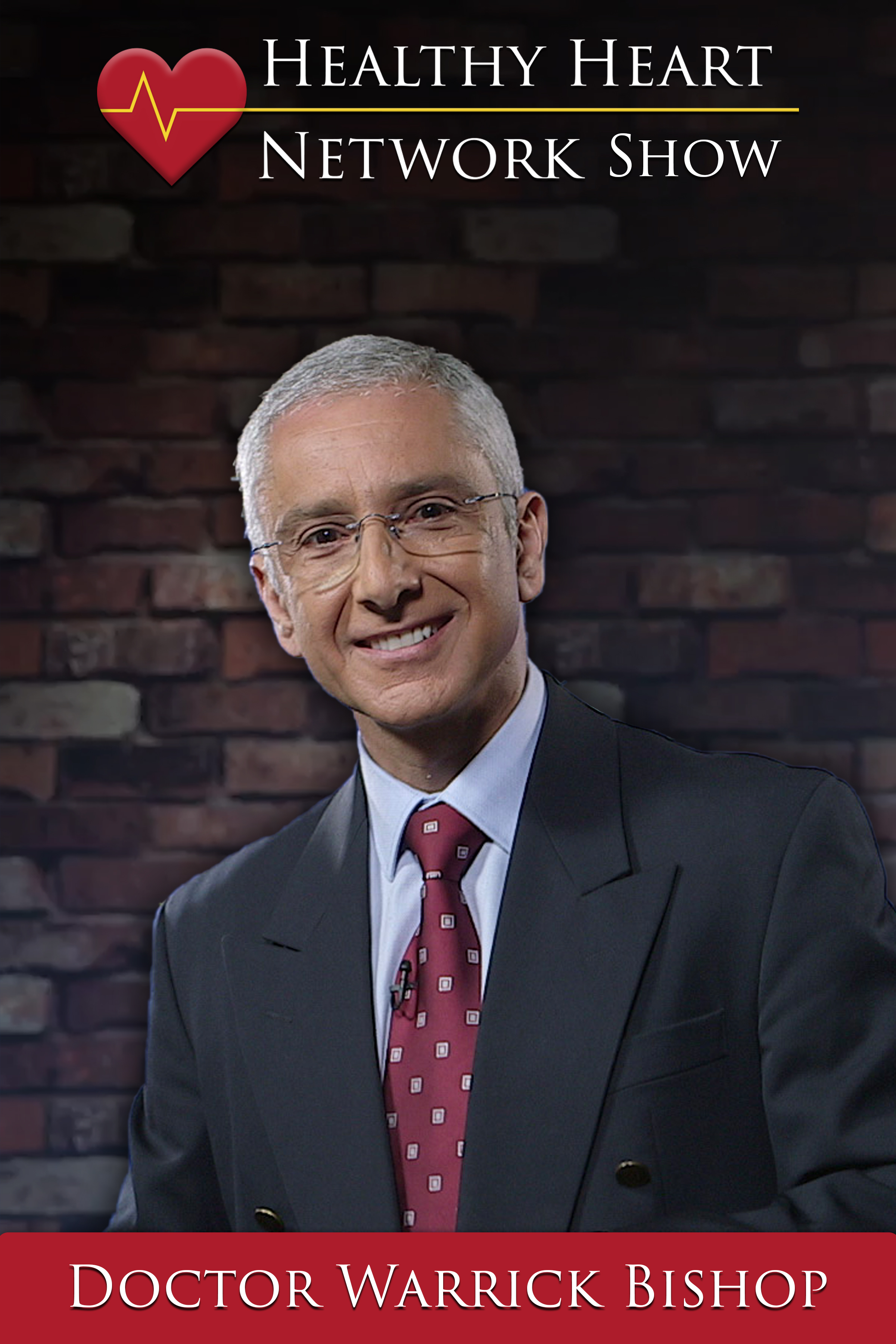
-HHN_CholChallenge_podcastimage.jpg
-HNN_CholChallenge_podcastimage3000.jpg

Welcome to the Younger Longer 14-Day Cholesterol Challenge. My name is Dr. Warrick Bishop. I'm a preventative cardiologist and I'm super excited that you're looking to look after your cholesterol. It is one of the most important and really one of the simplest things you can look after to look after your heart for the rest of your life.

During this 14-Day Challenge, I'm going to share with you a whole lot of stuff. Every day, a video, some resources, a challenge or a task for you to complete and a fun fact. Stay tuned, your cholesterol is super important. Let me explain to you how, what you're going to do about it and how you're going to look after yourself for the years ahead!

Why Listen?

  • Get practical tips and science-backed advice you can apply immediately.
  • Learn from real-world examples and medical expertise.
  • Gain daily challenges to help you stay engaged and track progress.
  • Take charge of your heart health in a simple, effective, and engaging way.

Takeaways:


Transcript:


Are You at Risk of a Sudden Heart Attack? How Healthy is Your Heart? Really?

Heart disease is the #1 killer in the Western World. In Australia, someone dies every 28 minutes from heart disease. That’s 51 people a day. In the US, someone has a heart attack every 40 SECONDS! Fortunately, many heart attacks are preventable. However, regular exercise and eating healthy are no guarantee you won’t succumb to this silent killer.

  • 94% of Australians have at least One Risk Factor for heart disease.
  •  59% of Australians have been Touched by heart disease.
  •  Yet only 3% of Australians have had a Full Heart-Health Assessment in the past 12 months.

Do the free heart check today at www.virtualheartcheck.com.au


Join the Healthy Heart Network and become part of our growing community!

Do You Want to Improve Your Heart’s Health and Reduce Your Risk of Suffering a Heart Attack? Join The Healthy Heart Network For Only $5 Lifetime Access (Valued at over $55)!

The Healthy Heart Network is designed to help members:

  • understand the present state of their heart’s health
  • recognise their current level of risk of suffering a heart attack
  • Learn the positive steps they can take to improve their situation

Visit https://healthyheartnetwork.com/ and click on the JOIN THE FAMILY BUTTON

Transcript English

**Episode Title: "Day 06: Statins - What You Need to Know"** **Host:** Welcome back, and we're talking statins. Well, I've even had some patients call them "satins." Go figure. There's such a lot of social media hype around statins. Are they good? Are they bad? Most of the social media stuff is that they're bad. Let me tell you where the science sits with them. They were discovered probably 50 odd years ago, thereabouts. They were discovered from a natural or organic source, they've been purified, and we use these agents because they work through the body on an enzyme process that's called HMG-CoA reductase. Now, you don't need to remember HMG-CoA reductase, but there's a process that steps through various chemical compounds to generate cholesterol or not, and the statins block it. Now, these agents are probably the most studied medical therapy we have in our known universe. They are, without question, beneficial at lowering cholesterol levels and lowering the risk of people who are known to have cardiovascular high risk. These are people who've had a heart attack or stroke or a lot of plaque in their arteries that's been identified on imaging. So, there's no question that the statins actually work. The complexity comes not for the people who we know have bad plaque in their arteries—those who've had a heart attack or an event. The complexity comes in people who are otherwise well, who we don't know what's going on with their arteries. This is why imaging a calcium score is so valuable. If we just grab people who are otherwise fit and well, and we have no idea if they've got bad arteries or not, then treating those people with any medication doesn't make much sense. And really importantly, if we grab a whole lot of people, then many of those people won't have stuff in their arteries. They won't have atheroma buildup. And so, treating those people with a cholesterol-lowering therapy won't give them a benefit if they don't have anything in their arteries. Makes sense? So, there is absolute certainty for the people who've had an event and have bad arteries; lowering cholesterol will benefit them, and statins do that incredibly well. The complexity comes with people who have not had an event and who haven't yet been identified. Calcium scoring answers that. Now, can everyone take statins? Of course not. There isn't a single chemical out there that everyone can tolerate. Some people are allergic to peanuts and will swell up and die. This is terrible. We wouldn't deal with people who are allergic to statins by giving them statins again—no peanuts, peanuts again. But what we find is that many people actually can tolerate statins, and it's a dose-related situation. A little bit like alcohol. I know that my gran used to have a sip of sherry in the afternoon and be a little bit tipsy, but I also happen to know some friends who could drink five or six pints of Guinness and still do calculus. So, the difference there is one of tolerance, and we can always find a solution for statin therapy if we keep that tolerance in mind. What I'm going to invite you to do is, as your task, think of some of the side effects that you've heard about when it comes to statins and write them down. We can try and address them, and we've certainly addressed them in the book *Cholesterol Explained*. I'm also going to ask you to find some time to listen to the associated podcast today. For now, I hope you live as well as possible for as long as possible, and stay tuned because we'll talk about some of the other agents that are going to be soon able to support your cholesterol-lowering journey. Bye for now.