Low-dose aspirin is sometimes recommended for those at high risk of heart disease, but it’s not for everyone.
Welcome to the Younger Longer 28-Day Healthy Heart Challenge, a transformative podcast series designed to help you take control of your heart health and live a longer, healthier life. Over the next 28 days, we’ll guide you through a comprehensive journey covering key aspects of cardiovascular wellness—nutrition, exercise, stress management, medical awareness, and lifestyle choices.
Each daily episode is packed with expert insights from Dr. Warrick Bishop, best-selling author and cardiologist dedicated to preventing heart disease before it becomes a life-threatening issue. Using the latest science and practical strategies, this series empowers you to make heart-healthy choices and build habits that will support your well-being for years to come.
What You’ll Learn in the 28 Days:
✔ Understanding Your Heart – How it functions and why proactive care is essential.
✔ Heart-Healthy Nutrition – The best foods to fuel your cardiovascular system.
✔ Exercise & Movement – The role of physical activity in strengthening your heart.
✔ Stress & Mental Well-being – Managing stress and anxiety for a healthier heart.
✔ The Power of Sleep – How sleep quality impacts cardiovascular function.
✔ The Impact of Smoking & Alcohol – Making informed lifestyle changes.
✔ Supplements & Medical Insights – Understanding key nutrients and medical checkups.
✔ Advanced Heart Testing & Risk Factors – Going beyond traditional risk assessments.
✔ Sustaining Long-Term Heart Health Habits – Turning knowledge into action for lifelong benefits.
Why Listen?
- Get practical tips and science-backed advice you can apply immediately.
- Learn from real-world examples and medical expertise.
- Gain daily challenges to help you stay engaged and track progress.
- Take charge of your heart health in a simple, effective, and engaging way.
Your heart is your most vital organ, and the steps you take today will shape your future health. Whether you’re looking to prevent heart disease, manage risk factors, or simply improve your overall well-being, this 28-day challenge is your roadmap to a healthier, longer life.
Subscribe and start your journey today—because every heartbeat counts!
Transcript
Hi, and welcome to day 10! Today, we're talking about aspirin, and I love discussing this topic. Aspirin is such a wonderful drug.
It was first patented by the German drug company Bayer in the 1800s, believe it or not. Since then, billions of these tablets have been produced and consumed worldwide, making it one of the most ubiquitous pharmaceutical agents. Aspirin does a heap of things—it keeps the blood thin by preventing platelets (which are involved in clot formation) from clumping together. It’s also effective for pain and inflammation because it affects prostaglandins, which play a role in temperature regulation, pain sensation, and blood clotting.
In heart health, we primarily use aspirin for people with plaque buildup in their arteries. It’s almost a non-negotiable for individuals who have already had an event such as a stroke, heart attack, stent placement, or bypass surgery. These people are at high risk, and aspirin helps prevent a second event—a strategy known as secondary prevention.
For those allergic to aspirin, alternative agents are available. However, if you have unhealthy arteries or have experienced a cardiovascular event, aspirin is one of the most affordable and effective medications to reduce your risk of further complications.
One of the more confusing aspects of aspirin use is whether people should take it before they have any heart problems. At first glance, this seems like a good idea—why not take aspirin to prevent an issue before it arises? However, taking aspirin without a clear medical reason can pose risks. Since aspirin thins the blood, it increases the risk of bleeding. For people with healthy arteries, the potential harm of aspirin often outweighs the benefit, which is why we generally do not recommend it for primary prevention.
In my own practice, I focus on identifying high-risk individuals who may look healthy on the outside. I often use a calcium score scan to assess whether plaque is present in their arteries. If I find someone with high-risk plaque—essentially, a lot of “rust in the pipes”—then I believe they might benefit from taking aspirin preemptively.
Interestingly, we don’t yet have randomized controlled trials to support this approach. However, if we follow the logic, it makes sense. If someone is going to have a heart attack at midnight, and we know that giving them aspirin at 12:00 sharp would help, then giving it to them at 11:59 should also be beneficial. By extension, if we identify high-risk patients and start aspirin treatment days, weeks, or months earlier, the benefits could be significant.
There’s a lot more to explore on this topic, so be sure to check out today’s resources. Additionally, some research suggests that aspirin may reduce the risk of colorectal cancer recurrence, which is another fascinating area of study.
That’s it for today. I wish you the very best—keep going with your challenge, and I hope you live as well as possible for as long as possible. Take care, and bye for now.
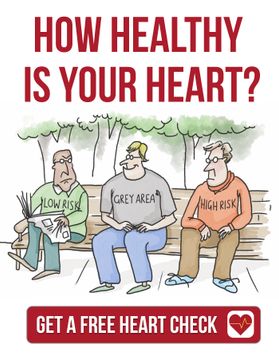
Are You at Risk of a Sudden Heart Attack? How Healthy is Your Heart? Really?
Heart disease is the #1 killer in the Western World. In Australia, someone dies every 28 minutes from heart disease. That’s 51 people a day. In the US, someone has a heart attack every 40 SECONDS! Fortunately, many heart attacks are preventable. However, regular exercise and eating healthy are no guarantee you won’t succumb to this silent killer.
- 94% of Australians have at least One Risk Factor for heart disease.
- 59% of Australians have been Touched by heart disease.
- Yet only 3% of Australians have had a Full Heart-Health Assessment in the past 12 months.
Do the free heart check today at www.virtualheartcheck.com.au
Join the Healthy Heart Network and become part of our growing community!
Do You Want to Improve Your Heart’s Health and Reduce Your Risk of Suffering a Heart Attack? Join The Healthy Heart Network For Only $5 Lifetime Access (Valued at over $55)!
The Healthy Heart Network is designed to help members:
- understand the present state of their heart’s health
- recognise their current level of risk of suffering a heart attack
- Learn the positive steps they can take to improve their situation
Visit https://healthyheartnetwork.com/ and click on the JOIN THE FAMILY BUTTON