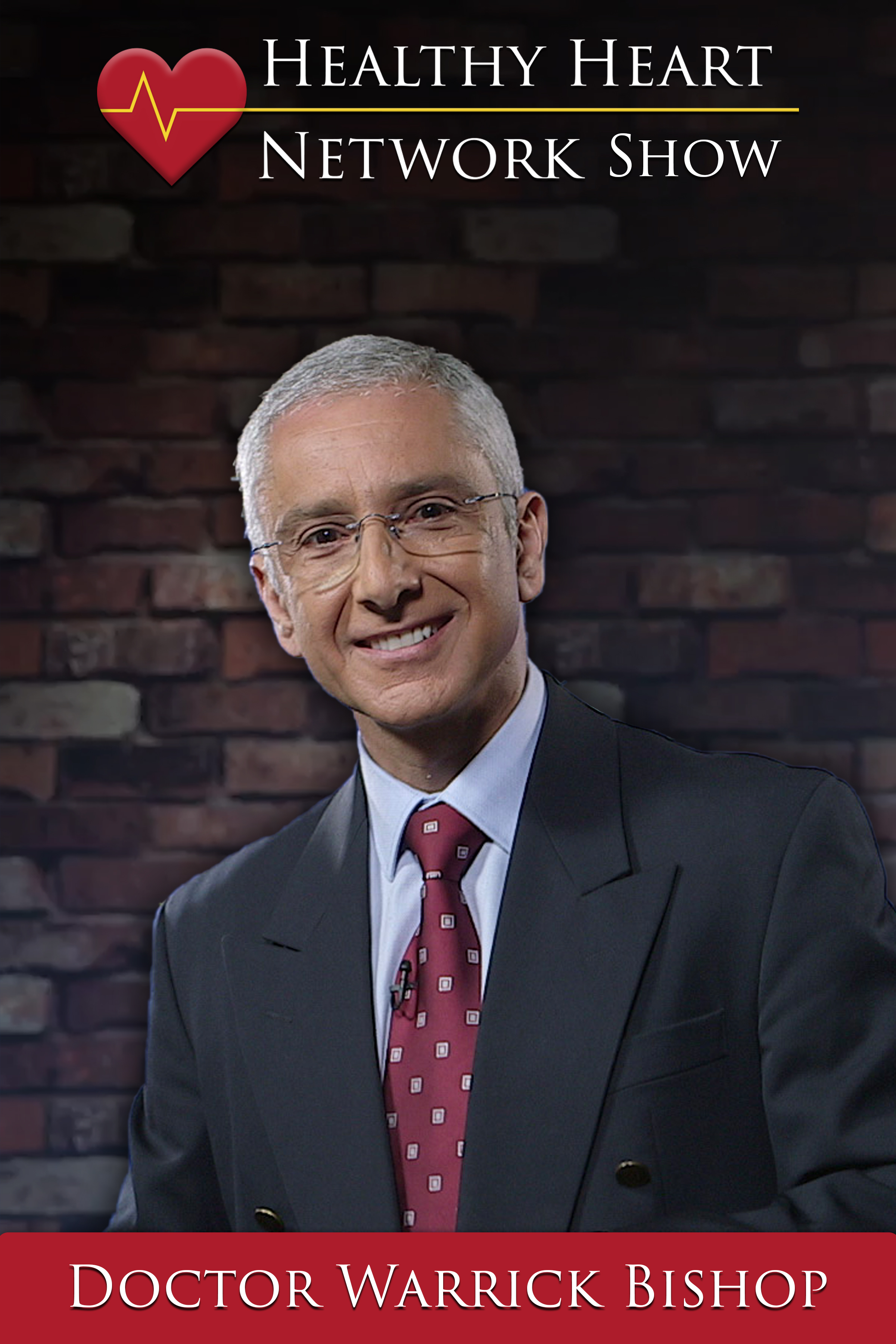
Welcome to my podcast. I am Doctor Warrick Bishop, and I want to help you to live as well as possible for as long as possible. I’m a practising cardiologist, best-selling author, keynote speaker, and the creator of The Healthy Heart Network. I have over 20 years as a specialist cardiologist and a private practice of over 10,000 patients.
Podcast Summary
Dr. Warrick Bishop is a practicing cardiologist and author dedicated to educating patients about heart health, hosting this podcast to help people understand the latest in cardiac care. In this episode, he explores the mechanisms of how cholesterol accumulates in artery walls, focusing on the research of Vladimir Subbotin from the Russian Academy of Sciences. Rather than accepting the conventional theory, Dr. Bishop presents an alternative hypothesis about the pathway cholesterol takes when contributing to coronary artery disease.
Key Takeaways:
-
The link between cholesterol (LDL) and coronary artery disease is well-established, and lowering LDL in high-risk patients demonstrably reduces heart attack risk, though cholesterol is not the complete story in heart disease.
-
The conventional understanding assumes cholesterol travels from the bloodstream into artery walls through lipoprotein particles that cross the inner lining (tunica intima) at points of wear and tear.
-
Microscopic examination of plaque development shows cholesterol buildup beginning in the middle layer (tunica media) of arterial walls, which contradicts the inside-out migration theory.
-
Subbotin proposes that cholesterol doesn't primarily enter arteries from the bloodstream but instead travels inward through tiny blood vessels called vasa vasorum that supply nutrients to the artery wall itself.
-
Arterial wear and tear triggers inflammation and the release of tissue factors that signal the body to mobilize cholesterol as a building block for repair.
-
Multiple factors beyond cholesterol contribute to coronary artery disease, including inflammation, blood pressure, and mechanical wear and tear on arterial walls.
-
Regardless of the exact mechanism of cholesterol entry, lowering cholesterol levels in high-risk individuals remains an effective strategy for reducing future cardiovascular risk.