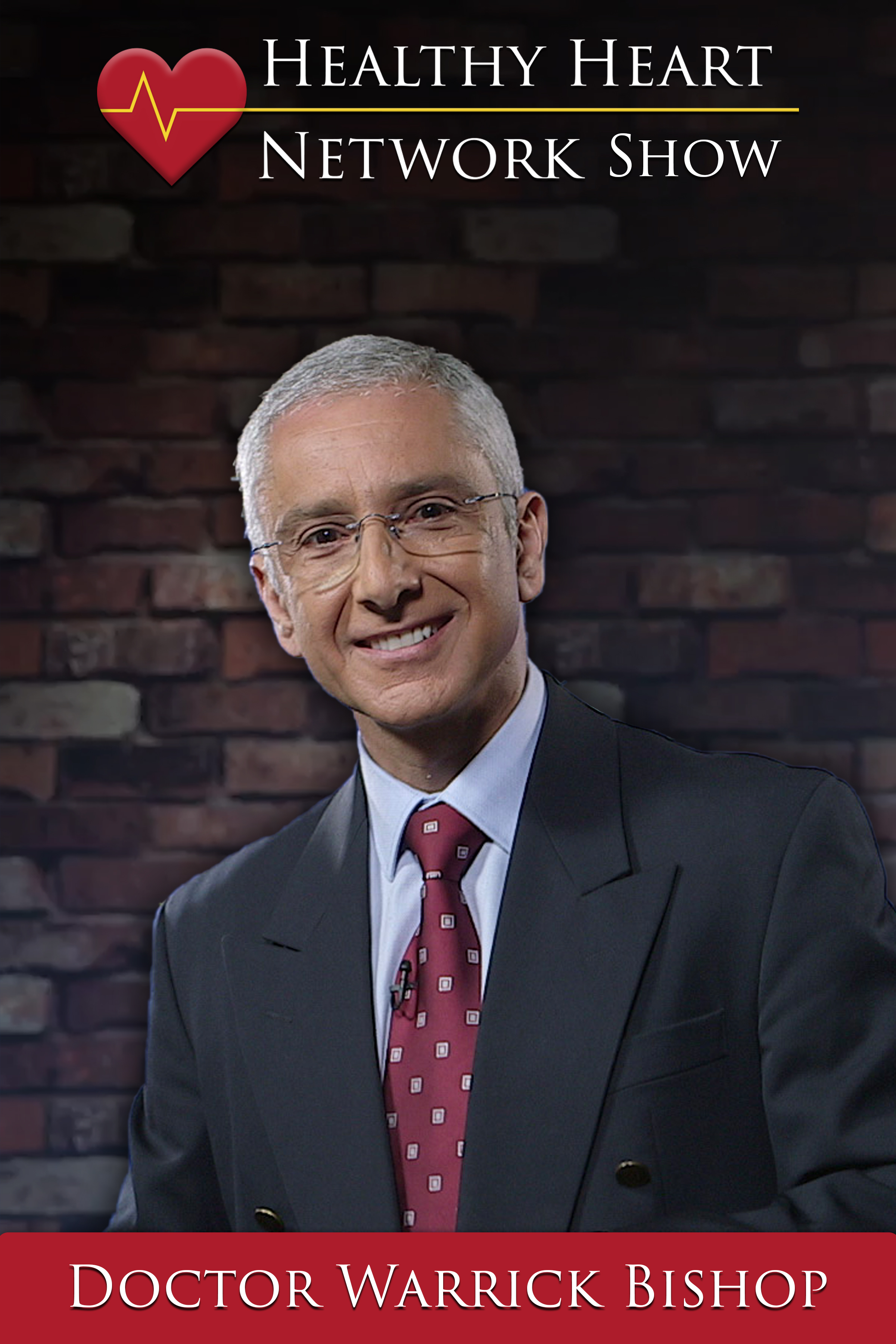
Welcome to my podcast. I am Doctor Warrick Bishop, and I want to help you to live as well as possible for as long as possible. I’m a practising cardiologist, best-selling author, keynote speaker, and the creator of The Healthy Heart Network. I have over 20 years as a specialist cardiologist and a private practice of over 10,000 patients.
Summary: EP44 - Clots And Drugs
Dr. Warwick Bishop is a practicing cardiologist and author dedicated to educating patients about heart health. In this episode, he responds to a Facebook question about blood-thinning medications, specifically warfarin and Prasugrel, by explaining how different drug classes work to prevent clot formation in the body. The episode provides a foundational understanding of antiplatelet agents versus anticoagulants and when each type is used.
Key Takeaways:
-
Clot formation in the body is driven by two main mechanisms: platelets (small sticky blood components) and the coagulation cascade (proteins that form clots)
-
Antiplatelet drugs like aspirin, clopidogrel, ticagrelor, and Prasugrel prevent platelets from clumping together and are primarily used in the arterial system, such as in stents and for coronary artery disease
-
Anticoagulant drugs work by thinning the blood through the coagulation cascade and are used to affect the proteins involved in clot formation
-
Warfarin is the historically most widely used anticoagulant, but newer alternatives called NOACs (non-vitamin K dependent oral anticoagulants) have entered the market with different mechanisms of action
-
The three main NOAC medications currently available are rivaroxaban (Xarelto), dabigatran (Pradaxa), and apixaban (Eliquis)
-
NOACs target specific parts of the coagulation cascade differently than warfarin, offering patients alternative blood-thinning options
-
Understanding which drug class addresses platelets versus proteins in clot formation helps patients and doctors select appropriate treatments for their specific conditions